- Top Pick: De'Longhi EcoDecalk Universal Descaler, for Coffee Machines 16.90 oz
- Best Value: ACTIVE Coffee Machine Descaler Descaling Solution – 32oz (8 Uses) Compatible with Keurig,Nespresso,Breville,Delonghi, Jura, Ninja – Espresso Coffee Maker Cleaner,Coffee Pot Cleaning Limescale Remover
- Premium Choice: ACTIVE Espresso Machine Cleaning Tablets Descaling – 120 Tabs | Compatible with Breville Barista Express, Gaggia, Delonghi, Jura, Philips | Expresso Maker Backflush Oil Remover Solution Clean Tablet
Last updated: October 20, 2026
As an Amazon Associate we earn from qualifying purchases at no extra cost to you.


Disclosure: As an Amazon Associate we earn from qualifying purchases. This page contains affiliate links and we may earn a commission at no extra cost to you.
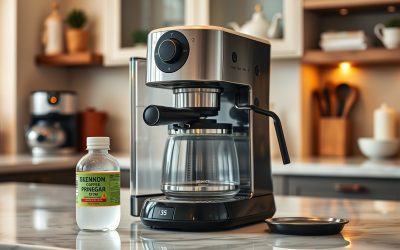
Scale is the slow killer of espresso machines. Every liter of water you brew leaves a trace of dissolved minerals behind, and inside a hot boiler those minerals come out of solution and cling to metal as limescale. Left alone, scale narrows water paths, insulates heating elements so they overwork, throws off brew temperature, and eventually blocks valves outright. The machines that die young in this hobby almost never wear out — they fur up. Descaling on a schedule is the single cheapest piece of maintenance you can do, and it takes about half an hour of mostly waiting.
This guide covers the full process: how to tell when your machine needs descaling, how to choose between citric-acid, lactic-acid, and proprietary solutions, the step-by-step procedure for single-boiler home machines, and the rinse discipline that keeps descaler out of your cup. We also explain the crucial difference between descaling (mineral removal from the water side) and backflushing with espresso detergent (coffee-oil removal from the brew side) — two jobs, two chemicals, never interchangeable. Skipping maintenance is also one of the fastest routes to the off-flavors we catalog in our guide to bitter espresso causes, so the payoff lands directly in the cup.
Below are the six cleaning and descaling products we keep on the maintenance shelf, followed by the routine that uses them properly.
Quick Comparison
| Product | Price | Rating |
|---|---|---|
| Urnex Cafiza Cleaning Powder (566g) | Check on Amazon | 4.8/5 |
| Tillbrook Breville-Compatible Descaler | Check on Amazon | 4.7/5 |
| Nespresso Descaling Kit (2 Pack) | Check on Amazon | 4.7/5 |
| De’Longhi EcoDecalk Universal Descaler | Check on Amazon | 4.7/5 |
| Breville-Compatible Descaling Solution | Check on Amazon | 4.7/5 |
| Durgol Swiss Espresso Decalcifier | Check on Amazon | 4.7/5 |
Why Trust This Guide
See also: How Much Caffeine Is in a Cup of Coffee? • How to Descale a Breville Espresso Machine Step by Step
Our maintenance advice comes from keeping a rotating bench of home espresso machines alive for years: we follow manufacturer procedures, log what each solution does to visible scale in kettles and boilers, and taste-test rinse water so the “flush until clean” advice reflects practice rather than label optimism. We recommend only products we have run through real machines.
Urnex Cafiza Cleaning Powder (566g)
Cafiza is the café-industry standard for the other half of machine hygiene: backflushing coffee oils out of the group head and three-way valve. It is not a descaler — it dissolves coffee residue, not minerals — and we list it first precisely to cement that distinction. A machine that is descaled but never backflushed still pours rancid, ashy shots through a filthy brew path.
A 566-gram tub lasts a home user a very long time at the standard ritual: a small scoop in a blind basket, several short brew cycles, then plain-water rinses. Use it only on machines with a three-way valve (most prosumer 58mm machines, not all entry-level ones — check your manual). Paired with a proper descaler from this list, it completes the full maintenance picture.
Tillbrook Breville-Compatible Descaler
Tillbrook’s concentrate is the value play for Breville households: a year’s supply of descaling treatments in one bottle, formulated to be compatible with the boilers and seals in Sage/Breville machines. Concentrates beat pre-mixed bottles on price per treatment by a wide margin, and the dosing instructions make dilution painless.
Owners of thermocoil machines like the Barista Express should descale more often than dual-boiler owners realize — the narrow water paths in a thermocoil clog earlier than a big brass boiler does. A scheduled quarterly treatment with a concentrate like this, more often in hard-water areas, is cheap insurance on a machine you rely on every morning.
Nespresso Descaling Kit (2 Pack)
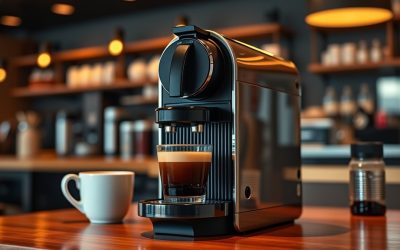
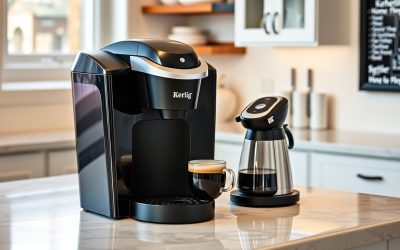
Capsule machines scale up just like manual machines — faster, in some cases, given their tiny thermoblocks — and Nespresso’s own two-pack kit is the low-friction answer for that side of the kitchen. The solution is matched to the company’s machines and the pack covers two full treatments, which at a typical home schedule is about a year of upkeep.
The procedure is menu-driven on most models: fill the tank with solution and water, run the descale program, rinse thoroughly. If a Nespresso unit shares your counter with a manual machine, keep its dedicated kit on hand rather than improvising with whatever is nearby; thermoblock machines are unforgiving of the wrong chemistry, and the kit removes the guesswork.
De’Longhi EcoDecalk Universal Descaler
EcoDecalk is the gentle universalist: a lactic-acid formula derived from plant sources that De’Longhi ships for its entire espresso range and that works across brands. Lactic acid is kinder to aluminum boilers and rubber seals than aggressive mineral acids, which makes this the safe default when you are unsure what metals live inside your machine.
It dissolves scale a little more slowly than stronger chemistries, so give it the full recommended dwell time rather than rushing the cycle. One bottle handles multiple treatments. For households running a De’Longhi pump machine alongside other gear, it is the one bottle that legitimately serves everything — drip brewers and kettles included.
Breville-Compatible Descaling Solution
This descaler targets the same Sage/Breville fleet as the Tillbrook concentrate, in a ready-to-use format for owners who prefer zero mixing. Pour, run the descale cycle, rinse — the simplicity is the product. For machines with a guided descale mode, like much of the Barista series, the whole job is twenty minutes of mostly watching lights blink.
Pre-mixed solutions cost more per treatment than concentrates, which is the honest tradeoff to weigh against the convenience. Whichever format you choose, what matters is actually doing it on schedule: the Barista Express we reviewed flags its own descale reminder, and honoring that light promptly is worth more than any premium chemistry applied late.
Durgol Swiss Espresso Decalcifier
Durgol is the Swiss specialist that espresso technicians reach for: a fast-acting decalcifier formulated specifically for espresso machines of any brand. Its claim to fame is speed and completeness of dissolution — scale comes off in a single pass without the repeat cycles weaker solutions sometimes need, and it rinses clean without lingering odor.
The per-treatment cost runs higher than concentrates, which positions Durgol as the choice for the machine you cherish rather than the budget line. If you own a prosumer machine with an expensive boiler, or you have let maintenance lapse and need a decisive first treatment before adopting a schedule, this is the bottle we would hand you.
What to Look For in Espresso Machine Descaling
Descalers look interchangeable on the shelf, but chemistry and fit to your machine matter. Evaluate on these axes:
- Acid type — lactic and citric formulas are gentle on aluminum and seals; stronger sulfamic blends work faster but suit brass and stainless boilers better. Match the chemistry to your machine’s guts.
- Manufacturer compatibility — using a solution the maker endorses (or one explicitly formulated as compatible) protects both the machine and, on some brands, the warranty conversation.
- Concentrate vs pre-mixed — concentrates cost far less per treatment; pre-mixed bottles remove dosing errors. Pick by your tolerance for measuring.
- Descaler vs detergent — descalers remove minerals from the water path; espresso detergents like Cafiza remove coffee oils from the brew path. You need both, and they are never substitutes.
- Treatments per package — divide price by honest treatment count; a year of scheduled maintenance is the real unit of purchase.
- Rinse behavior — quality solutions rinse away without taste or odor in two tank flushes; anything that lingers costs you more water and patience than it saved in price.
Tips for Getting the Most Out of Descaling
Calibrate your schedule to your water, not the calendar alone. Hard well water can scale a thermoblock in six weeks; filtered soft water might stretch a machine to six months. Cheap test strips tell you your hardness in seconds, and machines with descale indicators are counting liters for you — believe them. The deeper fix is upstream: brewing with appropriately soft, balanced water slows scale formation dramatically, and it tastes better too. Start with decent kettle discipline — our temperature-control kettle guide shows how mineral-aware brewing pays off across every method, not just espresso.
When you descale, be unhurried about the rinse. Run at least two full tanks of fresh water through every path the solution touched — brew circuit, steam wand, hot-water spout — until there is no tart taste or slick feel in the output. Pull a sacrificial shot afterward and discard it. And while the machine is apart, give the gaskets, shower screen, and steam tip a quick service; our steam wand tip guide covers the most neglected part on most home machines.
Lastly, keep maintenance in view when you buy. Machines differ enormously in how easy they make this ritual — guided descale programs versus folk procedures, accessible boilers versus sealed cases — and that difference compounds over years of use. Our espresso machine buying guide weighs serviceability alongside the glamorous specs, because the best machine is the one still pulling great shots a decade from now.
Frequently Asked Questions
How often should I descale my espresso machine?
Every one to three months for most homes, tuned to water hardness and daily volume. Hard unfiltered water plus daily use means monthly; filtered soft water and weekend use can stretch toward quarterly. If the machine has a descale alert, treat it as a deadline rather than a suggestion.
Can I just use vinegar instead of a descaling solution?
We advise against it. Vinegar is a weak descaler that demands long contact times, its acetic acid can attack seals and aluminum, and the smell haunts the machine for ages. Purpose-made citric or lactic formulas work faster, rinse cleaner, and are tested against the materials in your boiler.
What are the signs my machine urgently needs descaling?
Weaker flow from the group or hot-water spout, longer heat-up times, erratic brew temperature, rattling or louder pump noise, white crust at the steam tip, and shots that taste flat or chalky. Any combination of those means scale is already interfering — descale now rather than on schedule.
Is descaling the same as backflushing?
No. Descaling sends an acid solution through the water path to dissolve minerals. Backflushing pushes detergent backward through the group head to strip coffee oils, and only machines with a three-way valve can do it. A complete routine uses both, with different chemicals, on their own schedules.