- Top Pick: Ymiueip 6oz Espresso Shot Cups, Glass Measuring Cup, Coffee Bar Accessories
- Best Value: 4 Pack Mini Golf Stroke Counter Clicker,Dual Dial Scorekeeper Tool for 2 Players with Keychain, 2-Digit Manual Reset, Portable Golf Score Tracker for Game Scorekeeper,Golf Tournaments(4 colors)
- Premium Choice: Eagle Claw Micro Split-Shot Sinker Assortment, 368 Sinkers, Plain Lead, Assorted Sizes, Dial Pack
Last updated: October 21, 2026
As an Amazon Associate we earn from qualifying purchases at no extra cost to you.




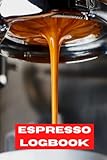
Espresso grind size is the steering wheel of your entire shot. Dose, temperature, and pressure all matter, but grind size is the variable you will adjust most often and the one with the most dramatic effect in the cup. Make the grind finer and water flows slower, contact time increases, and extraction goes up. Make it coarser and water races through, extraction drops, and the shot turns thin and sour. Learning to read a shot and respond with the right grind adjustment — the process baristas call dialing in — is the single most valuable skill in home espresso. This guide explains exactly how grind size controls extraction, gives you a repeatable dial-in procedure, and shows you how to diagnose the most common faults.
Quick Comparison
| Product | Brand | Price | Rating |
|---|---|---|---|
| Aromaster Conical Coffee Bean Grinder with 48 Gind Sett… | Aromaster | $89.99 | 5/5 |
| Aromaster Burr Coffee Grinder with 45 Grind Settings | Aromaster | $69.99 | 5/5 |
| AYCHIRO Electric Conical Burr Coffee Grinder | AYCHIRO | $79.99 | 4.9/5 |
| AAOBOSI Cordless Burr Coffee Grinder | AAOBOSI | $89.99 | 4.8/5 |
Why Grind Size Controls Everything in Espresso
See also: How Much Caffeine Is in a Cup of Coffee? • How to Descale a Breville Espresso Machine Step by Step
Espresso forces hot water through a compacted bed of coffee at roughly nine bars of pressure. The grind determines how much resistance that bed offers. Finer particles pack more tightly and expose far more surface area, so water moves slowly and dissolves more solubles — acids first, then sugars and caramels, and finally the bitter compounds. Coarser particles leave bigger gaps, water flows fast, and only the quick-dissolving sour and salty compounds make it into the cup.
That is the core rule worth memorizing: finer grind = slower flow = more extraction; coarser grind = faster flow = less extraction. A fast, pale, sour shot is under-extracted and needs a finer grind. A slow, dripping, harshly bitter shot is over-extracted and needs a coarser one. Almost every espresso problem routes back to this relationship, which is why a capable burr grinder matters more than the machine itself — our guide to the best coffee grinders for espresso explains what separates an espresso-capable grinder from a brew grinder.
Espresso sits at the fine end of the grind spectrum: noticeably finer than table salt, slightly coarser than powdered sugar — it should clump lightly when you pinch it. But there is no universal “correct” setting. The right grind shifts with the bean, the roast level, the roast date, and even the weather, which is why dialing in is a process rather than a number.
How to Dial In Espresso: A Step-by-Step Procedure
Dialing in means adjusting grind size until a fixed dose of coffee yields a fixed weight of espresso in a sensible time window. Change one variable at a time, and let grind size be that variable.
Step 1 — Fix your dose. Weigh the dry coffee going into the basket and keep it constant, matched to your basket size (typically 18 g in an 18 g basket). Consistent dosing is the foundation; if dose wanders, grind feedback means nothing.
Step 2 — Pick a yield ratio. A 1:2 ratio (18 g in, 36 g of liquid espresso out) is the classic starting point for a balanced shot. Our coffee-to-water ratio guide covers how ratios shape strength and body across brew methods.
Step 3 — Pull and time the shot. Start the timer when the pump starts and stop the shot at your goal weight. A useful starting window is roughly 25–30 seconds for a 1:2 ratio, treating that as a diagnostic guide rather than a law.
Step 4 — Adjust grind based on time. Shot ran too fast? Grind finer. Too slow? Grind coarser. Make small moves — one or two steps on a stepped grinder — and purge a few grams after each change so old grounds do not muddy the next test.
Step 5 — Confirm by taste. Time gets you close; taste finishes the job. Sour, sharp, and thin means push extraction up (finer, or a slightly longer ratio). Bitter, dry, and astringent means pull it back (coarser, or a shorter ratio). When the shot is sweet with balanced acidity and a pleasant finish, lock everything in and stop fiddling.
Expect to sacrifice two or three shots with every new bag of beans, and to nudge the grind finer as a bag ages and degasses. Fresh, recently roasted beans behave differently in their first week than in their fourth — more flow-control fundamentals live in our espresso extraction tips guide.
Reading Your Shot: Common Faults and the Grind Fix
| Symptom | Likely Cause | Adjustment |
|---|---|---|
| Shot gushes out fast, pale and watery | Grind too coarse — under-extraction | Grind noticeably finer; re-test |
| Slow drips, dark and harshly bitter | Grind too fine — over-extraction or choking | Grind coarser in small steps |
| Tastes sour and sharp despite decent time | Under-extraction; possibly water too cool | Grind slightly finer; check brew temperature |
| Tastes bitter, dry, astringent | Over-extraction; possibly stale residue | Grind coarser; see our bitter espresso troubleshooting guide |
| Flow starts fine then sprays or spurts | Channeling from uneven puck prep | Distribute and tamp level before blaming grind |
| Same setting behaves differently day to day | Beans aging, humidity, or grinder retention | Expect drift; purge stale grounds, adjust slightly |
One caution: channeling — water punching uneven paths through the puck — imitates both faults at once, producing shots that are somehow sour and bitter together. No grind setting fixes bad puck prep, so level distribution and a firm, even tamp come first.
Grinder Technique: Burrs, Retention, and Consistency
Your dial-in is only as repeatable as your grinder. Blade grinders cannot produce the uniform particle size espresso demands; a burr grinder with fine, espresso-range adjustment is essential. Stepless grinders allow micro-adjustments that matter at espresso fineness, while stepped grinders trade some precision for repeatability.
Retention — old grounds trapped in the burr chamber and chute — is the silent saboteur of dialing in. Always purge a few grams after changing settings, and clean the burrs regularly so rancid fines and oils do not contaminate fresh doses; our coffee grinder maintenance guide shows how. Bean choice matters too: oily dark roasts grind and flow differently than dense light roasts, and our best coffee beans for espresso roundup highlights forgiving options for practice. If you are still choosing hardware, machine and grinder belong in the same budget conversation — see the espresso machine buying guide for how to split it.
Frequently Asked Questions
How fine should espresso grind be?
Finer than table salt, slightly coarser than powdered sugar — fine enough that an appropriate dose chokes flow to a slow, syrupy pour over roughly 25–30 seconds at a 1:2 ratio. The exact setting varies by grinder, bean, and roast, so treat texture and shot time as your guides, not a fixed number.
Why did my dialed-in setting stop working?
Beans change as they age and degas, so a bag typically needs a slightly finer grind as the weeks pass. Humidity swings, a different roast date, and stale grounds retained in the grinder also shift behavior. Small periodic corrections are normal, not a sign you did something wrong.
Should I change the grind or the dose to fix a shot?
Change grind first and keep dose constant. Dose changes alter headspace, puck resistance, and ratio at the same time, which makes the result hard to interpret. Adjust dose only after grind alone cannot get you into a balanced range.
What does it mean when my machine chokes?
Choking means the puck is so resistant that almost nothing exits the spouts. The grind is far too fine, the dose is too high for the basket, or both. Coarsen the grind meaningfully, confirm your dose fits the basket, and try again.
Can I dial in espresso without a scale?
You can approximate by eye and time, but a 0.1 g scale is the cheapest upgrade in espresso. Weighing dose and yield turns vague guessing into a controlled experiment, and every adjustment becomes meaningful feedback instead of noise.