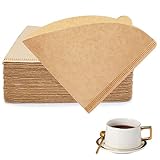
- Top Pick: Melitta #2 Unbleached Coffee Filters, Natural Brown Cone Filters, 1-Pack
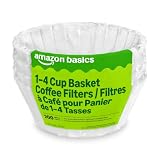
- Best Value: Amazon Basics Basket Coffee Filters for 1-4 Cup Coffee Makers, White, 200 Count
- Premium Choice: Coffee Filter #1, Disposable Coffee Filter Paper Natural Brown Cone Coffee Filters Unbleached U Shape Fit for Pour Over Coffee Cup, Coffee Maker(Brews 1-2 Cups,100 Count)
Last updated: September 4, 2026
Quick Comparison
| Product | Brand | Price | Rating |
|---|---|---|---|
| EcoPour Empty Coffee Filters | CouléeCoffeeCompany | $19.99 | 4.5/5 |
| Replacement Paper Filter Packs Laicky 800 Count Unbleac… | Laicky | $9.99 | 4.6/5 |
| BYKITCHEN Pour Over Coffee Filter | BYKITCHEN | $7.99 | 4.4/5 |
Introduction
See also: How Much Caffeine Is in a Cup of Coffee? • How to Descale a Breville Espresso Machine Step by Step
Coffee filter paper plays a bigger role in your cup than most brewers realize. The type of filter you choose affects clarity, flavor, and even the oils that make it into your mug. Understanding the differences helps you brew smarter every time.
What to Look For
- Bleached vs. Unbleached: Bleached filters are bright white and neutral in taste; unbleached filters are brown and may impart a slight papery note if not pre-rinsed.
- Thickness and Micron Rating: Thicker filters trap more oils and fines, producing a cleaner cup — important for pour-over styles like V60 and Chemex.
- Compatibility: Always match filter size and shape to your brewer — #2 cone, #4 flat-bottom, Chemex bonded, or basket-style filters are not interchangeable.
Top Picks
Hario V60 Paper Filters (Tabbed, Size 02)
Hario’s natural unbleached filters are a benchmark for pour-over clarity. The tabbed design makes placement easy, and the fine paper structure produces a clean, nuanced cup with excellent flow rate.
As an Amazon Associate we earn from qualifying purchases at no extra cost to you.



Chemex Bonded Coffee Filters
Chemex’s proprietary pre-folded filters are 20–30% thicker than standard paper filters. This extra thickness removes virtually all oils and sediment, delivering one of the clearest, most tea-like cups available at home.
Melitta #4 Cone Filters (Bleached)
Melitta’s bleached cone filters are a versatile workhorse for drip machines and manual pour-overs. They are widely available, affordable, and produce a clean, consistent brew with minimal papery aftertaste.
How Filter Type Shapes Your Coffee
The paper filter you choose has a real effect on the cup, mostly through two factors: how much it filters out and how fast water flows through it. Paper filters trap the fine particles and most of the coffee’s natural oils, producing a clean, bright, sediment-free cup, the clarity many pour-over and drip drinkers prize. Thicker papers, like those used in the Chemex, filter even more aggressively, removing the most oils and fines for an exceptionally clean, crisp result, while thinner cone papers let through a bit more body.
Shape and fit matter just as much as thickness. Filters are designed for specific drippers, cone-shaped papers for V60-style cones, flat-bottom or wave papers for their matching brewers, and using the right shape ensures even saturation and proper flow. A filter that does not seat correctly can fold, channel, or slow the drip. There is also a choice between bleached (white) and unbleached (natural brown) papers: both work well, but unbleached filters benefit even more from a hot-water rinse to remove papery flavor before brewing.
Choosing and Using Filters Well
Match the filter first to your brewer and then to the taste you want. If you love a clean, tea-like clarity, a standard or thick paper filter delivers it; if you prefer more body and mouthfeel, a thinner paper lets through slightly more oils, and metal filters (a different category) let through the most. Always buy the size and shape specified for your dripper, since a mismatched filter is one of the most common causes of inconsistent brews.
One habit improves almost any paper filter: rinse it with hot water before brewing. Place the filter in the dripper, pour hot water through it, and discard that water before adding coffee. This removes any papery taste and, with ceramic or glass drippers, pre-heats the brewer so your coffee does not lose heat at the start. Store paper filters in a dry place away from strong odors, since paper can absorb smells. Use the right filter, rinsed and seated properly, and you remove a common source of off-flavors, letting the coffee itself shine through.
Frequently Asked Questions
Do paper coffee filters affect taste?
Yes. Paper filters trap fine particles and most of the coffee’s oils, giving a clean, bright, sediment-free cup. Thicker papers remove even more oils for extra clarity, while thinner papers let through a bit more body and mouthfeel.
Should I rinse paper filters before brewing?
Rinsing the filter with hot water before adding coffee removes papery taste and, with ceramic or glass drippers, pre-heats the brewer. Discard the rinse water before brewing. This simple step noticeably improves flavor, especially with unbleached filters.
What is the difference between bleached and unbleached filters?
Bleached (white) filters are treated to remove the natural paper color, while unbleached (natural brown) filters are not. Both brew well; unbleached papers can impart a slight papery taste, so rinsing them before use is especially helpful.
Can I use any filter in any dripper?
No. Filters are shaped for specific brewers, cones for V60-style drippers, flat-bottom or wave papers for their matching brewers. Using the correct size and shape ensures even saturation and proper flow; a mismatched filter can fold, channel, or slow the drip.
Are metal or paper filters better?
It depends on your taste. Paper gives the cleanest, brightest cup by removing oils and fines. Metal filters let oils and some fine sediment through for a fuller body and more texture, and they are reusable. Neither is objectively better, just different.
Sizing, Storage, and Reusable Options
Getting the filter size right is a small detail that affects every brew. Cone filters are sold in numbered sizes, and using one rated for your brewer’s capacity ensures the paper sits properly without folding over or leaving gaps. A filter that is too small can collapse into the cone, while one that is too large bunches against the walls and disrupts the flow, so always buy the size your dripper specifies.
How you store filters matters too. Paper readily absorbs odors and moisture, so keep your filters in a dry, sealed container or their original packaging, away from strong-smelling foods and humidity. A damp or odor-tainted filter can subtly affect the taste of an otherwise clean cup.
Finally, consider whether a reusable filter fits your routine. Cloth and metal filters can be washed and reused many times, cutting waste and ongoing cost, though they require diligent cleaning to prevent old oils from going stale. Many brewers keep paper for its convenience and clean cup while using a reusable option when they want more body, choosing per brew rather than committing to one.
Final Thoughts
The right coffee filter paper elevates your brew without adding cost. Always pre-rinse paper filters with hot water to eliminate papery flavors and preheat your vessel. Experiment with bleached versus unbleached to discover which cup profile you prefer.