- Top Pick: I am not perfect But I am not watery: I am not perfect But I am not watery
- Best Value: Dog Cataract Eye Drops for Dogs & Cats, Hydrating Pet Eye Wash & Lubricating Drops for Cloudy, Dry, Itchy & Watery Eyes, Not for Human, Gentle Daily Eye Care for Tear Stain Cleaning Support, 30 mL
- Premium Choice: Watery, Domestic
Last updated: September 7, 2026
🛒 Best Price Today on Amazon
Prime members get fast, free shipping on everything above, plus member-only deals. New members get a 30-day free trial — cancel anytime.
Top Make Iced Coffee Home Not Picks for 2026
Here are our current top make iced coffee home not picks, compared on real Amazon owner reviews, price, and features. Live prices update below.
As an Amazon Associate we earn from qualifying purchases at no extra cost to you. Product prices and availability are accurate as of the date shown and are subject to change.




Figuring out how to make iced coffee at home seems trivial — brew coffee, add ice — until you taste the result: thin, watery, and somehow bitter at the same time. The problem is physics. Hot coffee poured over ice melts a third of the cube tray into your cup, diluting everything, while coffee left to cool slowly oxidizes and turns harsh. Good iced coffee solves both problems on purpose. In this guide we will cover the three reliable home methods — flash brew, fridge brew, and cold brew dilution — plus the fixes that keep your glass strong, smooth, and cold to the last sip.
Why Iced Coffee Goes Wrong
See also: How to Descale a Breville Espresso Machine Step by Step • How to Descale a Nespresso Machine the Right Way
Two failure modes account for nearly every bad glass of homemade iced coffee. Dilution: ice is water, and hot coffee melts a lot of it instantly. If you brew at normal strength and pour it over ice, you effectively stretch your coffee 25 to 40 percent with melt water. Staling: brewed coffee that cools slowly on the counter oxidizes, losing its aromatics and developing a flat, bitter edge within an hour or two. Every good method below either brews stronger to budget for melt, chills fast to outrun oxidation, or skips heat entirely. It also helps to know what you are aiming for — iced coffee and cold brew are genuinely different drinks, as our cold brew vs iced coffee comparison explains: iced coffee keeps the bright acidity of hot brewing, while cold brew trades it for mellow, chocolatey smoothness.
Method 1: Flash Brew (Japanese Iced Coffee)
Flash brew is the fastest route to excellent iced coffee and the method most specialty shops use for single glasses. You brew hot directly onto ice, replacing part of the brew water with ice so the final strength lands exactly right.
- 1. Do the math. Take your normal recipe and convert about 40 percent of the water to ice. For a 300 g glass: 20 g coffee, 180 g hot water, 120 g of ice in the carafe or glass.
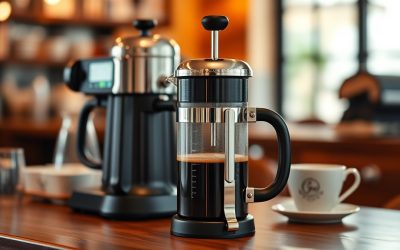
- 2. Brew hot over the ice. A pour over dripper set on an ice-filled carafe is ideal, but a small French press decanted over ice works too — our French press vs pour over guide covers the trade-offs.
- 3. Stir and serve over fresh ice. The instant chill locks in the aromatics that slow cooling destroys.
Flash brew keeps the lively, fruity acidity of hot coffee, which makes it the best method for light and medium roasts. Getting the proportions right matters more here than anywhere else, so a scale and a solid grasp of coffee to water ratios pay off immediately.
Method 2: Fridge Brew (Make-Ahead Pitcher)
If you want a pitcher waiting for you all week, brew a concentrated batch hot, then chill it quickly. Brew at about 1:10 instead of your usual 1:15 to 1:16 — noticeably strong on its own, correct once it meets ice. Pour the hot coffee into a metal or glass container, cool it at room temperature for only a few minutes, then refrigerate. Brewed coffee keeps reasonably well in a sealed container in the fridge for two to three days before flavor fades. Serve it over ice as-is, or cut it with cold water or milk to taste. This is also the method that benefits most from coffee ice cubes: freeze leftover coffee in a cube tray, and your drink gets colder without getting weaker.
Method 3: Cold Brew Concentrate
Cold brew is the zero-bitterness option: coarse grounds steeped in cold water for 12 to 18 hours, producing a smooth, low-acid concentrate you dilute to taste. It is the most forgiving method and the best match for dark roasts and milk drinks. The full process — ratios, steep times, filtering — is in our step-by-step cold brew guide, with the strength math covered in the cold brew ratio guide. No special gear needed: a French press makes excellent cold brew. Once you have concentrate on hand, iced coffee becomes a 30-second pour, and you can dress it up endlessly — our cold brew recipes collection is full of ideas.
Upgrades: Ice, Milk, Sweeteners, and Foam
A few details separate good iced coffee from great. Ice: big cubes melt slower than crushed ice; coffee cubes eliminate dilution entirely. Sweetener: granulated sugar will not dissolve in cold liquid — use simple syrup or a flavored syrup; our guide to coffee syrup flavors covers the classics. Milk: add it after the ice so you can judge color and strength as you pour. Foam: a cap of lightly sweetened cold foam turns a basic glass into a coffee-shop drink — the technique is in our cold foam coffee guide, and if you want the full copycat experience, try the vanilla sweet cream cold brew recipe. Espresso drinkers can skip all of the above and build an iced latte: shots pulled fresh, poured over ice and cold milk.
Frequently Asked Questions
Why does my iced coffee taste watery?
You brewed at normal strength and let ice melt dilute it. Either brew 25 to 40 percent stronger to budget for melt, flash brew directly onto a weighed amount of ice, or use coffee ice cubes so melting adds flavor instead of water.
Why does my iced coffee taste bitter?
Usually because hot coffee sat and oxidized before chilling, or the brew was over-extracted to begin with. Chill fast (flash brew), shorten your steep, or switch to cold brew, which produces the smoothest, least bitter base of any method.
Can I just refrigerate leftover hot coffee?
You can, and it is fine for a day or two in a sealed container, but coffee that cooled slowly on the warmer or counter will already taste flat. For make-ahead iced coffee, brew strong and chill promptly rather than saving stale leftovers.
What is the difference between iced coffee and cold brew?
Iced coffee is brewed hot and then chilled, keeping bright acidity and aroma. Cold brew never touches heat — a long cold steep extracts a smooth, low-acid concentrate. They use different grinds, ratios, and timelines, and taste distinctly different.
What roast is best for iced coffee?
Light and medium roasts shine in flash brew, where their acidity reads as juicy and refreshing. Dark roasts do better in cold brew or milk-heavy drinks, where their chocolate and caramel notes carry through the cream and ice.