- Top Pick: Coffee Roasting Logbook:: Track Roasts, Profiles, and Tasting Notes
- Best Value: Espresso Logbook: Track Your Shots With Accuracy — Journal Every Aspect of your Espresso
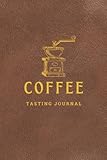
- Premium Choice: My Coffee Tasting Journal: Coffee Log Book With Coffee Tasting Wheel & Color Meter To Track & Rate Coffee Varieties And Roasts – Coffee Drinkers Notebook – Coffee Lovers Gifts
Last updated: September 4, 2026
🛒 Best Price Today on Amazon
Prime members get fast, free shipping on everything above, plus member-only deals. New members get a 30-day free trial — cancel anytime.
Quick Comparison
| Product | Brand | Price | Rating |
|---|---|---|---|
| BookFactory The Coffee Taster’s Journal/Notebook Coffee… | BookFactory | $12.99 | 5/5 |
| Coffee Tasting Journal: A Coffee Lover’s Notebook | — | $8.97 | 4.6/5 |
| Master Coffee Roasting Log Book AND Tasting Notebook | … | — | $9.99 | 4.8/5 |
Introduction
See also: How to Descale a Breville Espresso Machine Step by Step • How to Make Iced Coffee at Home (Not Bitter, Not Watery)
Coffee tasting notes — the descriptors you see on specialty bags like “blackcurrant, jasmine, brown sugar” — are not marketing fiction. They reflect real aromatic compounds that trained tasters identify through structured sensory evaluation. Developing your own ability to detect these flavors transforms you from a passive coffee drinker into an engaged home barista who can choose beans and adjust brewing variables with intent. This guide gives you the tools to start tasting with more precision.
As an Amazon Associate we earn from qualifying purchases at no extra cost to you.


What to Look For
- The SCA Flavor Wheel: The Specialty Coffee Association’s flavor wheel maps 110+ coffee flavor descriptors across categories like fruity, floral, nutty, and spicy — having it nearby while you taste accelerates vocabulary development dramatically.
- Brewing Consistency: You cannot reliably evaluate tasting notes if your brew variables change; use a scale, consistent grind size, and fixed water temperature to isolate flavor from technique.
- Temperature Progression: Coffee reveals different flavors as it cools; tasting a cup hot, warm, and cool teaches you how acidity, sweetness, and body shift throughout the drinking experience.
Top Picks
World Coffee Research Sensory Lexicon Poster
The WCR Sensory Lexicon is the scientific backbone behind coffee flavor descriptors, defining each term with a physical reference standard so tasters can calibrate their perception objectively. A laminated poster version makes a practical and educational addition to any home coffee bar. Pairing it with deliberate daily tasting practice accelerates flavor vocabulary faster than any book or course.
Acaia Pearl Coffee Scale
Consistent brewing is the foundation of meaningful tasting, and the Acaia Pearl is the gold standard home coffee scale for precision. It measures to 0.1 gram accuracy with a response time fast enough to track pour-over flow rate in real time. The companion app records brew data so you can reproduce great cups and adjust variables methodically.
Hario V60 Drip Decanter Pour-Over Set
Pour-over is the preferred tasting method in specialty coffee because it produces a clean, transparent cup that highlights subtle tasting notes without the muddiness of French press or the intensity of espresso. The Hario V60 Drip Decanter combines a V60 dripper with a glass server in one elegant kit, giving you everything needed to brew evaluation-quality coffee at home.
Understanding the Language of Coffee Flavor
Tasting notes describe the flavors and aromas you might detect in a coffee, and learning to read them makes choosing and enjoying coffee far more rewarding. Notes like “blueberry,” “chocolate,” or “caramel” do not mean anything was added; they describe naturally occurring flavor compounds that the coffee’s origin, variety, processing, and roast bring out. Professionals often organize these descriptors using a flavor wheel, which groups flavors from broad categories like fruity, nutty, and floral down to specific notes like cherry or almond.
A few core dimensions anchor most tasting. Aroma is the smell, which strongly shapes perceived flavor. Acidity is the bright, lively quality, ranging from sharp citrus to gentle sweetness, and is prized rather than a flaw. Body is the weight and texture in your mouth, from light and tea-like to heavy and syrupy. Sweetness and aftertaste, the flavor that lingers, round out the picture. Understanding these terms helps you describe what you like and find more coffees you will enjoy.
How to Practice Tasting Coffee at Home
You can develop your palate without special equipment. Brew coffee fresh and let it cool slightly, since some flavors are easier to detect when the coffee is not piping hot. Take a moment to smell it first, then sip and let the coffee spread across your tongue. Slurping, as professionals do in a cupping, aerates the coffee and spreads it over your palate, helping you pick up more nuance. Ask yourself simple questions: Is it bright or mellow? Light or heavy? What does it remind you of?
Comparison is the fastest way to learn, so try tasting two different coffees side by side, such as a bright African coffee next to an earthy one, and the contrast makes each one’s character obvious. Use the bag’s tasting notes as hints rather than rules, and keep brief notes on what you taste and enjoy. Taste coffee black before adding milk or sugar so you can perceive its true character. Over time, your vocabulary and sensitivity grow, and ordinary cups become more interesting.
Frequently Asked Questions
What do coffee tasting notes actually mean?
They describe naturally occurring flavors and aromas in the coffee, not added ingredients. A note like blueberry means the coffee’s origin, processing, and roast bring out a flavor reminiscent of blueberry. They are guides to what you might detect.
What is acidity in coffee?
Acidity is the bright, lively quality in a cup, ranging from sharp and citrusy to soft and sweet. It is a desirable trait, not a defect, and it gives coffee much of its vibrancy and complexity.
What does body mean?
Body is the weight and texture of coffee in your mouth, from light and tea-like to heavy and syrupy. It is separate from flavor and contributes to how full or delicate a cup feels.
How can I improve my coffee palate?
Taste coffees side by side, smell before you sip, and slurp to spread the coffee across your palate. Taste it black first, keep notes, and use tasting descriptions as hints. Comparison and practice build sensitivity quickly.
Should I taste coffee hot or cooled?
Letting coffee cool slightly often reveals flavors that are masked when it is very hot. Tasting it across a range of temperatures, from hot to nearly cool, gives you the fullest picture of its character.
Final Thoughts
Developing a trained palate for coffee tasting notes takes practice, but the process itself — slowing down, paying attention, and comparing what you taste to established references — is deeply enjoyable. Start with a flavor wheel, a precise scale, and a clean brewing method like the V60, then taste the same coffee brewed at different temperatures and grind sizes. Over time, the flavors that seemed abstract on the bag will become unmistakably clear in your cup.
Ready to decide? Our #1 pick for 2026 is the BookFactory The Coffee Taster's Journal/Notebook Coffee….
Live price & availability on Amazon.