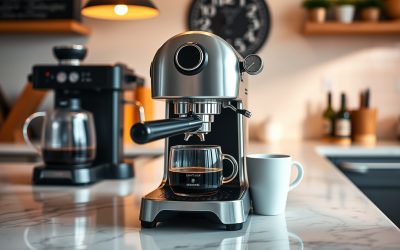
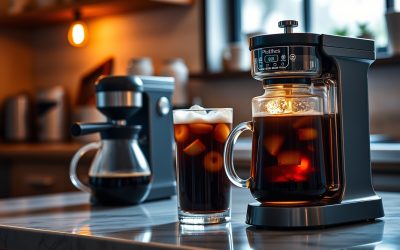
- Top Pick: Ratio Eight Series 2 Drip Coffee Maker, 8-Cup Glass Carafe
- Best Value: Perfect Coffee Water™ Minerals for Creating the Best Water to Brew Coffee, Optimize Your Coffee Brewing, Brew Better, not Bitter, Coffee. (10, 1 Gallon/4 Liter Stick Packets)
- Premium Choice: Third Wave Water Classic Light Roast For Brewing The Best Coffee, Classic Profile, 12 Single Gallon Sticks, As Seen On Shark Tank
Last updated: September 4, 2026
As an Amazon Associate we earn from qualifying purchases at no extra cost to you.



Quick Comparison
| Product | Brand | Price | Rating |
|---|---|---|---|
| KitchenTour CaféMetric Coffee Scale with Timer 0.1g/200… | KKitchenTour | $12.32 | 5/5 |
| Digital Measuring Spoon Scale Rechargeable – 0.1g High … | Enaud | $18.99 | 5/5 |
| Mongdio Coffee Scale with Timer | Mongdio | $16.14 | 4.8/5 |
| Nkove Mini Coffee Scale with Timer | Nkove | $22.99 | 4.8/5 |
| Maestri House S1 Air Ultra-Slim Espresso Coffee Scale w… | MaestriHouse | $39.99 | 4.7/5 |
Introduction
See also: How Much Caffeine Is in a Cup of Coffee? • How to Descale a Breville Espresso Machine Step by Step
The coffee-to-water ratio is the single most important variable in producing a consistently delicious cup. Too little coffee and the brew tastes thin and sour; too much and it becomes bitter and muddy. Different brewing methods use dramatically different ratios, and understanding why empowers you to adjust confidently rather than guessing.
What to Look For
- Standard Ratios by Method: Espresso targets 1:1.5 to 1:2.5 (18g dose: 27–45g yield); pour-over uses 1:15 to 1:17 (20g coffee: 300–340g water); French press typically uses 1:15; cold brew concentrate uses 1:4 to 1:5 before diluting.
- Weight vs. Volume: Always measure by weight (grams), not scoops or tablespoons. Coffee beans vary in density, and a tablespoon of light roast weighs measurably less than a tablespoon of dark roast — volume measurements cause inconsistency.
- Adjust to Taste: Ratios are starting points, not laws. If a 1:15 pour-over tastes too strong, try 1:16 or 1:17. If espresso at 1:2 tastes sour, try 1:2.2 before adjusting grind or temperature.
Top Picks
Acaia Pearl Scale (0.1g Precision)
The Acaia Pearl is the benchmark brewing scale for ratio control. Its 0.1g resolution handles the precision needed for espresso ratios and pour-over alike, the built-in timer syncs with your brew phases, and the Bluetooth app lets you log and reproduce your best recipes with exactness.
Hario V60 Drip Scale (Compact)
Hario’s own drip scale is a more affordable option designed specifically for pour-over brewing. The 0.1g precision and integrated timer serve the key functions needed for ratio control at a fraction of the Acaia price — a smart pick for pour-over brewers who don’t need espresso-specific features.
OXO Brew Precision Scale (6 lb Capacity)
OXO’s brew scale is a practical, auto-timed option for drip and pour-over brewing. The 6 lb capacity handles large batch brewing, the auto-off timer initiates when liquid hits the carafe, and the 0.1g resolution is more than adequate for most home coffee ratios. Widely available and very reliable.
Understanding Coffee-to-Water Ratios
The ratio of coffee to water is the foundation of a good brew, and getting it right is the difference between a flat, weak cup and a muddy, overpowering one. A widely used starting point for most brewed coffee is the “Golden Ratio,” roughly 1:15 to 1:18 by weight, meaning one gram of coffee for every 15 to 18 grams of water. A common middle-ground figure is about 1:16, or roughly 60 grams of coffee per liter of water. Within that range, a lower number like 1:15 makes a stronger cup, while a higher number like 1:18 makes a lighter one.
Espresso is a different world: it uses a far more concentrated ratio, typically around 1:2, such as 18 grams of ground coffee yielding about 36 grams of espresso. Cold brew concentrate sits at the other extreme during steeping, often 1:4 to 1:8, then gets diluted before drinking. The key insight is that ratio controls strength, how much coffee is dissolved in the water, while grind size and time control extraction, how thoroughly that coffee is drawn out. The two work together, but the ratio is the lever you set first.
Measuring and Dialing In Your Brew
The most reliable way to hit a ratio is to weigh both coffee and water with a scale, ideally one that reads in tenths of a gram for espresso. Scooping by volume is inconsistent because beans differ in density and grind, so weighing removes guesswork and makes a great brew repeatable. Measuring by weight is the single biggest upgrade most home brewers can make for consistency.
Once you have a baseline ratio, dial it in by taste. If your coffee tastes weak or watery, use more coffee or less water to strengthen it; if it tastes too intense or heavy, do the opposite. Remember that ratio and grind interact: a brew that tastes sour and underdeveloped may need a finer grind rather than more coffee, while a bitter, harsh cup may need a coarser grind. Change one variable at a time so you can tell what made the difference. Keep brief notes on the ratio, grind, and water temperature, around 195-205°F for most methods, so that when you find a cup you love, you can brew it again exactly. Consistency, not perfection on the first try, is what dialing in is all about.
Frequently Asked Questions
What is the golden ratio for coffee?
The golden ratio is a guideline of roughly 1 gram of coffee to 15 to 18 grams of water by weight for most brewed coffee. A common middle point is about 1:16, or 60 grams of coffee per liter of water. Lower numbers make stronger coffee, higher numbers make it lighter.
How is the espresso ratio different?
Espresso uses a much more concentrated ratio, typically around 1:2, for example 18 grams of grounds yielding about 36 grams of espresso. This is far stronger than brewed coffee because espresso is a small, concentrated shot rather than a full cup.
Should I measure coffee by weight or volume?
Weight is far more reliable. Scooping by volume varies with bean density and grind size, while a scale lets you hit a precise ratio every time. Weighing both coffee and water is the simplest way to make great coffee repeatable.
Does the ratio control strength or extraction?
Ratio mainly controls strength, how much coffee is dissolved in the water. Extraction, how thoroughly the coffee is drawn out, is governed mostly by grind size, time, and temperature. The two work together, but you set the ratio first, then adjust grind to taste.
My coffee tastes weak. Should I add more coffee or grind finer?
Either can help, but they fix different problems. If the coffee is simply too thin or watery, add more coffee or use less water. If it tastes sour and underdeveloped, the issue is under-extraction, so grind finer instead. Change one variable at a time to tell them apart.
Final Thoughts
Dialing in your coffee-to-water ratio is the fastest way to dramatically improve your brew quality without changing beans or equipment. Invest in a 0.1g-accurate scale, use weight for both coffee and water, and record your recipes so you can reproduce and refine them systematically over time.