- Top Pick: Coffee Shop at Home: The Ultimate Guide to Making Your Favorite Coffee Drinks
- Best Value: Brew This Book: Make Coffee Shop Lattes, Cold Brews, Frappes and More at Home for a Fraction of the Price
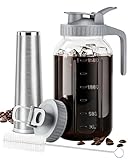
- Premium Choice: QHH Cold Brew Coffee Maker, 64 oz Mason Jar Pitcher with Stainless Steel Filter, Pour Spout Handle Lid, Airtight & Leak-Proof for Iced Coffee,Tea & Lemonade
Last updated: October 21, 2026
Prime
Best Seller
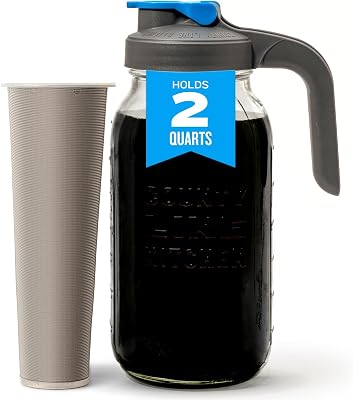
County Line Kitchen 64 oz Glass Cold Brew Coffee Maker with Leak-Proof Lid, Wide Mouth Mason Jar – Iced Coffee and Tea Pitcher – Gray


Prime
Limited Time
Cold Brew Coffee Maker 64oz, Iced Coffee Maker with 304 Stainless Steel Filter, Mason Jar Pitcher with Lid and Spout (Black)
Prime
Top Rated
Paris Hilton Cold Brew Coffee Maker, Durable 1.6 Quart Borosilicate Glass Carafe with Stainless Steel Filter, Glitter Pink, 38 oz
View on Amazon
Learning how to make cold brew at home is one of the highest-payoff skills in coffee. The method requires no machine, no precise timing to the second, and no barista technique — just coarse coffee, cold water, and patience. In return you get a smooth, naturally sweet, low-acid concentrate that keeps for up to two weeks in the fridge and costs a fraction of what cafes charge. This guide covers everything: the right ratio, grind size, steep time, filtering, storage, and the mistakes that make cold brew taste weak or muddy.
As an Amazon Associate we earn from qualifying purchases at no extra cost to you.




🛒 Best Price Today on Amazon
Prime members get fast, free shipping on everything above, plus member-only deals. New members get a 30-day free trial — cancel anytime.
Quick Comparison
| Product | Brand | Price | Rating |
|---|---|---|---|
| County Line Kitchen 64 oz Glass Cold Brew Coffee Maker … | CountyLineKitchen | $27.99 | 4.8/5 |
| Cold Brew Mason Coffee Maker – 64oz Iced Coffee Pitcher… | Jrssae | $19.99 | 4.7/5 |
| Cold Brew Coffee Maker 64oz | VA1KENE | $18.99 | 4.7/5 |
| Paris Hilton Cold Brew Coffee Maker | TheWorldofParisHilton | $19.99 | 4.7/5 |
What Makes Cold Brew Different
See also: How Much Caffeine Is in a Cup of Coffee? • How to Descale a Breville Espresso Machine Step by Step
Cold brew is not simply iced coffee. Iced coffee is brewed hot and chilled, which preserves bright acidity but can taste sour or thin once diluted over ice. Cold brew is never heated: ground coffee steeps in cold or room-temperature water for 12 to 24 hours, and the low temperature extracts sugars and body while leaving behind many of the sharp acids and bitter compounds that hot water pulls out quickly. The result is rounder, sweeter, and gentler on sensitive stomachs. We break down the differences fully in our comparison of cold brew vs iced coffee.
Most home cold brew is made as a concentrate that you dilute to taste, which saves fridge space and lets every member of the household adjust strength to their liking.
What You Need
- Coffee: a medium or medium-dark roast works beautifully; chocolatey, nutty profiles shine in cold brew. See our picks for the best coffee beans for cold brew.
- A coarse grind: think breadcrumbs or coarse sea salt. A burr grinder gives the consistent coarse grind that keeps cold brew clean — our burr vs blade grinder guide explains why blade grinders cause silty, muddy batches.
- A vessel: a large jar, pitcher, or a purpose-built brewer from our roundup of the best cold brew coffee makers.
- A filter: a fine-mesh sieve lined with a paper filter or cheesecloth, or the built-in filter basket of your brewer.
- Cold, filtered water. Cold brew is mostly water, so quality matters.
The Cold Brew Ratio
Ratio is the single most important variable. For concentrate, use 1 part coffee to 4 or 5 parts water by weight — for example, 100 grams of coffee to 500 grams of water. For ready-to-drink strength, brew at roughly 1:8. If you do not own a scale, a workable volume shortcut is one cup of coarse grounds per four cups of water for concentrate. Our dedicated cold brew ratio guide includes a full conversion chart, and our general coffee-to-water ratio guide explains how ratios shape strength across every brew method.
| Style | Coffee : Water | Serve |
|---|---|---|
| Concentrate | 1:4 to 1:5 | Dilute 1:1 with water or milk |
| Ready to drink | 1:8 | Pour straight over ice |
Step-by-Step Cold Brew Method
Step 1: Grind coarse
Grind your beans just before brewing. Too fine a grind over-extracts during the long steep and clogs your filter; too coarse and the brew tastes weak.
Step 2: Combine coffee and water
Add the grounds to your vessel, pour the water over slowly, and stir gently until every ground is saturated. Dry pockets of coffee are wasted coffee.
Step 3: Steep 12 to 24 hours
Cover and steep at room temperature for 12 to 18 hours, or in the refrigerator for 16 to 24 hours (cold slows extraction, so fridge batches need longer). There is no need to stir again. Taste at the 16-hour mark if you are unsure; longer steeps add body and a darker, earthier edge.
Step 4: Filter
Strain slowly through a fine sieve lined with a paper filter or a couple of layers of cheesecloth. Resist the urge to press or squeeze the grounds — pressing pushes bitter fines into your clean concentrate.
Step 5: Store and serve
Decant into a sealed bottle or jar and refrigerate. Concentrate keeps well for about two weeks, though the brightest flavor lives in the first week. To serve, fill a glass with ice, then mix concentrate with equal parts cold water or milk and adjust to taste.
Troubleshooting Your Batch
- Tastes weak: your grind was too coarse, your ratio too dilute, or the steep too short. Tighten one variable at a time.
- Tastes bitter or woody: the grind was too fine, the steep ran far past 24 hours, or you squeezed the grounds while filtering.
- Muddy or gritty texture: use a burr grinder and filter twice, finishing with a paper filter.
- Sour edge: under-extraction — extend the steep a few hours or grind slightly finer.
Ways to Use Your Concentrate
Beyond a classic glass over ice, cold brew concentrate is a versatile base. Cut it with steamed milk for an effortless iced latte, top it with sweet vanilla cold foam, stir in a pump from our favorite coffee syrup flavors, or pour it into cocktails and desserts. You can also go full coffee-shop with a nitro cold brew setup for that cascading, creamy stout-like pour. If you prefer maximum convenience, dedicated systems in our cold brew concentrate maker guide streamline the whole process.
Frequently Asked Questions
How long should cold brew steep?
Aim for 12 to 18 hours at room temperature or 16 to 24 hours in the refrigerator. Shorter steeps taste thin and underdeveloped; much past 24 hours the brew picks up woody, over-extracted notes.
Does cold brew have more caffeine than regular coffee?
Undiluted concentrate is stronger than drip coffee because of the high coffee-to-water ratio. Once you dilute it to drinking strength, a serving lands in a similar range to other brewed coffee, depending on your ratio and pour size.
Can I use any coffee beans for cold brew?
Yes, though medium and dark roasts with chocolate, caramel, and nutty notes tend to shine, while delicate floral light roasts can taste muted. Freshly roasted whole beans, ground coarse just before brewing, always beat pre-ground.
Why is my cold brew sour?
Sourness signals under-extraction. Steep longer, grind a touch finer, or warm your ratio up from 1:8 toward 1:5. Make one change per batch so you can taste the difference.
How long does cold brew last in the fridge?
Concentrate keeps for up to two weeks sealed in the refrigerator; diluted cold brew is best within two to three days. If it tastes flat or smells off, brew a fresh batch.