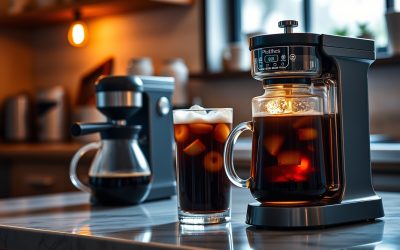
- Top Pick: Primula Burke Deluxe Cold Brew Iced Coffee Maker, Comfort Grip Handle, Durable Glass Carafe, Removable Mesh Filter, Perfect 6 Cup Size, Dishwasher Safe, 1.6 qt, Black
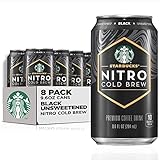
- Best Value: Starbucks – RTD Coffee Nitro Cold Brew, Black Unsweetened, 9.6 fl oz Cans (8 Pack), Iced Coffee, Cold Brew Coffee, Coffee Drink
- Premium Choice: Starbucks Medium Roast Iced Coffee, Black Unsweetened, 48 Fl Oz Bottle
Last updated: September 4, 2026
Quick Comparison
| Product | Brand | Price | Rating |
|---|---|---|---|
| Wandering Bear Straight Black Organic Cold Brew Coffee … | — | $44.99 | 4.3/5 |
| Wandering Bear Decaf Cold Brew Coffee On Tap | — | $46.99 | 3.9/5 |
| Wandering Bear Organic Cold Brew Coffee | — | $44.99 | 3.8/5 |
Introduction
See also: How Much Caffeine Is in a Cup of Coffee? • How to Descale a Breville Espresso Machine Step by Step
Cold brew and iced coffee might look similar in the glass, but they are made through entirely different processes that result in distinct flavor profiles, caffeine levels, and textures. Understanding the difference helps you choose the right brewing method — and the right equipment — for your taste preferences. This guide breaks down both styles and recommends the best gear for making each.
What to Look For
- Brew Method: Cold brew steeps coarse grounds in cold water for 12–24 hours; iced coffee is hot-brewed coffee poured over ice, a process that takes minutes.
- Flavor Profile: Cold brew is smooth, low-acid, and naturally sweet; iced coffee has brighter acidity and a slightly bitter edge from heat extraction.
- Caffeine Content: Cold brew concentrate typically has 50–100% more caffeine per ounce than regular iced coffee, though it is usually diluted before drinking.
Top Picks
OXO Good Grips Cold Brew Coffee Maker
OXO’s cold brew maker features a perforated rainmaker lid for even saturation, a fine-mesh stainless steel filter, and a convenient tap that flows directly into a glass. It holds enough grounds and water to produce 32 ounces of concentrate — enough for six to eight servings. The borosilicate glass carafe is refrigerator-safe and easy to clean.
As an Amazon Associate we earn from qualifying purchases at no extra cost to you.



Fellow Stagg EKG Electric Pour-Over Kettle
For flash-brew iced coffee — the method where you brew hot coffee directly onto ice — precision temperature control is essential. The Fellow Stagg EKG holds temperature within one degree and its swan-neck spout gives you exact pour-over control. This produces bright, clear iced coffee that highlights floral and fruity notes better than any cold-brew method.
Takeya Patented Deluxe Cold Brew Iced Coffee Maker
Takeya’s airtight cold brew pitcher uses a fine-mesh filter and a no-drip BPA-free lid that fits most refrigerator doors. It produces up to 30 ounces of smooth, low-acid concentrate and is dishwasher-safe for easy cleanup. At its price point it is the best budget cold brew pitcher for daily use.
Two Different Drinks: How They’re Actually Made
Cold brew and iced coffee are often confused, but they are fundamentally different beverages defined by their brewing method. Iced coffee is simply hot-brewed coffee that has been cooled and poured over ice—it is brewed with hot water using any standard method, then chilled. Cold brew, by contrast, is never heated: coarse grounds steep in cold or room-temperature water for an extended period, typically 12 to 24 hours, before being filtered out. This difference in temperature and time is what separates them in flavor, texture, and even chemistry, despite both being served cold.
The brewing temperature drives everything else. Hot water extracts coffee quickly and pulls out a broad range of compounds, including the acids and aromatic oils that give iced coffee its bright, lively character—the same flavors you taste in a hot cup, just chilled. Cold water extracts slowly and selectively, drawing out less acidity and fewer bitter compounds over its long steep. The result is that cold brew tastes notably smoother, sweeter, and less acidic, with a heavier, rounder body, while iced coffee tastes brighter, more aromatic, and more like traditional coffee. Neither is better—they simply suit different preferences.
Choosing Between Them and Brewing Each Well
Your choice comes down to taste and convenience. Cold brew is ideal if you prefer a smooth, low-acidity, naturally sweet cup that is gentle on sensitive stomachs, and it stores well in the fridge for days as a concentrate you can dilute on demand—convenient for batch-making. The tradeoff is planning ahead, since it needs many hours to steep. Iced coffee is faster: brew a hot batch and chill it, or pour fresh hot coffee over ice. It preserves the aromatic brightness of hot coffee but can taste watered down if the melting ice dilutes it, which is easily solved by brewing stronger or using coffee ice cubes.
To brew each well, match grind and ratio to the method. Cold brew uses a coarse grind and a high coffee-to-water ratio for the concentrate, steeped 12 to 24 hours, then filtered and diluted to taste. For iced coffee, brewing the hot coffee a bit stronger than usual compensates for the ice that will melt into it; the Japanese iced coffee method brews hot directly over ice to lock in aromatics while chilling instantly. A note on caffeine: cold brew concentrate is often high in caffeine before dilution, so the final strength depends entirely on how much you water it down—there is no fixed rule that one has more caffeine than the other.
Frequently Asked Questions
What is the main difference between cold brew and iced coffee?
Cold brew is made by steeping coffee grounds in cold water for 12 to 24 hours, never using heat. Iced coffee is hot-brewed coffee that has been cooled and poured over ice. The brewing temperature and time create their different flavors.
Why is cold brew less acidic and smoother?
Cold water extracts coffee slowly and selectively, pulling out fewer acids and bitter compounds than hot water. This gives cold brew its smooth, naturally sweet, low-acidity character, which many people with sensitive stomachs find easier to drink.
Does cold brew have more caffeine than iced coffee?
Not inherently. Cold brew concentrate is often strong before dilution, but the final caffeine depends on how much you water it down. Iced coffee’s caffeine depends on its brew strength. There is no fixed rule that one always has more.
Why does my iced coffee taste watery?
Melting ice dilutes iced coffee. Brew the coffee stronger than usual to compensate, or use coffee ice cubes so melting does not weaken the drink. The Japanese method of brewing hot directly over ice also helps preserve strength and flavor.
How long does cold brew last in the fridge?
Cold brew concentrate generally keeps well in the refrigerator for several days to about two weeks, which is part of its appeal for batch-making. Store it sealed, and dilute portions to taste as you drink them.
Final Thoughts
If you prefer smooth, low-acid coffee you can sip slowly over ice, cold brew is your method — the OXO or Takeya maker makes the process effortless. If you want bright, aromatic flavors that emerge quickly, flash-brew iced coffee with a precision kettle is the way to go. Both methods reward experimentation, so try each and see which suits your palate.