As an Amazon Associate we earn from qualifying purchases at no extra cost to you. Product prices and availability are accurate as of the date shown and are subject to change.


TL;DR: Espresso, lungo, and ristretto are the same coffee, same machine, same grind — different brew ratios and extraction volumes. Ristretto is shorter and sweeter. Espresso is the standard. Lungo is longer and more bitter. Knowing the difference changes how you order, dial in, and drink espresso at home.
Espresso vs Lungo vs Ristretto: The Real Difference (And Why It Changes Everything)
If you’ve ever ordered a “lungo” thinking it was just a bigger espresso, or assumed a ristretto was simply a stronger shot, this guide corrects both misconceptions. Espresso, lungo, and ristretto difference is not about coffee strength in the way most people think — it’s about which portion of the extraction you’re drinking, and what flavor compounds that portion contains. Understanding this distinction makes you a significantly better home barista. It also explains why a ristretto tastes sweeter despite being more concentrated.
- Quick Comparison
- Top Picks at a Glance
- The Foundation: What Is Espresso?
- Ristretto: The Short Pull
- Lungo: The Long Pull
- Side-by-Side Comparison
- Lungo vs Americano: Not the Same Thing
- How Grind Size Affects Ristretto and Lungo
- Which Shot Format is Right For Your Setup?
- Pulling All Three on a Home Machine
- Frequently Asked Questions
- About the Author
Quick Comparison
| Product | Brand | Price | Rating |
|---|---|---|---|
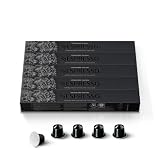
| Nespresso Capsules Vertuo | — | $42 | 4.8/5 |
| Lavazza Super Crema Whole Bean Coffee | — | $26.99 | 4.5/5 |
| Nespresso Capsules Vertuo | — | $42 | 4.8/5 |
| DeLonghi 3oz Espresso Double Wall Thermal Glasses | — | $19.9 | 4.6/5 |
| JoyJolt Savor Double Wall Insulated Glasses Espresso Mu… | JoyJolt | $15.62 | 4.5/5 |
Top Picks at a Glance
See also: How to Descale a Breville Espresso Machine Step by Step • How to Make Iced Coffee at Home (Not Bitter, Not Watery)
The Foundation: What Is Espresso?
Espresso is coffee brewed by forcing hot water (approximately 93°C / 200°F) through finely ground, compacted coffee at 9 bars of pressure. The standard modern espresso recipe:
| Variable | Standard Espresso |
|---|---|
| Dose (coffee in) | 18–20g |
| Yield (liquid out) | 36–40g |
| Brew ratio | 1:2 (dose:yield) |
| Extraction time | 25–30 seconds |
| Volume | ~35–40ml |
This is what the Specialty Coffee Association defines as espresso. Every machine from a $200 home machine to a $15,000 commercial La Marzocco targets these parameters. The learn about best espresso machine home at $499 is the most popular entry-level machine that can genuinely hit these numbers with the right grinder.
Ristretto: The Short Pull
Ristretto means “restricted” in Italian. It uses the same dose as espresso but collects only half the water output — roughly 15–20ml instead of 35–40ml. Same grind, same dose, same pressure. Just stop extracting earlier.
| Variable | Ristretto |
|---|---|
| Dose | 18–20g |
| Yield | 15–20g |
| Brew ratio | 1:1 or lower |
| Extraction time | 15–20 seconds |
| Volume | ~15–20ml |
Why ristretto tastes sweeter, not just stronger:
Coffee extraction is not uniform throughout a shot. The first liquid that flows contains the most soluble compounds — acids, sugars, fruity and floral aromatics. Bitterness and harsh compounds extract later in the pull. A ristretto cuts the shot before those bitter compounds arrive, producing a sweeter, more concentrated, less bitter result despite being more intense. It’s counterintuitive until you understand extraction sequencing.
Lungo: The Long Pull
Lungo means “long” in Italian. Same dose, but double or more the water — typically 80–110ml output from an 18–20g dose.
| Variable | Lungo |
|---|---|
| Dose | 18–20g |
| Yield | 80–110g |
| Brew ratio | 1:4–1:6 |
| Extraction time | 45–60 seconds |
| Volume | ~80–110ml |
Lungo pulls more water through the same dose, extracting more total compounds — including the bitter ones at the back end of extraction. It is not simply a diluted espresso. The additional extraction adds bitterness and body that plain dilution does not produce. A lungo is stronger in bitterness than espresso; a diluted espresso (americano) is weaker in bitterness than espresso. Same volume in the cup, different character entirely.
Side-by-Side Comparison
| Attribute | Ristretto | Espresso | Lungo |
|---|---|---|---|
| Volume | 15–20ml | 35–40ml | 80–110ml |
| Brew ratio | ~1:1 | ~1:2 | ~1:5 |
| Extraction time | 15–20 sec | 25–30 sec | 45–60 sec |
| Sweetness | High | Medium | Low |
| Bitterness | Low | Medium | High |
| Body | Dense, syrupy | Balanced | Thinner, more extracted |
| Acidity | Pronounced | Moderate | Lower |
| Caffeine | Similar to espresso | Standard | Slightly more |
| Best for | Drinking straight, milk drinks | All-purpose | Slow sipping, lighter palates |
Lungo vs Americano: Not the Same Thing
This is a common confusion. An Americano is an espresso with hot water added after extraction — dilution only, same extraction as a standard espresso. A lungo runs more water through the coffee during extraction — it’s an extended brew. The Americano is milder. The lungo is more bitter and more fully extracted. Both result in a larger drink, but via different mechanisms with different taste profiles.
How Grind Size Affects Ristretto and Lungo
When brewing ristretto, you can either stop the shot early at the same grind, or grind slightly finer to slow flow and extend the time to hit the same volume. Finer grind for ristretto concentrates more soluble material in a shorter volume and amplifies the sweet/dense character. For lungo, a slightly coarser grind prevents over-extraction bitterness from becoming overwhelming.
Grind adjustment is only practical with a precise burr grinder. The TIMEMORE Sculptor 078S has enough step granularity to dial ristretto vs espresso vs lungo without changing dose — critical for home baristas who experiment across formats. Our espresso grind size guide covers these adjustments in detail.
Which Shot Format is Right For Your Setup?
| Use Case | Best Format | Why |
|---|---|---|
| Straight black drinking | Ristretto or espresso | Sweet and complex without dilution |
| Milk drinks (flat white, latte) | Ristretto or double espresso | Intensity holds through milk |
| Cappuccino | Single or double espresso | Balanced with equal parts foam |
| Light-roast single origin | Lungo | Longer extraction develops fruit notes |
| Dark roast | Ristretto | Cuts bitterness, maximizes sweetness |
| Nespresso pods | Lungo (per pod design) | Pods are tuned for specific volumes |
Pulling All Three on a Home Machine
Any semi-automatic espresso machine can pull ristretto, espresso, and lungo — the difference is simply when you stop the shot (or your machine’s pre-programmed volumes). The this comparison comparison covers which machine gives you more control over shot timing and volume. Both use manual levers or buttons that let you stop extraction at any point.
On the Rancilio Silvia at $995, you press and hold to extract, release when target weight hits on your scale. On the Gaggia Classic Evo Pro at $499, the same manual control applies. Both require a scale to hit ristretto vs espresso targets precisely — volume estimation by eye is not accurate enough. See our breville barista express bes870xl hands-on review for a machine with programmable shot volumes that automates this process.
Frequently Asked Questions
What is the main espresso lungo ristretto difference in flavor?
Ristretto tastes sweet, dense, and intense with low bitterness — it captures the first, most flavorful fraction of extraction. Espresso is balanced — moderate sweetness, moderate bitterness, full body. Lungo tastes more bitter and less sweet because it extracts into the back end of the pull where harsher compounds dominate. All three use identical dose and grind; only extraction volume differs.
Does a lungo have more caffeine than an espresso?
Marginally. A lungo extracts more total soluble material from the same dose, including slightly more caffeine. The difference is modest — perhaps 5–10% more caffeine than a standard espresso. Ristretto has slightly less caffeine because extraction stops earlier. For meaningful caffeine differences, the dose (amount of coffee) matters far more than extraction length.
Is a ristretto stronger than an espresso?
More concentrated, yes. Stronger in bitterness, no — the opposite. Ristretto has higher TDS (total dissolved solids per ml), meaning more coffee material per unit of liquid. But because it stops before bitter late-extraction compounds develop, it tastes sweeter and less harsh than espresso despite being more concentrated. Strength and bitterness are different axes.
Can I make a lungo on a Nespresso machine?
Yes — Nespresso machines have dedicated lungo buttons on most models. Nespresso lungo pods are specifically formulated for longer extraction, with coarser ground blends that resist over-extraction at higher volumes. Using a standard espresso pod on the lungo setting will produce over-extracted, bitter coffee — pod design and extraction volume are matched intentionally by Nespresso.
What grind size should I use for ristretto vs espresso vs lungo?
Start at your dialed-in espresso grind. For ristretto: grind slightly finer to slow flow rate and ensure the short volume still develops enough flavor. For lungo: grind slightly coarser to prevent over-extraction bitterness from becoming harsh. The adjustments are subtle — 1–2 clicks on a quality burr grinder. Our espresso grind size guide covers the full dial-in process for each format.
Mastered the shot formats? The next level is machine selection — read our espresso machines under $500 guide and our best-in-class burr coffee grinder best to build a setup that lets you pull all three formats consistently.
Ready to decide? Our #1 pick for 2026 is the Nespresso Capsules Vertuo.
Live price & availability on Amazon.