Last updated: September 4, 2026
As an Amazon Associate we earn from qualifying purchases at no extra cost to you.


Disclosure: As an Amazon Associate we earn from qualifying purchases. This page contains affiliate links and we may earn a commission at no extra cost to you.
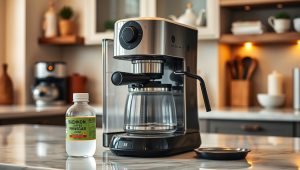
Espresso machines do not fail all at once. They fail one skipped cleaning at a time. Coffee is full of oils, and every shot you pull deposits a thin film of them on the shower screen, the group gasket, and the inside of the brew path. Left alone, that film turns rancid, then hardens into a bitter varnish that flavors every drink the machine makes. Add scale from your water on the heating side, and a machine that pulled gorgeous shots in January can taste burnt and choked by June — with nothing mechanically wrong with it at all.
The cure is not heroic effort; it is a schedule. A few seconds of rinsing daily, a backflush with proper detergent weekly, and a descale on a sensible interval will keep a home machine tasting like new for a decade. In this guide we lay out a realistic maintenance calendar for a home espresso machine, explain what each task actually accomplishes, and recommend the cleaning gear — backflush discs, tablets, and the legendary Cafiza powder — that makes the routine painless. If your shots have drifted bitter and ashy lately, work through this schedule before you blame the beans; dirty equipment sits near the top of our list of common causes of bitter espresso.
Everything below assumes a semi-automatic machine with a 54mm or 58mm group, but the logic applies to nearly any machine with a portafilter.
Quick Comparison
| Product | Price | Rating |
|---|---|---|
| Roobi 54mm Backflush Disc | $24.99 | 5.0/5 |
| 54mm Tablets + Disc Kit (12pc) | $12.99 | 4.9/5 |
| Urnex Cafiza Powder (566g) | $20.99 | 4.8/5 |
| 58mm Silicone Discs (2-Pack) | $5.49 | 4.8/5 |
| BOXOB 54mm Disc Kit (2pc) | $4.59 | 4.8/5 |
| 54mm Backflush Discs (2-Pack) | $7.12 | 4.7/5 |
Why Trust This Guide
See also: How Much Caffeine Is in a Cup of Coffee? • How to Descale a Breville Espresso Machine Step by Step
Our maintenance advice is built from daily use of home espresso equipment, manufacturer service documentation, and long-term owner reports of what actually clogs, wears, and fails. We recommend consumables we would put in our own machines, and we flag compatibility limits — group size, machine brand — rather than pretending one product fits everything.
Roobi 54mm Backflush Disc
Backflushing is the heart of weekly maintenance on a machine with a three-way solenoid valve, and it requires one humble part: a blind disc that blocks the portafilter basket so water and detergent are forced back through the group head instead of out the spouts. The Roobi disc is purpose-made for Breville’s 54mm portafilters, which covers hugely popular home machines like the one in our Barista Express BES870XL review.
What we like here is the fit. Generic discs can sit loose in Breville baskets or pop out under pressure; a disc shaped for the basket seats cleanly and seals consistently, which makes the whole backflush routine less fiddly. It costs more than bare silicone discs, so the value case rests on owning a Breville and wanting a disc that simply works every Sunday night without drama. If you own a 58mm prosumer machine instead, skip down to the 58mm option below.
54mm Tablets + Disc Kit (12pc)
This kit bundles the two things a Breville owner needs to start a real cleaning habit: a dozen espresso-machine cleaning tablets and two rubber backflush discs sized for 54mm groups. Tablets are pre-measured doses of the same alkaline detergent sold as powder, which removes the guesswork — drop one on the disc, run the cleaning cycle, rinse thoroughly, done. For people who skip cleaning because it feels like a chemistry project, pre-portioned tablets genuinely lower the barrier.
The tradeoff versus a tub of powder is cost per clean: tablets run more expensive per use, and twelve tablets at a weekly cadence is roughly three months of supply. There is also less flexibility — powder can be dosed lightly for a quick midweek flush or used to soak baskets, while tablets are all-or-nothing. As a starter kit, though, it is hard to fault: everything you need to begin a weekly routine in one inexpensive box.
Urnex Cafiza Powder (566g)
Cafiza is the espresso industry’s default cleaning detergent, the powder you will find behind the counter of most serious cafés, and the 566-gram tub is the best long-term value in this roundup by a wide margin. A backflush uses only a few grams, so one tub lasts a home user the better part of a year. Beyond backflushing, Cafiza is the right tool for soaking portafilters, baskets, and shower screens — twenty minutes in a hot Cafiza bath dissolves crusted coffee oils that scrubbing will not touch.
The tradeoffs are minor. You need to measure it (a small spoon lives in our tub), you must rinse thoroughly because it is a potent alkaline cleaner, and crucially it is a coffee-oil detergent, not a descaler — it does nothing about mineral scale, so you still need a separate descaling product on the schedule. Every espresso household should have a tub of this or an equivalent; pair it with a blind disc and your weekly routine is set.
58mm Silicone Discs (2-Pack)
Owners of 58mm machines — the standard group size on prosumer gear from Gaggia, Rancilio, Profitec, and most heat-exchanger machines — need this size rather than the 54mm Breville parts above. This two-pack of silicone cleaning discs drops into a standard 58mm basket to blank it off for backflushing, and silicone has a nice property here: it conforms slightly under pressure, sealing well even in baskets with minor wear.
At just over five dollars for two, the spare is the point. Blind discs are small, black, and live near a sink — they vanish. Having a second in the drawer means the weekly flush never gets postponed for a missing part. The only caution is the universal one for backflushing: confirm your machine has a three-way valve before you backflush at all. Machines without one (many entry-level and lever designs) should never be backflushed, so check your manual first — something we stress in our espresso machine buying guide as a spec worth knowing before purchase.
BOXOB 54mm Disc Kit (2pc)
The BOXOB kit is the budget path for 54mm Sage and Breville owners: two silicone backflush discs for under five dollars. Functionally, a blind disc is a simple part, and an inexpensive one that seals properly does the same job as a fancy one. Buying a two-pack neutralizes the lost-disc problem, and silicone tolerates heat and detergent without deforming over months of weekly cycles.
What you give up versus the Roobi is the tailored fit and a touch of stiffness — softer discs occasionally need reseating in the basket before the cycle. That is a thirty-second annoyance, not a dealbreaker. If you are assembling a complete cleaning caddy from scratch on a budget, these discs plus a tub of Cafiza will run you about twenty-five dollars and handle the brew-side routine for a year. Add a stiff group brush and you are fully equipped; our grinder cleaning brush and tools roundup covers the brushes that do double duty on grinder burrs and group heads.
54mm Backflush Discs (2-Pack)
This second 54mm two-pack is aimed squarely at Breville espresso machines and competes directly with the BOXOB kit above. Same concept: two silicone blanks, low price, weekly duty. Slight differences in thickness and rim shape between brands mean one may seat better in your particular basket, which is why owner feedback for your specific machine model is worth a skim before choosing between near-identical options.
Our practical advice: treat discs like this as consumable insurance. Inspect them every few months for nicks, swelling, or compression set around the rim — a disc that no longer seals lets detergent water sneak past instead of pressurizing the group, and the backflush quietly stops doing its job. At this price, replacing them yearly costs less than a single café latte and keeps the most important cleaning task in your schedule actually effective.
What to Look For in Espresso Machine Cleaning Supplies
The cleaning aisle is full of near-identical products with very different fits. Here is what actually matters when stocking your maintenance kit.
- Correct group size — 54mm parts for Breville/Sage home machines, 58mm for most prosumer gear. A wrong-sized blind disc will not seal, and the backflush accomplishes nothing.
- Three-way valve compatibility — Backflushing is only safe on machines with a solenoid relief valve. Verify yours has one before buying discs; if not, your routine centers on soaking and brushing instead.
- Proper espresso detergent — Use a coffee-oil-specific alkaline cleaner like Cafiza, never dish soap, which leaves residue and flavors in the brew path. Tablets trade higher cost for convenience; powder wins on value and flexibility.
- Descaler as a separate product — Detergent removes oils; descaler removes minerals. You need both on the calendar, and they are never the same product or the same task.
- Material quality — Silicone discs outlast hard rubber, tolerate boiling water, and seal in worn baskets. For brushes, look for heat-resistant bristles and a guard that keeps knuckles off the hot group.
- Honest quantities — Price per clean matters more than sticker price. A large tub of powder beats tablets on cost; a two-pack of discs beats a single on practicality.
Tips for Getting the Most Out of Your Maintenance Schedule
Anchor the routine to things you already do. Daily: wipe the steam wand the second you finish steaming and purge it, knock the puck, rinse the basket, and run a two-second water flush through the bare group to clear loose grounds. Weekly, on a fixed night: backflush with detergent — disc in the basket, half a teaspoon of Cafiza or one tablet, five cycles of ten seconds on and ten off, then the same again with plain water to rinse. Monthly: drop the shower screen, soak it with the baskets and portafilter in hot Cafiza solution, scrub the group gasket, and re-lubricate if your manufacturer calls for it. A clean brew path also makes your shots readable again — once the old varnish is gone, dialing in with our espresso ratio recipe guide gets dramatically easier because you are tasting coffee, not residue.
Descaling deserves its own paragraph because the right interval depends entirely on your water. Hard water can demand descaling every one to two months; filtered or properly remineralized soft water can stretch it to twice a year, and many machine warranties hinge on doing it correctly. Use a descaler your manufacturer approves, follow the machine’s procedure exactly, and rinse generously. Watch for the warning signs between sessions: slower flow from the group, weak steam pressure, or a brew gauge creeping away from its usual range — if you have not added a gauge to your toolkit, our espresso pressure gauge guide explains how one turns vague hunches into diagnosis.
Finally, write the schedule down and tape it inside the cupboard with the cleaning kit. Maintenance that lives in your head gets skipped; maintenance that lives on a checklist gets done. Keep all the supplies in one caddy — discs, detergent, descaler, brush, microfiber cloths — so the weekly flush never stalls on a hunt for parts. Ten minutes a week is the entire price of a machine that tastes as good in year five as it did out of the box.
Frequently Asked Questions
How often should I backflush my espresso machine?
For a home machine pulling a few shots a day, backflush with plain water a couple of times a week and with espresso detergent once a week. Cafés do it nightly, but their volume is far higher. Always finish a detergent backflush with several water-only cycles to rinse, and pull a sacrificial shot afterward to clear any last traces before you drink.
Can I backflush any espresso machine?
No. Backflushing requires a three-way solenoid valve that gives the pressurized water somewhere to go; machines without one can be damaged by the attempt. Most Breville semi-automatics and virtually all prosumer 58mm machines have the valve, but many entry-level and manual lever machines do not. Your manual is the final word — if it never mentions backflushing, do not backflush.
What is the difference between cleaning and descaling?
Cleaning targets coffee oils in the brew path using an alkaline detergent like Cafiza, and it happens weekly. Descaling targets mineral deposits in the boiler and water circuit using an acidic solution, and it happens on a schedule set by your water hardness — anywhere from monthly to twice a year. They solve different problems, use opposite chemistry, and neither substitutes for the other.
My espresso suddenly tastes bitter and ashy — is the machine dirty?
Quite possibly. Rancid coffee oil buildup on the shower screen and group is one of the most common causes of harsh, ashy shots, and it develops so gradually that owners blame the beans first. Run a full detergent backflush and a shower-screen soak, then taste again. If the harshness persists with fresh beans and clean equipment, look at grind, dose, and water temperature next.