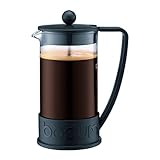
- Top Pick: Bodum 12oz Brazil French Press Coffee Maker, High-Heat Borosilicate Glass, Black – Made in Portugal
- Best Value: Bodum 34oz Pour Over Coffee Maker, High-Heat Borosilicate Glass with Reusable Stainless Steel Filter and Cork Grip – Made in Portugal
- Premium Choice: Veken French Press Coffee Maker, No Plastic Touching Cafe,34oz 1 L Cafetera
Last updated: September 4, 2026
As an Amazon Associate we earn from qualifying purchases at no extra cost to you.


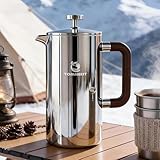
Quick Comparison
| Product | Brand | Price | Rating |
|---|---|---|---|
| Ziruma Non-Toxic French Press | Ziruma | $42.95 | 4.8/5 |
| TOMAKEIT 1L/34 Oz French Press Coffee Maker | TOMAKEIT | $24.86 | 4.8/5 |
| Small French Press Coffee Maker Set – 12 oz | Portable … | JennLee | $34.95 | 4.8/5 |
| LANTE French Press Coffee Maker | LANTE | $39.99 | 4.8/5 |
| Veken French Press Coffee Maker 34oz | Veken | $24.99 | 4.7/5 |
Introduction
See also: How to Descale a Breville Espresso Machine Step by Step • How to Make Iced Coffee at Home (Not Bitter, Not Watery)
French press and pour over are the two most popular manual coffee brewing methods among home enthusiasts, and they produce remarkably different results from the same beans. The French press excels at body and richness through full immersion; the pour over delivers clarity and brightness through controlled filtration. Knowing which method suits your palate and lifestyle helps you invest in the right gear and get the most from your beans.
What to Look For
- Flavor Profile: French press produces a full-bodied, rich, slightly textured cup with more oils and fine sediment; pour over produces a clean, bright, transparent cup that highlights delicate aromas.
- Skill Required: French press is more forgiving — steep time is the main variable; pour over demands precise water temperature, consistent pouring speed, and attention to bloom timing.
- Brew Time: French press takes 4 minutes of passive steeping; a pour over requires 3–4 minutes of active pouring, making it slightly more hands-on but equally fast overall.
Top Picks
Bodum Chambord French Press
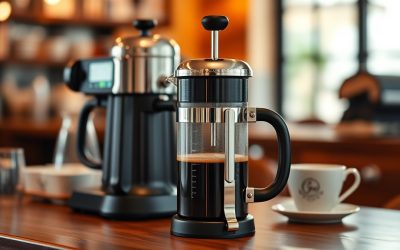
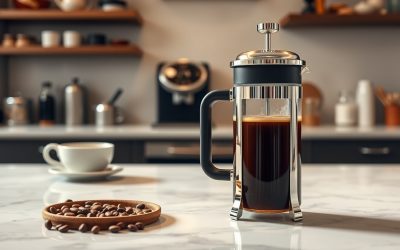
The Bodum Chambord is the most iconic French press design, combining a chrome frame, heat-resistant borosilicate glass, and a tight-fitting plunger filter. It is available in multiple sizes from 12 oz to 51 oz, and the wide-mouth carafe makes coarse-grind loading and cleaning straightforward. A reliable, beautiful, and affordable way to start with French press brewing.
Hario V60 Pour-Over Starter Set
Hario’s V60 is the preferred pour-over dripper of specialty coffee professionals worldwide. Its 60-degree cone and spiral ridges promote even extraction and excellent drainage control. The starter set includes the ceramic dripper, a range server, and a pack of V60 filters — everything you need to pull your first pour-over without hunting for compatible accessories.
Timemore Black Mirror Scale
Whichever method you choose, a precise scale makes an enormous difference. The Timemore Black Mirror offers 0.1-gram accuracy, a built-in pour-over timer, and auto-start functionality — all at a price significantly below Acaia’s premium options. Knowing your exact coffee-to-water ratio removes inconsistency from both French press and pour-over brewing.
How Each Method Shapes the Cup
French press and pour over represent two distinct philosophies of brewing, and the difference starts with how water meets coffee. The French press is an immersion method: the grounds soak fully in hot water for the entire brew, then a metal mesh plunger separates them. Because that mesh lets oils and fine particles through, French press produces a heavy-bodied, rich, textured cup with a fuller mouthfeel. Pour over is a percolation method: hot water passes through a bed of grounds and drains through a paper filter, which traps oils and fines to yield a cleaner, brighter, more delicate cup that highlights a coffee’s nuanced and aromatic qualities.
This filter difference is the heart of the contrast. The paper filter in pour over removes most of the oils that carry body, so you taste more clarity, acidity, and subtle flavor distinctions—ideal for showcasing light roasts and single origins with fruity or floral notes. The French press keeps those oils, giving a bolder, rounder, more robust cup that flatters dark roasts and drinkers who like body over brightness. Neither extracts “better”; they simply express the same beans differently, which is why many enthusiasts own both and choose based on the coffee and mood.
Which Method Should You Choose?
Practical factors beyond taste help decide between them. The French press is forgiving and simple—steep, plunge, and pour—with no special pouring skill required, making it great for beginners and for brewing multiple cups at once. It uses a coarse grind and a roughly four-minute steep, and consistency is easy to achieve. Its main downsides are sediment in the cup and a thorough cleanup of the mesh filter. Pour over demands more attention and technique: a steady, controlled pour (ideally from a gooseneck kettle), correct grind, and good timing all influence the result, rewarding practice with a refined cup but punishing carelessness.
Consider your priorities. If you want rich, full-bodied coffee with minimal fuss and the ability to brew several cups, the French press is an excellent everyday choice. If you enjoy the ritual, want a clean and nuanced single cup, and like dialing in variables, pour over is deeply satisfying. Equipment cost is modest for both. To brew each well, use a coarse grind and four-minute steep for French press, decanting promptly to stop extraction; for pour over, use a medium grind, bloom the coffee first, and pour in slow, even spirals to keep extraction uniform. Many coffee lovers keep both methods on hand for exactly these reasons.
Frequently Asked Questions
What is the main difference between French press and pour over?
French press is a full-immersion method with a metal filter that lets oils through, producing a rich, heavy-bodied cup. Pour over passes water through grounds and a paper filter that traps oils, giving a cleaner, brighter, more delicate cup. The filter type drives the difference.
Which method is easier for beginners?
The French press is generally easier—you just steep and plunge, with no pouring technique required. Pour over demands a controlled pour, correct grind, and good timing, so it has a steeper learning curve but rewards practice with a refined cup.
Why is French press coffee heavier and pour over cleaner?
French press uses a metal mesh that allows coffee oils and fine particles into the cup, adding body and texture. Pour over uses a paper filter that traps those oils and fines, producing a lighter, clearer cup that highlights subtle flavors.
What grind size does each method need?
French press uses a coarse grind to avoid sediment and over-extraction during its long steep. Pour over uses a medium grind that balances flow rate and contact time. Matching grind to method is key to good results with either.
Which method makes stronger coffee?
Strength depends mainly on your coffee-to-water ratio, not the method itself. French press tastes bolder and fuller because of the oils it retains, while pour over tastes cleaner and brighter. You can brew either strong or mild by adjusting the ratio.
Final Thoughts
If you love rich, bold, full-bodied coffee and want minimal morning effort, the French press wins. If you enjoy exploring the nuanced flavors of specialty beans and are willing to be more hands-on, pour over will reward your effort with exceptional clarity and complexity. Many serious home brewers keep both methods on hand — French press for lazy weekends, pour over when they want to taste every note in a new bag.
Ready to decide? Our #1 pick for 2026 is the Ziruma Non-Toxic French Press.
Live price & availability on Amazon.