TL;DR: Under $500 is where real espresso begins. Above this floor you get 9-bar pump pressure, non-pressurized baskets, and commercial-grade group heads — the hardware needed to actually learn espresso. Below it, you’re mostly buying convenience appliances. This list covers the best machines at this threshold.
Best Espresso Machine Under $500 (2026): Real Espresso, Not Just Strong Coffee
The $500 ceiling is the most important threshold in home espresso. It separates machines that pull real espresso — 9 bar, non-pressurized portafilter, temperature-stable group head — from steam-driven toys that produce pressurized approximations. If you’re serious about espresso, this is the bracket that matters.
As an Amazon Associate we earn from qualifying purchases.



Quick Comparison
| Product | Brand | Price | Rating |
|---|---|---|---|
| Gaggia RI9380/49 Classic Evo Pro Espresso Machine | — | $499 | 4.4/5 |
| TIMEMORE Sculptor 078S Flat Burr Coffee Bean Grinder | TIMEMORE | $799 | 4.3/5 |
| Rancilio Silvia Espresso Machine | Rancilio | $995 | 4.2/5 |
Top Picks at a Glance
See also: How to Replace Espresso Machine Water Filter (2026): Step-by-Step • How to Adjust Espresso Machine Brew Temperature (2026): Step-by-Step

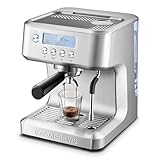
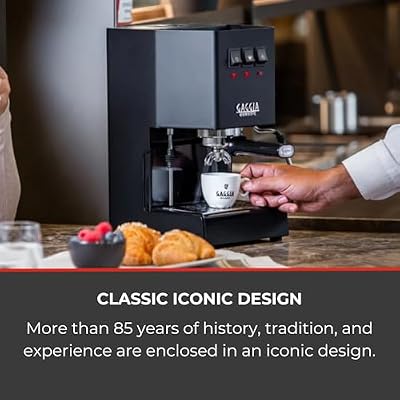
Gaggia RI9380/49 Classic Evo Pro Espresso Machine, Thunder Black, Small



As an Amazon Associate we earn from qualifying purchases. Product prices and availability are accurate as of the date/time indicated.

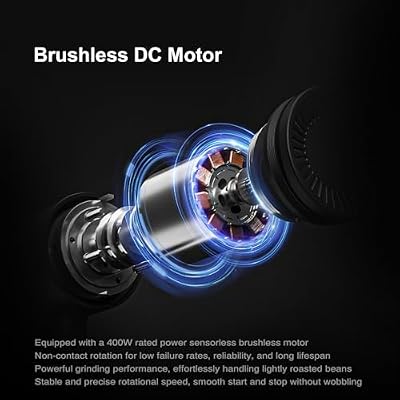
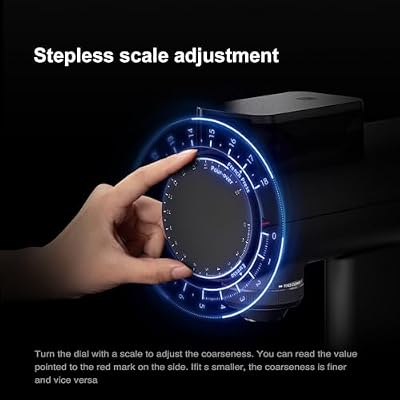
TIMEMORE Sculptor 078S Flat Burr Coffee Bean Grinder, Electric Espresso Grinder with Stepless Coarseness Adjustment, Suitable for Espresso, Pour over, French Press, Cold Brew - Black




As an Amazon Associate we earn from qualifying purchases. Product prices and availability are accurate as of the date/time indicated.

Rancilio Silvia Espresso Machine, Stainless Steel


As an Amazon Associate we earn from qualifying purchases. Product prices and availability are accurate as of the date/time indicated.
What $500 Actually Gets You
At the $500 price point, the Gaggia Classic Evo Pro stands essentially alone as the value benchmark. It ships with a commercial-grade 58mm group head — the same diameter as professional machines — which means standard commercial accessories (tampers, baskets, portafilters) fit directly. The brass group head provides thermal mass that stabilizes brew temperature far better than the aluminum or plastic group heads found in cheaper machines.
The Evo Pro update over the original Classic Pro brought improved steam wand geometry and better thermal regulation. It’s not a superautomatic — you still grind, dose, tamp, and time your shots manually. That’s the point. This machine teaches you espresso.
Gaggia Classic Evo Pro: Full Breakdown
What Works
The group head is the machine’s core strength. Brass mass absorbs and holds heat in a way that cheap machines cannot replicate. Paired with a quality grinder and basic temperature surfing (running a blank shot through the group to stabilize temp before pulling), you can achieve remarkably consistent shot temperatures.
The steam wand is commercial in form: single-hole tip (upgradeable to 4-hole aftermarket), manual steam valve, full rotation. It can texture milk to genuine microfoam with practice. Budget machines with panarello wands produce foam, not microfoam — the difference is visible and tasteable in latte art and mouthfeel.
Longevity: Gaggia Classic machines have been in continuous production since 1977. The Evo Pro uses largely the same internals as machines from the 1990s, with a massive global parts ecosystem. Repair guides are everywhere. This machine can last 20–30 years with basic maintenance.
What to Know Before Buying
The Classic Evo Pro is a manual machine. It has no grinder, no automatic dosing, no milk frother button. You need a quality burr grinder — budget at least $150–200 minimum for an entry grinder, more for a dedicated espresso grinder. The machine and grinder together is the system. The grinder is not optional equipment.
Temperature stability, while better than predecessors, still benefits from PID modification — an aftermarket controller that precisely regulates boiler temperature. The PID mod is popular in the Gaggia community and adds $50–80 to total cost. Many users pull excellent shots without it; others find it worth the upgrade.
Spec Comparison: Under $500 vs. Mid-Range
| Feature | Gaggia Classic Evo Pro ($499) | Rancilio Silvia ($995) |
|---|---|---|
| Group head | 58mm brass commercial | 58mm commercial steel |
| Pump pressure | 9 bar (OPV set) | 9 bar |
| Boiler type | Single boiler | Single boiler (larger) |
| Boiler size | 300 ml | 300 ml |
| Steam wand | Commercial (improved Evo) | Commercial, articulating |
| PID standard | No (mod available) | No (mod available) |
| Weight | 8.5 kg | 14 kg |
| Portafilter | 58mm | 58mm |
| Longevity | 15–25 years | 20–30 years |
For the full head-to-head comparison with product research, see our rancilio silvia vs gaggia classic pro. Both machines use the same portafilter size, so a grinder upgrade serves both.
What to Budget for the Full Setup
| Component | Budget option | Recommended |
|---|---|---|
| Espresso machine | Gaggia Classic Evo Pro — $499 | Same |
| Grinder | Baratza Sette 270 — ~$200 | TIMEMORE Sculptor 078S — $799 |
| Tamper | Included basic | Calibrated 58mm — ~$30 |
| Distribution tool | Optional | WDT tool — ~$15 |
| Scale | Any 0.1g kitchen scale — ~$20 | Decent Espresso Scale — ~$50 |
| Gooseneck kettle (for pour-over pairing) | — | Cocinare — $70 |
The Grinder Investment Reality
The TIMEMORE Sculptor 078S costs more than the Gaggia Classic Evo Pro. That sounds backwards. It isn’t. The espresso community has long understood that the grinder determines shot quality more than the machine at the entry-to-mid level. A $200 grinder on a $499 machine outperforms a $800 machine with a $50 grinder.
Flat burr geometry produces the particle consistency that espresso extraction demands. If budget requires compromise, accept a longer upgrade path on the machine before cutting grinder quality. For the full breakdown on burr types and their impact, see our guide to Burr Coffee Grinder Best.
Who Should Buy at This Price Point
Ideal buyer: home barista who has already made espresso and wants to learn properly, or a coffee enthusiast stepping up from pod machines or moka pots. The Gaggia Classic Evo Pro is the entry point for real espresso education. If you know you’ll be pulling shots daily for years, this machine’s longevity and upgradability justify the full-system investment. For a broader overview of the home espresso machine landscape, see our learn about best espresso machine home.
Frequently Asked Questions
Is $500 enough to make real espresso at home?
Yes — the Gaggia Classic Evo Pro at $499 uses a commercial 58mm group head and genuine 9-bar pump pressure. That’s real espresso hardware. The caveat: you need a quality grinder separately. Machine plus grinder total will land you $650–1300 depending on grinder choice. But the espresso quality is legitimate at this investment level.
Do I need a grinder if I buy an espresso machine under $500?
For the Gaggia Classic Evo Pro: yes, a separate grinder is required. The machine ships with a portafilter and baskets but no grinder. Pre-ground coffee works in a technical sense but stales rapidly and rarely matches the grind size your machine needs. A grinder is the most impactful add-on purchase you can make.
What’s the difference between a pressurized and non-pressurized portafilter?
Pressurized portafilters have a spring-loaded valve in the basket that artificially restricts flow, making the machine work with pre-ground or inconsistently ground coffee. They produce crema from CO2 pressure rather than true emulsification. Non-pressurized (standard) baskets directly expose the puck to water pressure — they require proper grind and tamping but produce genuine crema and allow full extraction control. The Gaggia Classic Evo Pro uses non-pressurized baskets (with a pressurized basket included as optional).
How long does a Gaggia Classic Evo Pro last?
Genuinely 20+ years with basic maintenance. The original Gaggia Classic design dates to 1977. Parts are globally available, repair communities are extensive, and the machine is designed to be fully user-serviceable. Common maintenance: descale every 2–3 months, replace group head gasket annually, replace steam wand O-rings as needed. Total maintenance cost over 10 years is typically under $100.
What espresso machine should I upgrade to from the Gaggia Classic?
The Rancilio Silvia is the natural next step — same 58mm portafilter size, larger boiler, heavier commercial-grade construction, better thermal stability. At $995, it’s the benchmark semi-commercial home machine. The accessories and skills you develop on the Gaggia transfer directly. See our full comparison: the head-to-head breakdown.
Ready to decide? Our #1 pick for 2026 is the Gaggia RI9380/49 Classic Evo Pro Espresso Machine.
Live price & availability on Amazon.