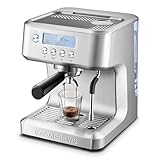
- Top Pick: Normcore 58mm 3-in-1 Portafilter Fits E61 Machines, Bottomless/Spouted
- Best Value: 54mm Stainless Steel Portafilter Spout Bottomless to Spouted Coffee Machine Portafilter Spout 304 Stainless Steel with O Rings (Double Spout)
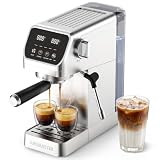
- Premium Choice: Portafilter Spout, 54mm Single and Double Bottomless to Spouted Coffee Machine Spout with 6 Sealing O Rings, 304 Stainless Steel Spout for Bottomless Portafilters, Espresso (Single Spout)
As an Amazon Associate we earn from qualifying purchases at no extra cost to you. Product prices and availability are accurate as of the date shown and are subject to change.


TL;DR: Bottomless portafilters expose your extraction — revealing channeling, uneven tamp, bad grind — making them the barista’s best diagnostic tool. Spouted portafilters are forgiving, easier to clean, and better for beginners. If you’re dialing in espresso seriously, go bottomless. If you just want shots fast, stick spouted.
Bottomless Portafilter vs Spouted: Which One Should You Use?
You’ve landed on this page because you’re staring at your espresso machine wondering: does the portafilter actually matter? The answer is yes — and it’s one of the most underrated upgrades in home espresso. The choice between a bottomless portafilter and a spouted portafilter changes not just how you pull shots, but how fast you improve as a home barista.
This guide breaks down exactly what each style does, who it’s for, and when to switch. We’ve pulled shots with both on machines from entry-level to prosumer — here’s what we found.
- Quick Comparison
- What Is a Bottomless Portafilter?
- What Is a Spouted Portafilter?
- Side-by-Side Comparison
- Top Picks: Bottomless & Spouted Portafilters
- When to Choose Bottomless
- When to Stick With Spouted
- Compatibility: Does It Fit Your Machine?
- The Upgrade Path
- Frequently Asked Questions
- Final Verdict
- About the Author
Quick Comparison
| Product | Brand | Price | Rating |
|---|---|---|---|
| Normcore 54mm Bottomless Portafilter | NORMCORECOFFEETOOLS | $69.99 | 4.4/5 |
| Normcore 51mm Naked Bottomless Portafilter 2 Ears Fits … | NORMCORECOFFEETOOLS | — | 4.4/5 |
| Normcore 58mm E61 Naked Portafilter for Lelit | NORMCORECOFFEETOOLS | $69.99 | 4.4/5 |
| 51mm Bottomless Portafilter 2 Ears for Delonghi ECP3420… | CAPFEICOFFEETOOLS | $25.99 | 4.1/5 |
| CREMA Coffee Products 54mm Bottomless Naked Portafilter… | CremaCoffeeProducts | $89 | 4.4/5 |
What Is a Bottomless Portafilter?
See also: How to Replace Espresso Machine Water Filter (2026): Step-by-Step • How to Adjust Espresso Machine Brew Temperature (2026): Step-by-Step
A bottomless portafilter (also called a naked portafilter) has no spout — the basket is exposed on the bottom. Espresso flows directly from the filter basket into your cup. You can watch every millimeter of the extraction happen in real time: where the flow starts, how it develops, whether it fans evenly or channels to one side.
That visibility is the entire point. Every flaw in your technique shows up immediately — and that’s exactly why it’s a training tool as much as a brewing tool. Check out our espresso grind size guide — dialing in grind is 10x easier when you can see the extraction live.
What Is a Spouted Portafilter?
Spouted portafilters — single or double spout — are the factory standard. Espresso passes through the basket, hits the internal divider, and flows out one or two spouts. The spout hides what’s happening inside. You get a neater pour, less splashing, and easier cup placement. Most home espresso machines ship with a double-spout portafilter.
Spouted portafilters are also more forgiving. Minor channeling or uneven distribution gets partially masked. Not ideal for learning, but great when you want consistent, fuss-free shots. Pair with a good espresso tamper and you’re set.
Side-by-Side Comparison
| Feature | Bottomless Portafilter | Spouted Portafilter |
|---|---|---|
| Extraction visibility | Full — every detail visible | None — hidden inside |
| Channeling feedback | Immediate, obvious | Masked, delayed feedback |
| Mess potential | Higher if technique is off | Low — contained pour |
| Cleaning | Easier (no internal spout) | Harder (spout accumulates oils) |
| Best for | Learning, dialing in, espresso nerds | Daily convenience, beginners |
| Dual-cup capability | No | Yes (double-spout models) |
| Crema appearance | Slightly more dispersed | More concentrated look |
| Price | Usually $20–$60 aftermarket | Usually included with machine |
Top Picks: Bottomless & Spouted Portafilters
These are our top recommended portafilters across different machine compatibility ranges:
When to Choose Bottomless
Go bottomless if you’re actively trying to improve your espresso technique. If your shots taste inconsistent — sometimes sour, sometimes bitter — and you can’t figure out why, a bottomless portafilter will show you exactly what’s wrong within the first pull. Channeling (espresso boring through one spot rather than flowing evenly) is invisible with a spouted portafilter but painfully obvious through a naked basket.
Also useful: when you’re testing new beans, a new grinder, or experimenting with ristretto vs lungo ratios. The visual feedback speeds up your learning curve dramatically. Combine it with a precision coffee scale to log your results.
When to Stick With Spouted
Spouted portafilters make more sense when you pull two cups simultaneously — the double-spout design fills two demitasse cups at once. If you’re making drinks for two people every morning, the convenience is real. Beginners also benefit from the forgiveness: you’re not getting a splatter of espresso across your counter when technique isn’t perfect yet.
Cleaning-wise, the basket is the same — but the spout itself accumulates rancid coffee oils over time. If you do use a spouted portafilter, backflush and soak the spout weekly. One area spouted portafilters shine: milk-based drinks. The concentrated spout flow works well for directly filling a milk frothing pitcher without splashing.
Compatibility: Does It Fit Your Machine?
Portafilter compatibility is determined by two things: group head diameter and basket size. The most common sizes:
- 58mm — commercial standard; used by Rancilio, ECM, Rocket, La Marzocco, and most prosumer machines
- 54mm — Breville Barista Express, Barista Pro, Breville Dual Boiler
- 53mm — older Gaggia machines
- 51mm — entry-level machines including DeLonghi Dedica series
Always verify your machine’s group head size before buying. Most aftermarket bottomless portafilters list compatible machines explicitly. If you’re on a Breville, check our full Breville Barista Express review for portafilter upgrade notes. Rancilio users, see our Rancilio Silvia vs Gaggia Classic comparison.
The Upgrade Path
Many home baristas start spouted and upgrade to bottomless after 6–12 months once they want to push their technique further. That’s a logical path. You don’t need a bottomless portafilter on day one — but once you’re grinding fresh, tamping consistently, and still getting inconsistent shots, it’s the fastest diagnostic tool available at under $40.
If your machine is in the sub-$500 range, a bottomless portafilter upgrade often costs less than $30 and delivers more learning value than any other single accessory purchase.
Frequently Asked Questions
Does a bottomless portafilter make better espresso?
Not directly — it exposes flaws that, once fixed, produce better espresso. The portafilter itself doesn’t change flavor. Your improved technique does. Think of it as a mirror, not a magic wand.
Why does my bottomless portafilter spray everywhere?
Channeling. Espresso is finding a weak spot in your puck — usually caused by uneven distribution, poor tamping, or grind that’s too coarse. A WDT tool or distribution tool fixes most channeling issues within a few shots.
Can I use a bottomless portafilter for milk drinks?
Yes, though aim carefully — the wider flow can splash into your milk pitcher. Some baristas prefer to pull the shot first into a separate cup, then transfer. Once your technique is consistent, direct pouring into a pitcher works fine.
What basket should I use with a bottomless portafilter?
IMS, VST, or Pullman precision baskets are the most popular upgrades. They have more consistent hole drilling than stock baskets, producing more even extractions. The basket matters as much as the portafilter body itself.
Is a bottomless portafilter harder to use?
No harder to operate — just more revealing. The technique required is identical. What changes is that bad technique becomes immediately visible. For most people, that visibility accelerates improvement rather than making it harder.
Final Verdict
The bottomless vs spouted debate isn’t about which one makes better espresso by default — it’s about your goals. Spouted portafilters are convenient, beginner-friendly, and work perfectly for daily home use. Bottomless portafilters are the fastest way to learn what your shots are actually doing and fix extraction problems at the source.
For most home baristas serious about their espresso, we recommend starting spouted, then switching to bottomless once you’re ready to actively dial in. Keep the spouted portafilter for quick morning pulls when you don’t want to think — use the bottomless when you’re experimenting. Having both costs less than $50 total and covers every scenario.
Ready to go deeper? See our full guide on best home espresso machines for 2026 and our best burr grinder picks — the grinder matters far more than the portafilter when it comes to shot quality.
Ready to decide? Our #1 pick for 2026 is the Normcore 54mm Bottomless Portafilter.
Live price & availability on Amazon.