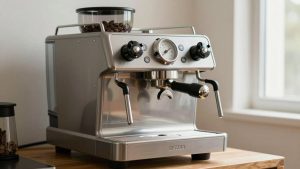
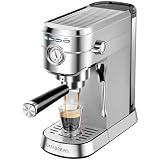
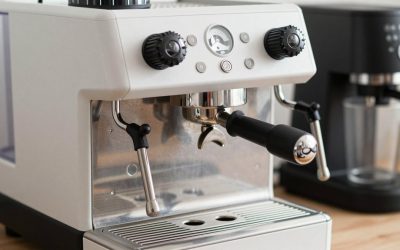
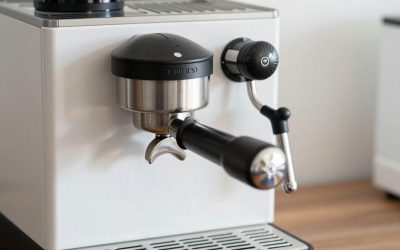
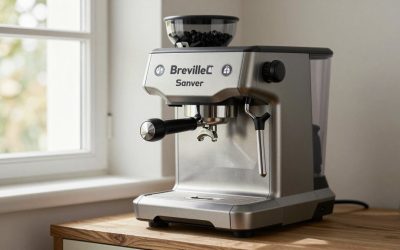
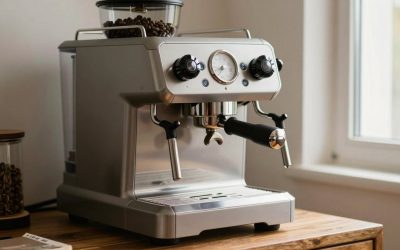
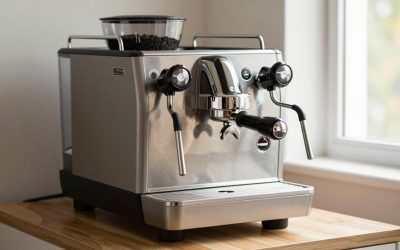
- Top Pick: CASABREWS CM5418 Compact Espresso Machine with Milk Frothing Steam Wand
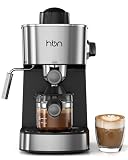
- Best Value: AMZCHEF Espresso Machine With Grinder, Temp Control, 44 Grind Settings
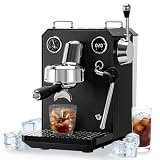
- Premium Choice: AIRMSEN 20 Bar Espresso Machine with Automatic Milk Frother, Cappuccino & Latte Coffee Maker with Quick Brew Dual Boiler (1350W + 1000W), Stainless Steel, 60oz Water Tank, Touchscreen
Last updated: October 21, 2026
A great latte is two skills in one cup: a properly extracted espresso shot and milk steamed into glossy, paint-like microfoam. That means the best espresso machine for lattes is not necessarily the best espresso machine overall — it is the machine with the best steam system you can afford. Plenty of machines pull a respectable shot at the classic 1:2 ratio in 25 to 30 seconds, but far fewer can texture milk to the silky 140 to 150 degree Fahrenheit sweet spot where lactose tastes sweetest and foam pours smoothly enough for latte art. In this guide we round up the machines that get both halves right, from Breville’s beloved all-in-one Barista Express to De’Longhi’s milk-focused lineup, with picks for tight budgets, tiny counters, and households that want their cappuccino with zero learning curve. Every machine here was chosen with the milk drinker in mind: steam power, wand control, recovery time between shot and steam, and how forgiving the workflow is on a busy weekday morning.
As an Amazon Associate we earn from qualifying purchases at no extra cost to you.


🛒 Best Price Today on Amazon
Prime members get fast, free shipping on everything above, plus member-only deals. New members get a 30-day free trial — cancel anytime.
Top Picks: Best Espresso Machines for Lattes and Cappuccinos
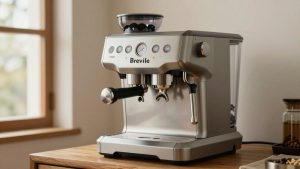
1. Breville Barista Express BES870XL — Best Overall
The Barista Express remains the default answer for a reason: it bundles a genuinely good conical burr grinder, a 15-bar pump with low-pressure pre-infusion, and a powerful manual steam wand into one machine. The wand produces true microfoam — tight, glossy, and pourable — once you learn to position the pitcher, and the learning curve is the fun kind. For latte drinkers it is the most complete package at its price, since grind freshness affects milk drinks just as much as straight shots.
2. Breville Bambino BES450BSS — Best Compact
The Bambino is the small-kitchen latte hero. Its ThermoJet heating system reaches brewing temperature in about three seconds, and crucially it steams with the same quick recovery, so a two-latte morning takes minutes. The automatic steam function can texture milk for you, or you can drive the wand manually as your technique improves. You supply your own grinder, but as a dedicated shot-and-steam station it is astonishingly capable for its footprint.
3. De’Longhi Dedica EC680M — Best Slim Budget Pick
At under six inches wide, the Dedica fits where no other pump machine will, and its panarello-style frother makes thick, foamy milk with essentially no technique required. Cappuccino lovers will be happy out of the box; latte-art aspirants can unscrew the panarello sleeve to expose a bare steam tip for more control. It is the gateway machine: real 15-bar espresso and hot, sweet milk for the price of a few months of coffee-shop lattes.
4. De’Longhi La Specialista EC9155MB — Best Milk System
The La Specialista brings a built-in grinder with dose control and De’Longhi’s My LatteArt steam wand, which stays cool to the touch and delivers consistent, silky foam with minimal practice. Dual heating systems mean the machine holds brew and steam readiness simultaneously, so there is no waiting between pulling the shot and steaming the milk — a real workflow advantage when you are making drinks for two.
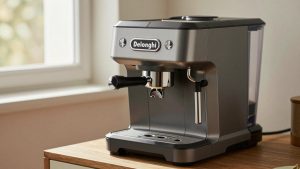
5. De’Longhi ECP3630 — Best Under-Budget Workhorse
The ECP3630 is the proof that you do not need to spend big for daily lattes. Its 15-bar pump pulls a solid shot through pressurized baskets that are forgiving of pre-ground coffee, and the adjustable Advanced Cappuccino System frother lets you choose between a drier cappuccino foam and the wetter, pourable milk a latte wants. It is simple, compact, and durable — a sensible first machine or office machine.
What Actually Matters in a Latte Machine
See also: How to Descale an Espresso Machine: Citric Acid vs Vinegar • Best Electric Kettles: Ten Glass, Steel and Gooseneck Picks Compared
Steam power and wand control matter more than pump bragging rights. Every machine here exceeds the roughly 9 bars of pressure espresso actually brews at, so ignore the 15-versus-20-bar marketing and look at the milk side. A manual wand with good steam pressure (Barista Express, Bambino, La Specialista) gives you the ceiling: with practice you will pour rosettas. A panarello or automatic frother (Dedica, ECP3630) gives you the floor: thick, hot foam on day one, but less texture control. Second, recovery time — single-thermoblock machines need a pause between brewing and steaming, while the Bambino’s ThermoJet and the La Specialista’s dual heating eliminate the wait. Third, the grinder question: milk hides some sins, but a fresh, consistent grind still separates a sweet, caramel-toned latte from a flat one. If your machine lacks a grinder, budget for a burr model — our DF64 single dose grinder review covers a favorite, and our roundup of the best espresso machines with built-in grinders compares the all-in-one route. Capacity matters too: if you make three or more milk drinks back to back, consider stepping up to one of the best super-automatic espresso machines, which automate the whole process.
How to Steam Milk for a Proper Latte
Technique turns a good machine into great lattes. Start with cold milk in a chilled pitcher, filled just below the spout base. Purge the wand, then position the tip just under the surface, slightly off-center, and open the steam fully: you want two to three seconds of gentle paper-tearing hiss to stretch the milk, adding fine bubbles. Then sink the tip deeper to roll the milk in a whirlpool, which polishes those bubbles into uniform microfoam. Stop when the pitcher reads 140 to 150 degrees Fahrenheit — beyond about 160 the milk’s sweetness fades and the texture coarsens. A dedicated thermometer removes the guesswork; see our picks for the best milk frothing thermometers. Tap the pitcher, swirl until the surface looks like wet paint, and pour. Oat milk drinkers should read our guide to the best oat milk for latte art, since barista blends steam dramatically better than regular cartons. If you ever wonder how your drink differs from its cousins, our explainers on flat white vs latte and how to make a latte macchiato break down the ratios.
Machine Care for Milk Drinkers
Milk is the messiest thing you will ever put near an espresso machine, and steam wands clog fast if neglected. Purge the wand immediately after every steam, wipe it with a damp cloth before the milk bakes on, and once a week soak the tip in hot water or a milk-system cleaner. Backflush machines with three-way valves regularly, descale on schedule — our guide on how to descale an espresso machine walks through it — and start with decent water, which our espresso water quality guide covers in detail. Five minutes of weekly care keeps steam pressure strong, and strong steam is the difference between microfoam and bubble bath. New to espresso entirely? Begin with our primer on what espresso is before you start chasing latte art.
Frequently Asked Questions
What is the best espresso machine for lattes for beginners?
The De’Longhi Dedica or ECP3630 are the gentlest starting points because their frothers make thick, hot milk foam without technique. If you want room to grow into latte art, the Breville Bambino’s automatic steam mode plus manual wand option offers the best of both worlds in a compact package.
Do I need a separate milk frother if my machine has a steam wand?
No — a steam wand makes better latte milk than any standalone frother, because steam heats and textures simultaneously, producing true microfoam. Standalone electric frothers are a convenience for machines without wands or for cold foam, but for classic lattes the wand wins.
What milk temperature is best for a latte?
Steam milk to 140 to 150 degrees Fahrenheit. In that range milk tastes sweetest and the foam stays glossy and pourable. Above roughly 160 degrees the proteins break down, sweetness drops, and the texture turns stiff and bubbly.
Is a latte just espresso and milk?
Essentially yes: a standard latte is one or two shots of espresso with steamed milk and a thin layer of microfoam, typically in a 1:3 to 1:5 coffee-to-milk ratio. A cappuccino uses the same ingredients with much more foam, and a flat white uses less milk with an ultra-thin microfoam layer.
How much caffeine is in a latte?
A latte made with a single espresso shot contains roughly 63 milligrams of caffeine, and a double-shot latte about 126 milligrams. The milk adds no caffeine, so a latte actually contains less caffeine than a typical 12-ounce drip coffee.