- Top Pick: QHH Cold Brew Coffee Maker, 64 oz Mason Jar Pitcher with Stainless Steel Filter, Pour Spout Handle Lid, Airtight & Leak-Proof for Iced Coffee,Tea & Lemonade
- Best Value: Nitro Cold Brew Keg, 64oz Stainless Steel Nitro Cold Brew Coffee Maker
- Premium Choice: Snap! 5 Gallon Commercial Cold Brew Coffee Maker, Dual Filtration

TL;DR: Cold brew at home takes 12–24 hours but costs a fraction of cafe prices. You need coarse-ground coffee, cold water, a container, and a filter — nothing else. This guide covers gear, ratios, steep times, and the common mistakes that ruin batches.
Cold Brew Coffee Home Setup: Gear, Ratios, and the Method That Actually Works
Cold brew is the slowest brewing method in home coffee and also the most forgiving — no temperature precision, no pour technique, no crema anxiety. Coarse grounds, cold water, time. But “easy” doesn’t mean everyone gets it right. Wrong ratios, warm water, too-fine a grind, or the wrong steep window each produce batches worth pouring down the drain. This guide covers every variable of a cold brew coffee home setup so your first batch is also your best batch.
As an Amazon Associate we earn from qualifying purchases at no extra cost to you. Product prices and availability are accurate as of the date shown and are subject to change.


- Quick Comparison
- Top Picks at a Glance
- What Cold Brew Actually Is (And What It Isn’t)
- Cold Brew Home Setup: What You Actually Need
- The Core Cold Brew Ratio
- Step-by-Step Cold Brew Method
- Cold Brew Steep Time by Roast
- Grind Size: The Most Skipped Variable
- Common Cold Brew Mistakes
- Cold Brew at Home vs Espresso: Different Tools, Different Goals
- Frequently Asked Questions
- About the Author
Quick Comparison
| Product | Brand | Price | Rating |
|---|---|---|---|
| TIMEMORE Sculptor 078S Flat Burr Coffee Bean Grinder | TIMEMORE | $799 | 4.3/5 |
| Cocinare Gooseneck Electric Kettle | Cocinare | $79.99 | 4.4/5 |
| Gaggia RI9380/49 Classic Evo Pro Espresso Machine | — | $499 | 4.4/5 |
Top Picks at a Glance
See also: How to Replace Espresso Machine Water Filter (2026): Step-by-Step • How to Adjust Espresso Machine Brew Temperature (2026): Step-by-Step

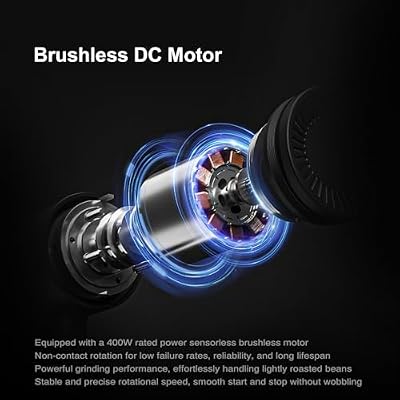
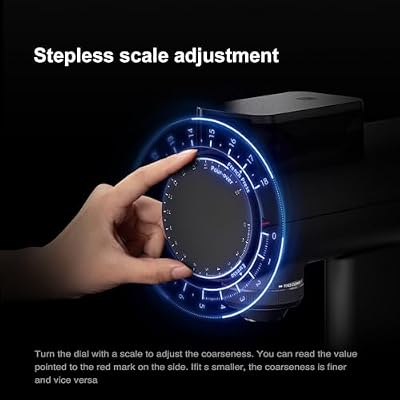
TIMEMORE Sculptor 078S Flat Burr Coffee Bean Grinder, Electric Espresso Grinder with Stepless Coarseness Adjustment, Suitable for Espresso, Pour over, French Press, Cold Brew - Black




As an Amazon Associate we earn from qualifying purchases. Product prices and availability are accurate as of the date/time indicated.

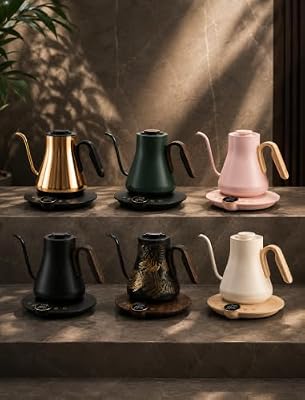
Cocinare Gooseneck Electric Kettle, ±1°F Precise Temperature Control, 1500W Fast Heating, Pour Over Coffee & Tea Kettle with Brew Timer & Keep Warm, Stainless Steel, 0.9L (Delacroix Green)



As an Amazon Associate we earn from qualifying purchases. Product prices and availability are accurate as of the date/time indicated.

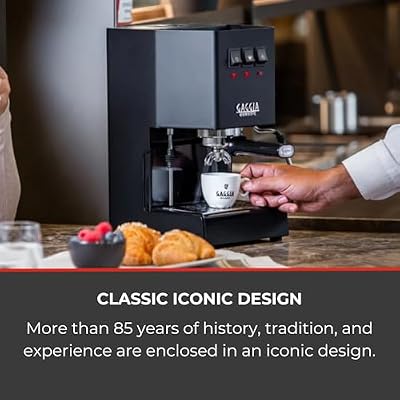
Gaggia RI9380/49 Classic Evo Pro Espresso Machine, Thunder Black, Small



As an Amazon Associate we earn from qualifying purchases. Product prices and availability are accurate as of the date/time indicated.
What Cold Brew Actually Is (And What It Isn’t)
Cold brew is not iced coffee. Iced coffee = hot-brewed coffee poured over ice. Cold brew = coffee steeped in cold or room-temperature water for 12–24 hours with zero heat involved. The low temperature slows extraction radically, which is why steep time is measured in hours, not minutes.
The result: lower acidity, naturally sweeter taste, heavier body. Cold brew also concentrates caffeine — a standard concentrate ratio is 1:4 coffee to water, which you then dilute 1:1 to drink. Undiluted cold brew concentrate can hit 2–3x the caffeine of a regular cup.
Cold Brew Home Setup: What You Actually Need
| Item | Minimum | Better Option |
|---|---|---|
| Container | Mason jar or pitcher | Dedicated cold brew maker with filter built in |
| Filter | Cheesecloth + fine mesh strainer | Reusable nylon filter bag or paper coffee filters |
| Grinder | Any burr grinder set coarse | TIMEMORE Sculptor 078S for consistency |
| Scale | Kitchen scale (grams) | Coffee-specific scale with 0.1g resolution |
| Storage | Any sealed jar | Glass carafe with lid, refrigerator-safe |
The grinder matters more than the container. Coarse, consistent grounds steep evenly — blade-ground or inconsistent burr grounds produce a batch with over-extracted fines and under-extracted chunks simultaneously. See our burr coffee grinder best for grinders at every price point.
The Core Cold Brew Ratio
Cold brew ratio is measured by weight, not volume. Volume measurements are inconsistent across grind sizes and coffee origins.
| Ratio | Result | Typical Use |
|---|---|---|
| 1:4 (1g coffee : 4g water) | Strong concentrate | Dilute 1:1 before serving |
| 1:8 | Medium-strength concentrate | Drink straight over ice |
| 1:12 | Standard brew strength | Ready-to-drink, no dilution |
Most commercial cold brew (Stumptown, Blue Bottle, Chameleon) is brewed at 1:4–1:5 and sold as concentrate. If your first batch tastes weak, increase coffee dose before extending steep time.
Step-by-Step Cold Brew Method
- Weigh coffee: 100g for 400ml concentrate (1:4 ratio), or scale to your container size
- Grind coarse: Target coarser than French press — large, irregular chunks. On most burr grinders this is 7–9 on a 10-point scale
- Add to container: Filter bag, French press, or directly into jar
- Pour cold water: Use filtered cold water. Tap water works if your tap water tastes neutral
- Stir gently: Ensure all grounds are saturated. Dry pockets = uneven extraction
- Cover and refrigerate: 12–18 hours for light roasts; 14–24 hours for dark roasts
- Filter: Pour through fine mesh + paper filter or nylon bag. Do not squeeze — squeezing forces fines through
- Store: Refrigerate sealed for up to 2 weeks. Taste peaks at 3–5 days
For a faster alternative, see our Chemex guide which covers flash-brew cold coffee methods that cut time to under 5 minutes.
Cold Brew Steep Time by Roast
| Roast Level | Recommended Steep | Notes |
|---|---|---|
| Light roast | 16–20 hours | Needs longer extraction; under-extraction = sour |
| Medium roast | 14–18 hours | Most forgiving; sweet spot is 16 hours |
| Dark roast | 12–14 hours | Over-extraction happens fast; bitter at 20+ hours |
| Decaf | 16–22 hours | Soluble compounds differ; needs extended contact |
Grind Size: The Most Skipped Variable
Cold brew is tolerant of many mistakes but not grind inconsistency. A blade grinder produces a wide distribution of particle sizes — some extract in 4 hours, some never fully extract in 24. The result is a muddy, simultaneously sour-and-bitter cup.
The TIMEMORE Sculptor 078S uses 78mm flat burrs that produce an exceptionally uniform coarse grind — the distribution curve that cold brew rewards. It’s a premium investment, but paired with an espresso machine like the learn about best espresso machine home, one grinder handles every brew method in your kitchen. See our grinder vs pre-ground test for extraction data.
Common Cold Brew Mistakes
| Mistake | Result | Fix |
|---|---|---|
| Grind too fine | Over-extracted, bitter, muddy | Coarser grind, shorter steep |
| Steep at room temp (warm) | Sour, fermented taste | Refrigerate entire steep |
| Steep too short | Weak, sour | Add 2–4 hours, or increase coffee dose |
| Squeeze filter bag | Fines in cup, bitter finish | Let it drip naturally — gravity filter only |
| No ratio measurement | Inconsistent batch to batch | Weigh coffee and water every time |
Cold Brew at Home vs Espresso: Different Tools, Different Goals
Cold brew serves a specific need: low-acid, low-effort, batch-brewed coffee you can pull from the fridge all week. Espresso serves the opposite need: precision, heat, pressure, immediacy. Many serious home baristas run both setups. The grinder is the shared tool — dial coarse for cold brew, fine for espresso. The Rancilio Silvia Vs Gaggia Classic Pro is the next read if you’re building a dual setup.
Frequently Asked Questions
How long does cold brew coffee last at home?
Properly filtered cold brew concentrate keeps 10–14 days refrigerated in a sealed container. Ready-to-drink diluted cold brew (1:8–1:12) lasts 7–10 days. Taste degrades gradually — the first 3–5 days are peak. After day 10, oxidation makes the flavor flat and stale even if it’s technically safe to drink.
What coffee bean is best for cold brew at home?
Medium to dark roasts from Central and South America — Brazil, Colombia, Guatemala — produce the smoothest cold brew. Natural processed beans add sweetness and fruit notes that come through beautifully cold. Light roasts work but need longer steep and taste more tea-like than coffee-like. Single-origins from Ethiopia produce unique floral cold brew but require precise steeping.
Does cold brew coffee have more caffeine than hot coffee?
Cold brew concentrate does — because you use more coffee per unit water (1:4 vs 1:15 for drip). Diluted 1:1 before drinking, the caffeine per cup is roughly comparable to drip coffee, sometimes slightly higher. The slow, cold extraction doesn’t destroy caffeine the way extended hot brewing can. Don’t drink cold brew concentrate undiluted unless you want the caffeine equivalent of 2–3 espresso shots.
Can I make cold brew coffee at room temperature instead of the fridge?
Yes, but cut steep time to 8–12 hours and watch closely. Room temperature speeds extraction — useful if you forgot to start a batch the night before. The risk: fermentation begins at room temp after 14–16 hours, producing sour, off-flavor coffee. Refrigerator steep is safer and produces a cleaner cup for most recipes.
What is the best coffee-to-water ratio for cold brew at home?
Start with 1:8 (1g coffee per 8ml water) for a drinkable-strength batch, or 1:4 for concentrate. Measure by weight — volume measurements are unreliable. If your first batch tastes weak, add more coffee on the next batch before extending steep time. Increasing dose has more impact on flavor than adding hours.
Building a full home espresso bar? Start with our espresso machines under $500 guide and our moka pot brewing guide for a complete picture of what’s possible at home.
Ready to decide? Our #1 pick for 2026 is the TIMEMORE Sculptor 078S Flat Burr Coffee Bean Grinder.
Live price & availability on Amazon.