TL;DR: Single origin coffee beans are traceable to one farm, region, or cooperative — not a blend. They reward good technique with distinct terroir flavor that blends can’t match. Tutorial below covers sourcing, roast levels, and brew method matching so you stop wasting exceptional beans on poor pairings.
Single Origin Coffee Beans: Complete Guide to Sourcing, Roasting & Brewing
Single origin coffee beans are the clearest way to taste what geography, processing, and cultivation actually do to a cup. One farm in Yirgacheffe brews nothing like one farm in Antioquia — same plant species, entirely different flavor. This guide teaches you to source well, match roast to brew method, and extract the most from high-quality beans.
- Quick Comparison
- Top Picks at a Glance
- What “Single Origin” Actually Means — and What It Doesn’t
- Major Origins and Their Flavor Profiles
- Processing Methods: How They Shape Flavor
- Roast Level Matching: The Most Common Mistake
- Sourcing: Where to Buy Quality Single Origin
- Brew Method Pairing Guide
- Frequently Asked Questions
- About the Author
Quick Comparison
| Product | Brand | Price | Rating |
|---|---|---|---|
| Gaggia RI9380/49 Classic Evo Pro Espresso Machine | — | $499 | 4.4/5 |
| Rancilio Silvia Espresso Machine | Rancilio | $995 | 4.2/5 |
| TIMEMORE Sculptor 078S Flat Burr Coffee Bean Grinder | TIMEMORE | $799 | 4.3/5 |
Top Picks at a Glance
See also: How to Choose an Espresso Tamper: Complete Buying Guide (2026) • Best Espresso Machines for Lattes and Cappuccinos

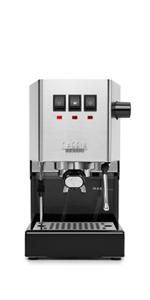
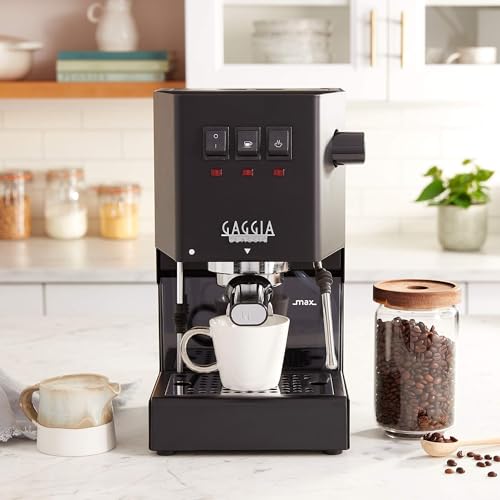
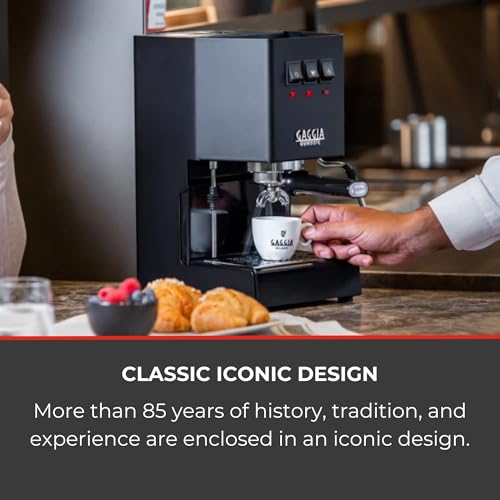
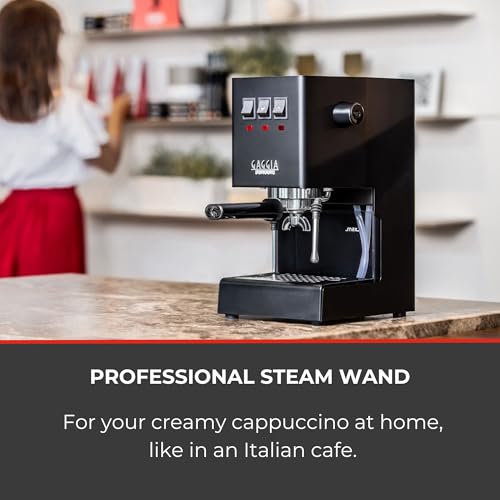
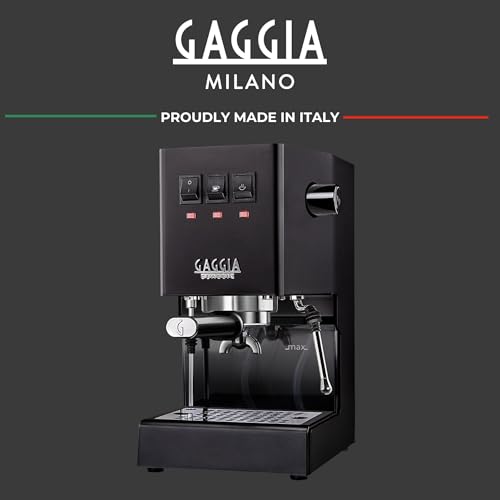
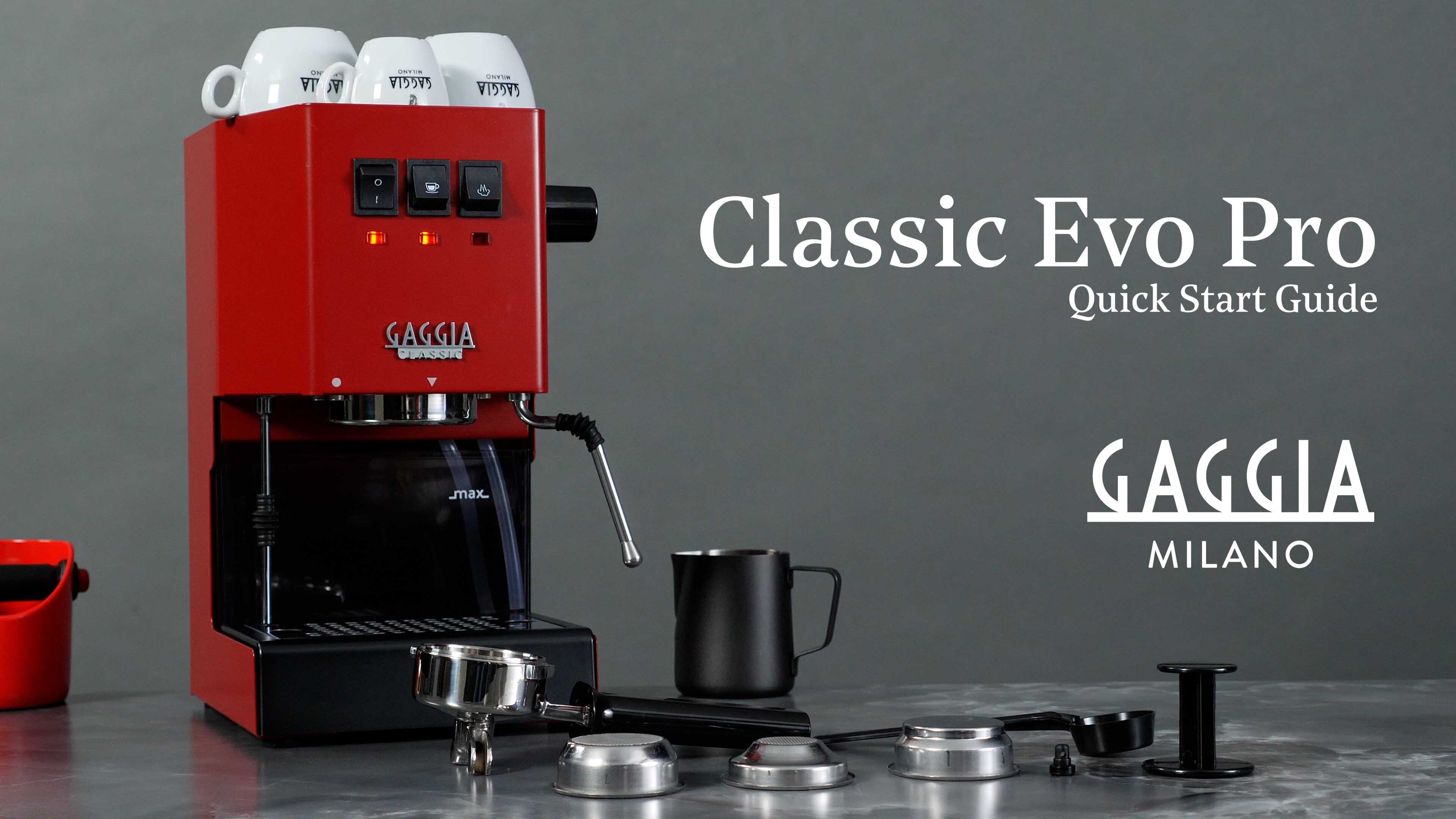
Gaggia RI9380/49 Classic Evo Pro Espresso Machine, Thunder Black, Small




As an Amazon Associate we earn from qualifying purchases. Product prices and availability are accurate as of the date/time indicated.
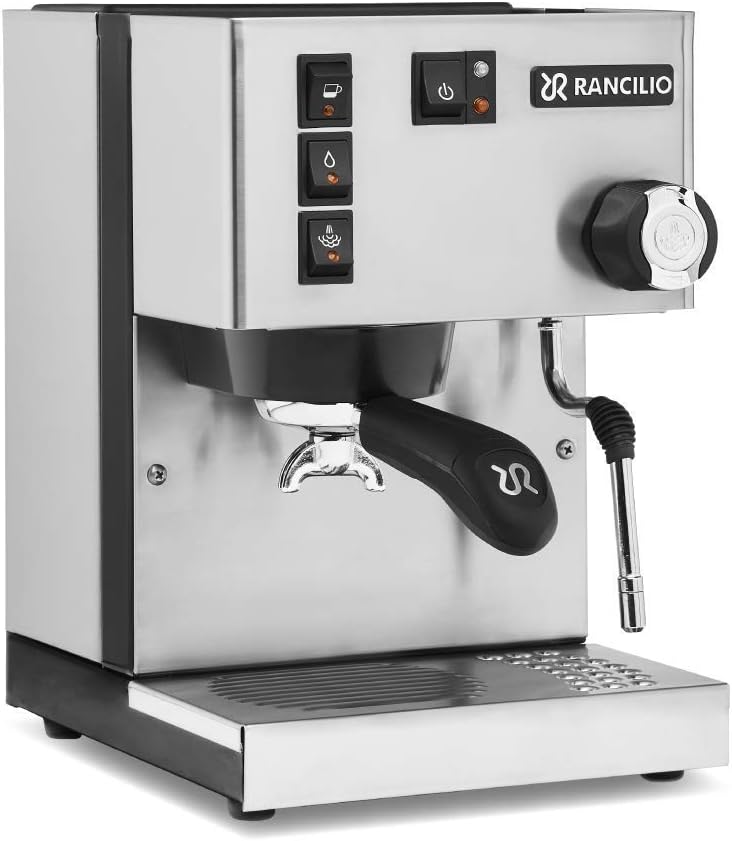
Prime Rancilio Silvia Espresso Machine, Stainless Steel

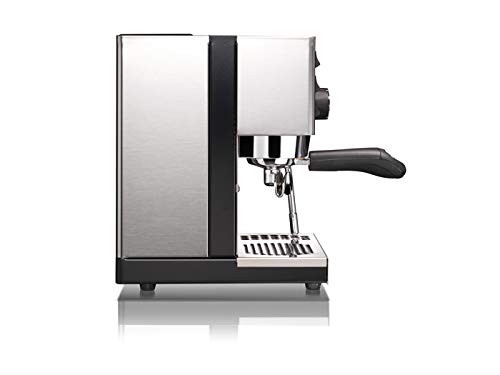
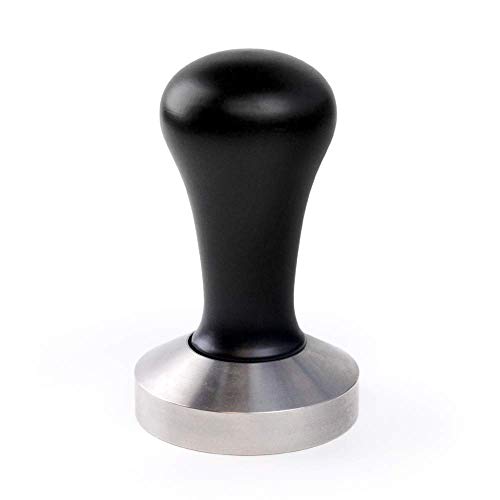
As an Amazon Associate we earn from qualifying purchases. Product prices and availability are accurate as of the date/time indicated.
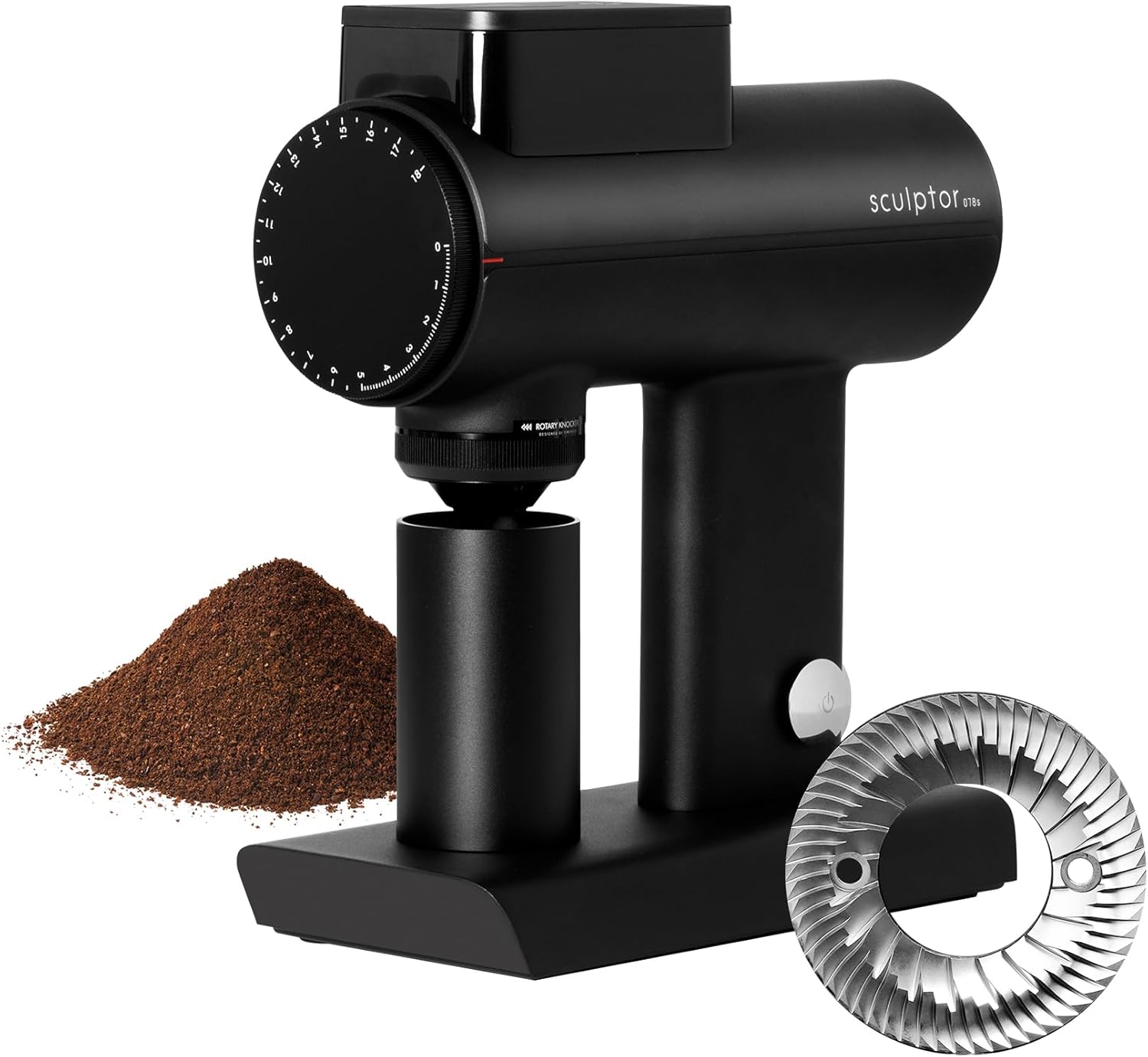
Prime TIMEMORE Sculptor 078S Flat Burr Coffee Bean Grinder, Electric Espresso Grinder with Stepless Coarseness Adjustment, Suitable for Espresso, Pour over, French Press, Cold Brew - Black
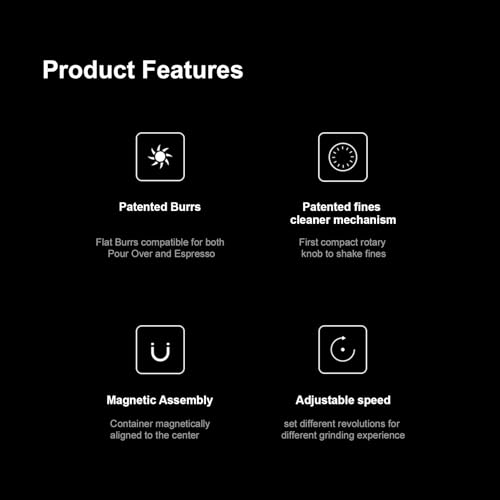
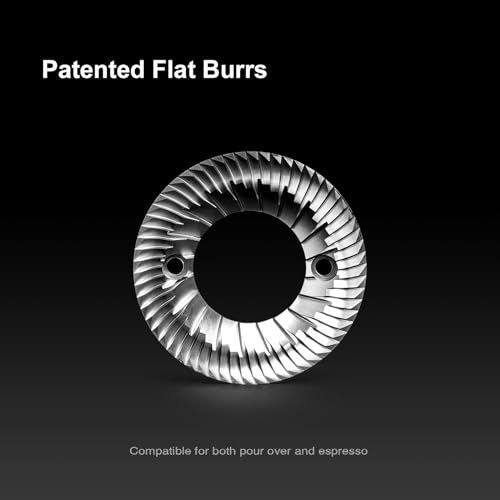

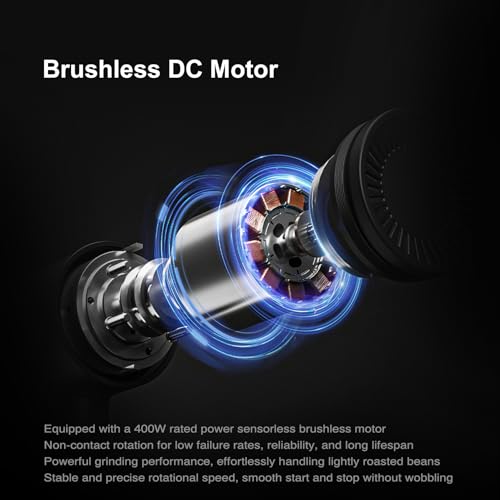
As an Amazon Associate we earn from qualifying purchases. Product prices and availability are accurate as of the date/time indicated.
What “Single Origin” Actually Means — and What It Doesn’t
The term is unregulated. In practice, it spans four distinct tiers of specificity:
- Country-level: “Colombian coffee” — least specific, mixes farms/regions/harvests. Still single origin technically, but the label provides minimal information.
- Region-level: “Ethiopia Yirgacheffe” — a recognized growing zone with consistent terroir. Meaningful flavor indicator.
- Estate/Farm-level: “Finca La Esmeralda, Panama” — single producer, traceable lot, most consistent year-to-year within a harvest.
- Micro-lot: A specific block or processing batch within a farm. The most specific and typically most expensive. Flavor differences between micro-lots on the same farm can be dramatic.
For home brewers, region-level sourcing is the practical sweet spot: meaningful flavor differentiation without micro-lot pricing. Farm-level makes sense when you find a producer whose profile you love consistently.
Major Origins and Their Flavor Profiles
| Origin | Flavor Profile | Processing | Best Brew Method |
|---|---|---|---|
| Ethiopia Yirgacheffe | Floral, bergamot, blueberry, jasmine | Natural / washed | Pour-over, French press |
| Ethiopia Sidama | Peach, apricot, honey, lemon | Washed | Pour-over, Chemex |
| Colombia Huila | Red fruit, caramel, mild acidity | Washed | Drip, French press, espresso |
| Guatemala Antigua | Chocolate, smoke, dried fruit | Washed | Drip, espresso, Moka pot |
| Kenya AA | Black currant, tomato, bright acidity | Washed | Pour-over, AeroPress |
| Panama Geisha | Jasmine, peach tea, complex floral | Natural / washed | Pour-over (recommended) |
| Brazil Cerrado | Chocolate, nuts, low acidity | Natural | Espresso, drip, cold brew |
| Yemen Mokha | Wine, spice, dried fruit, tobacco | Natural (dry) | French press, Moka pot |
Processing Methods: How They Shape Flavor
Processing is the step most buyers ignore — but it often shapes flavor more than origin. The three main methods:
- Washed (wet): Fruit removed before drying. Cleanest cup, most transparent terroir expression. Bright, clear acidity. Easier to evaluate bean quality directly.
- Natural (dry): Dried whole with fruit intact. Fruit ferments and infuses flavor into the bean. Result: heavy body, wine-like, berry notes, sweetness. More variable quality.
- Honey process: Partial mucilage left on during drying. Middle ground — some fruit sweetness, cleaner than natural, more body than washed. Common in Costa Rica and El Salvador.
For best-in-class espresso machine home, washed or honey-process single origins tend to perform more consistently. Natural-process beans at espresso grind can clog grinders with sticky residue and produce inconsistent extractions.
Roast Level Matching: The Most Common Mistake
Roasting a delicate Ethiopian natural to a medium-dark is like painting over a watercolor — the process notes dominate and the terroir disappears. General rules:
- Light roast (City/City+): Best for floral, fruity origins. Ethiopia, Kenya, Panama Geisha. Preserves acidity and terroir clarity. Requires precise water temp (196-200°F) and fine grind calibration — unforgiving of technique errors.
- Medium roast (Full City): Versatile — balances origin character with roast sweetness. Most Colombian, Guatemalan, and Costa Rican offerings. Works across all brew methods.
- Medium-dark (Full City+/Vienna): Chocolate and caramel dominate. Brazilian, Indonesian origins designed for espresso blending. Single origin at this roast loses most distinctive characteristics — choose intentionally.
The grind size relationship to roast matters: lighter roasts are denser beans that require finer grinding to achieve equivalent extraction. Don’t adjust only your brew method — adjust your grinder too.
Sourcing: Where to Buy Quality Single Origin
Key indicators of trustworthy single origin sourcing:
- Roast date on bag (not “best by” — a best-by date tells you nothing about freshness relative to roast)
- Farm or cooperative name listed (not just country)
- Altitude of growing region (higher elevation = slower bean maturation = more complex sugars)
- Processing method disclosed
- Cupping notes with specificity (vague “fruity” is less trustworthy than “strawberry jam, black tea finish”)
Buy beans roasted within the last 14 days for optimal flavor. CO2 off-gassing from fresh roasts means optimal extraction window is actually days 5-21 post-roast — not the day of roast. Proper airtight coffee storage extends this window meaningfully; poor storage kills single origin character within a week regardless of roast quality.
Brew Method Pairing Guide
Different methods highlight different aspects of the same bean:
- Pour-over (V60, Chemex): Maximizes clarity and terroir transparency. Best for light roasts with floral or fruit-forward origins. See the Chemex guide for technique details.
- French press: Maximizes body and richness. Natural-process single origins become almost wine-like. Washed origins taste rounder and fuller than via paper filter.
- AeroPress: Most versatile — adjust pressure and steep time to isolate different flavor characteristics of the same bean. See the AeroPress recipe guide.
- Espresso: Concentrates everything. Single origin espresso amplifies both strengths and flaws — buy from roasters who spec single-origin espresso roasts specifically, not standard filter roast.
- Cold brew: Mutes acidity and brightness; emphasizes sweetness and chocolate notes. Works well with medium-dark Brazilian or Guatemalan single origins. Full cold brew setup guide here.
Frequently Asked Questions
Are single origin coffee beans always better than blends?
Not always — better is context-dependent. Single origins offer traceability, terroir expression, and seasonal character. Blends offer consistency across harvests, flavor balance, and often better espresso performance at lower cost. Most serious home espresso setups use blends for milk drinks and single origins for black coffee. They serve different goals.
Why does single origin coffee taste different every year?
Coffee is an agricultural product — seasonal variation in rainfall, temperature, and harvest timing changes the bean’s sugar and acid composition year to year. This is called “crop year variation.” Trusted roasters publish tasting notes per crop year. For consumers: expect your favorite single origin to taste slightly different each new harvest, and consider it a feature rather than inconsistency.
What does “washed” mean on a coffee bag?
Washed processing means the coffee fruit (pulp and mucilage) is removed from the bean before drying. The result is a cleaner, brighter cup where the bean’s intrinsic character is most transparent. Unwashed or natural-process beans dry with the fruit intact, imparting fruit fermentation flavors into the bean — heavier body, wine or berry notes, sweeter finish.
How should I store single origin beans to preserve flavor?
Airtight container, room temperature, away from light — not the freezer for daily-use beans. Oxygen, moisture, heat, and light are the four enemies. Single origin beans are worth protecting with a proper airtight coffee storage container with a one-way valve to let CO2 escape without letting oxygen in. A quality storage setup extends peak flavor by 1-2 weeks beyond a paper bag.
Is grinding fresh more important for single origin coffee?
Yes, and significantly so. Single origin beans are bought precisely for nuanced flavor — pre-grinding exposes more surface area to oxygen, and those delicate aromatic compounds oxidize within hours. A burr coffee grinder best paired with whole bean single origin is the combination that justifies the premium price you’re paying. Pre-ground single origin is mostly a marketing label on an inferior product.
Bottom line: Buy traceable, roast-dated beans from regions whose profiles match your brew method and preference. Light-roast Ethiopian for pour-over, medium Colombian for drip and espresso, natural Brazilian for cold brew. Match the origin to the method — don’t force every single origin through the same technique.