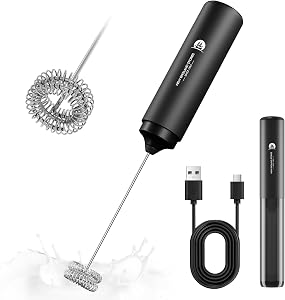
- Top Pick: CIRCLE JOY Rechargeable Milk Frother Handheld, Dual Coil Whisk Head Electric Coffee Frother, Portable Hand Frother Wand Drink Mixer for Matcha Lattes Cappuccino, Kitchen Gifts, Black
- Best Value: SIMPLETASTE Milk Frother Handheld Electric Foam Maker Battery Operated
- Premium Choice: Zulay Kitchen Milk Frother Handheld Electric Whisk – Frother Wand, Durable Drink Mixer, Coffee Frother, Hand Blender, Frother for Protein Powder, Matcha & More – Black
TL;DR: Handheld frothers cost $10–$15, make decent foam in 30 seconds, and work anywhere. Electric frothers heat and froth simultaneously, produce cafe-quality microfoam, and cost $30–$80. Which one is right depends on your drink and your machine setup.
Milk Frother Handheld vs Electric: Which One Actually Makes Better Foam?
Milk foam quality is the difference between a latte that looks like a Starbucks drink and one that looks like aerated dishwater. The frother you choose determines texture, temperature, and whether microfoam — the dense, velvety foam required for latte art — is even achievable. This comparison breaks down milk frother handheld vs electric across every variable that matters: foam quality, heating, convenience, cost, and long-term value.
As an Amazon Associate we earn from qualifying purchases at no extra cost to you. Product prices and availability are accurate as of the date shown and are subject to change.



- Quick Comparison
- Top Picks at a Glance
- Handheld Frother: What It Is and What It Does
- Electric Frother: What It Is and What It Does
- Head-to-Head Comparison
- The Real Standard: Steam Wand on an Espresso Machine
- Which Frother is Right for Your Setup?
- Non-Dairy Milk and Frothers: What Actually Works
- Frequently Asked Questions
- About the Author
Quick Comparison
| Product | Brand | Price | Rating |
|---|---|---|---|
| Gaggia RI9380/49 Classic Evo Pro Espresso Machine | — | $499 | 4.4/5 |
| Rancilio Silvia Espresso Machine | Rancilio | $995 | 4.2/5 |
| TIMEMORE Sculptor 078S Flat Burr Coffee Bean Grinder | TIMEMORE | $799 | 4.3/5 |
Top Picks at a Glance
See also: How to Froth Oat Milk with Steam Wand (2026): Step-by-Step • What Size Milk Pitcher for Two Lattes? Size Guide With Measurements (2026)

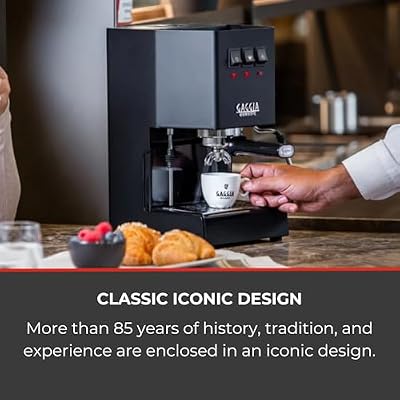
Gaggia RI9380/49 Classic Evo Pro Espresso Machine, Thunder Black, Small



As an Amazon Associate we earn from qualifying purchases. Product prices and availability are accurate as of the date/time indicated.

Rancilio Silvia Espresso Machine, Stainless Steel


As an Amazon Associate we earn from qualifying purchases. Product prices and availability are accurate as of the date/time indicated.

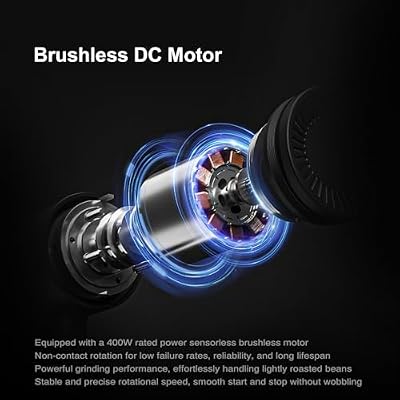
TIMEMORE Sculptor 078S Flat Burr Coffee Bean Grinder, Electric Espresso Grinder with Stepless Coarseness Adjustment, Suitable for Espresso, Pour over, French Press, Cold Brew - Black



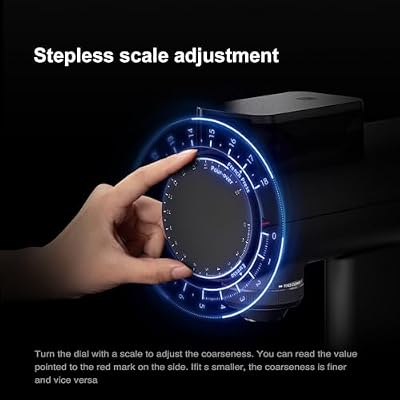

As an Amazon Associate we earn from qualifying purchases. Product prices and availability are accurate as of the date/time indicated.
Handheld Frother: What It Is and What It Does
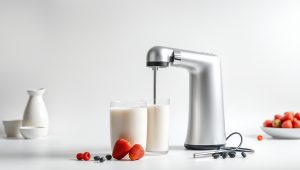
A handheld frother is a battery-powered whisk — a thin metal coil on a motor that you submerge in milk and run for 20–30 seconds. It aerates milk by whipping air in rapidly, producing foam through mechanical action. It does not heat milk.
Handheld frother strengths:
- $10–$20 price point
- No counter space required
- Works in any cup or container
- Takes 20–30 seconds
- Easy to clean (run under tap water while spinning)
- Portable — works in hotels, offices, anywhere
Handheld frother weaknesses:
- Does not heat milk — you heat separately, then froth
- Produces larger, coarser bubbles than electric or steam wand
- Foam collapses within 30–60 seconds for most milks
- Cannot make true microfoam for latte art
- Inconsistent results across milk types
Electric Frother: What It Is and What It Does
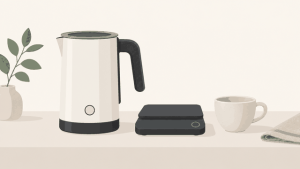
An electric milk frother is a standalone appliance — typically a heated pitcher or carafe with an induction base and an internal whisk. It heats milk to a set temperature (usually 140–160°F) while simultaneously frothing. Better models offer cold froth, latte, cappuccino, and hot chocolate modes.
Electric frother strengths:
- Heats and froths in one step, 60–90 seconds
- Produces smaller, denser bubbles than handheld
- Consistent results across uses
- Can froth oat, almond, soy, and other non-dairy milks reliably
- Some models produce near-microfoam quality
- Cold froth mode for iced lattes
Electric frother weaknesses:
- $30–$80 cost; premium models $100+
- Counter space required
- Cleaning requires more attention (milk residue inside pitcher)
- Still does not match a steam wand for microfoam quality
Head-to-Head Comparison
| Feature | Handheld Frother | Electric Frother |
|---|---|---|
| Price | $10–$20 | $30–$100+ |
| Heats milk | No (heat separately) | Yes (built-in heating) |
| Foam texture | Large bubbles, coarser | Smaller bubbles, denser |
| Latte art possible | No | Limited |
| Speed | 20–30 seconds | 60–90 seconds |
| Non-dairy milk performance | Variable | Good to excellent |
| Portability | Excellent | Counter-bound |
| Counter space needed | None | Small footprint |
| Cleaning | 30 seconds | 2–3 minutes |
| Lifespan | 6–18 months (battery) | 2–5 years |
The Real Standard: Steam Wand on an Espresso Machine
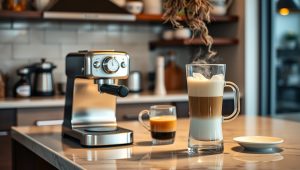
Both handheld and electric frothers are compromises compared to a proper steam wand. A steam wand forces superheated steam through milk, creating microfoam — the glossy, paint-like texture that defines professional latte art and a true flat white. Neither frother type replicates this.
If milk drinks are central to your home coffee routine, the investment that matters most is an espresso machine with a capable steam boiler. The the head-to-head breakdown comparison covers the two most popular dedicated steam-wand home machines at different price points. The Gaggia Classic Evo Pro at $499 has a commercial-style steam wand that outperforms any electric frother. The Rancilio Silvia at $995 takes it further with superior thermal stability for milk steaming.
See our full our pick for espresso machine home and our breville barista express bes870xl hands-on review for machines with integrated grinders that handle both espresso and milk in one unit.
Which Frother is Right for Your Setup?
| Your Setup | Best Choice |
|---|---|
| AeroPress or moka pot + occasional lattes | Handheld frother — low cost, low commitment |
| Pod machine (Nespresso/Keurig) + daily lattes | Electric frother — better foam, convenient heating |
| Semi-auto espresso machine | Skip both — learn to use the steam wand |
| Office / travel use | Handheld — no power requirements, packs flat |
| Non-dairy milk user | Electric frother — handles oat/almond more consistently |
Non-Dairy Milk and Frothers: What Actually Works
Non-dairy milks froth differently because their protein and fat profiles differ from whole cow’s milk. Oat milk (especially barista editions) froths most similarly to dairy. Almond milk produces thin foam that collapses quickly. Coconut milk froths well but adds strong flavor. Soy milk froths adequately but can separate if overheated.
For non-dairy milks, electric frothers with temperature control outperform handheld significantly — the slower, controlled heat produces better protein bonding and longer-lasting foam. Handheld frothers tend to aerate before the milk is properly warm, producing unstable foam that collapses before you finish pouring.
Frequently Asked Questions
Is a handheld milk frother good enough for lattes at home?
For a basic latte — yes. Handheld frothers produce enough foam for a functional milk drink. What they cannot do: maintain foam long enough for latte art, produce the dense microfoam of a steam wand, or heat milk simultaneously. Heat your milk in a microwave or stovetop first, then froth for 20–30 seconds. The result is a serviceable latte, not a specialty-coffee-quality one.
Does an electric milk frother make real microfoam?
Close, but not true microfoam. Electric frothers produce smaller, more consistent bubbles than handheld, and the foam is denser and longer-lasting. The best electric frothers (Breville Milk Cafe, Nespresso Aeroccino 4) produce foam that’s workable for basic latte art. True microfoam — the glossy, paint-like texture for detailed art — still requires a commercial-style steam wand under pressure.
How long does milk foam last from a handheld vs electric frother?
Handheld foam typically lasts 30–60 seconds before noticeably collapsing. Electric frother foam lasts 2–5 minutes depending on milk fat content — whole milk holds longest. Steam wand microfoam holds for 5–10 minutes. Fat content is the key variable: full-fat dairy holds foam far better than skim or plant-based alternatives.
Can I use a handheld frother with cold milk for iced lattes?
Yes. Cold milk actually froths reasonably well with a handheld frother — the cold temperature slows bubble collapse slightly. Pour cold milk in a tall container, froth for 30 seconds, pour espresso over ice, top with the cold foam. Results are better than hot froth for iced drinks because you avoid heating milk you immediately need cold.
What milk froths best in a handheld frother?
Whole cow’s milk produces the best, most stable foam from any frother type. The higher fat and protein content bonds during aeration better than any alternative. For plant-based, barista-edition oat milk (Oatly Barista, Minor Figures) is formulated specifically for frothing and works nearly as well as whole dairy in both handheld and electric frothers.
Ready to ditch the frother and learn proper milk steaming? Read our espresso machines under $500 — most include steam wands that make frothers obsolete. Or start with the espresso grind size guide to nail the shot before you focus on the milk.
Ready to decide? Our #1 pick for 2026 is the Gaggia RI9380/49 Classic Evo Pro Espresso Machine.
Live price & availability on Amazon.