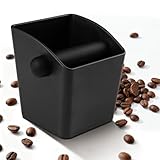
- Top Pick: Coffee Knock Box, 4.6 in, Barista Style Espresso Grounds Knock Box, Removable Plastic Knock Rod, Non-Slip Base, Espresso Maker Accessory (Black)
- Best Value: Breville BEA501BSS Knock Box 10 Espresso Accessory, Brushed Stainless Steel
- Premium Choice: Ninja Luxe Café Knock Box, Holds 10 Double Shot Pucks, XSKKNOCKBOX
As an Amazon Associate we earn from qualifying purchases at no extra cost to you. Product prices and availability are accurate as of the date shown and are subject to change.




TL;DR: An espresso knock box lets you dispose of spent pucks cleanly with one firm knock — no mess, no clogged bins, no burnt fingers. Rubber bar, sturdy base, and right sizing for your counter are the only specs that matter. Budget picks work fine; premium ones last a decade. Pick by size and material, not brand.
Best Espresso Knock Box: Puck Disposal Buyers Guide 2026
Every espresso shot ends the same way: a dense, wet coffee puck locked into your portafilter that needs to come out. You can tap it over a trash bin and make a mess, or you can knock it cleanly into a dedicated espresso knock box in one motion. After pulling a few hundred shots, you’ll understand exactly why every home espresso setup eventually includes one.
This guide covers what makes a good knock box, which sizes fit different setups, and our top picks across price ranges. Simple upgrade. Big daily quality-of-life improvement.
Quick Comparison
| Product | Brand | Price | Rating |
|---|---|---|---|
| Knock Box for Coffee Grounds – Innovative Barista Acces… | Homeffect® | $19.99 | 4.5/5 |
| De’Longhi Knock Box for Coffee & Espresso Grounds | — | $29.95 | 4.7/5 |
| HOMEE Coffee Knock Box 4.8 Inch Shock-Absorbent Durable… | HOMEEHouse | $12.99 | 4.5/5 |
| Coffee Knock Box | Ailelan | $15.99 | 4.6/5 |
| Coffee Knock Box Stainless Steel | Apexstone | $14.99 | 4.7/5 |
What Is an Espresso Knock Box?
See also: Best Espresso Accessories for New Owners in 2026: Tested and Ranked • 6 Best Blind Filters for Backflushing
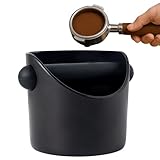
A knock box is a container — usually cylindrical or rectangular — with a padded rubber bar across the top. After pulling a shot, you invert the portafilter and knock it firmly against the bar. The puck drops cleanly into the container. No crumbling, no mess, no touching the hot, wet puck with your hands.
The rubber bar absorbs the impact force without damaging the portafilter. The container holds multiple pucks before needing to be emptied — typically 10–20 shots depending on size. The whole process takes under two seconds per shot and keeps your espresso station clean. When you’re dialing in with the grind size guide and pulling 10+ shots in a session, a knock box becomes genuinely essential.
Key Features to Evaluate
Bar Material and Padding
The knock bar is the single most important component. It needs to absorb portafilter impact without cracking or wearing out. Look for thick rubber padding over a stainless steel or aluminum core. Thin rubber wears through quickly, especially with heavier 58mm commercial portafilters. Avoid all-plastic bars — they crack under repeated impact and can scratch portafilter baskets.
Base Stability
A knock box that slides across your counter is worse than no knock box at all. Non-slip rubber feet on the base are essential — the firmer your knocking motion, the more the box wants to slide. Heavier stainless or ceramic containers stay put by weight; lighter plastic containers depend entirely on rubber feet quality.
Size and Capacity
Counter space vs capacity tradeoff. Small knock boxes (under 1 liter) hold 8–12 pucks and fit tightly on compact setups. Large knock boxes (1.5–2 liters) handle 20+ pucks and suit high-volume home or small office use. For a typical home barista pulling 2–4 shots daily, a medium-sized box emptied every 3–4 days is practical. Match to your counter footprint first, capacity second.
Material
Three main options:
- Stainless steel — most durable, easy to clean, premium look, heavier
- Ceramic — excellent weight and stability, attractive on counter, more fragile if dropped
- Plastic/ABS — lightweight, budget-friendly, less durable long-term, harder to clean odors from
Top Espresso Knock Boxes
Our tested picks across price points:
Comparison Table
| Feature | Budget ($15–25) | Mid-Range ($25–45) | Premium ($45–80) |
|---|---|---|---|
| Bar material | Thin rubber/plastic | Rubber over metal core | Thick rubber, stainless core |
| Body material | Plastic/ABS | Stainless or thick plastic | Stainless steel / ceramic |
| Base grip | Minimal rubber feet | Good rubber base | Heavy + non-slip base |
| Capacity | 0.8–1L | 1–1.5L | 1–2L |
| Lifespan | 1–2 years | 3–5 years | 10+ years |
| Dishwasher safe | Sometimes | Usually | Usually (check bar) |
Knock Box vs Just Knocking Over the Bin
The “just knock it into the trash” approach works — until it doesn’t. The problems: trash bins are lower than optimal knocking height (strains wrists over time), the puck breaks apart and sprays grounds everywhere, coffee oils accumulate on the bin lid, and wet pucks in a regular bin create odor fast.
A knock box solves all of this. It sits at counter height, the bar is positioned perfectly for a straight downward knock, the puck stays intact inside the sealed container, and the stainless interior cleans easily with a rinse. Over a year of daily espresso, the convenience gap becomes obvious. For anyone pulling shots regularly enough to have a dedicated setup — a home espresso machine, a burr grinder, a tamper — a knock box is the natural next step.
Cleaning and Maintenance
Empty every 3–5 days depending on volume — don’t let pucks sit longer or mold becomes a concern. Most stainless knock boxes are dishwasher safe (remove the rubber bar first — heat degrades rubber over time). For daily maintenance, a quick rinse under the faucet is enough. The knock bar itself should be wiped with a damp cloth and inspected monthly for wear. If the rubber is cracking or the padding is compressing unevenly, replace the bar — most brands sell replacement bars.
Spent espresso pucks are excellent compost material — coffee grounds are nitrogen-rich and work well in garden beds. If you compost, set the knock box right next to your machine and empty directly into the compost bin.
Knock Box Placement in Your Espresso Station
Position the knock box directly to the right (or left, if you’re left-handed) of your espresso machine at the same counter height. The motion should be: pull shot, invert portafilter, single knock, lock portafilter back in — all without stepping or reaching. The closer to the machine, the faster the workflow.
Keep a damp cloth or paper towels nearby — occasional puck splatter is normal, especially when the box is full. For a compact setup, look at knock boxes with integrated tamping mats that double as counter protectors. This is especially useful on small kitchen counters where every inch of station real estate matters. See our full espresso machine guide for station setup tips that maximize small countertops.
Frequently Asked Questions
Can I use a knock box with any portafilter?
Yes — knock boxes are universally compatible. The bar height and spacing accommodates both 51mm and 58mm portafilters without issue. The only exception: very large commercial portafilters (67mm+) used on some commercial machines may be too wide for narrow residential knock boxes.
How full should a knock box get before emptying?
Leave at least 2–3 inches of clearance below the knock bar. If pucks are piling up into the bar zone, knocking becomes less clean — pucks bounce back or stick. Empty when you can see the container is about two-thirds full. A quick peek before your morning session keeps the workflow smooth.
Does knock box size matter for portafilter longevity?
Indirectly. A wobbly knock box with a hard bar causes the portafilter to hit at an angle, which can stress the basket lug over time. A stable knock box with properly padded bar creates a clean, straight impact that distributes force evenly. Heavy stainless knock boxes are better for this than light plastic ones.
Are knock boxes only for espresso?
Primarily, yes. The design is specific to portafilter basket puck ejection. You wouldn’t use one for French press grounds or Chemex filters — those just go straight in the compost or trash. If you’re making espresso regularly, a knock box is the right tool.
Why do some knock boxes have a rubber base while others use suction cups?
Both approaches work but rubber feet are more reliable long-term — suction cups lose adhesion on certain counter surfaces (textured tile, wood grain) and dry out over time. If a knock box uses suction cups for stability, check reviews for sliding complaints on your counter surface type before buying.
Final Verdict
A knock box is a small purchase that improves every single shot you pull. The workflow difference is immediate — from messy, awkward puck disposal to a clean one-knock process. Spend $25–$40 on a stainless model with a quality rubber bar and it’ll outlast multiple espresso machines.
Avoid the cheapest plastic options — the bars wear out and the instability becomes frustrating fast. Don’t overspend on boutique ceramic versions unless you specifically value the aesthetic. The mid-range stainless sweet spot covers everything a home barista needs.
Round out your puck prep workflow with a quality tamper and a precision scale, and check our full home espresso machine recommendations if you’re still building your setup.
Ready to decide? Our #1 pick for 2026 is the Knock Box for Coffee Grounds – Innovative Barista Acces….
Live price & availability on Amazon.