Last updated: September 4, 2026
As an Amazon Associate we earn from qualifying purchases at no extra cost to you.




Disclosure: As an Amazon Associate we earn from qualifying purchases. This page contains affiliate links and we may earn a commission at no extra cost to you.
Ask coffee professionals to name the most exciting cup they ever tasted and a startling number will describe a Kenyan. Kenya’s coffee is the espresso world’s electricity: blackcurrant and ripe tomato savoriness, grapefruit brightness, winey depth, and a sparkling, almost effervescent acidity that makes other coffees taste asleep by comparison. It is not a subtle origin, and that is exactly why people fall in love with it.
The intensity is no accident. Kenya’s high-altitude farms around Mount Kenya grow celebrated varieties like SL28 and SL34, and the country’s famously rigorous auction and grading system, the source of the AA designation you will see below, pushes quality relentlessly upward. Double-washed processing then strips everything but pure, vivid fruit clarity from the cup.
Our six picks range from true graded Kenyan single origins to friendlier Kenyan-style blends, plus one deliberate change of pace. Fair warning: bright, dense, light-to-medium roasted coffees like these ask real precision from your setup, and rewarding them starts with grinding. If your grinder struggles with fine adjustments, our roundup of the best espresso grinders is the place to begin before splurging on Kenya’s finest.
Quick Comparison
| Product | Price | Rating |
|---|---|---|
| Premium Kenyan Single Origin | $14.99 | 5.0/5 |
| Caribou Blend (40 oz) | $35.20 | 4.7/5 |
| Kahawa 1893 Kenyan Blend | $19.99 | 4.5/5 |
| Mt. Comfort Organic Peru (2.5 lb) | $29.99 | 4.5/5 |
| Fresh Roasted Kenya AA (2 lb) | $44.98 | 4.4/5 |
| Allegro Kenya Grand Cru | $13.99 | 4.4/5 |
Why Trust This Guide
See also: 4 Best Coffee Beans for Iced Coffee (October 2026) Honest Reviews • Instant Espresso Brands Ranked
These recommendations rest on stated origins, grades, and roast levels from the roasters themselves, interpreted through the well-documented character of Kenyan auction-grade coffee. We identify blends and outliers honestly instead of dressing them up as single origins, and we match each bag to the drinker it will genuinely delight.
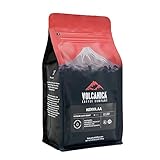
Premium Kenyan Single Origin
This freshly roasted single origin is the most direct route on this list to the classic Kenyan experience, at a starter-friendly $14.99. Expect the trademark profile in full voice: blackcurrant and citrus up front, a juicy, winey middle, and that crackling acidity that makes the first sip genuinely surprising if you have never had a proper Kenyan before.
It is the bag we would hand to a curious drinker who wants to know what the fuss is about without committing to a premium AA price. As espresso it rewards patience, expect a few adjustment shots before the brightness clicks into sweetness, and as a pour-over it is immediately spectacular. Weigh your doses while dialing in; a good brewing scale matters more with vivid coffees like this than with any forgiving dark roast.
Caribou Blend (40 oz)
Caribou’s flagship blend is here as the household anchor: a smooth, balanced medium roast sold in a 40 ounce value format that works out to one of the lowest per-cup costs on this page. The profile is round and crowd-pleasing, gentle cocoa and clean sweetness, designed to taste good to everyone at the table, every single day.
Its role in a Kenyan-focused rotation is contrast and volume. Vivid single origins are an event; a reliable blend is breakfast. Keeping both on hand means your precious Kenya AA is never wasted on a bleary autopilot morning, while guests and gallons of weekend drip are handled gracefully. Split and seal the big bag on arrival, using the methods from our bean storage guide, and the last cup will hold up like the first.
Kahawa 1893 Kenyan Blend
Kahawa 1893 sources from Kenyan farms, with a model that channels support directly to women growers, and this medium-roast blend is the friendliest expression of Kenyan character in the lineup. The blend format and slightly deeper roast soften the origin’s electric acidity into bright-but-comfortable territory: think blackcurrant warmth rather than grapefruit voltage.
That makes it the ideal middle step for drinkers intrigued by Kenya but wary of intensity, and an excellent everyday espresso for those who want vivacity that still plays well with milk. The 12 ounce bag keeps the commitment small. Taste it beside the true single origins here and you will learn exactly where blending smooths the edges, the kind of comparison a tasting journal turns from vague impression into real knowledge.
Mt. Comfort Organic Peru (2.5 lb)
Yes, this one is Peruvian, not Kenyan, and we will not pretend otherwise. It earns its slot as the deliberate palate-rest of the roundup: an organic, medium-roast South American with nutty, chocolatey gentleness that sits at the exact opposite pole from Kenya’s bright intensity. Alternating between the two is the fastest way to map your own preferences, and 2.5 pounds at $29.99 makes it the economical daily counterweight.
On its own merits it is a thoroughly pleasant, low-drama coffee: smooth in drip, soft and sweet as espresso, certified organic for those who prioritize it. If your mornings sometimes call for quiet comfort instead of fireworks, this is the bag that keeps the Kenyan habit sustainable rather than exhausting.
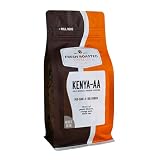
Fresh Roasted Kenya AA (2 lb)
AA is Kenya’s top size grade, the largest beans from the auction system, and Fresh Roasted Coffee’s medium-dark take on it is the connoisseur’s centerpiece of this list. The slightly deeper roast is a thoughtful choice for espresso drinkers: it rounds the origin’s acidity into dark-fruit sweetness, blackberry jam rather than fresh currant, while the AA density keeps the cup vibrant and structured.
At $44.98 for two pounds it is a premium purchase, but a rational one for the drinker who already knows they love Kenya and wants a generous supply roasted by a specialist with a freshness reputation. It is outstanding as a long shot or lungo, where the extra water stretches the fruit into remarkable juiciness. Filter fans should try it through different brewers too; our V60 versus Chemex comparison explains why high-clarity coffees like this taste noticeably different in each.
Allegro Kenya Grand Cru
Allegro’s Kenya Grand Cru brings the origin to a 12 ounce bag at $13.99, the most accessible price here for a coffee that wears the Kenya name proudly. Allegro, long associated with quality-focused grocery roasting, positions the Grand Cru label as its showcase tier, and the cup follows the classic script: bright berry acidity, clean sweetness, and a lively finish.
This is the impulse-buy gateway to the origin, easy to find, easy to justify, and easy to love or learn from either way. The modest bag size is actually a feature for bright coffees, which give up their sparkle faster than darks once opened. If the Grand Cru hooks you, graduating through an origin sampler pack and then to the Kenya AA above is the natural ascent.
What to Look For in Kenyan Coffee Beans
Kenya’s grading and auction culture mean labels carry unusually useful information, if you know how to read them.
- The grade letters — AA marks the largest bean size from Kenya’s grading system, with AB close behind; size correlates loosely with density and cup quality, and strongly with price.
- Variety names — SL28 and SL34 are Kenya’s legendary cultivars, prized for blackcurrant depth and drought-built density; their mention signals a roaster who sources seriously.
- Roast level versus acidity — Light roasts present Kenya’s acidity at full sparkle; medium and medium-dark roasts trade some of it for body and espresso friendliness. Choose by your tolerance for brightness.
- Single origin versus Kenyan blend — Blends tame the intensity for daily drinking; graded single origins deliver the unfiltered experience. Both are legitimate, but the label should be honest.
- Freshness above all — The vivid aromatics that justify Kenyan prices fade faster than any dark roast’s flavors; prioritize recent roast dates and smaller bags you will finish quickly.
- Washed processing — Kenya’s double-washed standard is the source of its famous clarity; it is the default for the origin, and worth confirming on premium bags.
Tips for Getting the Most Out of Kenyan Coffee Beans
Chase sweetness, not just brightness. The most common mistake with Kenyan espresso is accepting a sharp, screeching shot because “Kenya is supposed to be acidic.” Properly extracted, that acidity should taste like ripe fruit, blackcurrant cordial, not battery citrus. Grind finer and extend your ratio until the sharpness folds into juice; Kenyan coffees often want noticeably longer shots than blends before they bloom.
Mind your water and your temperature. Bright, dense, washed coffees extract reluctantly, so run your machine fully heated and, if you brew filter, keep the water just off the boil. Soft or heavily filtered water flatters Kenya’s clarity, while very hard water can mute the fruit that makes the origin worth buying. Small variables move this coffee more than they move a forgiving Brazilian, which is honestly part of the fun.
Finally, serve it black, at least once, and slightly cooled. Kenya’s complexity unfolds as the cup descends from scalding to warm, with new fruit notes appearing at each stage; milk and sugar paper over exactly the theater you paid for. Give every new bag one quiet, undoctored cup before deciding what it is, then enjoy it however you like.
Frequently Asked Questions
What does the AA on Kenyan coffee mean?
AA is a size grade from Kenya’s national classification system, marking the largest beans sorted from a lot. It is not a direct flavor score, but larger, denser beans from Kenya’s high-altitude farms frequently cup among the country’s best, so AA functions as a meaningful, if imperfect, quality signal, and commands a premium accordingly.
Why is Kenyan coffee so acidic?
High-altitude growing develops dense beans packed with bright fruit acids, Kenya’s signature SL varieties amplify that character, and meticulous double-washed processing presents it with total clarity. The result is the most celebrated acidity in coffee, tasting of blackcurrant and citrus. Roast level moderates it, so acid-shy drinkers should choose medium-dark Kenyan roasts or Kenyan blends.
Is Kenyan coffee good for espresso?
Spectacular, with caveats. Kenya produces some of the most memorable straight shots in espresso, vivid, winey, and intensely aromatic, but the brightness demands careful dial-in and a capable grinder, and it can taste sharp in milk drinks if under-extracted. Beginners should start with a Kenyan blend or a medium-dark single origin like the Kenya AA above.
What food pairs well with Kenyan coffee?
Think of it like a bright red wine: it loves richness to cut through. Buttery pastries, dark chocolate, berry desserts, and creamy breakfasts all flatter Kenya’s fruit acidity, which slices through fat the way lemon brightens a sauce. It is less suited to delicate flavors that its intensity would steamroll.