- Top Pick: 2LB Subtle Earth Organic Coffee – Medium-Dark Roast – Whole Bean Coffee – 100% Arabica Beans – Low Acidity and Non-GMO – 2lb bag
- Best Value: Low Acid Coffee, Blend of Natural Low Acidic Coffee, Whole Bean, Medium Roast, Fresh Roasted, 16-ounces
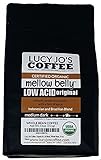
- Premium Choice: Lucy Jo's Coffee, Organic Mellow Belly Low Acid Blend, Medium Dark Roast, Whole Bean, 11 oz (11 OZ)
Last updated: October 20, 2026
As an Amazon Associate we earn from qualifying purchases at no extra cost to you.




Disclosure: As an Amazon Associate we earn from qualifying purchases. This page contains affiliate links and we may earn a commission at no extra cost to you.
For a surprisingly large number of coffee lovers, the limiting factor is not taste, budget, or caffeine tolerance. It is the stomach. Acid reflux, gastritis, and general sensitivity push people to quit a drink they love, or to endure it with antacids on standby. The good news is that “low acid” has matured from a marketing whisper into a real product category, with dedicated roasters selecting naturally gentle origins, using slower roasting techniques, and in some cases testing for mold and mycotoxins as well.
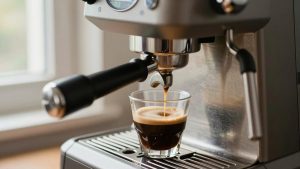
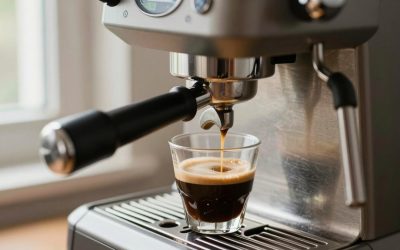
Two honest caveats before the picks. First, perceived acidity and measured pH are not the same thing; a coffee can taste smooth and still bother a sensitive stomach, and vice versa. Second, brewing choices move the needle as much as the bean, since dark roasts, coarser grinds, and shorter contact methods all reduce the sharp compounds that cause trouble. Espresso, counterintuitively, is often gentler than a giant mug of light-roast drip because the serving is small and the extraction is brief.
The six bags below combine dedicated low-acid specialists, with Lucy Jo’s and Java Planet built entirely around this problem, alongside naturally smooth dark Latin roasts from Subtle Earth, Don Pablo, and Mayorga that have earned reputations among sensitive drinkers. If your shots taste harsh rather than your stomach feeling it, that is usually a technique problem, and our breakdown of why espresso turns bitter is the place to start instead.
Quick Comparison
| Product | Price | Rating |
|---|---|---|
| Lucy Jo’s Mellow Belly Breakfast | Check on Amazon | 4.8/5 |
| Low Acid Dark Roast (Mycotoxin Free) | Check on Amazon | 4.8/5 |
| Subtle Earth Organic (2 lb) | Check on Amazon | 4.6/5 |
| Don Pablo Signature Blend | Check on Amazon | 4.6/5 |
| Mayorga Café Cubano (2 lb) | Check on Amazon | 4.6/5 |
| Java Planet Guatemala (Low Acid) | Check on Amazon | 4.5/5 |
Why Trust This Guide
See also: 4 Best Coffee Beans for Iced Coffee (October 2026) Honest Reviews • Instant Espresso Brands Ranked
Our picks are grounded in home-barista experience, the roasters’ own published claims and certifications, and consistent long-term patterns in feedback from sensitive drinkers, the only audience whose verdict matters in this category. We do not invent pH measurements or medical claims, we distinguish marketing language from verifiable certifications, and we note frankly when a regular smooth dark roast does the same job as a specialist product.
Lucy Jo’s Mellow Belly Breakfast
The name tells you exactly who this is for. Lucy Jo’s is a small New York roastery, and Mellow Belly is its organic, low-acid flagship: a medium roast blend built specifically for drinkers whose mornings have been ruined by sharper coffee. The profile is gentle and nutty-sweet, with the easy drinkability of a classic breakfast blend minus the bite.
What makes it stand out in the niche is that it still tastes like coffee with a personality rather than the flat, cautious cup some low-acid products settle for. As a medium roast it also pulls a respectable, mellow espresso shot. The 11-ounce-class bag means a higher per-ounce price than the bulk options here, but it also means you finish it fresh, and freshness is flavor. Small-roaster output varies slightly batch to batch, so expect minor re-dialing between bags; a quick note in a barista journal makes that painless.
Low Acid Dark Roast, Mycotoxin Free
This bag attacks stomach trouble from two directions at once: a dark roast profile that naturally reduces perceived acidity, plus explicit mycotoxin-free and mold-free claims with kosher certification for drinkers who care about purity beyond pH.
The cup is what a careful dark roast should be, smooth and rounded with cocoa depth and no harsh edge. Fresh roasting is part of the brand’s pitch, which matters because rancid oils on stale dark roasts upset stomachs as effectively as acidity does. The tradeoff is anonymity: this is a functional product from a functional brand, without the origin storytelling of a Java Planet or the heritage of a Mayorga. If it settles well with you, it is an easy, economical daily driver worth keeping sealed in proper airtight storage to protect those fragile dark-roast oils.
Subtle Earth Organic
Subtle Earth, from Café Don Pablo, is one of the most widely loved smooth coffees in America, a certified organic Honduran that earns its low-acid reputation through bean selection and roast craft rather than any special processing. The medium-dark roast delivers chocolate and caramel sweetness with remarkably little bitterness or bite, which is why it shows up on sensitive drinkers’ reorder lists year after year.
It is also one of the most versatile beans here, equally happy as espresso, drip, or French press, and gentle in all of them. There are no dramatic tradeoffs, only a modest one: drinkers who crave bright, complex, fruit-driven coffee will find it too comfortable. For everyone else, especially espresso drinkers wanting a stomach-friendly daily shot, it is the benchmark the rest of the category gets measured against.
Don Pablo Signature Blend
The Signature Blend is Subtle Earth’s housemate, a medium-dark blend of Latin American beans with the same house philosophy: slow roast, low bitterness, maximum smoothness. The flavor leans a touch richer and more roast-forward than Subtle Earth, with cocoa and a hint of caramelized sugar, making it the better latte base of the two.
For espresso purposes, it produces a forgiving, syrupy shot that hides small technique errors well, a genuinely useful trait for newer home baristas with sensitive stomachs who do not want their learning curve served with heartburn. It is not certified organic, which is the main practical difference from Subtle Earth at a similar price class. If you drink mostly milk drinks, start here; if you drink it black and want the certification, start with Subtle Earth. Either way, grind quality matters, and our espresso grinder roundup explains why a consistent grind also means a gentler cup.
Mayorga Café Cubano
Mayorga’s Café Cubano arrives at low acidity the traditional way: a dark, Latin-style roast of organic beans, done with enough skill that the result is sweet and smoky rather than burnt. Many sensitive drinkers discover by accident that classic Cuban-style espresso treats them better than the bright specialty coffee they had been struggling with, and this bag is the easiest way to test that.
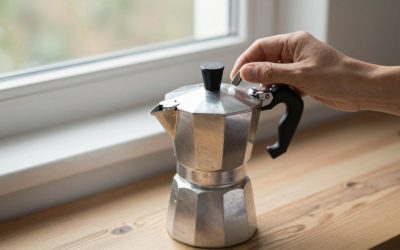
It is the boldest cup on this list by some distance, built for espresso, moka pot, and café con leche, where its body and dark sweetness shine. The flip side of the style is surface oil and assertiveness, so keep your grinder clean, and accept that subtle origin notes are not the point. It also makes a memorable Turkish-style cup in a stovetop cezve if you enjoy exploring brewing traditions.
Java Planet Guatemala
Java Planet is a family-run roaster that has made low-acid, mold-tested coffee its entire identity, and this organic Guatemalan single origin is its specialist offering. Guatemala produces naturally sweet, chocolatey beans, and pairing that origin with a sensitivity-focused roast yields a cup with more character than most of the low-acid field: cocoa, gentle nut, and a clean finish without sharpness.
This is the pick for the drinker who refuses to choose between an interesting cup and a comfortable one. The tradeoffs are those of all small-lot coffee: harvest-to-harvest variation and a price per ounce above the workhorse roasts. Pulled as a medium espresso shot or brewed slowly in a phin filter, it makes the strongest case on this page that low-acid coffee can be genuinely delicious rather than merely tolerable.
What to Look For in Low Acid Coffee Beans
The low-acid label is unregulated, so the burden of reading carefully falls on you. These are the signals that matter:
- How the low acidity is achieved — natural origin selection, darker roasting, and slow-roast techniques are the honest mechanisms. A bag should tell you which it uses rather than just printing the phrase.
- Origin choice — beans from Brazil, Honduras, Guatemala, and Sumatra tend naturally toward lower perceived acidity than high-grown Kenyan or Ethiopian lots. Origin is a better predictor than slogans.
- Roast level — darker roasts convert and reduce the sharper acids. If your stomach is the concern, medium-dark and dark profiles are the sensible default.
- Mold and mycotoxin testing — relevant for drinkers whose sensitivity goes beyond acid. Brands like Java Planet make testing explicit; vague purity language is not the same thing.
- Freshness — stale, oxidized coffee and rancid surface oils irritate stomachs independent of acidity. Visible dates and right-sized bags are part of the remedy.
- Certification stack — organic certification appears on four of our six picks. It is not a digestive claim, but it correlates with the careful sourcing this category depends on.
Tips for Getting the Most Out of Low Acid Coffee Beans
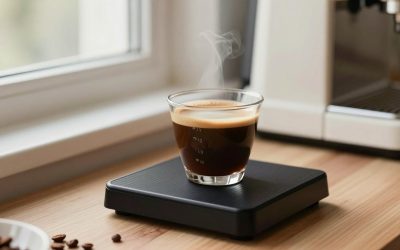
Let brewing finish what the roaster started. Espresso and moka pot, with their short contact time and small volume, are friendlier to many stomachs than a large mug of drip; cold brew is gentler still if you also enjoy it. Grind slightly coarser than you would for a punchy light roast, keep water just off the boil, and avoid over-extraction, which drags out harsh compounds even from gentle beans. Weighing doses on a scale with a timer keeps your extraction, and therefore your cup’s gentleness, consistent day to day.
Then run an honest two-week experiment. Pick one bean from this list, hold your brewing method steady, and pay attention to how you actually feel rather than to the label’s promises. Bodies differ, and the bag that soothes one drinker does nothing for another; the specialists like Java Planet and Lucy Jo’s earn their loyalty one stomach at a time. Also watch the additions, since milk moderates acidity for some people and worsens symptoms for others, and an empty-stomach espresso affects you differently than one after breakfast. Small notes, kept honestly, will find your answer faster than any review can.
Frequently Asked Questions
Is espresso worse than drip coffee for acid reflux?
Often it is gentler, despite its intense taste. An espresso serving is small and its extraction lasts under a minute, so the total acid load can be lower than a large mug of light-roast drip. Many sensitive drinkers do best with a single shot, with or without milk, from a smooth dark-roasted bean.
Does adding milk make coffee easier on the stomach?
For many people, yes, since milk dilutes and buffers the cup. For others, dairy itself is the trigger, and the coffee was never the whole problem. If lattes bother you but black espresso does not, experiment with oat or almond milk before blaming the bean. Track your own pattern for two weeks.
Are dark roasts always lower in acid than light roasts?
As a rule of thumb, yes: longer roasting breaks down chlorogenic acids and lowers perceived brightness. But execution matters, because a carelessly burnt dark roast introduces harsh, bitter compounds that irritate in their own way. A skillful medium-dark like Subtle Earth can treat your stomach better than a cheap French roast.
Do low-acid claims mean the coffee is pH tested?
Usually not. The term is unregulated, and most brands use it to describe origin selection and roasting style rather than laboratory measurement. Specialists like Java Planet add explicit mold and mycotoxin testing, which is a separate claim. Treat “low acid” as a style description and verify against your own experience.