Last updated: September 4, 2026
As an Amazon Associate we earn from qualifying purchases at no extra cost to you.




Disclosure: As an Amazon Associate we earn from qualifying purchases. This page contains affiliate links and we may earn a commission at no extra cost to you.
No origin divides coffee drinkers like Sumatra, and no origin inspires the same loyalty. The Indonesian island’s signature coffees, above all Mandheling from the north, taste like nothing else in the world: earthy, herbal, syrup-bodied, and famously low in acidity, with notes that reviewers reach for words like cedar, dark chocolate, and forest floor to describe. People who love Sumatra do not drink it sometimes; it becomes their coffee.
The flavor traces to a processing method nearly unique to the region. Giling basah, or wet hulling, strips the parchment from the bean while it is still partially wet, a practical adaptation to Sumatra’s humid climate that happens to produce the deep body and rustic, savory character the origin is famous for. Roasters almost always take Sumatran beans dark, because the profile has no delicate florals to protect and the roast amplifies exactly what fans come for.
The six picks below pair true Sumatra Mandhelings with the dark, heavy blends that scratch the same itch, plus one smooth outlier for contrast. Most are big-bodied, low-acid coffees that thrive in espresso, French press, and cold brew; in fact, if iced coffee is your summer habit, keep our guide to the best coffee for cold brew handy, because Sumatran beans are perennial favorites there.
Quick Comparison
| Product | Price | Rating |
|---|---|---|
| Starbucks Sumatra (Ground, 18 oz) | $13.33 | 4.7/5 |
| Starbucks Dark Roast Variety Pack | $30.30 | 4.7/5 |
| Lavazza Espresso Italiano (2.2 lb) | $22.99 | 4.6/5 |
| Peet’s Major Dickason’s Blend | $15.99 | 4.6/5 |
| Fresh Roasted Dark Sumatra Mandheling | $37.96 | 4.5/5 |
| Coffee Bean Direct Dark Sumatra Mandheling | $76.99 | 4.5/5 |
Why Trust This Guide
See also: 4 Best Coffee Beans for Iced Coffee (October 2026) Honest Reviews • Instant Espresso Brands Ranked
We ground these picks in roaster-published origin and roast information and in the well-documented character of wet-hulled Sumatran coffee, rather than in invented scores or recycled hype. Where a product is a blend or an outlier rather than a true Sumatra, we say so plainly and explain why it still earns its place.
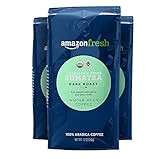
Starbucks Sumatra (Ground, 18 oz)
Starbucks Sumatra is many drinkers’ first contact with the origin, and honestly, it remains one of the most accessible. The profile is textbook: earthy and herbal with a heavy, almost weighty mouthfeel and barely-there acidity, taken to a dark roast that suits the style. At $13.33 for a generous 18 ounce bag, it is also the cheapest way on this list to find out whether Sumatra is your origin.
The compromise is the format: this bag comes pre-ground, which forfeits the freshness advantage of grinding per cup and locks you into one grind size. For drip brewers that is a modest sacrifice; for espresso it is a real one. Treat it as the low-risk audition, and if you fall for the profile, graduate to the whole-bean Mandhelings below and store them properly in an airtight container from day one.
Starbucks Dark Roast Variety Pack
This three-bag, 12-ounce-each whole bean set is the comparative tasting flight of the roundup: a tour through Starbucks’ dark roast range that lets you taste where Sumatra-style heaviness sits among its dark-roasted cousins. Tasting darks side by side is genuinely instructive, because “dark” hides real diversity, from smoky and sharp to earthy and syrupy.
It is the right buy for households that drink dark roast as a category rather than pledging allegiance to one origin, and the whole-bean format keeps each bag fresher than the pre-ground option above. The tradeoff is focus: only part of the set delivers the specific Sumatran character this page celebrates. Make the comparison rigorous with a tasting log; the habit, as our barista notebook review argues, turns a variety pack into a structured palate course.
Lavazza Espresso Italiano (2.2 lb)
The big Lavazza bag is this list’s deliberate contrast, a smooth, medium-roast, 100% Arabica Italian classic with none of Sumatra’s wild earth. Why include it? Because heavy, dark, low-acid coffee benefits enormously from a reference point, and because many Sumatra-curious drinkers discover they want the body without the funk. Pulling a Lavazza shot beside a Mandheling shot teaches you in two sips what paragraphs cannot.
On its own merits it remains one of the best-value whole-bean espresso staples anywhere: gentle chocolate and cereal sweetness, famously consistent, and friendly to every skill level. Keep it as the weekday baseline while the Sumatrans serve as the weekend statement, an arrangement any well-stocked home coffee bar has room for.
Peet’s Major Dickason’s Blend
Major Dickason’s is one of the most beloved dark roasts in American coffee, and its profile, deep, rich, smooth, with an earthy spine and full body, owes an unmistakable debt to Indonesian-style coffee character. For drinkers who find single-origin Mandheling a step too rustic, this blend delivers much of the same satisfaction with the edges rounded and the consistency of a flagship product roasted at enormous scale.
It is forgiving in every brewer, shines with milk, and costs $15.99 for a generous bag, making it arguably the best everyday-value dark roast here. The tradeoff is the inverse of its virtue: a blend engineered for smoothness will never show you the untamed, region-specific character that makes true Sumatra memorable. Audition both and let your palate vote.
Fresh Roasted Dark Sumatra Mandheling
This is the real thing: single-origin Sumatra Mandheling, dark roasted, sold as whole bean in a two-pound bag by a roaster known for printing roast dates and taking freshness seriously. Expect the full experience, syrupy body, dark chocolate, cedar and earth, sweet pipe-tobacco depth, and acidity so low the cup feels almost still.
As espresso it is gloriously forgiving and intensely flavorful; in a French press it is the archetypal heavy morning cup. Fresh whole beans matter doubly for dark roasts, whose surface oils stale quickly once ground, so this bag rewards grinding per dose. It is also a natural anchor for an origin-comparison habit; lining it up against an Ethiopian or Kenyan via an espresso bean sampler shows you the entire flavor map of coffee in one week.
Coffee Bean Direct Dark Sumatra Mandheling
Coffee Bean Direct’s dark Mandheling is the committed Sumatra drinker’s bulk play: the same wet-hulled, dark-roasted character as the Fresh Roasted bag, purchased at volume for a per-pound price that rewards loyalty. This is the bag you buy the second time, after the origin has already won you over and rationing has begun to feel absurd.
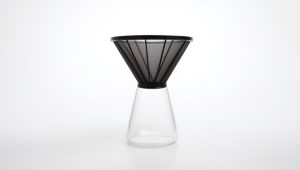
Bulk dark roast demands storage discipline, since exposed oils oxidize fast: decant into sealed containers immediately and keep the reserve cool and dark. Beyond espresso and press duty, a supply this size begs for batch projects, and Sumatra’s low-acid heaviness makes some of the best cold brew concentrate there is. Brew the fresh-ground surplus through a glass carafe pour-over set on slow mornings and you will taste how versatile this gruff origin can be.
What to Look For in Sumatra Coffee Beans
Sumatra’s distinctiveness means the usual buying rules need a few origin-specific amendments.
- The Mandheling name — Mandheling denotes the celebrated style from northern Sumatra; its presence on a label signals the classic earthy, full-bodied profile this origin is loved for.
- Wet-hulled processing — Giling basah is the engine of Sumatran character; bags that mention wet hulling are leaning into authenticity rather than sanding the origin smooth.
- Dark, but not incinerated — Sumatra wears dark roasts well, but past a point roast char erases even this origin’s personality; “dark” should still taste like somewhere.
- Whole bean over ground — Dark roast oils stale rapidly after grinding, so whole beans matter even more here than for lighter coffees.
- True single origin versus Sumatra-style blend — Blends deliver the comfort of the profile; single origins deliver its full untamed range. Know which experience you are buying.
- Volume matched to devotion — Bulk Mandheling is a bargain for the converted and a stale regret for the curious; let a small bag win you over before the big one ships.
Tips for Getting the Most Out of Sumatra Coffee Beans
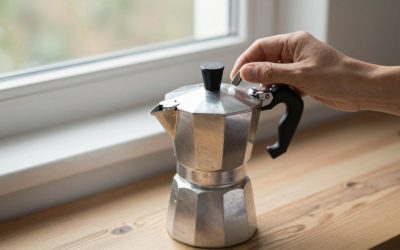
Lean into immersion and pressure, the methods that flatter weight. Sumatra’s glory is texture, and French press, espresso, and moka pot all preserve the oils and fine particles that carry it. Paper-filtered methods produce a cleaner, lighter Sumatran cup that some drinkers prefer but first-timers often find thin compared to the origin’s reputation; if you do brew it as filter, grind slightly finer than usual and savor the herbal top notes the paper reveals.
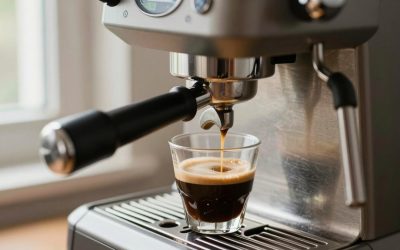
In espresso, shorten and sweeten. Dark, soluble Sumatran roasts extract fast, so classic ristretto-leaning ratios keep shots syrupy and chocolatey where longer pulls can turn ashy. It also stands up to milk magnificently; a Sumatra flat white tastes like dark chocolate ganache. Watch your shot times closely the first week, since wet-hulled beans often run a touch differently through a grinder than washed coffees of the same roast level.
And make cold brew before summer ends. Low acidity plus heavy body is precisely the cold brew formula, and Sumatra concentrates into a smooth, chocolatey base that needs nothing but ice. The bulk Coffee Bean Direct bag exists for exactly this kind of batch project, and overnight steeping asks nothing of your technique whatsoever.
Frequently Asked Questions
Why does Sumatra coffee taste earthy?
Primarily because of wet hulling, the giling basah processing method developed for Sumatra’s humid climate. Removing the parchment while beans are still partially moist changes how they dry and develop, producing the origin’s hallmark low acidity, heavy body, and earthy, herbal, sometimes cedar-like flavors. Terroir and traditional varieties contribute, but the processing is the signature ingredient.
Is Sumatra coffee good for espresso?
Very good, provided you like the profile. Its low acidity means shots never turn sour and unpleasant even when dial-in is imperfect, while the heavy body produces a thick, mouth-filling shot that carries beautifully into milk drinks. Drinkers who prefer bright, fruit-forward espresso will find it muddy; drinkers who want depth and chocolate will find it ideal.
What does Mandheling actually mean?
Mandheling refers to coffee in the style of the Mandailing people of northern Sumatra, and it functions as a trade name for the region’s classic wet-hulled coffee rather than a single estate or strict geographic boundary. On a label it promises the archetypal Sumatran experience: dark-friendly, full-bodied, earthy, and low in acid.
Is Sumatra coffee stronger than other coffee?
It tastes stronger because of its heavy body, dark roast styles, and intense flavors, but caffeine content depends more on dose, brew ratio, and bean variety than on origin. In fact, dark roasting slightly reduces bean mass, so spoon for spoon the difference is negligible. Sumatra’s strength is sensory, a richness and weight in the cup, rather than chemical.