Last updated: September 18, 2026
Weak espresso pressure usually shows up as a fast, pale shot with thin crema, a sour or watery flavor, or little liquid coming from the group head. The cause may be a grind that is too coarse, too little coffee, a clogged screen, scale buildup, or a pump that cannot maintain brewing pressure. The good news is that most low-pressure problems can be diagnosed without opening the machine.
Work slowly and change one variable at a time. If you grind finer, tamp harder, add more coffee, and descale simultaneously, you may improve the shot without learning what fixed it—or create a completely blocked portafilter. Before starting, unplug the machine whenever you remove a part, and never loosen a pressurized fitting while the machine is hot.
As an Amazon Associate we earn from qualifying purchases at no extra cost to you. Product prices and availability are accurate as of the date shown and are subject to change.


Quick answer: Our top pick in 2026 is the Fresh espresso beans — our #1 rated choice. See the full ranked comparison, alternatives and buying advice below.
What You Need
| Item | Why | Optional? |
|---|---|---|
| Fresh espresso beans | Stale beans can produce weak crema and inconsistent flow. Use beans roasted within about 2–6 weeks when possible. | No |
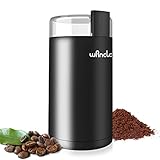
| Burr grinder | Allows small, repeatable grind adjustments. A fine espresso setting is essential for controlling flow. | No |
| Digital scale | Measures the coffee dose and beverage yield. A 0.1-gram resolution is useful. | Recommended |
| Timer | Helps compare shot times instead of relying only on appearance. | Recommended |
| Blind filter or cleaning basket | Tests pump pressure and helps backflush compatible machines. | Yes |
| Espresso machine cleaner | Removes coffee oils from the group head, valve, and portafilter. | Yes |
| Descaling solution | Breaks down mineral deposits that restrict water flow and damage heating components. | Yes |
| Soft brush, microfiber cloth, and clean water | For removing loose grounds, scale flakes, and milk residue. | No |
| Repair guide | A book such as Espresso Machine Repair Made Simple can help with model-specific troubleshooting and maintenance. | Yes |
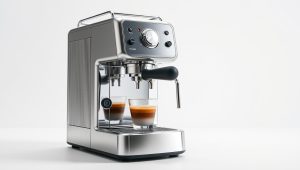
Many compact machines advertise 15 or 20 bar pump capacity, including some affordable models in the roughly $80–$120 range, such as the atatix Espresso Machine with Milk Frother. That number is the pump’s maximum, not the pressure your coffee should receive. Espresso is generally brewed near 9 bar, and a machine’s pressure gauge may read differently depending on where it measures pressure.
Step-by-Step
See also: How to Season a New Coffee Grinder (2026): Step-by-Step • How to Clean a Moka Pot Safely (2026): Step-by-Step
1. Confirm that the problem is pressure, not the recipe (5 minutes)
Run a shot using a standard starting point: 18 grams of coffee in a double basket and about 36 grams of espresso in the cup. Start the timer when the pump begins. A common target is approximately 25–35 seconds, though the best time varies by coffee and machine.
If 36 grams runs through in 10–15 seconds, the puck is offering too little resistance. That usually means the grind is too coarse, the dose is too small, or the puck has cracks and channels. If water barely comes through, the grind may be too fine or the basket overfilled. A weak-tasting shot does not automatically mean the pump is failing.
2. Check the water supply and tank (3 minutes)
Fill the reservoir with fresh, cool water to the manufacturer’s maximum line. Make sure it is seated fully and that its outlet valve is not blocked by debris. Inspect the intake tube, if visible, for kinks or a loose connection.
Run the hot-water function for 10–15 seconds. A steady stream suggests the machine can move water. A sputtering stream may indicate an air lock, low water level, or restricted intake. Turn the machine off, refill the tank, and run the priming or hot-water cycle described in its manual. Do not run the pump dry for more than a few seconds.
3. Improve the coffee dose and grind (10 minutes)
Weigh the dose before tamping. Use the basket’s intended capacity; many double baskets hold about 14–18 grams, while larger baskets may hold 18–22 grams. Do not force 20 grams into a basket designed for 14 grams.
Adjust the burr grinder one small step finer, distribute the grounds evenly, and tamp level with firm, consistent pressure. A level tamp matters more than an extreme tamping force. Lock in the portafilter and brew another shot using the same dose. If the shot is still fast, make another small grind adjustment. If the machine drips or stalls, move one or two steps coarser.
When adjusting the grind, purge a small amount of coffee so remnants of the previous setting do not distort the result. A properly prepared puck should leave enough clearance that it does not press hard against the shower screen; a light impression can be normal, but a deeply crushed puck signals overfilling.
4. Inspect the portafilter and basket (5–10 minutes)
Remove the basket and hold it toward a bright light. The holes should be open and evenly distributed. Soak a removable basket and portafilter in hot water with espresso cleaner for 10–15 minutes, then brush and rinse thoroughly. Never use soap that leaves a fragrance or film.
If you use a pressurized or “dual-wall” basket, confirm that its small outlet is not blocked. A blocked outlet can cause unusual pressure readings and poor flow. Also check that the portafilter locks firmly and that the basket is not bent. Replace a damaged basket rather than trying to reshape it.
5. Clean the group head and shower screen (10 minutes)
Turn off and cool the machine. Brush loose grounds from the group-head seal and the area around the shower screen. If the screen is removable according to the manual, take it off and rinse both sides. Coffee oil and compacted grounds can redirect water around the puck, creating fast, uneven extraction.
Reassemble the screen, insert a blind filter if your machine supports backflushing, and run short five- to 10-second pump cycles. Follow each cycle with a pause. Add espresso cleaner only if the manufacturer allows detergent backflushing. Rinse with several clean-water cycles afterward so no cleaner remains.
6. Descale the machine when appropriate (20–40 minutes)
Mineral scale can narrow internal passages and reduce water flow. Use the manufacturer’s descaling solution and dilution instructions; do not substitute vinegar unless the manual specifically permits it. Vinegar can leave an odor and may damage some seals or finishes.
Run the complete descale program, including its soaking pauses, then flush the machine with at least one full reservoir of clean water—or the volume specified by the manufacturer. Descaling will not fix a worn pump, and frequent unnecessary descaling can be hard on components, so use water-hardness guidance rather than guessing.
7. Test the pump and compare symptoms (5 minutes)
With a clean machine and an empty portafilter or approved blind filter, run the pump briefly. A strong, steady flow from the group head with no coffee installed suggests the pump and water path are functioning; the problem is more likely grind, dose, distribution, or a dirty basket.
If flow remains weak even without coffee, listen for unusual rattling, squealing, or repeated changes in pitch. A pressure gauge that never rises, a pump that runs continuously, or water leaking inside the case points to a valve, hose, flow meter, or pump problem. Stop testing if the machine smells electrical, trips a breaker, or becomes unusually hot.
Mistakes to Avoid
- Do not judge pressure solely by a machine’s advertised “15-bar” or “20-bar” rating. Brewing pressure and maximum pump pressure are different.
- Do not compensate for a coarse grind by tamping excessively hard. Fix grind size and puck preparation first.
- Do not use oily, flavored beans if your machine is already showing restricted flow. They can accelerate residue buildup.
- Do not poke basket holes with oversized needles or metal tools that can enlarge or deform them.
- Do not backflush a machine that the manual says is incompatible with that procedure.
- Do not remove panels while the machine is plugged in. Water, heat, and mains electricity create a serious shock hazard.
How Often
Wipe and flush the group head after every use, especially when switching between coffees. Empty the drip tray and rinse the portafilter and basket daily. Backflush with water every few days if approved by the manufacturer, and use detergent about once a week for daily use.
Descale according to water hardness and the machine’s indicator—often every 1–3 months for hard water and less frequently for filtered water. Replace the water filter on its stated schedule, commonly every 2 months or after a specified number of liters. Clean the grinder’s burr area every 1–2 weeks if you make several shots per day.
When to Call a Pro or Replace
Call a qualified technician if cleaning, descaling, and recipe adjustments do not restore flow; if water leaks from inside the housing; or if the pump, solenoid valve, wiring, or boiler appears to need replacement. Repair is especially sensible for a higher-end machine with available parts and a sound heating system.
Replacement may make more sense when a basic machine is several years old, has a failed boiler or pump, lacks replacement parts, and would cost roughly $150–$300 to repair. Stop using the machine immediately if it trips a breaker, produces a burning smell, exposes damaged wiring, or sprays boiling water unpredictably.
FAQ
What pressure should espresso brew at?
A traditional starting target is about 9 bar at the coffee puck. The machine’s pump may be rated at 15–20 bar, but that is maximum capacity and does not mean espresso should be brewed at 20 bar.
Why is my espresso watery even when the pressure gauge looks normal?
A normal gauge cannot correct a coarse grind, stale beans, low dose, poor distribution, or channeling. Weigh the dose and yield, grind finer in small steps, and aim for a roughly 1:2 coffee-to-espresso ratio as a starting point.
Can descaling fix weak espresso pressure?
Yes, if mineral deposits are restricting the water path. It will not repair a worn pump, failed valve, leaking hose, or electrical fault. Always use the machine’s approved descaler and flush completely.
How do I know whether the grinder or machine is at fault?
Run water with no coffee installed. Strong flow points toward the grinder or puck preparation. Weak, inconsistent flow with an empty portafilter points toward the reservoir, intake, scale, valve, or pump and deserves further service.
Ready to decide? Our #1 pick for 2026 is the Fresh espresso beans.
Live price & availability on Amazon.