Last updated: September 18, 2026
A new coffee grinder can produce a better cup immediately, but a short “seasoning” routine helps clear out dust, manufacturing residue, and the faint plastic or machine-oil smell that some appliances have out of the box. It also gives you a chance to learn how quickly your grinder reaches the texture you want.
Done badly, however, seasoning can create new problems. Grinding too much coffee at once may overheat a small motor, while using oily beans can leave a sticky film that attracts stale grounds. Hard materials such as uncooked rice may damage some grinders or void a warranty. The safest approach is simple: clean first, use a modest amount of inexpensive dry coffee, pulse in short bursts, and discard the grounds.
As an Amazon Associate we earn from qualifying purchases at no extra cost to you. Product prices and availability are accurate as of the date shown and are subject to change.
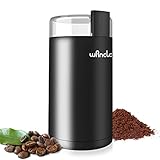
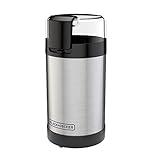
This method is designed primarily for compact blade grinders, including affordable one-touch models commonly priced from about $15.99 to $25.99. Burr grinders follow a different break-in process, which is covered below. Use the manual for your specific appliance whenever its instructions differ.
Quick answer: Our top pick in 2026 is the New coffee grinder — our #1 rated choice. See the full ranked comparison, alternatives and buying advice below.
What You Need
| Item | Why | Optional? |
|---|---|---|
| New coffee grinder | A blade or burr grinder that is clean, assembled correctly, and rated for coffee beans | No |
| 2 to 4 ounces of inexpensive, dry coffee beans | Absorbs minor odors and removes loose residue from the grinding chamber | No |
| Soft, dry brush | Clears grounds from the blade area, lid seam, and corners | No |
| Microfiber cloth | Wipes the outside and removable lid without leaving much lint | No |
| Small vacuum or air blower | Removes loose grounds from hard-to-reach areas | Yes |
| Kitchen scale | Measures small batches consistently and prevents overfilling | Yes |
| Timer | Keeps each grinding burst short and repeatable | Yes |
Two inexpensive examples are the Wancle Electric Coffee Grinder, Spice Grinder, One Touch Coffee Mill, listed around $15.99, and the BLACK+DECKER One-Touch Coffee & Spice Grinder with Stainless Steel Blades, listed around $25.99. Prices can change, and these compact appliances should be treated as small-batch grinders rather than high-volume machines.
Step-by-Step
See also: How to Clean a Moka Pot Safely (2026): Step-by-Step • How to Fix Weak Espresso Pressure (2026): Step-by-Step
1. Read the manual and identify the grinder type (5 minutes)
Check whether you have a blade grinder or a burr grinder. Blade models have a visible spinning blade in the bottom of the cup and usually operate while you hold down a button. Burr models crush beans between two shaped surfaces and often have a hopper and grind-size adjustment.
For either type, confirm that the coffee chamber, lid, and any removable parts are correctly installed. Look for a recommended maximum fill line, cleaning restrictions, and warnings about water, rice, spices, or continuous operating time. Do not begin if the cord, plug, cup, lid, or switch appears damaged.
2. Wash only the approved removable parts (5 to 10 minutes)
Unplug the grinder. If the manual permits it, wash the removable lid or cup with mild dish soap and warm water. Dry every part completely before reassembly. Never immerse the motor housing, base, cord, or electrical controls.
If the manual says the lid is not washable, wipe it with a barely damp cloth instead. Use a dry brush to loosen powder around the blade or burrs. Avoid putting fingers near a blade, even when the appliance is unplugged; use the brush or a folded cloth around the edges.
3. Add a small amount of sacrificial coffee (1 minute)
Measure 1 ounce, or about 28 grams, of inexpensive, dry, medium-roast coffee beans. Do not use flavored, very oily, damp, or unusually hard beans. Keep the batch below the grinder’s stated capacity. If no capacity is provided, use a shallow layer that leaves the blades or grinding chamber visibly un-crowded.
Seasoning is not a reason to fill a small grinder to the top. A crowded chamber creates uneven results and puts unnecessary load on the motor.
4. Pulse in short bursts (1 to 2 minutes)
Secure the lid and place the grinder on a stable, dry counter. Hold the button for 2 to 3 seconds, then release it for at least 5 seconds. Repeat 5 to 8 times, gently shaking the unplugged grinder between bursts if the manual allows it.
Short pulses prevent excessive heat and help move beans into the blade path. Stop immediately if you notice smoke, a sharp electrical smell, unusual vibration, grinding noises, or a housing that becomes uncomfortably hot. A mild coffee aroma is normal; a burning odor is not.
5. Discard the first batch (1 minute)
Pour the grounds into the trash or compost if appropriate. Do not brew them. They may contain loose manufacturing dust, plastic odor, or residue from the new appliance. Tap the chamber gently over a bin, but do not strike the grinder against a hard surface.
6. Repeat with a second batch if needed (2 to 3 minutes)
For a strong new-appliance odor, repeat the process with another 1 ounce, or 28 grams, of dry beans. Two small batches are preferable to one large batch. If the grinder smells normal after the first batch and the interior looks clean, a second run is optional.
After the second batch, unplug the appliance and allow it to cool for at least 10 minutes. Compact blade grinders often have limited heat management, so cooling is part of the seasoning process—not wasted time.
7. Brush and wipe the grinder (5 minutes)
Use the supplied brush or another soft, dry brush to remove grounds from the chamber, blade guard, lid, and rim. Wipe the exterior with a microfiber cloth. If a vacuum is available, hold its nozzle near the opening rather than pressing it onto delicate parts.
Do not rinse the motor base, spray cleaner into the chamber, or use compressed air aggressively. Moisture and fine particles can travel deeper into the appliance.
8. Grind your first drinkable batch conservatively (3 to 5 minutes)
Use a small amount of the coffee you actually plan to brew. For a single cup, begin with roughly 15 to 20 grams of beans, or your brewer’s normal dose. Pulse until the grounds look appropriate for your brewing method. Let the grinder cool if the motor has run for more than a few short bursts.
Inspect the grounds for unusual plastic fragments, metal particles, or a persistent chemical smell. If you find anything abnormal, do not brew the coffee. Unplug the appliance and contact the manufacturer.
Mistakes to Avoid
- Using rice as a cleaner: Some manuals specifically prohibit rice because it can be hard on blades, burrs, or the motor. Use dry coffee and a brush unless the manufacturer approves another method.
- Running the grinder continuously: One-touch grinders are not designed for long, uninterrupted operation. Use 2- to 3-second pulses with cooling pauses.
- Seasoning with oily beans: Dark, glossy beans can coat the chamber and make old grounds cling to the walls.
- Adding water to the motor housing: Moisture can cause electrical damage or corrosion.
- Overfilling: Keep the batch small, especially when no maximum capacity is printed on the appliance.
- Expecting seasoning to fix poor grind quality: A blade grinder will still produce a less uniform grind than a burr grinder. Seasoning cannot change its design.
- Ignoring persistent odors: A mild new-product smell should fade after one or two discarded batches. A strong burning or chemical odor requires a pause.
How Often
You generally season a new grinder only once. After that, clean it whenever you change from strongly flavored ingredients to coffee, or whenever grounds begin sticking to the chamber. For a frequently used blade grinder, brush out loose grounds every few uses and perform a more thorough dry cleaning about once a week.
Do not repeatedly grind sacrificial beans as a routine cleaning method. Doing so wastes coffee and adds oil to the grinder. Regular brushing is more effective. If you grind spices in the same appliance, clean it thoroughly before making coffee; spices such as cumin, chili, and cardamom can leave aromas behind for many batches.
Burr grinders may need a different break-in approach. Some owners run several small batches through a new burr set, but the correct amount depends on the grinder and burr material. Follow the manufacturer’s instructions rather than applying the blade-grinder method automatically.
When to Call a Pro or Replace
Stop using the grinder and contact the manufacturer if it sparks, trips a circuit, produces smoke, develops a burning smell, or makes a new scraping or electrical buzzing noise. Also ask for service if the blade or burr wobbles, the lid no longer locks, the cord becomes hot, or the motor starts and stops unexpectedly.
For low-cost grinders in the roughly $16 to $26 range, replacement is often more practical than repair when the motor, switch, or blade assembly fails outside the warranty period. Do not open the housing unless the manufacturer specifically authorizes it; doing so can create a shock hazard and may cancel warranty coverage.
FAQ
Does every new coffee grinder need seasoning?
No. “Seasoning” is a practical cleanup and familiarization step, not a universal requirement. Many new grinders can be used after a careful inspection and dry cleaning. Running one or two small batches of inexpensive coffee is useful when you notice a new-appliance odor or want to remove loose residue.
How much coffee should I use to season a grinder?
Start with 1 ounce, or 28 grams, and use a second 1-ounce batch only if needed. Keep each batch below the manufacturer’s maximum capacity. Small batches reduce heat, improve circulation, and are safer for compact one-touch models.
Can I season a grinder with rice?
Only if the manufacturer explicitly says rice is safe. Otherwise, avoid it. Uncooked rice can be hard enough to stress some blades or burrs, and fragments may create unwanted dust. Dry, inexpensive coffee beans are the safer general-purpose choice.
Is seasoning different for a burr grinder?
Yes. Burr grinders may need several batches to distribute grounds across the burr surfaces and stabilize retention, but the appropriate quantity varies widely. Follow the grinder’s manual, use the recommended beans, and do not assume a blade-grinder pulse schedule applies.
Ready to decide? Our #1 pick for 2026 is the New coffee grinder.
Live price & availability on Amazon.