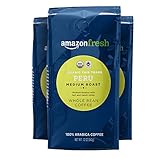
- Top Pick: Amazon Fresh, Organic Fair Trade Peru Whole Bean Coffee, Medium Roast, 12 Oz
- Best Value: Amazon Fresh Organic Fair Trade Peru Whole Bean Coffee, Medium Roast, 12 Ounce (Pack of 3)
- Premium Choice: Tiny Footprint Coffee – Fair Trade Organic Nicaragua Segovia Dark Roast | Whole Bean Coffee | USDA Organic | Fair Trade Certified | Carbon Negative | 3 Pound
Last updated: October 21, 2026
As an Amazon Associate we earn from qualifying purchases at no extra cost to you.



Disclosure: As an Amazon Associate we earn from qualifying purchases. This page contains affiliate links and we may earn a commission at no extra cost to you.
Coffee is one of the few grocery purchases where the gap between what you pay and what the farmer receives can be genuinely shocking. Fair trade certification exists to narrow that gap, guaranteeing minimum prices and community premiums to the cooperatives that grow the beans. For a home espresso enthusiast, buying fair trade is one of the rare ethical choices that costs little and changes nothing about your morning routine, provided you pick bags that are also simply good coffee.
That last part is where this guide comes in. The fair trade shelf is broad, and it spans everything from extreme-caffeine dark roasts to delicate high-altitude lots. The six bags below were chosen because each one stands on flavor first, with certification as the bonus rather than the excuse. There is a famously aggressive dark roast, a budget store-brand French roast, a carbon-negative Nicaraguan, a beloved Canadian organic blend, and two smooth Latin American workhorses.
All six are whole-bean products, because grinding fresh remains the single biggest upgrade in home coffee. If you are still pouring pre-ground into your machine, our side-by-side look at burr grinder versus pre-ground coffee will make the case better than any label can.
Quick Comparison
| Product | Price | Rating |
|---|---|---|
| Death Wish Dark Roast (16 oz) | $17.48 | 4.6/5 |
| Whole Foods Dark French Roast | $13.99 | 4.6/5 |
| Tiny Footprint Nicaragua Segovia | $48.49 | 4.6/5 |
| Kicking Horse Three Sisters (2.2 lb) | $35.95 | 4.5/5 |
| Mt. Comfort Organic Peru (2.5 lb) | $29.99 | 4.5/5 |
| Cameron’s Scandinavian Blend (4 lb) | $29.48 | 4.5/5 |
Why Trust This Guide
See also: 4 Best Coffee Beans for Iced Coffee (October 2026) Honest Reviews • Instant Espresso Brands Ranked
We assemble these lists from real home-brewing experience, each product’s own stated certifications and origins, and the patterns that persist across long-term owner feedback, never from invented test data. We name tradeoffs plainly, we treat ethical claims with the same scrutiny as flavor claims, and we only feature beans we would happily grind ourselves.
Death Wish Dark Roast
Death Wish built its reputation on being the strongest cup on the shelf, but the detail people miss is that it is also USDA Organic and Fair Trade certified, a combination that is rarer than it should be in the high-caffeine niche. The blend leans on Robusta for its trademark punch, which brings a side benefit espresso drinkers will appreciate: thick, persistent crema and a heavy body that bullies its way through any amount of milk.
The flavor is dark cherry and chocolate over an unmistakably intense, roasty base. This is not a subtle coffee and does not pretend to be; sensitive drinkers should treat the caffeine level with genuine respect, perhaps starting with single shots. For cold brew fans it is a legend, and our guide to the best coffee for cold brew explains why high-Robusta dark roasts excel in that format.
Whole Foods Dark French Roast
The 365 organic dark French roast is the value anchor of this list at $13.99, and it is proof that ethical sourcing does not require boutique pricing. The profile is exactly what the label promises: smoky and sweet, smooth and heavy, with the caramelized edge that French roast fans want and everyone else should approach knowingly.
As espresso it produces a classic dark shot with low acidity and big body, very much at home under steamed milk or in a moka pot. The limits are the usual French roast limits, since origin character is roasted past the point of detection and delicate-coffee drinkers will find it one-dimensional. As a daily, budget-friendly, certified workhorse for milk drinks, it is extremely hard to beat. Keep it in sealed airtight bean storage, as oily dark roasts fade fast in an open bag.
Tiny Footprint Nicaragua Segovia
Tiny Footprint claims a distinction few roasters can: it markets itself as carbon-negative, funding reforestation in Ecuador’s cloud forest to offset more carbon than its roasting produces, on top of Fair Trade and organic certification for this Nicaraguan lot. The coffee itself is a dark-roasted single origin from Nueva Segovia, one of Nicaragua’s most respected growing regions.
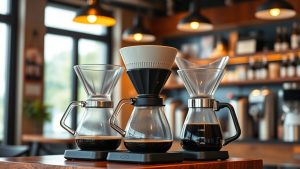
In the cup, expect dark chocolate depth with more sweetness and origin personality than a typical dark roast, because the underlying lot quality is high. The price is the obvious tradeoff, and at $48.49 it is the most expensive bag here by a wide margin, partly because you are funding trees along with farmers. For a special-occasion bag or a gift for the values-driven coffee lover, it is a singular product. Brewing it carefully on a glass pour over carafe set on weekends shows a gentler side the espresso machine hides.
Kicking Horse Three Sisters
Kicking Horse is Canada’s flagship organic and fair trade roaster, and Three Sisters is its balanced crowd-pleaser: a medium roast blend named for the Rocky Mountain peaks near its roastery. The profile blends savory cocoa with mellow fruit, hitting the agreeable center of the flavor map where almost any brew method and almost any palate finds something to like.
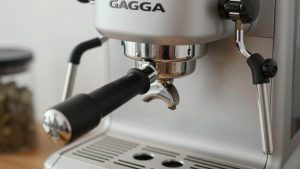
The 2.2-pound format at $35.95 prices it above the bulk options here but below boutique territory, fair for a certified blend with this reputation. In the portafilter it makes a sweet, balanced medium shot; in a French press it is just as comfortable. The tradeoff is that versatility cuts both ways, and drinkers who want a strongly opinionated cup, in either the bright or smoky direction, may find it diplomatic to a fault. It is the safest single recommendation on this page for an unknown palate.
Mt. Comfort Organic Peru
Peruvian coffee is quietly one of fair trade’s biggest success stories, with smallholder cooperatives producing certified organic lots of remarkable quality, and Mt. Comfort’s 2.5-pound medium roast captures that at a sensible price. The stated notes of nutty chocolate are accurate to the Peruvian style: gentle, sweet, and clean, with soft acidity that flatters both espresso and drip.
This is the bag for households that want one certified coffee to do everything without drama. Its mild personality is also its limit, since it will never startle you, in either direction. The 2.5-pound bag demands the usual bulk discipline of portioning and sealing on arrival. If your mornings alternate between espresso and other brewers, this bean transitions gracefully, and it behaves beautifully in a stovetop cezve for an occasional change of pace.
Cameron’s Scandinavian Blend
Cameron’s Scandinavian Blend brings the bulk value: four pounds of certified organic, smoothly roasted coffee for under $30, which works out to a per-pound price most certified competitors cannot approach. The Scandinavian style here means a lighter-medium roast with bright, clean flavor, a nod to the Nordic preference for letting bean character survive the roaster.
It is the most breakfast-friendly coffee on this list, lovely in drip and pour over, and it makes a pleasant, lighter-style espresso for drinkers who find dark shots tiring. The four-pound format is both its superpower and its trap: portion and freeze most of it immediately or the final pound will taste like cardboard regret. Households roasting through bags this large might eventually enjoy exploring home green-bean roasting equipment, where fair trade green beans cost even less.
What to Look For in Fair Trade Coffee Beans
Certified coffee shopping rewards a little label literacy. Here is what actually deserves your attention:
- The actual certification mark — Fair Trade Certified and Fairtrade International seals are audited; phrases like “fairly sourced” or “direct trade” may be sincere but are unverified. Know which one is on your bag.
- Stacked certifications — many of the best bags pair fair trade with USDA Organic, as five of our six picks do. The combination usually signals a cooperative with serious quality processes.
- Roast level for your use — fair trade spans everything from Scandinavian-light to French roast. Buy for your brewing habit, not for the certification alone.
- Origin specificity — a named region like Nueva Segovia or a named cooperative suggests traceability that vague “blend of fine coffees” language does not.
- Realistic bag sizing — certified bulk bags save real money but only with disciplined storage. Four pounds of stale coffee helps nobody, farmer included.
- Price sanity — fair trade adds a modest, worthwhile premium. A bag priced at triple the market is charging for branding beyond the certification, which is fine only if you know that is what you are paying for.
Tips for Getting the Most Out of Fair Trade Coffee Beans
Treat certified beans like the fresh produce they are. The certification protected the farmer; your storage habits protect the flavor. Portion bulk bags on arrival, keep the working supply in an opaque sealed canister, and freeze the rest in weekly portions. Grind immediately before brewing, and weigh your doses, because consistency is what lets you actually taste the difference between, say, the Peruvian and the Nicaraguan lots instead of the difference between Tuesday’s scoop and Wednesday’s.
It is also worth rotating intentionally. Fair trade cooperatives span the entire flavor spectrum, and cycling between a bright Scandinavian-style roast, a balanced Canadian blend, and an intense Robusta-heavy dark over a few months is a genuine education in what origin and roast each contribute. Keep brief notes per bag, even just three words and a verdict. When a bean truly earns a permanent slot on your shelf or your coffee gear shelf, you will know exactly why, and you will stop re-buying disappointments.
Frequently Asked Questions
Does fair trade certification mean the coffee tastes better?
Not by itself. The certification governs prices paid to growers, labor standards, and community premiums, not cup quality. In practice, certified cooperatives often produce careful, well-processed lots, and certified bags skew toward solid quality. But you should still choose by roast level, origin, and roaster reputation, exactly as with any coffee.
Why is some fair trade coffee so much more expensive than other certified bags?
The certification premium itself is modest. Larger price gaps come from everything else: single-origin scarcity, organic certification stacking, small-batch roasting, and brand positioning. That is why this list spans $13.99 to $48.49, with all bags certified. Decide which extras matter to you and pay for those deliberately.
Is fair trade coffee good for espresso specifically?
Certification is unrelated to espresso suitability, so judge each bag the usual way: roast level, blend composition, and density. From this list, Death Wish and the Whole Foods French roast make classic dark shots, Kicking Horse and Mt. Comfort pull balanced medium espresso, and the Scandinavian Blend suits drinkers who like lighter, brighter shots.
What is the difference between fair trade and direct trade?
Fair trade is a third-party audited system with minimum prices and premiums paid to certified cooperatives. Direct trade describes a roaster buying straight from farms, sometimes at prices well above fair trade minimums, but with no independent verification. Neither is automatically superior; audited floors and genuine relationships solve different problems in the supply chain.