Last updated: October 20, 2026
The best coffee bean for iced coffee is a medium roast, 100 percent Arabica bean with sweet, chocolatey or caramel notes, because that profile survives chilling and dilution without turning sour or bitter. Stumptown Holler Mountain is our top pick for flash-chilled and over-ice coffee, and Bizzy Organic Cold Brew (Smooth & Sweet) is the easiest pick if you make cold brew and want a bag already ground coarse. If you make iced lattes with an espresso machine, Lavazza Super Crema is the practical choice. The rest of this guide explains why the brewing method matters as much as the bean, and which bag to choose for each method.
This guide is research-based. We compared roaster descriptions, product listings and published brewing guidance. We did not personally use these products, and we do not rank flavor with scores. Where a roaster does not list a detail such as roast date or origin, we say “not listed”.
- Top Picks at a Glance
- Comparison Table: Best Coffee Beans for Iced Coffee
- How the Brewing Method Changes the Best Coffee Bean for Iced Coffee
- Roast Level Quick Guide
- 1. Stumptown Holler Mountain: Best Overall for Iced Coffee
- 2. Bizzy Organic Cold Brew, Smooth & Sweet: Best for Cold Brew
- 3. Stone Street Cold Brew Colombian: Best Low-Acid Dark Roast
- 4. Lavazza Super Crema: Best for Iced Lattes
- 5. Eight O’Clock Coffee The Original: Best Budget Bag
- 6. San Francisco Bay Fog Chaser: Best Medium-Dark Everyday Bag
- Also Consider
- How We Chose
- Buying Guide
- Mistakes to Avoid
- Frequently Asked Questions
- Which One Should You Buy?
- Sources
Top Picks at a Glance
- Best Overall: Stumptown Coffee Roasters Holler Mountain (medium roast, whole bean, 12 oz).
- Best for Cold Brew: Bizzy Organic Cold Brew, Smooth & Sweet Blend (coarse ground, medium roast).
- Best for Low Acidity: Stone Street Cold Brew Colombian Dark Roast (coarse ground, low-acid claim from the roaster).
- Best for Iced Lattes: Lavazza Super Crema (medium espresso roast, Arabica and Robusta blend, 2.2 lb).
- Best Budget in Bulk: Eight O’Clock Coffee The Original (medium roast, 30 oz).
- Best Medium-Dark Everyday Bag: San Francisco Bay Fog Chaser (medium-dark, 100% Arabica, 2 lb).
Comparison Table: Best Coffee Beans for Iced Coffee
See also: Instant Espresso Brands Ranked • How to Season a New Coffee Grinder (2026): Step-by-Step
| Product | Best for | Key specs (as listed) | Watch for | Price tier |
|---|---|---|---|---|
| Stumptown Holler Mountain | Flash-chilled and over-ice coffee | Medium roast, whole bean, 12 oz | You need a grinder | Premium |
| Bizzy Organic Cold Brew (Smooth & Sweet) | Cold brew pitchers and French presses | Medium roast, 100% Arabica, coarse ground, micro sifted, organic, 1 or 2 lb | Pre-ground loses freshness faster | Mid-range |
| Stone Street Cold Brew Colombian | Low-acid, chocolatey cold brew | Dark roast, Arabica Supremo, coarse ground, 1 or 2 lb | Dark roast can taste heavy over ice | Mid-range |
| Lavazza Super Crema | Iced lattes and shaken espresso | Medium espresso roast, Arabica and Robusta blend, whole bean, 2.2 lb | Robusta adds bite if over-extracted | Mid-range |
| Eight O’Clock The Original | High-volume, budget iced coffee | Medium roast, whole bean, 30 oz, “sweet, fruity, well-balanced” per the listing | Less specialty-level detail | Budget |
| San Francisco Bay Fog Chaser | Everyday cold or hot brewing | Medium-dark roast, 100% Arabica, whole bean, 2 lb, suited to pour-over, drip and French press | Darker roast reduces fruitiness | Mid-range |
How the Brewing Method Changes the Best Coffee Bean for Iced Coffee
“Iced coffee” means two different drinks, and each wants a different bean.
- Flash-chilled (Japanese-style) iced coffee is brewed hot directly over ice. Hot water extracts bright acids and aromatics, and the ice locks them in. Medium roasts with some natural sweetness shine here; very light roasts can taste sharp once cooled.
- Cold brew steeps coarse grounds in cool water for 12 to 18 hours. Cold water extracts fewer acids and bitter compounds, so the result tastes smoother and sweeter. Medium to dark roasts work well, and chocolate or nutty notes come through clearly.
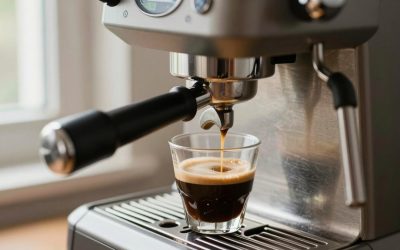
- Espresso over milk and ice needs a bean that cuts through dairy. A medium espresso roast with a bit of Robusta or a darker Arabica blend holds up.
As a rule of thumb, brew stronger than you would for a hot cup. Ice dilutes the coffee by roughly a quarter to a third as it melts, so a recipe that tastes right hot will taste weak over ice unless you adjust the ratio or chill it with coffee ice cubes.
Roast Level Quick Guide
| Roast | Taste over ice | Best method | Example in this guide |
|---|---|---|---|
| Light | Bright, acidic, can turn sharp when cooled | Slow flash-chill with extra coffee | None selected |
| Medium | Balanced, sweet, caramel and cocoa notes | All methods | Stumptown Holler Mountain, Bizzy Smooth & Sweet, Eight O’Clock |
| Medium-dark | Fuller body, less fruit, mild bitterness | Cold brew, French press | San Francisco Bay Fog Chaser |
| Dark | Roasty, chocolatey, low perceived acidity | Cold brew concentrate with milk | Stone Street Colombian |
1. Stumptown Holler Mountain: Best Overall for Iced Coffee
- Roast: medium
- Format: whole bean, 12 oz bag
- Roaster: Stumptown Coffee Roasters
- Origin and roast date: blend of origins, not listed in detail on the product page we reviewed
Best for: flash-chilled iced coffee, pour-over over ice and cold brew if you grind coarse yourself. Skip if: you want a pre-ground bag or a very low price per ounce.
Holler Mountain is the all-rounder. A medium roast gives enough sweetness to taste good over ice without the sharp edges of a light roast, and it has enough body to survive dilution. For a flash-chill brew, use a ratio a little richer than normal: for example 30 g of coffee brewed with 300 g of hot water poured over 150 g of ice. That gives roughly the strength of a 1:15 cup after the ice melts.
If you make cold brew, grind coarse (like sea salt) and steep for 14 to 16 hours at a 1:5 concentrate ratio, then dilute. A bag of 12 oz is about 340 g, which makes around two 120 g concentrate batches, so it fits a one-person household best.
Pros: versatile; medium roast; widely respected roaster; works for several methods. Cons: whole bean only; premium price tier; small bag.
2. Bizzy Organic Cold Brew, Smooth & Sweet: Best for Cold Brew
- Roast: medium
- 100% Arabica, organic, micro sifted
- Coarse ground, optimized for cold brew
- Sizes: 1 lb and 2 lb
Best for: anyone who wants to scoop and steep without a grinder. Skip if: you drink coffee slowly; pre-ground coffee loses aroma faster than whole beans.
This bag removes the biggest cold brew mistake: using the wrong grind. Coarse, micro-sifted grounds mean fewer fine particles, which means a cleaner pitcher and less sludge at the bottom. A medium roast gives a naturally sweet drink with a mellow finish, which is why this blend works with a splash of milk or none at all.
A 1 lb bag is about 454 g. At a 1:5 concentrate ratio (100 g coffee to 500 g water) you get about four batches from one pound. Dilute each concentrate roughly 1:1 and each batch yields around 1 liter of ready-to-drink coffee.
Pros: pre-ground coarse; organic; medium roast; two sizes. Cons: not suitable for espresso or pour-over; freshness fades once opened.
3. Stone Street Cold Brew Colombian: Best Low-Acid Dark Roast
- Roast: dark
- Arabica Supremo beans, Colombian
- Coarse ground; resealable foil-lined bag
- Listing claims: low-acid, nutty and chocolate notes; suited to French press, pitcher or mason jar
- Sizes: 1 lb and 2 lb
Best for: drinkers who add milk or cream and want a smooth, chocolatey base. Skip if: you prefer fruity, bright coffee.
Dark roasts taste roastier and fuller, and cold extraction softens bitterness further. The result is a classic cafe-style iced coffee with milk. “Low-acid” on the listing is the roaster’s claim, so read it as “low perceived acidity” rather than a measured pH value. If you are sensitive to acidic coffee, a dark roast cold brew is a reasonable thing to try, but check with a doctor if you have a medical reason to limit coffee.
Because dark roast is more soluble, don’t steep it longer than 16 hours; extra time makes it taste woody. A resealable bag helps keep the grounds from drying out between batches.
Pros: coarse ground; chocolate and nut notes; works with milk; resealable bag. Cons: little fruit or brightness; dark roast can taste heavy over ice.
4. Lavazza Super Crema: Best for Iced Lattes
- Roast: medium espresso roast
- Blend: Arabica and Robusta
- Whole bean, 2.2 lb (about 1 kg) bag
Best for: iced lattes, shaken espresso and cold coffee with milk made on an espresso machine. Skip if: you want only light, fruity black iced coffee.
If you brew iced lattes at home, you need a bean that tastes good as espresso and stays assertive under milk and ice. A medium espresso roast with a small share of Robusta gives body and crema, and it holds its character when diluted. For an iced latte, pull 36 g of espresso from an 18 g dose, pour it over ice and top with cold milk.
A 2.2 lb bag is about 1 kg, enough for roughly 55 doses of 18 g, or about two months for someone who drinks one iced latte a day. Store beans in an airtight container away from heat.
Pros: espresso-friendly; large bag; good with milk; widely available. Cons: Robusta adds bitterness if the shot is over-extracted; not a specialty single-origin profile.
5. Eight O’Clock Coffee The Original: Best Budget Bag
- Roast: medium
- Whole bean, 30 oz
- Flavor description in the listing: sweet, fruity, well-balanced
Best for: high-volume iced coffee drinkers, households and offices. Skip if: you want a single-origin, high-end specialty coffee.
When you drink iced coffee every day, price per ounce matters. This large bag, at roughly 850 g, delivers enough coffee for a lot of batches. Medium roast with a balanced profile works across flash-chilled, drip-over-ice and cold brew. It will not have the nuance of a specialty roaster, but ice and milk hide much of that difference anyway.
To get the most from a large bag, divide it into smaller airtight containers and keep one out at a time. Freezing portions is a common coffee-industry suggestion, but let the beans reach room temperature before opening to avoid condensation.
Pros: large bag; balanced profile; whole bean; budget tier. Cons: less distinctive; roast date and origin details not listed.
6. San Francisco Bay Fog Chaser: Best Medium-Dark Everyday Bag
- Roast: medium-dark
- 100% Arabica, whole bean, 2 lb bag
- Listing suggests pour-over, drip and French press
Best for: cold brew in a French press or pitcher, and hot coffee on cold mornings. Skip if: you dislike roasty flavors.
Fog Chaser sits between Holler Mountain and the dark roasts. It has more body and less brightness, which suits cold brew and milk-based iced coffee. The 2 lb size is a sensible middle: enough for several weeks, small enough to stay fresh. If you own a burr grinder, set it coarse for cold brew and medium for drip over ice.
Pros: 100% Arabica; versatile; large bag. Cons: darker roast hides origin flavors; needs a grinder.
Also Consider
Bizzy Organic Cold Brew, Dark & Bold
The darker sibling of the Smooth & Sweet blend, coarse ground and micro sifted. Choose it if you add milk and sugar.
Starbucks Pike Place Roast, Whole Bean (28 oz)
A medium roast, 100% Arabica bag that is widely available and easy to find in large size. A dependable option for flash-chilled coffee.
Stack Street Organic Cold Brew Colombian Supremo (coarse ground, dark roast)
A single-origin, coarse-ground bag aimed at cold brew pitchers, with a micro-roast and direct-trade description on the listing.
How We Chose
We started with the roast levels and grinds that suit iced coffee: medium for balance, medium-dark and dark for cold brew with milk, and espresso roast for iced lattes. We reviewed roaster descriptions, product listings and published brewing guidance from specialty coffee organizations. We looked for 100 percent Arabica where possible, and included one Arabica and Robusta blend for the espresso use case. We did not personally use these products and we did not rank taste. Details that a listing does not state, such as roast date or exact origins, are marked as not listed. We limited the picks to two products per brand.
Buying Guide
Choose the roast for your method
Medium roast is the safest starting point for most people. For cold brew, medium to dark works. For espresso-based iced drinks, choose an espresso-labeled medium or medium-dark roast. Avoid very light roasts for cold-brew unless you enjoy tart, tea-like coffee.
Whole bean vs. pre-ground
Whole beans stay fresh longer and give you control over grind size. Pre-ground coarse coffee is convenient for cold brew and removes the need for a burr grinder. If you buy pre-ground, choose a bag labeled for cold brew with a coarse, evenly sifted grind, and use it within a few weeks of opening.
Grind size
Coarse for cold brew and French press, medium for drip over ice, fine for espresso. A grinder with consistent particles matters more than the price of the beans.
Ratio and dilution
For flash-chilled coffee use about 1:10 coffee to total brew water, with ice making up about a third of the water. For cold brew concentrate use 1:4 to 1:5, then dilute 1:1 with water or milk. For ready-to-drink cold brew use about 1:8.
Freshness and storage
Keep beans in an airtight, opaque container at room temperature. Roast date is the best freshness signal; many specialty roasters print it on the bag. If no date is listed, buy smaller quantities more often.
Mistakes to Avoid
- Brewing hot coffee normally and pouring it over ice. It dilutes the drink and tastes watery. Use less water and more coffee.
- Choosing a very light roast for cold brew. It can taste thin or grassy.
- Using fine grounds for cold brew. Sludge and over-extraction result.
- Ignoring the water. Hard or heavily chlorinated water changes the taste more than a small bean upgrade.
- Leaving cold brew in the fridge too long. Finish it within about a week to ten days.
Frequently Asked Questions
What roast is best for iced coffee?
Medium roast is the best all-round choice because it keeps sweetness and body when chilled. Medium-dark and dark roasts work well for cold brew with milk.
Can I use any coffee beans for cold brew?
Yes, but results vary. Use a coarse grind and a medium to dark roast for the smoothest drink. Very light roasts can taste sour in cold brew.
Is cold brew less acidic than hot-brewed iced coffee?
Cold brew is often described as smoother and less acidic in taste. If acidity bothers you, a dark roast and cold extraction may help, but consult a doctor if you have a medical concern.
How much coffee should I use for iced coffee?
For flash-chilled, about 30 g coffee with 200 g hot water and 100 g ice is a common starting recipe for one large glass. For cold brew concentrate, use 1 part coffee to 4 or 5 parts water.
Should I buy whole bean or pre-ground for iced coffee?
Whole bean gives better freshness and control. Pre-ground coarse coffee is more convenient for cold brew, as long as you use it quickly after opening.
What is the best coffee for iced lattes?
A medium or medium-dark espresso roast, such as Lavazza Super Crema, holds up against milk and ice. Pull a slightly concentrated shot and pour it over ice before adding milk.
Can I use espresso beans for cold brew?
You can, but grind coarse. Espresso roasts are often darker and more soluble, so steep 12 to 14 hours rather than 18.
Which One Should You Buy?
Pick Stumptown Holler Mountain if you want one bean that works for flash-chilled, cold brew and over-ice drinks. Pick Bizzy Smooth & Sweet if you want to scoop and steep with no grinder. Pick Stone Street if you add milk and like a chocolatey, low-acid-tasting drink. Pick Lavazza Super Crema for iced lattes, Eight O’Clock for a big, budget-friendly bag, and Fog Chaser for a medium-dark everyday coffee. Whatever you choose, brew it a little stronger than usual and let your method guide the grind.
Sources
- Stumptown Coffee Roasters product and brewing pages
- Bizzy, Stone Street, Stack Street, Lavazza, Eight O’Clock, San Francisco Bay and Starbucks product pages
- Specialty Coffee Association brewing resources
- National Coffee Association guides on cold brew and iced coffee
- Roaster brewing guides on flash-chilled iced coffee ratios
Last updated: October 2026