- Top Pick: Java Planet Low Acid Organic Guatemalan Coffee Beans, Medium Roast, 16 oz
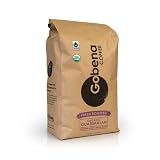
- Best Value: Gobena Coffee 5lb Fair Trade Organic Certified Guatemalan Whole Bean Medium Roast, 100% Arabica Specialty Coffee, 80 ounces, 5 pounds, Bulk
- Premium Choice: Café Fair Dark Guatemalan | Organic Fair Trade Certified Coffee | WHOLE BEAN | Dark Roast | 10 oz | PACK OF 6
Last updated: October 21, 2026


Limited Time
3LB Pablo's Pride Guatemala – Medium-Dark Roast – Whole Bean Coffee – Low Acidity – 3 Pound (3 lb) Bag


Mt. Comfort Coffee Guatemala Medium Roast, 2.5lb – Sourced From Small, Guatemalan Coffee Farms – Flavor Notes of Chocolate & Caramel – Roasted Whole Beans
View on Amazon
Disclosure: As an Amazon Associate we earn from qualifying purchases. This page contains affiliate links and we may earn a commission at no extra cost to you.
As an Amazon Associate we earn from qualifying purchases at no extra cost to you.



Guatemalan coffee is what happens when geography conspires in coffee’s favor. Volcanic soil, high-altitude growing regions, and a climate of warm days and cool nights produce dense, slow-matured beans with a balance few origins can touch: chocolate depth like a Brazilian, lively brightness like an African coffee, and a spiced, full-bodied character that is entirely its own. For espresso drinkers, that balance is gold, complex enough to be interesting shot after shot, structured enough to never taste thin.
Antigua, Huehuetenango, Atitlán: Guatemala’s famous growing regions read like a tasting menu, and the best bags on the market tell you exactly where they came from. Better still, Guatemalan coffee is one of the great values in specialty buying. Because the origin is less hyped than Ethiopia or Jamaica, genuinely excellent beans routinely sell at everyday prices, including the generous bulk bags that dominate this roundup.
Below are six Guatemalan coffees worth your grinder, from a five-pound specialty haul to a famous Antigua you can find anywhere. Most arrive as whole beans in large formats, so before the first bag lands, make sure your storage game is ready; our guide to airtight and freezer bean storage shows how to keep pound three tasting like pound one.
Quick Comparison
| Product | Price | Rating |
|---|---|---|
| Gobena Guatemalan (5 lb) | $68.99 | 5.0/5 |
| Cameron’s Organic Guatemala (4 lb) | $43.33 | 4.8/5 |
| Pablo’s Pride Guatemala (3 lb) | $46.99 | 4.6/5 |
| Starbucks Guatemala Antigua | $23.67 | 4.6/5 |
| Java Planet Low Acid Organic Guatemala | $26.99 | 4.5/5 |
| Mt. Comfort Guatemala (2.5 lb) | $29.99 | 4.4/5 |
Why Trust This Guide
See also: 4 Best Coffee Beans for Iced Coffee (October 2026) Honest Reviews • Instant Espresso Brands Ranked
These recommendations are built from roaster-stated origins, roast levels, and certifications, read through established knowledge of Guatemalan growing regions and how high-altitude Central American coffees behave in espresso and filter brewing. We do not fabricate tasting scores, and we are explicit about which drinker each bag genuinely serves.
Gobena Guatemalan (5 lb)
Gobena’s five-pound bag of fresh-roasted, 100% Arabica Guatemalan is the bulk-buy benchmark of this list. Specialty-grade coffee at this volume changes how you drink: no rationing, no anxiety about practice shots, and a per-cup cost that undercuts grocery-store bags of far lesser pedigree. The profile is classic Guatemala, cocoa and caramel up front with a clean, gently bright finish.
The five-pound format is also its only real caveat. Freshness is a clock, and unless your household drinks coffee daily, you will want to split the bag into smaller sealed containers on arrival, with most of it stashed away from heat and light. For two-a-day espresso homes and offices, though, this is the most rational purchase on the page, and the bag every aspiring home barista with a thirsty machine should consider first.
Cameron’s Organic Guatemala (4 lb)
Cameron’s brings certified organic Guatemalan coffee to a four-pound format at a price that works out impressively low per cup. The house style favors smooth, approachable roasts that never tip into char, and that restraint suits Guatemalan beans, letting the origin’s chocolate and subtle fruit speak instead of the roaster.
This is the bag for households that want an organic everyday coffee without boutique pricing, and its easygoing profile performs across methods, espresso, drip, and especially pour-over, where its clarity earns its keep. If you brew filter on weekends, our V60 versus Chemex comparison will help you pick the brewer that flatters coffees exactly like this one. Drinkers chasing maximum intensity should look to the darker Pablo’s Pride below.
Pablo’s Pride Guatemala (3 lb)
Pablo’s Pride roasts its Guatemalan beans medium-dark and aims squarely at the espresso crowd: deeper caramelization, heavier body, and deliberately low acidity that makes shots taste plush and finish smooth. If your reference point for great coffee is a rich café cappuccino rather than a bright filter cup, this three-pound bag speaks your language fluently.
The medium-dark roast also makes it the most forgiving Guatemalan here for dial-in, an advantage for newer baristas still learning their machine’s moods. What you trade away is the top end: the delicate fruit and floral hints that lighter Guatemalan roasts preserve are largely melted into chocolate at this development. For its target drinker, that is not a flaw but the entire point.
Starbucks Guatemala Antigua
Antigua is Guatemala’s most celebrated growing valley, ringed by three volcanoes whose soil gives the region’s coffee its famous elegance, and this is the easiest way on this list to taste it. Starbucks’ take is roasted in the company’s signature style, deeper than most specialty roasters would go, but the Antigua character survives: refined cocoa, subtle spice, and a clean, balanced cup.
Its virtues are availability and consistency; the bag you buy next year will taste like the one you buy today, which is genuinely valuable for calibrating your palate and your gear. At 16 ounces it is the smallest format here, carrying a higher per-cup price than the bulk options. Tasting it side by side against the Gobena or Cameron’s makes a wonderful weekend experiment, and a curated espresso bean sampler can extend that comparison across origins.
Java Planet Low Acid Organic Guatemala
Java Planet targets a real and underserved drinker: the coffee lover whose stomach protests. This organic Guatemalan is explicitly positioned as low acid and tested mold-free, leaning on smooth roast development and careful sourcing to deliver flavor without the bite that drives some people to give up coffee entirely.
Guatemalan beans are a smart canvas for this approach, since their natural sweetness and body carry a low-acid profile without tasting flat. As espresso it pours round and gentle; in milk it is downright soothing. The premium per pound versus the bulk bags is the cost of the certifications and the niche. For sensitive drinkers, that is money well spent, and pulling consistent, never-bitter shots also depends on technique; our barista journal review shows how logging doses turns gentle coffee into repeatable comfort.
Mt. Comfort Guatemala (2.5 lb)
Mt. Comfort sources this medium roast from small Guatemalan farms and sells it in a sensible 2.5 pound bag at $29.99, the gentlest entry point into bulk Guatemalan buying here. The medium roast keeps the origin’s balance intact, comfortable chocolate sweetness with enough liveliness to stay interesting, and the small-farm sourcing story adds a layer of traceability that generic bags lack.
It is the right pick for the curious upgrader: someone moving past grocery blends who is not yet ready to commit to five pounds of anything. It behaves politely in espresso and drip alike. And if exploring origin coffee lights a fire, Guatemalan greens are a favorite of beginning home roasters too; our look at home roasting equipment maps that rabbit hole for the brave.
What to Look For in Guatemalan Coffee Beans
A few label details separate a great Guatemalan buy from a merely adequate one.
- Named growing region — Antigua, Huehuetenango, and Atitlán each carry distinct profiles; a named region signals traceability and lets you steer toward the style you prefer.
- Altitude cues — High-grown Guatemalan coffee, often marked SHB or strictly hard bean, is denser and more flavor-complete; altitude is the origin’s superpower, so favor bags that mention it.
- Roast level for your goal — Medium roasts preserve Guatemala’s balance and subtle fruit; medium-dark roasts trade nuance for body and espresso-friendly forgiveness.
- Roast date transparency — Bulk bags only make sense when fresh; a printed roast date beats any best-by stamp, especially at three pounds and up.
- Certifications matched to your values — Organic, Fair Trade, and small-farm sourcing appear often on Guatemalan coffee; they speak to how the coffee was grown and bought, not directly to taste.
- Format versus your pace — Per-cup savings on five-pound bags evaporate if the last half goes stale; buy the size your household genuinely finishes within weeks.
Tips for Getting the Most Out of Guatemalan Coffee Beans
Brew it both ways before deciding what it is. Guatemala’s balance means the same bag often makes both a satisfying espresso and a vivid pour-over, with each method revealing a different face: espresso amplifies the chocolate and body, filter brewing opens up the brightness and spice. Splitting a fresh bag across both methods for a week is the fastest education in what balance actually means in the cup.
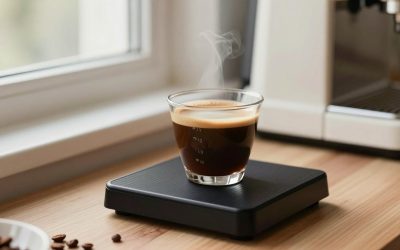
Weigh everything, especially with bulk bags. The luxury of five pounds invites sloppy scooping, and inconsistent doses will mask what the coffee can do. A scale turns abundance into a laboratory: same dose, same ratio, one variable changed at a time, and within a dozen brews you will know the bag better than its roaster does. Our coffee scale review covers options that make the habit effortless.
Finally, match the machine’s temperament to the roast. Medium Guatemalan roasts flourish with full heat and standard ratios, while the darker options here prefer slightly shorter, sweeter shots. If you are still choosing the machine itself, our espresso machine buying guide explains which features, temperature stability above all, matter most for getting origin coffees like these to sing.
Frequently Asked Questions
What does Guatemalan coffee taste like?
The signature is balance: chocolate and caramel sweetness, medium-to-full body, gentle citrus or apple brightness, and frequently a subtle spiced note, cinnamon or cocoa, in the finish. Regional differences are real, with Antigua prized for refinement and Huehuetenango for lively fruit, but virtually all good Guatemalan coffee shares that even-keeled, complete character.
Is Guatemalan coffee good for espresso?
Excellent for it. The density from high-altitude growing gives shots structure and a stable crema, while the balanced profile means straight espresso tastes complex without being challenging. Medium-dark Guatemalan roasts in particular behave like purpose-built espresso coffee, and even medium roasts dial in more easily than comparably grown African origins.
What does Antigua mean on a coffee label?
Antigua is a specific high-altitude valley in Guatemala surrounded by the Agua, Fuego, and Acatenango volcanoes, and it is the country’s most famous coffee region. Volcanic soil and a dry microclimate produce beans known for elegance, cocoa, and subtle smoky spice. On a label it functions like a wine appellation: a claim of place, and usually a marker of higher quality and price.
Why is Guatemalan coffee often recommended for low-acid drinkers?
Guatemalan beans pair naturally sweet, chocolate-forward flavor with acidity that reads as gentle brightness rather than sharpness, and the origin’s affinity for medium-dark roasting reduces perceived acidity further. Dedicated low-acid offerings, like Java Planet’s bag above, build on that foundation with roast profiles and sourcing aimed specifically at sensitive stomachs.