Last updated: September 12, 2026
⚡ Key Takeaways


Editor's Pick
BCnmviku Espresso Shot Glasses Measuring Cup Liquid Heavy Glass for Baristas 2oz for Single Shot of Ristrettos (2 pack)


As an Amazon Associate we earn from qualifying purchases at no extra cost to you. Product prices and availability are accurate as of the date shown and are subject to change.




- Pulling a shot means forcing hot water through a compact bed of finely ground coffee under high pressure (about 9 bars) to produce a concentrated, syrupy espresso in roughly 25 to 30 seconds.
- Of all of these, a quality grinder is the most important.
- Start every shot with a clear target so you can adjust intelligently.
- The relationship between time and taste tells you what to change.
Learning how to pull an espresso shot is the moment home brewing goes from making coffee to making espresso. It can feel intimidating at first, with talk of doses, ratios, and tamping pressure, but the process is genuinely learnable in an afternoon. This beginner’s guide walks you through every step of pulling a great shot, from dosing and tamping to reading the flow and tasting the result, so you can get from confusing to consistent fast.
Related: best espresso machines with grinder.
🛒 Best Price Today on Amazon
Prime members get fast, free shipping on everything above, plus member-only deals. New members get a 30-day free trial — cancel anytime.
Quick answer: Our top pick in 2026 is the Dose (ground coffee in) — our #1 rated choice. See the full ranked comparison, alternatives and buying advice below.
- What “Pulling a Shot” Actually Means
- What You’ll Need
- The Target Recipe for Beginners
- Step-by-Step: How to Pull an Espresso Shot
- Reading and Adjusting Your Shot
- Understanding Ratios: Ristretto, Normale, Lungo
- Common Beginner Mistakes
- From Shot to Drink
- Frequently Asked Questions
- Keep Practicing
- Related Articles
- Related Guides
What “Pulling a Shot” Actually Means
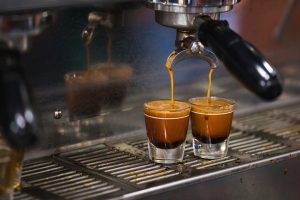
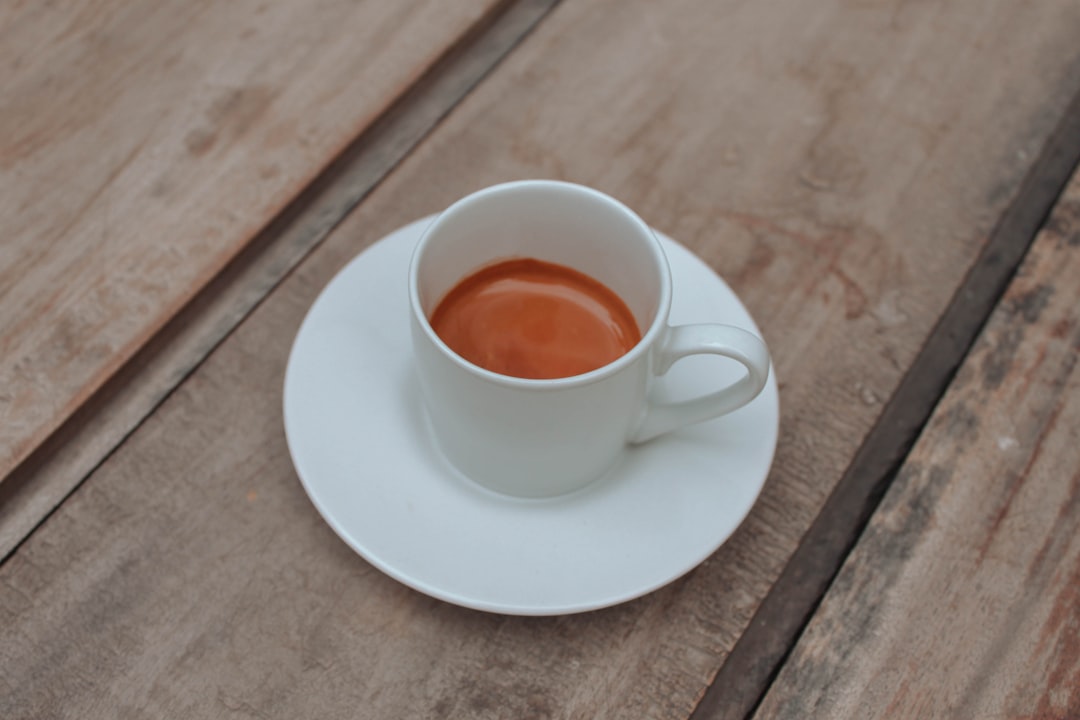
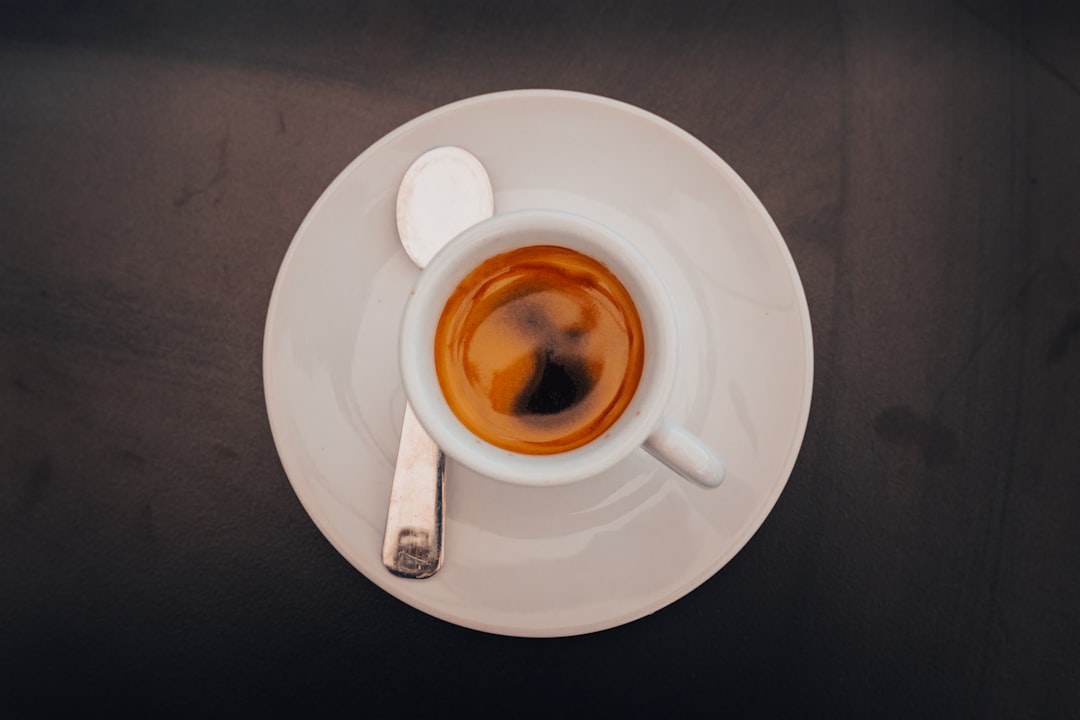
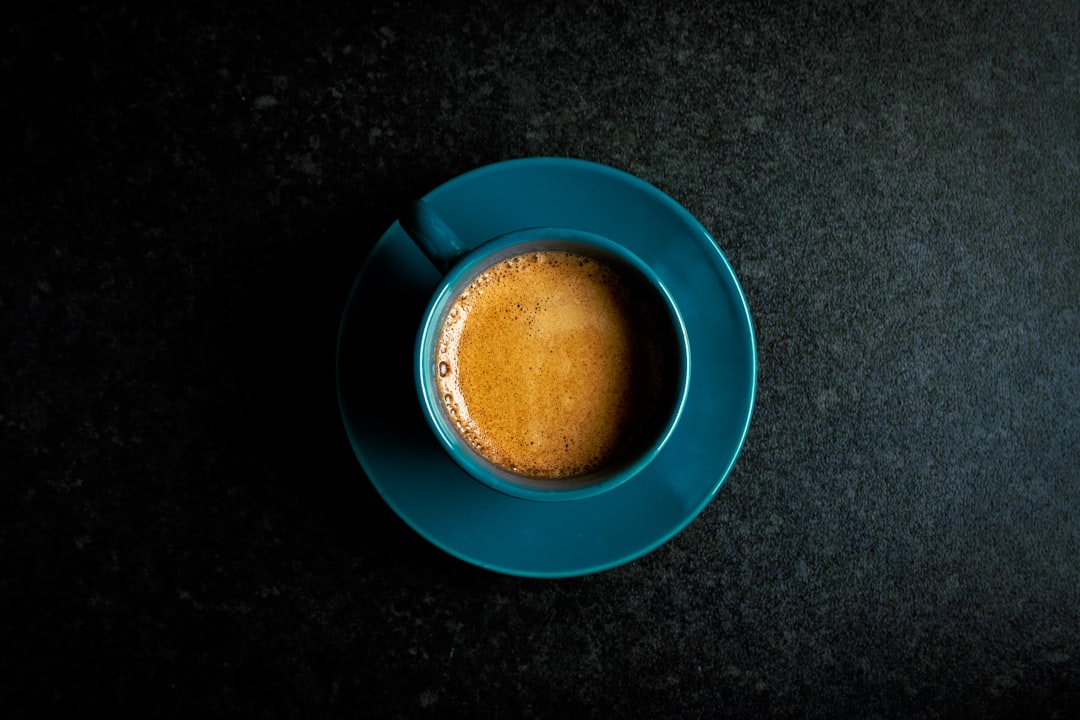
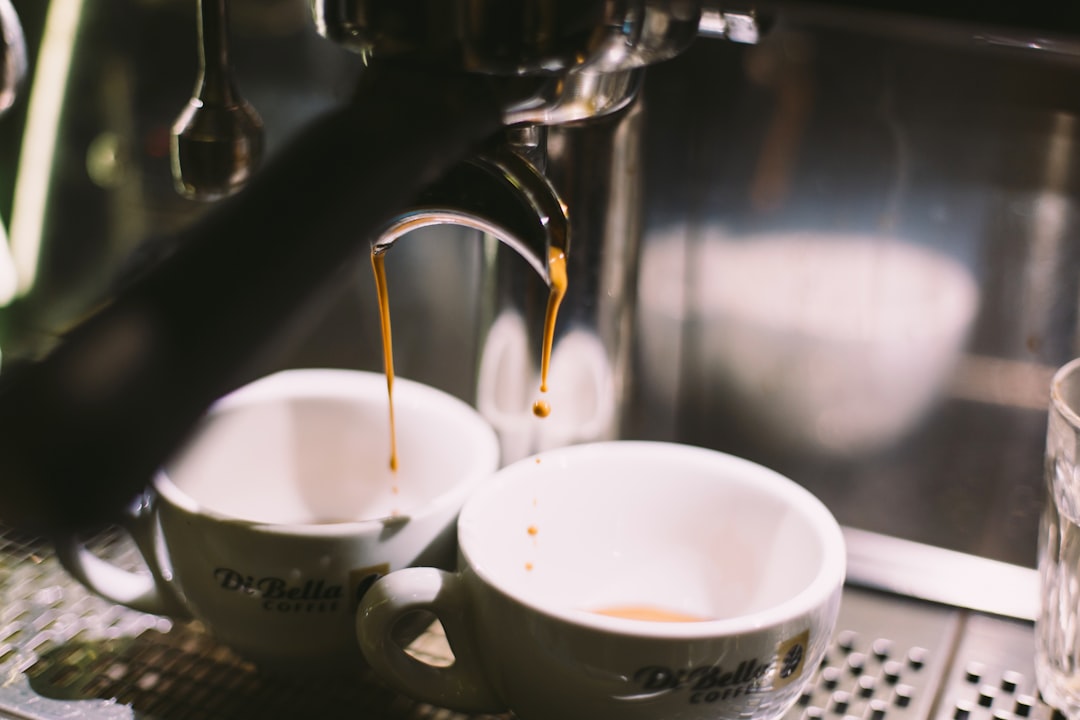
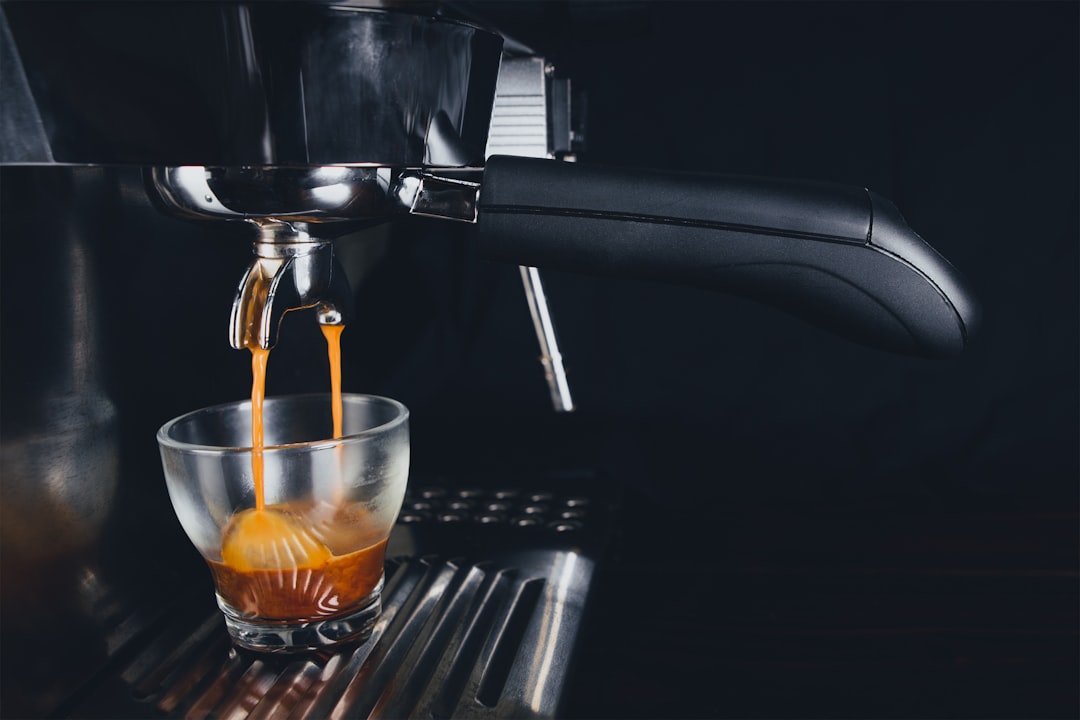
Pulling a shot means forcing hot water through a compact bed of finely ground coffee under high pressure (about 9 bars) to produce a concentrated, syrupy espresso in roughly 25 to 30 seconds. The term is a holdover from old lever machines where baristas literally pulled a handle. The goal is a balanced, sweet shot topped with golden-brown crema.
What You’ll Need
See also: How Much Coffee Per Cup? The Golden Ratio Explained • Pour Over vs French Press: Which Should You Choose?
- An espresso machine with a portafilter
- A burr grinder (this matters more than the machine for beginners)
- Fresh espresso beans, ideally within a few weeks of their roast date
- A digital scale for measuring dose and yield
- A tamper that fits your basket
- A timer (your phone works fine)
Of all of these, a quality grinder is the most important. An uneven grind sabotages even the best machine, so if you’re choosing where to spend, prioritize the grinder.
The Target Recipe for Beginners
Start every shot with a clear target so you can adjust intelligently. This standard recipe works for most beans and machines:
| Variable | Starting Target |
|---|---|
| Dose (ground coffee in) | 18 g (in a double basket) |
| Yield (espresso out) | 36 g (a 1:2 ratio) |
| Shot time | 25-30 seconds |
| Water temperature | ~200°F (93°C) |
A 1:2 ratio means your espresso weighs twice your coffee dose. Eighteen grams in, thirty-six grams out, in about 28 seconds is a reliable bullseye to aim for.
Step-by-Step: How to Pull an Espresso Shot
- Preheat everything. Turn the machine on early and let it fully heat, ideally 15-20 minutes. Run a little hot water through the empty portafilter to warm it.
- Grind and dose. Grind fresh and weigh 18 g into your portafilter basket. Always grind right before brewing; ground coffee goes stale within minutes.
- Distribute the grounds. Tap and level the bed so the coffee is evenly spread with no clumps or gaps. Uneven distribution causes channeling.
- Tamp level and firm. Press straight down with steady, even pressure until the puck is compressed and flat. Consistency matters more than crushing force; aim for a level, polished surface.
- Lock in and brew immediately. Insert the portafilter, place your cup on the scale, start your timer, and begin the shot. Don’t let the loaded portafilter sit in the hot group head.
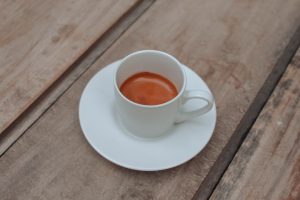
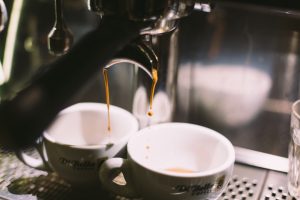
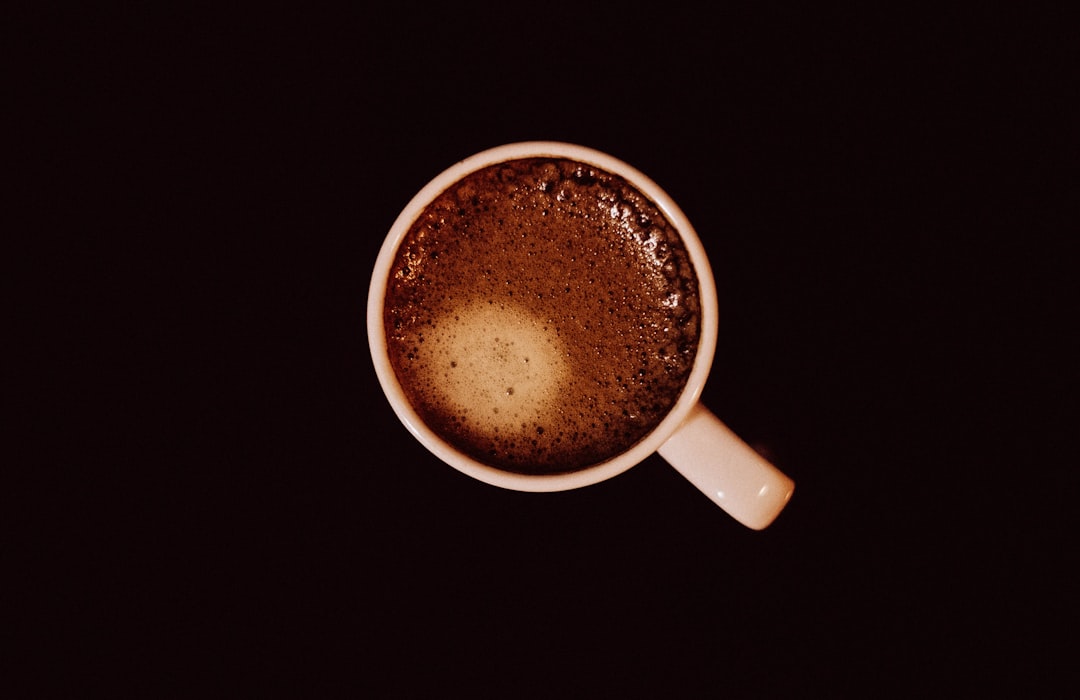
- Watch the flow. The first drops should appear after a few seconds, then flow like warm honey, dark at first and lightening to a caramel color with crema.
- Stop at your target weight. End the shot when you hit 36 g out. Note the time it took.
- Taste and assess. Sip it. Is it balanced, sour, or bitter? Use that to adjust your next shot.
Reading and Adjusting Your Shot
The relationship between time and taste tells you what to change. Adjust grind size first, since it’s the most powerful lever.
- Shot too fast (under ~20 sec) and tastes sour: the grind is too coarse. Grind finer to slow it down.
- Shot too slow (over ~35 sec) and tastes bitter: the grind is too fine. Grind coarser to speed it up.
- Shot on time but still off: tweak temperature or dose slightly, one change at a time.
Change only one variable per shot so you always know what caused the difference. Dialing in a new bag of beans usually takes two or three shots. For a deeper look at sourness and bitterness specifically, our troubleshooting guide breaks down every cause and fix.
The Importance of Grind Size
Espresso lives and dies by grind size. Too coarse and water gushes through, under-extracting into sourness; too fine and water chokes, over-extracting into bitterness. Finding the right setting for your beans is the heart of dialing in, and it’s worth understanding grind theory in detail as you progress.
Understanding Ratios: Ristretto, Normale, Lungo
The brew ratio, the weight of espresso out versus coffee in, shapes the character of your shot as much as the grind. Once you’re comfortable with the standard 1:2, it’s worth knowing the three classic ratio styles so you can tailor shots to your taste and your beans.
| Style | Ratio (in:out) | Character |
|---|---|---|
| Ristretto | 1:1 to 1:1.5 | Short, intense, syrupy, often sweeter |
| Normale (standard) | 1:2 | Balanced everyday shot |
| Lungo | 1:3 to 1:4 | Longer, lighter, more volume, can turn bitter |
Start at 1:2 for everything. If a particular bean tastes a touch harsh, try pulling it shorter toward a ristretto to emphasize sweetness. If it tastes thin or muted, a slightly longer pull can open it up. Adjusting the ratio is a powerful flavor tool once your fundamentals are solid, and it’s a fun way to discover what each coffee does best.
Common Beginner Mistakes
- Skipping the scale. Eyeballing dose and yield makes consistency impossible. Weigh everything early on.
- Using stale or pre-ground coffee. Freshness transforms espresso. Buy whole beans and grind on demand.
- Tamping unevenly. A tilted tamp creates channeling. Press straight down and keep it level.
- Letting the portafilter sit loaded. Heat saturates the grounds and starts extraction before you’re ready. Brew right after tamping.
- Not preheating. A cold machine pulls cold, sour shots. Give it time to warm fully.
Keep a tidy station, too. Knocking spent pucks into a knock box instead of the trash keeps your workflow clean and fast, which makes practicing far more pleasant. Paying attention to water quality helps too; the same precision you’d get from a gooseneck kettle for pour-over carries over to filling your espresso machine with good, filtered water.
From Shot to Drink
Once you can pull a balanced shot, the whole cafe menu opens up. Add hot water for an Americano, or steam milk for a latte or cappuccino. Frothing milk is its own skill worth learning next, and it pairs perfectly with the shots you’re now pulling consistently. If you’d rather automate the whole process, a super-automatic machine handles grinding, brewing, and milk for you at the press of a button. Espresso is the base layer of nearly every milk drink, so mastering it pays off across your entire coffee repertoire.
Frequently Asked Questions
How long should an espresso shot take?
Aim for 25 to 30 seconds for a standard double shot at a 1:2 ratio. Time is a guide, not the goal; always confirm with taste and adjust your grind to land in that window with a balanced flavor.
How hard should I tamp?
Firm and level matters more than force. Around 30 pounds of pressure is the classic suggestion, but consistency is what counts. A level, evenly compressed puck prevents channeling far better than brute strength.
Do I really need a scale?
For beginners, yes. Weighing your dose and yield removes the biggest source of inconsistency and lets you adjust precisely. Once you’re experienced you can eyeball it, but a scale dramatically shortens the learning curve.
Why does my shot taste different every time?
Usually it’s inconsistent dose, tamp, or grind. Lock down each variable, weigh your dose, tamp level, and grind fresh, and your shots will become repeatable. Stale beans and a low-quality grinder also cause shot-to-shot swings.
Can I pull good espresso with a cheap machine?
You can pull solid shots on an affordable machine if it produces real pressure and you pair it with a good grinder. The grinder and your technique influence quality more than the machine’s price tag at the entry level.
Keep Practicing
Pulling espresso is a hands-on skill that rewards repetition. Anchor yourself to the 18-in, 36-out, 28-second target, weigh everything, change one variable at a time, and taste with intention. Within a week of daily practice you’ll be pulling shots you’re proud of and steaming milk for drinks that rival your local cafe. The fundamentals you build now carry into every cup you make from here on out.
Ready to decide? Our #1 pick for 2026 is the Dose (ground coffee in).
Live price & availability on Amazon.