Last updated: September 12, 2026
⚡ Key Takeaways
Dropped $1.96

Dropped $1.89
As an Amazon Associate we earn from qualifying purchases at no extra cost to you. Product prices and availability are accurate as of the date shown and are subject to change.


- A proper espresso machine forces water through the coffee puck at around 9 bars of pressure.
- Run through these in order, since the first few solve the vast majority of cases:
- To separate a coffee problem from a machine problem, run a quick test.
- If your coffee prep is dialed in and the blind-basket test fails, look at the machine itself:
Few problems are as disheartening as flipping on your machine to find your espresso machine is not building pressure. Instead of a thick, syrupy shot with crema, you get a thin, fast trickle or watery coffee that tastes weak and sour. Pressure is what makes espresso espresso, so when it disappears, your drinks fall apart. The good news is that most pressure problems trace back to a handful of causes you can diagnose and fix at home. This troubleshooting guide walks through each cause from most to least likely, with clear fixes for every one.
🛒 Best Price Today on Amazon
Prime members get fast, free shipping on everything above, plus member-only deals. New members get a 30-day free trial — cancel anytime.
Quick answer: Our top pick in 2026 is the Scale buildup — our #1 rated choice. See the full ranked comparison, alternatives and buying advice below.
- How Espresso Pressure Works
- The Most Common Causes (Start Here)
- Diagnosing With a Blank (Blind) Basket
- Mechanical Causes (If Puck Prep Checks Out)
- What About a Pressure Gauge Reading?
- A Quick Troubleshooting Checklist
- Prevention Goes a Long Way
- Frequently Asked Questions
- Get Your Pressure Back
- Related Articles
- Related Guides
How Espresso Pressure Works
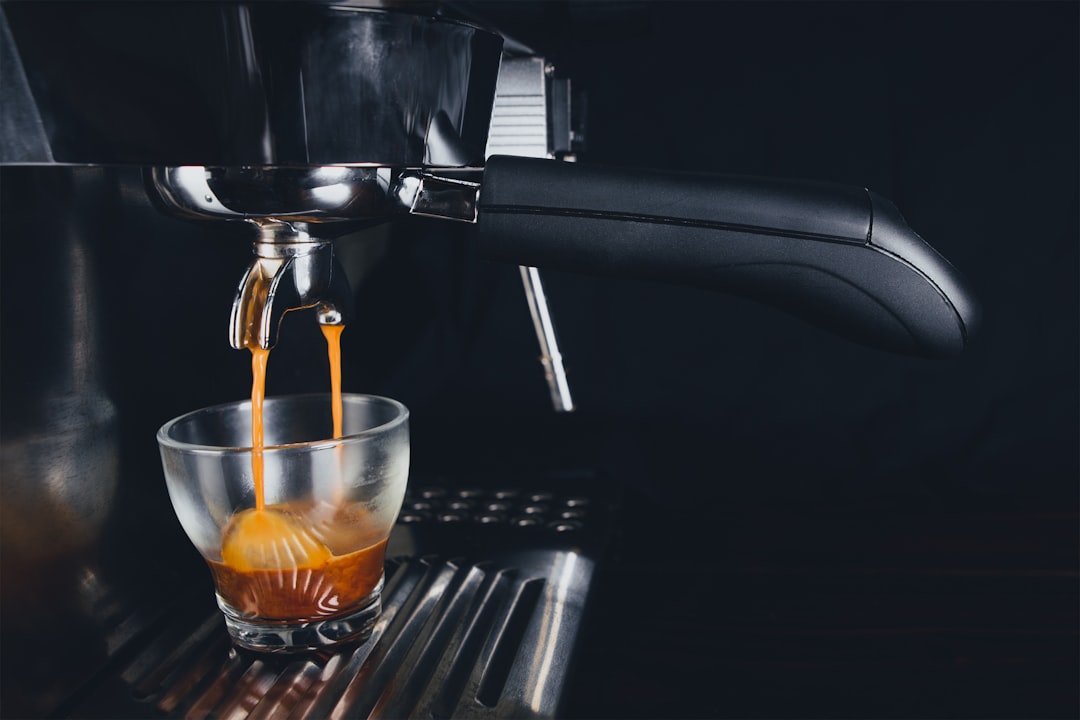
A proper espresso machine forces water through the coffee puck at around 9 bars of pressure. That resistance is created by a dense, finely ground, well-tamped bed of coffee. The pump supplies the force; the puck supplies the resistance. When you “lose pressure,” it usually means water is finding an easy path through or around the coffee, so it never builds up the back-pressure that defines espresso.
That’s why most pressure problems are actually puck problems, not pump failures. Start your diagnosis with the coffee before suspecting the machine.
The Most Common Causes (Start Here)
See also: How Much Coffee Per Cup? The Golden Ratio Explained • Pour Over vs French Press: Which Should You Choose?
Run through these in order, since the first few solve the vast majority of cases:
1. Grind Too Coarse
This is the number one culprit. If the grind is too coarse, water races through the puck without resistance, so no pressure builds and the shot gushes out thin and fast. Fix: grind finer until water meets enough resistance to produce a slow, steady, honey-like flow over 25 to 30 seconds.
2. Not Enough Coffee (Low Dose)
An underfilled basket leaves headspace, so the puck can’t form a tight seal against the shower screen. Water flows around or through the loose bed. Fix: increase your dose to fill the basket properly, typically around 18 g for a double, so the tamped puck nearly reaches the screen.
3. Weak or Uneven Tamp
A light or tilted tamp leaves the coffee loose and uneven, creating channels where water escapes without building pressure. Fix: tamp firmly and level, compressing the grounds into a solid, flat puck with no gaps or cracks.
4. Channeling
Even with a good grind and dose, water can carve a fast channel through a poorly distributed puck, escaping without pressurizing. Fix: distribute the grounds evenly before tamping, breaking up clumps so the bed is uniform.
Diagnosing With a Blank (Blind) Basket
To separate a coffee problem from a machine problem, run a quick test. Insert a blind basket (one with no holes, often included for backflushing) and run the machine. If it builds full pressure against the blind basket, your pump and group head are fine, and the issue is with your grind, dose, or tamp. If it still won’t build pressure against a solid blind basket, the problem is mechanical. This single test saves a lot of guesswork.
Mechanical Causes (If Puck Prep Checks Out)
If your coffee prep is dialed in and the blind-basket test fails, look at the machine itself:
| Cause | Symptom | Fix |
|---|---|---|
| Scale buildup | Weak, declining pressure over time | Descale the machine thoroughly |
| Clogged shower screen / group head | Uneven flow, sputtering | Clean and backflush the group head |
| Worn pump | No or low pressure even with blind basket | Service or replace the pump |
| Faulty OPV / pressure valve | Pressure leaks off, never reaches 9 bars | Adjust or replace the valve |
| Low water / airlock in line | Sputtering, no flow | Refill tank, prime the pump to clear air |
| Worn group gasket | Water leaks around the portafilter | Replace the group head gasket |
Scale Is a Sneaky Pressure Killer
Mineral scale builds up inside the boiler and water pathways over time, slowly restricting flow and degrading pump performance. If your pressure has been gradually declining, scale is a prime suspect. A thorough descaling often restores lost pressure, and it’s worth ruling out before assuming a part has failed. If you’re new to the process, follow a step-by-step descaling routine and pair it with regular cleaning to keep buildup from creeping back. If you’d rather avoid pressure troubleshooting altogether, a super-automatic machine handles dosing, tamping, and pressure internally and flags you when descaling is due. Regular descaling on a schedule prevents this from happening in the first place.
What About a Pressure Gauge Reading?
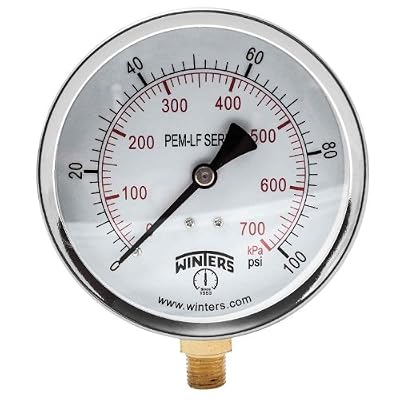
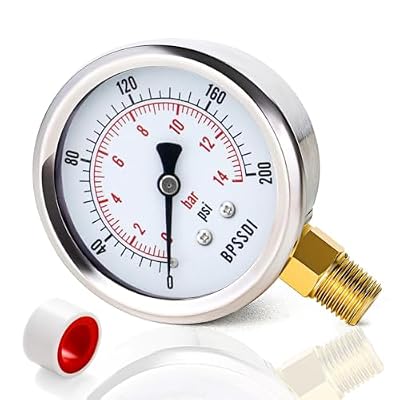
If your machine has a pressure gauge, it can help you interpret what’s happening, though it can also mislead if you don’t know how to read it. During a real shot, the gauge should climb to roughly 9 bars once the puck builds resistance. Here’s how to interpret common readings:
- Gauge stays low (2-4 bars) during a shot: water is flowing too freely, pointing to a coarse grind, low dose, or weak tamp.
- Gauge spikes very high and the shot chokes: the grind is too fine or the dose too high, the opposite problem.
- Gauge reads high with a blind basket but low with coffee: the machine is healthy; your puck prep is the issue.
- Gauge never reaches 9 bars even with a blind basket: suspect the pump or the over-pressure valve.
Keep in mind that many machine gauges read boiler or static pressure rather than true brew pressure at the puck, so treat the gauge as a helpful clue rather than gospel. The taste and flow of your shot remain the most reliable indicators of whether pressure is building correctly.
A Quick Troubleshooting Checklist
- Is your grind fine enough? Grind finer and retest.
- Are you dosing enough coffee to fill the basket?
- Are you tamping firmly and level?
- Is the puck evenly distributed to prevent channeling?
- Run a blind-basket test: does the machine build pressure with no coffee?
- If yes, the issue is puck prep. If no, suspect scale, a clog, or the pump.
- Descale and backflush, then retest.
- If pressure is still absent, the pump or pressure valve may need service.
Working through this list in order will resolve the overwhelming majority of pressure complaints without a service call. Most of the time, the fix is grinding finer and tamping better.
Prevention Goes a Long Way
Many pressure problems are avoidable with good habits. Grind fresh and fine, dose consistently, tamp level, and keep your machine clean. Backflush regularly to clear coffee oils from the group head, and descale on a schedule based on your water hardness. Keeping a tidy station, including knocking spent pucks into a dedicated knock box, also makes it easier to stay consistent shot after shot. Using good, filtered water, the same quality you’d want from a precision kettle for other brew methods, also slows the scale buildup that quietly kills pressure over time. Understanding how to pull a proper shot and how grind size affects flow ties directly into avoiding pressure issues altogether.
Frequently Asked Questions
Why is my espresso watery and fast with no crema?
That’s the classic sign of no pressure, almost always caused by too coarse a grind, too little coffee, or a weak tamp. Water is racing through without resistance. Grind finer, dose more, and tamp firmly and level to build proper pressure.
How do I know if it’s my coffee or my machine?
Run a blind-basket test. Put in a basket with no holes and run the machine. If it builds pressure, the problem is your grind, dose, or tamp. If it doesn’t, the issue is mechanical, like scale, a clog, or the pump.
Can limescale cause low pressure?
Yes. Scale buildup restricts water pathways and reduces pump efficiency, often causing pressure to decline gradually over time. A thorough descaling frequently restores lost pressure, which is why regular descaling is important maintenance.
Should I just grind finer to fix everything?
Grinding finer is the first and most effective step for most pressure problems, but only up to a point. If you grind so fine that the shot chokes completely and tastes bitter, you’ve gone too far. Aim for a slow, steady flow over 25 to 30 seconds.
My machine builds pressure but the shot still gushes. Why?
This often points to channeling, where water carves a fast path through an uneven puck despite decent overall pressure. Focus on even distribution and a level tamp to eliminate the channels.
Get Your Pressure Back
When your espresso machine is not building pressure, start with the coffee, not the machine. Grind finer, dose to fill the basket, and tamp firmly and level to create the resistance espresso needs. Use a blind-basket test to confirm whether the issue is puck prep or mechanical, then descale and backflush before suspecting the pump. Work through the checklist methodically and you’ll have rich, pressurized shots with proper crema flowing again, usually without spending a cent on repairs.
Ready to decide? Our #1 pick for 2026 is the Scale buildup.
Live price & availability on Amazon.