Last updated: September 13, 2026
⚡ Key Takeaways

Editor's Pick
Apexstone 53mm Coffee Distributor, Espresso Distribution Tool, Coffee Leveler Compatible with Breville 54mm Portafilter


As an Amazon Associate we earn from qualifying purchases at no extra cost to you. Product prices and availability are accurate as of the date shown and are subject to change.


- A ristretto is a "restricted" espresso shot.
- To understand the difference, it helps to know how espresso extracts.
- Note that exact numbers vary by café and recipe, but these ranges are typical:
- Much of the caffeine extracts later in the shot, so cutting the extraction short leaves some caffeine behind in the puck.
If you’ve scanned an espresso menu and felt confused by the terms, you’re not alone — and the ristretto vs espresso question is one of the most common sources of that confusion. Both are short, intense shots pulled from an espresso machine, and they look nearly identical in the cup. But they differ in extraction, volume, flavor, and even caffeine concentration. Understanding the distinction will sharpen your home brewing and help you choose the right shot for your taste. This guide breaks down exactly what separates a ristretto from a standard espresso and how to pull each one at home.
🛒 Best Price Today on Amazon
Prime members get fast, free shipping on everything above, plus member-only deals. New members get a 30-day free trial — cancel anytime.
Quick answer: Our top pick in 2026 is the Coffee dose — our #1 rated choice. See the full ranked comparison, alternatives and buying advice below.
- The Short Answer
- How Espresso Extraction Works
- Ristretto vs Espresso: The Key Differences
- What About Caffeine?
- What Does a Ristretto Taste Like?
- How to Pull a Ristretto at Home
- Can You Make a Ristretto Without an Espresso Machine?
- When Should You Choose Each One?
- The Lungo: The Other End of the Spectrum
- Dialing In a Ristretto Step by Step
- Frequently Asked Questions
- Final Thoughts
- Related Articles
The Short Answer
A ristretto is a “restricted” espresso shot. It uses the same amount of coffee grounds as a normal espresso but pulls roughly half the water through them, stopping the extraction early. The result is a smaller, more concentrated shot that emphasizes the sweet and syrupy front of the extraction while leaving behind the more bitter compounds that come out later. “Ristretto” literally means “restricted” or “narrow” in Italian.
How Espresso Extraction Works
See also: How Much Coffee Per Cup? The Golden Ratio Explained • Pour Over vs French Press: Which Should You Choose?
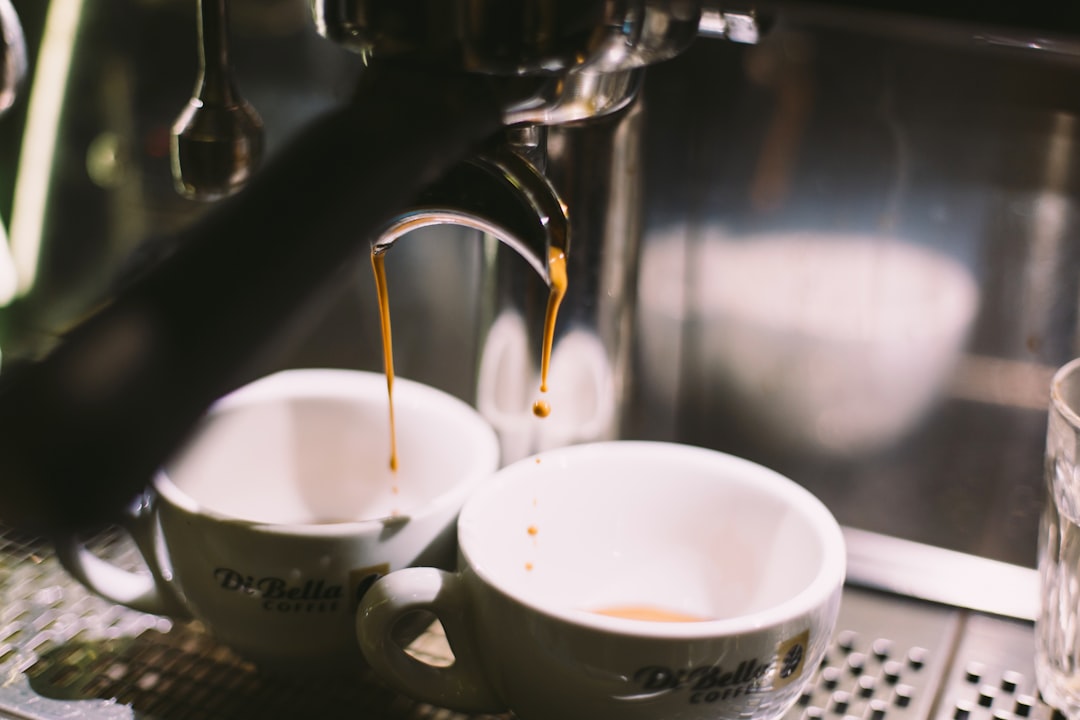
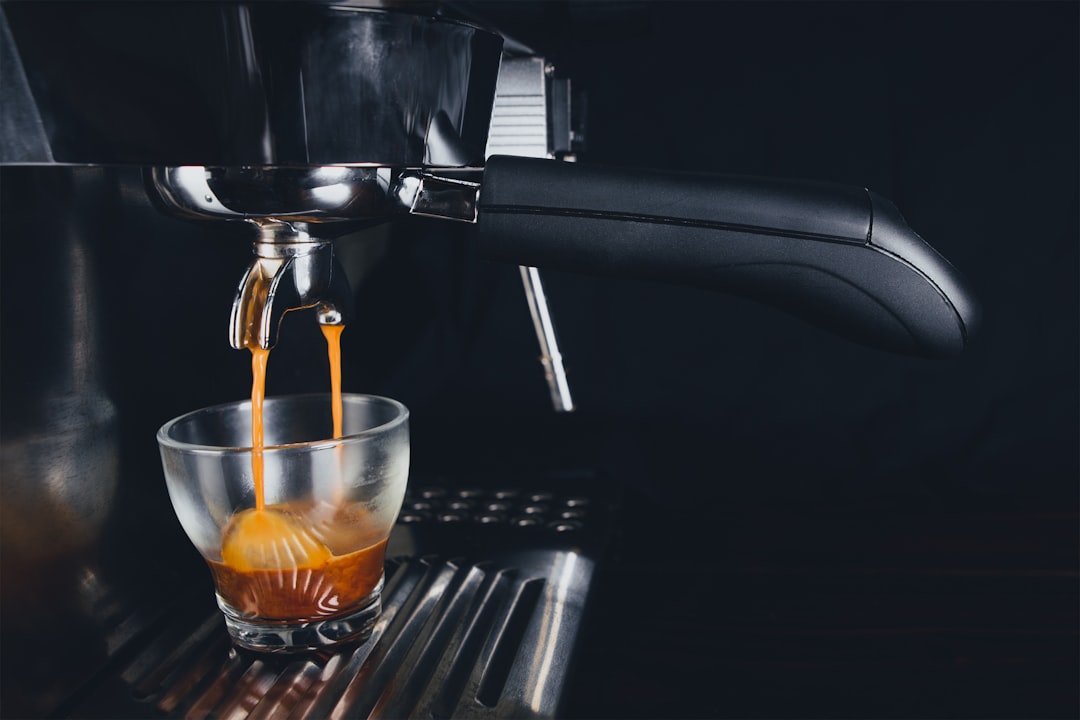
To understand the difference, it helps to know how espresso extracts. As hot water passes through the coffee puck, it dissolves compounds in a predictable order: bright acids and sweet sugars come out first, balanced flavors in the middle, and bitter, astringent compounds last. A standard espresso captures the full arc of this extraction. A ristretto deliberately cuts the shot off early, so you get the sweet, intense opening of the extraction without the later bitterness.
Ristretto vs Espresso: The Key Differences
Here’s how the two shots compare side by side. Note that exact numbers vary by café and recipe, but these ranges are typical:
| Attribute | Espresso | Ristretto |
|---|---|---|
| Coffee dose | 18 g (double) | 18 g (double) |
| Liquid yield | ~36 g (1:2 ratio) | ~18 g (1:1 ratio) |
| Extraction time | 25–30 seconds | 15–20 seconds |
| Flavor | Balanced, full, slightly bitter | Sweeter, more concentrated, less bitter |
| Body | Rich | Syrupy, dense |
| Volume in cup | About 1.5 oz | About 0.75 oz |
What About Caffeine?
Here’s where many people get it backward. Per ounce, a ristretto is more concentrated, but because it contains less total liquid, a single ristretto actually has slightly less total caffeine than a full espresso shot pulled from the same dose. Much of the caffeine extracts later in the shot, so cutting the extraction short leaves some caffeine behind in the puck. So if you want maximum caffeine, a full espresso edges out a ristretto — but the difference is modest, and freshness and dose matter more than this distinction.
What Does a Ristretto Taste Like?
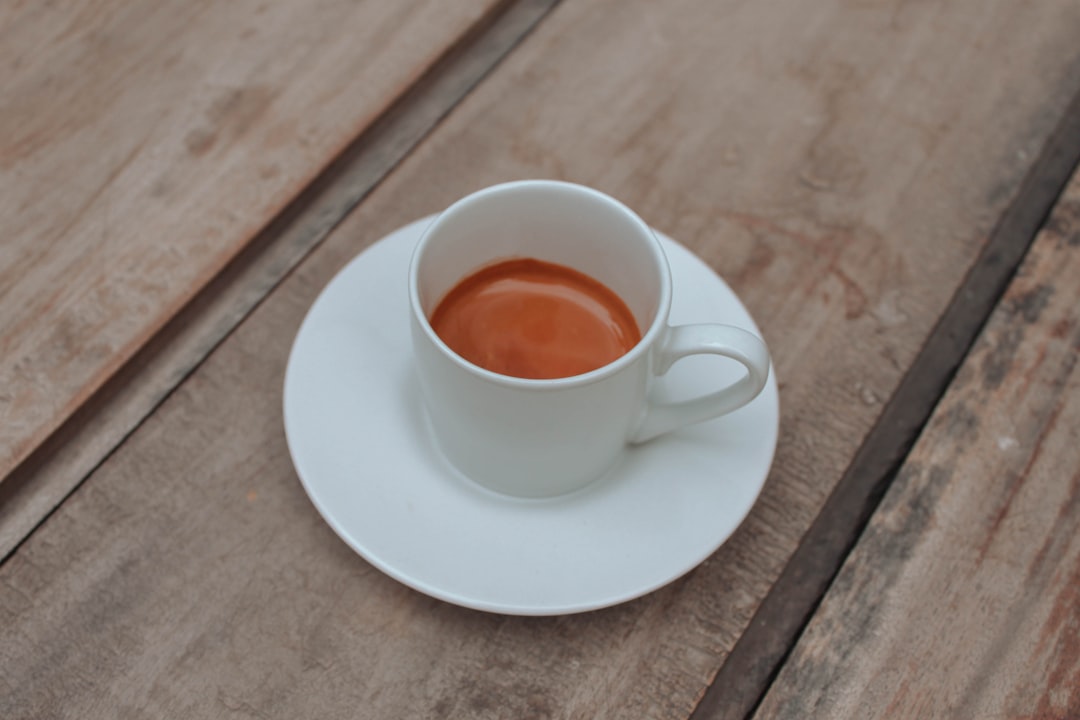
A well-pulled ristretto tastes noticeably sweeter and rounder than a standard espresso, with a thick, almost syrupy body. Because you’re capturing only the early, sugar-forward part of the extraction, the harsh and bitter notes that sometimes show up at the end of a shot are minimized. Many people who find espresso too bitter actually prefer ristretto. It’s also a fantastic base for milk drinks — some cafés use ristretto shots in lattes and flat whites precisely because the concentrated sweetness cuts through milk beautifully.
How to Pull a Ristretto at Home
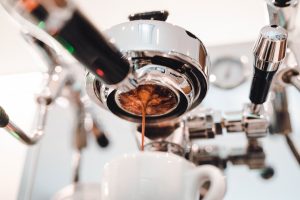
If you own an espresso machine, pulling a ristretto is simple. Start with your normal double-shot setup and make two adjustments:
- Grind finer: a finer grind increases resistance so you extract less liquid in the same time. This is the key adjustment.
- Stop the shot early: aim for about an 18-gram yield from 18 grams of coffee, a 1:1 ratio, in roughly 15 to 20 seconds.
- Taste and adjust: if it’s sour, your grind is too coarse or the shot stopped too early; if it’s bitter, you’ve gone too far.
You don’t need extra equipment beyond what you already use for espresso. A reliable scale helps you hit the target yield consistently.
Can You Make a Ristretto Without an Espresso Machine?
True ristretto requires the pressure of an espresso machine, but you can approximate a concentrated, ristretto-style brew with other gear. A moka pot produces a strong, espresso-like concentrate, and pulling it off the heat early gives you a sweeter, less bitter cup that’s spiritually similar to a ristretto. It won’t have the same crema or pressure-driven body, but for stovetop brewing it’s a satisfying alternative. If you enjoy hands-on brewing, exploring a French press or pour-over setup will broaden your sense of how extraction time and ratio change flavor.
When Should You Choose Each One?
Reach for a ristretto when you want a sweeter, smoother, more intense sip, or when you’re building a milk drink and want the espresso character to shine through. Choose a standard espresso when you want a fuller, more balanced shot with all the complexity of the bean, including its acidity and the slight bitterness that rounds out the flavor. Neither is objectively better — it’s about the experience you’re after.
The Lungo: The Other End of the Spectrum
To fully understand ristretto, it helps to know its opposite. If a ristretto restricts the water for a shorter, sweeter shot, a lungo (“long”) does the reverse: it pulls more water through the same dose, typically a 1:3 or 1:4 ratio, producing a larger and more diluted drink. Because the extraction runs longer, a lungo pulls out more of the bitter and astringent compounds that come at the tail end of extraction, so it often tastes sharper and more bitter than a standard espresso. Some people enjoy the bigger volume and bolder, roastier character, but lungos are easy to over-extract. Thinking of these three shots — ristretto, espresso, lungo — as points along a single spectrum makes it clear how powerful the simple choice of extraction length really is. From the same grounds, you can make a sweet concentrated sip, a balanced classic, or a long bitter pull just by changing how much water passes through.
Dialing In a Ristretto Step by Step
Getting a great ristretto takes a bit of experimentation, but a systematic approach speeds things up. Start with your standard espresso recipe as a reference point. The single most important variable to change is grind size: go finer than your normal espresso setting so the water meets more resistance and you extract less liquid in the same window of time. Pull a shot and stop it at roughly a 1:1 ratio — about 18 grams of liquid from 18 grams of coffee. Taste it. If it’s sour or thin, your grind may still be too coarse or you stopped too early, so grind a touch finer or extend the shot slightly. If it’s harsh or bitter, you’ve pushed the extraction too far; back off the grind or shorten the pull. Use a scale and a timer so you can repeat what works, and change only one variable at a time so you always know what made the difference.
Frequently Asked Questions
Does a ristretto have more caffeine than espresso? No. Per ounce it’s more concentrated, but because the shot is smaller and stops early, a ristretto has slightly less total caffeine than a full espresso from the same dose.
Is a ristretto stronger than espresso? In flavor intensity and body, yes — it tastes bolder and more syrupy. In total caffeine, it’s actually a touch lower. “Strong” depends on whether you mean taste or caffeine.
What’s the opposite of a ristretto? A lungo, which means “long.” A lungo pulls more water through the same dose, producing a larger, more diluted, and often more bitter shot than a standard espresso.
Can I use ristretto in a latte? Absolutely. Many cafés prefer ristretto shots in milk drinks because the concentrated sweetness stands up to steamed milk without tasting watered down.
Why does my ristretto taste sour? Sourness signals under-extraction. Try grinding a little finer or letting the shot run slightly longer so you capture more of the sweet middle of the extraction.
Final Thoughts
The ristretto vs espresso difference comes down to one choice: how much water you let pass through the coffee. Restrict it and you get a sweeter, denser, less bitter shot; let it run full and you get the balanced classic. Both start from the same grounds, so experimenting costs you nothing but a little dialing in. Pull both back to back, taste the difference, and let your palate decide which short shot earns a permanent spot in your routine.
Related: Best Iced and Cold-Brew Espresso Recipes and Machines for Summer 2026
Ready to decide? Our #1 pick for 2026 is the Coffee dose.
Live price & availability on Amazon.