Last updated: September 12, 2026
⚡ Key Takeaways


As an Amazon Associate we earn from qualifying purchases at no extra cost to you. Product prices and availability are accurate as of the date shown and are subject to change.


- The fundamental difference lies in filtration and contact.
- Pour over highlights clarity and brightness.
- French press is the more forgiving method, which makes it great for beginners.
- French press requires a coarse grind, similar to sea salt, because the grounds steep for several minutes and finer particles would over-extract and slip through the mesh, leaving grit and bitterness.
When it comes to brewing coffee without a machine, two methods dominate the conversation: pour over vs French press. Both are manual, affordable, and capable of producing exceptional coffee, but they create completely different cups. Pour over is clean, bright, and nuanced; French press is bold, full-bodied, and rich. Choosing between them — or deciding to own both — comes down to understanding how each method works and what kind of coffee you love. This guide compares the two head to head on flavor, technique, cost, and convenience so you can pick the right brewer for your kitchen.
🛒 Best Price Today on Amazon
Prime members get fast, free shipping on everything above, plus member-only deals. New members get a 30-day free trial — cancel anytime.
- How Each Method Works
- Pour Over vs French Press: Side by Side
- The Flavor Difference
- Technique and Skill
- Grind Size Matters
- Cost and Convenience
- Which Should You Choose?
- Tips for Better Results With Both
- The Health Angle: Oils and Cholesterol
- Can You Get Espresso-Style Coffee From Either?
- Frequently Asked Questions
- Final Thoughts
- Related Articles
- Related Guides
How Each Method Works
The fundamental difference lies in filtration and contact. Pour over is an infusion-drip method: you pour hot water over coffee grounds held in a filter, and gravity pulls the brewed coffee through into your cup. A paper filter traps oils and fine particles, producing a clean, clear cup. French press is a full-immersion method: coffee grounds steep directly in hot water for several minutes, then a metal mesh plunger separates the grounds from the liquid. Because the metal filter lets oils and fine sediment through, the result is a heavier, richer brew.
Pour Over vs French Press: Side by Side
See also: How Much Coffee Per Cup? The Golden Ratio Explained • What Is a Flat White? Origins, Recipe, and How to Make One
| Factor | Pour Over | French Press |
|---|---|---|
| Method | Drip infusion through filter | Full immersion steeping |
| Filter | Paper (traps oils) | Metal mesh (passes oils) |
| Body | Light, clean, tea-like | Heavy, rich, full |
| Flavor clarity | Bright, nuanced, distinct notes | Bold, rounded, robust |
| Grind size | Medium-fine | Coarse |
| Brew time | 3–4 minutes | 4 minutes steep |
| Sediment | Virtually none | Some at the bottom |
The Flavor Difference
This is where the two methods truly part ways. Pour over highlights clarity and brightness. The paper filter removes oils and fines, so delicate flavors — floral, fruity, and acidic notes — come through cleanly and distinctly. It’s the method of choice for showcasing complex single-origin coffees. French press, by contrast, embraces body and richness. With oils and fine particles left in the cup, you get a fuller mouthfeel and a bolder, more rounded flavor, though sometimes at the expense of delicate top notes. If you love a heavy, comforting cup, French press delivers; if you want a crisp, articulate one, pour over wins.
Technique and Skill
French press is the more forgiving method, which makes it great for beginners. You add coarse grounds and hot water, wait four minutes, press, and pour. There’s little technique to master. Pour over asks for more attention: a steady, controlled pour, even saturation of the grounds, and good timing all affect the result. A gooseneck kettle makes a real difference here, giving you the slow, precise water control that pour over rewards. If you enjoy a hands-on, almost meditative brewing ritual, pour over is satisfying; if you want simplicity, French press is hard to beat.
Grind Size Matters
Each method needs a different grind, and getting it wrong ruins the cup. French press requires a coarse grind, similar to sea salt, because the grounds steep for several minutes and finer particles would over-extract and slip through the mesh, leaving grit and bitterness. Pour over needs a medium-fine grind that allows water to flow through at the right pace — too coarse and the water rushes through under-extracted, too fine and it clogs and over-extracts. A consistent grinder is essential for both, and keeping it clean preserves the flavor of whichever method you choose.
Cost and Convenience
Both methods are budget-friendly compared to espresso machines. A French press is a single durable vessel with no ongoing filter costs, and it brews multiple cups at once, making it efficient for households. A pour over coffee maker is also inexpensive but requires paper filters, which are a small recurring cost, and typically brews one or two cups at a time. For cleanup, pour over is quick — toss the filter and grounds. French press cleanup is messier, as you have to scoop out wet grounds, though the brewing itself is simpler.
Which Should You Choose?
Your choice depends on your priorities:
- Choose pour over if you love bright, clean, nuanced coffee, enjoy a hands-on ritual, and usually brew for one or two people.
- Choose French press if you prefer bold, full-bodied coffee, want simplicity and forgiveness, and often brew several cups at once.
- Own both if you like variety — French press for lazy mornings and gatherings, pour over for savoring a special single origin.
Many coffee lovers keep both on hand precisely because they produce such different, complementary cups.
Tips for Better Results With Both
A few universal practices improve any manual brew. Use fresh, quality beans ground right before brewing, and match the grind to your method. Use filtered water heated to about 195°F to 205°F — just off the boil. Mind your ratios; a starting point of about 1 part coffee to 16 parts water suits both methods, then adjust to taste. For French press, don’t let it steep much past four minutes or it turns bitter. For pour over, pour slowly in stages and aim for even saturation. Clean your gear and grinder regularly so stale residue never muddies your fresh beans.
The Health Angle: Oils and Cholesterol
One difference between these methods that often surprises people is their effect on health. Coffee contains natural oils called diterpenes — specifically cafestol and kahweol — which research has linked to raising LDL cholesterol levels when consumed in significant amounts. The paper filter used in pour over traps most of these oils, leaving them behind in the filter rather than in your cup. The metal mesh of a French press, on the other hand, lets these oils pass straight through, which is part of what gives French press its rich body and mouthfeel. For most people drinking a cup or two a day, the difference is modest and not a cause for concern, but if you drink large amounts of coffee or are watching your cholesterol, paper-filtered pour over is the marginally healthier choice. It’s a small consideration, but a real one that sets the two methods apart beyond just flavor.
Can You Get Espresso-Style Coffee From Either?
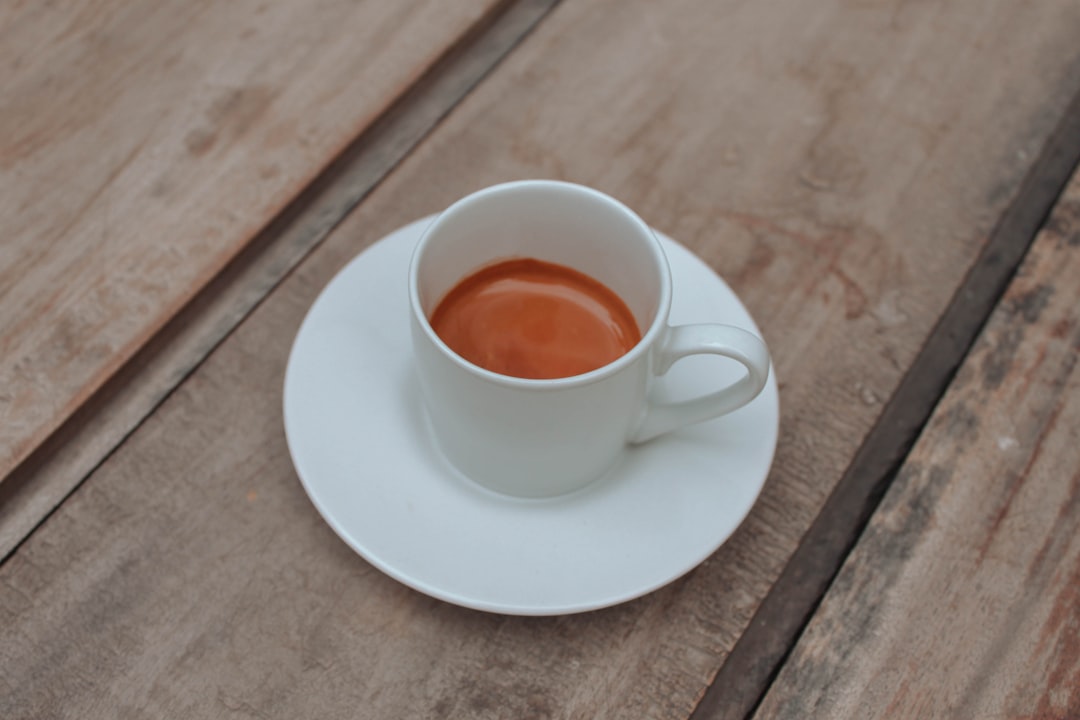
A common question is whether either method can substitute for espresso, and the honest answer is not exactly. Neither pour over nor French press uses the pressure that defines true espresso, so you won’t get crema or that concentrated, syrupy shot from either one. That said, both can make a strong, satisfying cup of coffee that works as a black-coffee experience. If you want something closer to espresso intensity for milk drinks, a moka pot is the better stovetop option, since it brews under modest pressure and produces a bolder concentrate. Pour over and French press are best appreciated for what they are: excellent methods for brewing flavorful, full-cup coffee rather than imitations of espresso. Many home setups include all of these tools so you can match the method to the moment — a bright pour over to savor a special bean, a hearty French press to share, and a moka pot when you crave something espresso-like.
Frequently Asked Questions
Which makes stronger coffee, pour over or French press? French press tends to taste bolder and fuller because oils and fines stay in the cup. Actual strength depends on your ratio, but French press feels heavier and richer.
Is pour over healthier than French press? Pour over’s paper filter traps oils called diterpenes that French press lets through. Some research links those oils to cholesterol, so paper-filtered coffee is often considered marginally healthier.
Can I use the same grind for both? No. French press needs a coarse grind to avoid grit and over-extraction, while pour over needs a medium-fine grind for proper flow. Using the wrong grind degrades the cup.
Which is easier for beginners? French press is more forgiving and requires less technique, making it ideal for newcomers. Pour over has a learning curve around pouring and timing but rewards practice.
Do I need a gooseneck kettle for pour over? It’s not strictly required, but a gooseneck kettle gives the slow, precise water control that makes pour over much easier and more consistent.
Final Thoughts
The pour over vs French press debate doesn’t have a single winner — it has two winners for different tastes. Pour over delivers clean, bright, articulate coffee for those who savor nuance, while French press offers bold, rich, full-bodied cups with minimal fuss. Both are affordable and rewarding. Match the method to the coffee you love, dial in your grind and ratio, and you’ll get café-quality results without a machine in sight.