Last updated: September 13, 2026
⚡ Key Takeaways


Editor's Pick
Apexstone 53mm Coffee Distributor, Espresso Distribution Tool, Coffee Leveler Compatible with Breville 54mm Portafilter


As an Amazon Associate we earn from qualifying purchases at no extra cost to you. Product prices and availability are accurate as of the date shown and are subject to change.




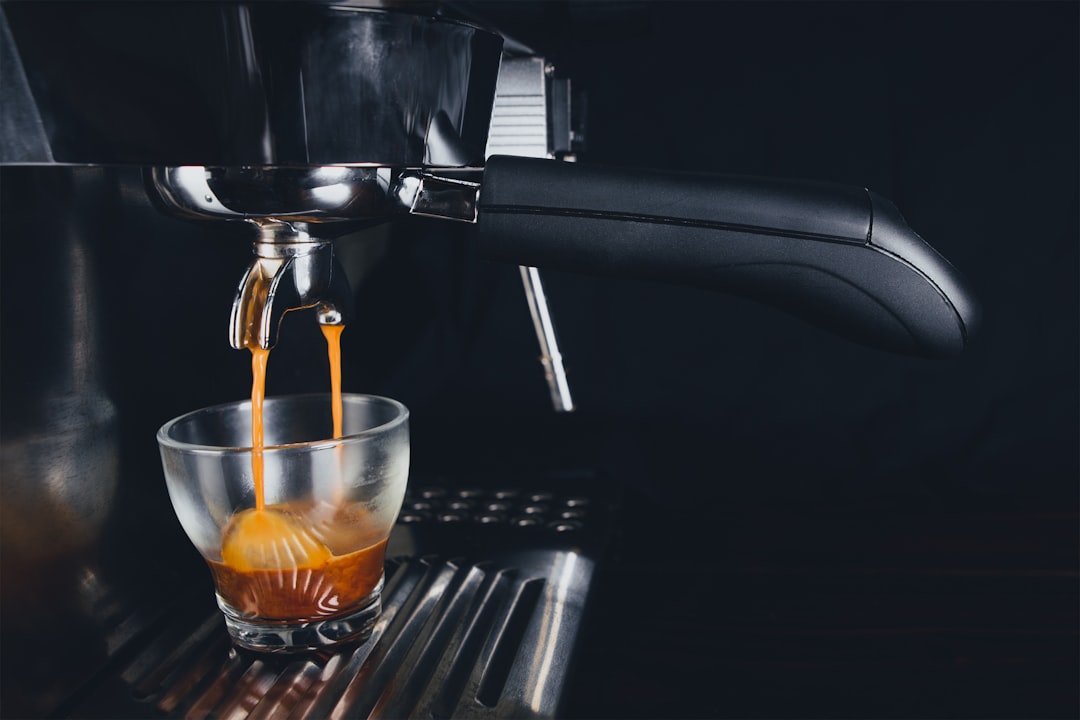
- A single shot (about 1 to 1.5 ounces) of espresso contains approximately 63 mg of caffeine.
- Notice that a latte and a cappuccino made with one shot carry the same caffeine as that single shot, around 63 mg.
- The reason espresso feels so strong is concentration, not total dose.
- Several factors push the real number up or down:
It’s one of the most common questions in coffee: how much caffeine is in a shot of espresso? Because espresso tastes so intense and concentrated, many people assume it’s loaded with caffeine compared to a regular cup of coffee. The reality is more nuanced. A single shot of espresso contains roughly 63 milligrams of caffeine, but how that compares to your morning drip cup depends entirely on serving size. Let’s break down the real numbers, what affects them, and how espresso stacks up against other caffeinated drinks.
🛒 Best Price Today on Amazon
Prime members get fast, free shipping on everything above, plus member-only deals. New members get a 30-day free trial — cancel anytime.
Quick answer: Our top pick in 2026 is the Single espresso shot — our #1 rated choice. See the full ranked comparison, alternatives and buying advice below.
The Short Answer
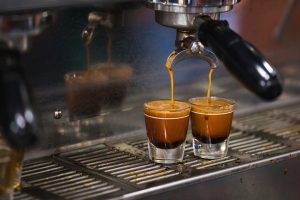
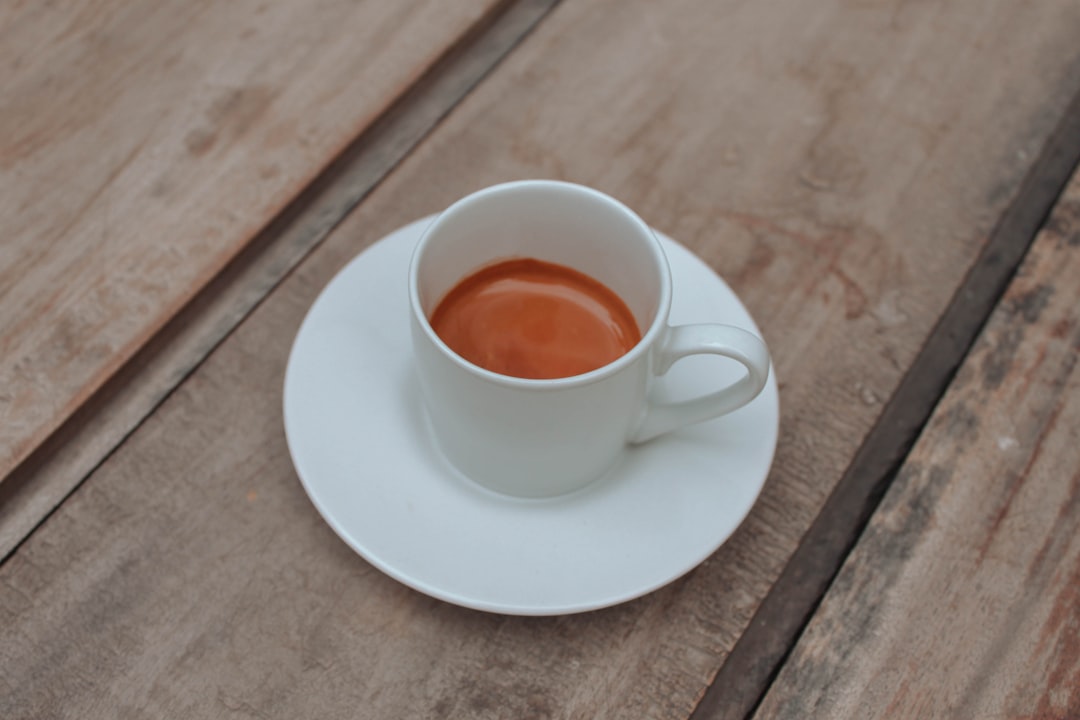
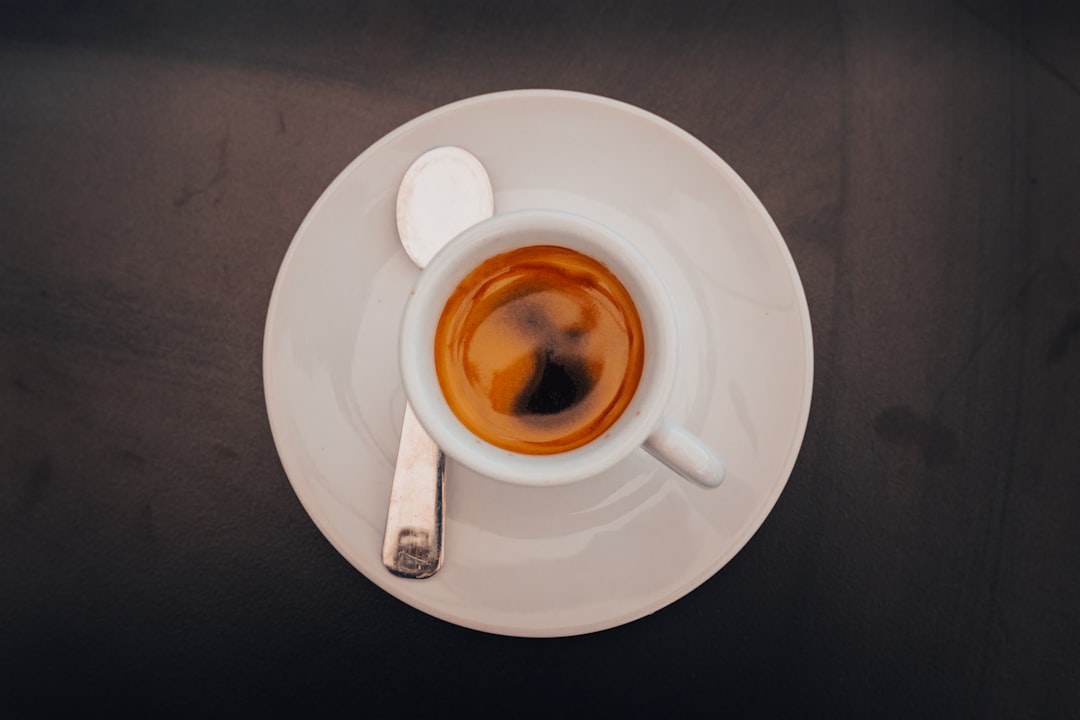
A single shot (about 1 to 1.5 ounces) of espresso contains approximately 63 mg of caffeine. A double shot, which is what most home machines and cafes actually serve, contains roughly 125 mg. Those are averages, and the real figure varies with the beans, roast, dose, and how the shot is pulled.
Compared to a standard 8-ounce cup of drip coffee at around 95 mg, a single espresso shot actually has less total caffeine. The key is that espresso is far more concentrated per ounce.
Caffeine by the Numbers
See also: How Much Coffee Per Cup? The Golden Ratio Explained • Pour Over vs French Press: Which Should You Choose?
Here’s how espresso compares to other common coffee drinks, using typical average values:
| Drink | Serving Size | Caffeine (approx.) |
|---|---|---|
| Single espresso shot | 1-1.5 oz | 63 mg |
| Double espresso shot | 2-3 oz | 125 mg |
| Drip coffee | 8 oz | 95 mg |
| Latte / cappuccino (1 shot) | 8-12 oz | 63 mg |
| Latte / cappuccino (2 shots) | 12-16 oz | 125 mg |
| Americano (2 shots) | 8-12 oz | 125 mg |
| Decaf espresso | 1 oz | ~0.5 mg |
Notice that a latte and a cappuccino made with one shot carry the same caffeine as that single shot, around 63 mg. The milk adds volume and flavor but no caffeine. So a big, milky latte isn’t necessarily high in caffeine unless it has multiple shots.
Why Espresso Is More Concentrated
The reason espresso feels so strong is concentration, not total dose. Espresso packs about 63 mg of caffeine into just 1 to 1.5 ounces, which is roughly 40 to 63 mg per ounce. Drip coffee spreads about 95 mg across 8 ounces, or only about 12 mg per ounce.
So ounce for ounce, espresso has roughly four to five times the caffeine of drip coffee. But because we drink espresso in tiny servings and coffee in large mugs, the total caffeine in a full cup of drip often exceeds a single espresso. This is the heart of the espresso vs coffee caffeine confusion, and understanding the difference between the two brewing methods clears it up.
What Affects Caffeine in Your Shot
That 63 mg figure is an average. Several factors push the real number up or down:
- Dose: More ground coffee in the basket means more caffeine. An 18 g double pulls more than a 14 g single.
- Bean variety: Robusta beans contain nearly twice the caffeine of Arabica. Blends with robusta will be stronger.
- Roast level: Contrary to popular belief, roast level has only a small effect by weight. Lighter and darker roasts are surprisingly close in caffeine; the bigger factor is whether you measure by weight or by scoop.
- Shot size and extraction: A longer extraction (lungo) pulls slightly more caffeine than a short ristretto, though the difference is modest.
- Grind and extraction quality: Better, more even extraction pulls caffeine more efficiently from the same dose.
The Light vs Dark Roast Myth
A persistent myth says dark roast has more caffeine because it tastes bolder, or that light roast has more because roasting “burns off” caffeine. The truth is that caffeine is remarkably stable during roasting. By weight, light and dark roasts have nearly identical caffeine. The apparent differences come down to how you measure: dark roast beans are less dense, so a scoop of dark roast has fewer beans (and slightly less caffeine) than the same scoop of light roast. Measure by weight and the gap nearly vanishes.
How Much Caffeine Is Safe?
Health authorities generally consider up to about 400 mg of caffeine per day safe for most healthy adults. That’s roughly:
- About 6 single espresso shots, or
- About 3 double shots, or
- About 4 standard cups of drip coffee
Individual tolerance varies widely. Some people feel jittery after one shot; others handle several with no issue. Pregnant individuals are usually advised to stay under 200 mg per day. Sensitivity to sleep disruption also matters, so be mindful of afternoon and evening shots.
Caffeine in Popular Espresso Drinks
Because most espresso is consumed as a milk drink, it helps to know how much caffeine ends up in your favorite cafe orders. The rule is simple: the milk and water add volume and flavor but no caffeine, so the total depends entirely on the number of shots.
| Drink | Typical Shots | Caffeine (approx.) |
|---|---|---|
| Espresso (single) | 1 | 63 mg |
| Macchiato | 1 | 63 mg |
| Cortado | 1 | 63 mg |
| Cappuccino | 1 | 63 mg |
| Flat white | 2 | 125 mg |
| Latte (large) | 2 | 125 mg |
| Americano | 2 | 125 mg |
This is why a small, intense-tasting macchiato can actually have less caffeine than a big, mild-tasting latte that hides two shots under all that milk. If you’re watching your intake, count shots rather than judging by how strong a drink tastes. A single-shot cappuccino is a lower-caffeine option, while a double-shot latte delivers about twice as much.
Does Brew Method Change the Buzz?
Beyond total caffeine, espresso may feel like it hits faster because you consume the concentrated dose quickly in a small volume, rather than sipping a large cup over many minutes. The total caffeine your body absorbs is what matters physiologically, but the rapid consumption can make the onset feel more pronounced.
Other concentrated brew methods land in a similar zone. A moka pot brews a strong, espresso-style coffee with comparable concentration, while a French press produces a larger, full-bodied cup with caffeine closer to drip coffee. If you want a quick, concentrated hit without an espresso machine, brewing with a precision kettle for pour-over also lets you control strength and dose to manage your caffeine intake. Your choice of method shapes both the flavor and how the caffeine is delivered.
Frequently Asked Questions
How much caffeine is in a double shot of espresso?
A double shot contains roughly 125 mg of caffeine on average. Since most cafes and home machines default to a double, that’s the realistic amount in a typical espresso-based drink unless extra shots are added.
Does espresso have more caffeine than coffee?
Per ounce, yes, espresso is far more concentrated. But a single shot has less total caffeine than a full 8-ounce cup of drip coffee, because the drip serving is so much larger. It depends on whether you compare by volume or by serving.
Does dark roast have more caffeine than light roast?
By weight they’re nearly identical, since roasting barely changes caffeine content. Differences appear only when measuring by scoop, because lighter, denser beans pack more coffee per scoop than puffier dark-roast beans.
How many espresso shots are safe per day?
Most healthy adults can have up to about 400 mg of caffeine daily, which is roughly six single shots or three doubles. Tolerance varies, and pregnant individuals are typically advised to stay under 200 mg.
Does decaf espresso have any caffeine?
Yes, a small amount. Decaf isn’t completely caffeine-free; a shot of decaf espresso contains roughly half a milligram, which is negligible for almost everyone but not literally zero.
Timing Your Caffeine for Better Sleep
Knowing the numbers is only half the picture; when you drink espresso matters as much as how much. Caffeine has a half-life of roughly five to six hours in most adults, meaning half of that 63 mg from an afternoon shot is still in your system five hours later. A double espresso at 4 p.m. can leave a meaningful dose circulating at bedtime, disrupting sleep even if you don’t feel wired.
A practical rule is to stop caffeine at least six to eight hours before bed. If you go to sleep around 11 p.m., that means wrapping up espresso by mid-afternoon. People who are sensitive or metabolize caffeine slowly may need an even earlier cutoff. If you love an evening cup, a decaf espresso, with only about half a milligram per shot, lets you enjoy the ritual and flavor without the sleep cost. Paying attention to timing is often the difference between coffee feeling like a friend and feeling like a problem.
The Takeaway
A single shot of espresso delivers about 63 mg of caffeine, and a double around 125 mg. Espresso is intensely concentrated per ounce, but its small serving size means a full cup of drip coffee often contains more total caffeine. Dose and bean type matter more than roast level, and most adults can comfortably enjoy a few shots a day within safe limits. Now that you know the real numbers, you can plan your caffeine around your taste and your tolerance with confidence.
Ready to decide? Our #1 pick for 2026 is the Single espresso shot.
Live price & availability on Amazon.