Last updated: October 4, 2026
⚡ Key Takeaways


Editor's Pick
Apexstone 53mm Coffee Distributor, Espresso Distribution Tool, Coffee Leveler Compatible with Breville 54mm Portafilter


As an Amazon Associate we earn from qualifying purchases at no extra cost to you.





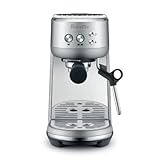
- Espresso machines fall into a few broad categories based on how much of the process they automate.
- Manual machines put you in complete control.
- The semi-automatic is the sweet spot for most home baristas and the most popular category by far.
- Automatic machines add a layer of convenience over semi-automatics by controlling the shot volume for you.
Shopping for an espresso machine can feel overwhelming once you realize how many types of espresso machines exist, from simple manual levers to fully automated bean-to-cup robots. Each type asks for a different mix of skill, time, and money, and the right one depends entirely on how hands-on you want to be. This guide explains every major category, what they’re best for, and how to choose the machine that matches your lifestyle and budget so you don’t overpay for features you’ll never use or underbuy and outgrow it in a month.
Related: best espresso machines with grinder.
🛒 Best Price Today on Amazon
Prime members get fast, free shipping on everything above, plus member-only deals. New members get a 30-day free trial — cancel anytime.
Quick answer: Our top pick in 2026 is the Manual / Lever — our #1 rated choice. See the full ranked comparison, alternatives and buying advice below.
- The Main Types of Espresso Machines
- Manual (Lever) Machines
- Semi-Automatic Machines
- Automatic Machines
- Super-Automatic Machines
- Capsule / Pod Machines
- How to Choose the Right Type
- Single Boiler, Heat Exchanger, or Dual Boiler?
- Frequently Asked Questions
- Match the Machine to Your Life
- Related Articles
- Related Guides
The Main Types of Espresso Machines
Espresso machines fall into a few broad categories based on how much of the process they automate. Here’s the quick landscape before we dig into each:
| Type | Control | Skill Needed | Best For |
|---|---|---|---|
| Manual / Lever | Total | High | Hands-on enthusiasts |
| Semi-automatic | High | Medium | Most home baristas |
| Automatic | Medium | Low-medium | Convenience seekers who still want to grind/tamp |
| Super-automatic | Low | Minimal | Push-button latte lovers |
| Capsule / Pod | Minimal | None | Speed and simplicity |
Manual (Lever) Machines
See also: BDO Class Tier List: Best Classes Ranked for PvE & PvP • ASTD X Ghost III Rainbow EXP IV Farming Guide Explained
Manual machines put you in complete control. You generate the brewing pressure yourself by pulling a lever, which means you control the pressure profile of every shot. There’s no pump; just a piston, a spring or your own muscle, and the puck.
Pros: ultimate control, the ability to shape each shot, beautiful craftsmanship, and a deeply rewarding ritual.
Cons: a steep learning curve, inconsistent results until you master the technique, and more effort per cup.
These are for enthusiasts who view espresso as a craft and enjoy the process as much as the result. They’re rarely the right first machine.
Semi-Automatic Machines
The semi-automatic is the sweet spot for most home baristas and the most popular category by far. The machine’s pump provides the pressure, but you control the grind, dose, tamp, and when to start and stop the shot. It automates the hard physics while leaving the craft in your hands.
Pros: excellent balance of control and convenience, a huge range of price points, room to grow your skills, and the ability to pull genuinely cafe-quality shots.
Cons: you still need a good grinder and some practice to dial in shots.
If you want to actually learn espresso and make great drinks without babysitting a lever, this is usually the category to start in. Pair one with a quality burr grinder and you have everything you need to learn how to pull a proper shot.
Automatic Machines
Automatic machines add a layer of convenience over semi-automatics by controlling the shot volume for you. You still grind, dose, and tamp, but the machine stops the shot automatically once it hits a programmed amount. It’s a small but appreciated bit of automation for people who want consistency without watching a scale.
Pros: consistent shot volume, less to manage during brewing, still allows hands-on involvement.
Cons: slightly less manual control over the exact shot, and they can cost more than a comparable semi-automatic.
Super-Automatic Machines
Super-automatics do almost everything at the press of a button. They grind, dose, tamp, brew, and many even froth and pour milk for you, all internally. You add beans and water, choose a drink, and walk away with a latte. They’re the bean-to-cup convenience champions.
Pros: incredible convenience, consistent results without skill, integrated grinders and milk systems, perfect for households that want variety with no fuss.
Cons: higher upfront cost, less control over the final flavor, and more complex internals to maintain.
If you value speed and zero learning curve over hands-on control, a super-automatic is hard to beat. The best De’Longhi super-automatic machines are a great place to look, offering reliable bean-to-cup performance and built-in milk frothing for effortless lattes and cappuccinos.
Capsule / Pod Machines
Pod machines use pre-packaged capsules of ground coffee. You drop in a pod, press a button, and get a quick shot with zero mess and no grinding or tamping. They prioritize speed and simplicity above all.
Pros: extremely fast, no skill or cleanup, compact, and very affordable upfront.
Cons: limited to available pods, higher cost per cup over time, more waste, and shots that rarely match the quality of fresh-ground espresso.
They’re ideal for offices, guests, or anyone who wants instant convenience and isn’t chasing peak flavor.
How to Choose the Right Type
Ask yourself a few honest questions before buying:
- How involved do you want to be? Love tinkering? Lean manual or semi-automatic. Want push-button drinks? Go super-automatic or pod.
- What drinks do you make? If you live on lattes, prioritize good milk frothing, whether a steam wand or an automatic milk system.
- What’s your budget? Semi-automatics span a wide range; super-automatics cost more upfront but bundle the grinder and milk system.
- How much counter space and time do you have? Busy mornings favor automation; leisurely weekends reward hands-on machines.
Don’t forget the grinder. For any machine that doesn’t have one built in, a quality burr grinder is essential and often as important as the machine itself for shot quality.
Don’t Overlook Accessories and Brew Alternatives
Whatever machine you choose, a few accessories make life easier, like a knock box for spent pucks and a good tamper. And if you’re not ready to commit to a full machine, stovetop options like a moka pot make a strong, espresso-style coffee for a fraction of the price, a great way to explore concentrated coffee before investing in a machine.
Single Boiler, Heat Exchanger, or Dual Boiler?
Beyond the level of automation, semi-automatic and prosumer machines differ in their boiler design, which affects how easily you can brew and steam milk together. This matters most if you make a lot of milk drinks.
| Boiler Type | How It Works | Best For |
|---|---|---|
| Single boiler | One boiler for brewing and steaming; you switch between them and wait | Budget setups, mostly straight espresso |
| Heat exchanger (HX) | One boiler feeds both circuits, so you can brew and steam at once | Frequent milk drinks at a mid price |
| Dual boiler | Separate boilers for brewing and steaming, each independently controlled | Enthusiasts wanting temperature stability and speed |
For someone who pulls one espresso at a time, a single boiler is perfectly fine and keeps costs down. If you regularly make back-to-back lattes for a household, a heat exchanger or dual boiler removes the wait between brewing and steaming, which is a meaningful quality-of-life upgrade. Don’t overspend on a dual boiler if you drink your espresso black, though; the extra capability would go unused.
Frequently Asked Questions
What type of espresso machine is best for beginners?
A semi-automatic is the best starting point for most people. It teaches you real espresso skills while handling the pressure automatically, and it grows with you. If you want zero learning curve, a super-automatic is the easiest entry point instead.
Are super-automatic machines worth the higher price?
For convenience-focused households, yes. They bundle a grinder and often a milk frother and deliver consistent drinks with one button. If you enjoy the craft of espresso or want maximum flavor control, a semi-automatic plus a good grinder may suit you better for the money.
Do I need a separate grinder?
Yes, for manual, semi-automatic, and automatic machines, since they don’t grind. A quality burr grinder is essential for good espresso. Super-automatic and pod machines are the exceptions, with grinding either built in or unnecessary.
What’s the difference between automatic and super-automatic?
An automatic machine controls only the shot volume while you still grind, dose, and tamp. A super-automatic handles the entire process internally, from grinding to brewing and often milk frothing, at the press of a button.
Are pod machines real espresso?
Pod machines can produce an espresso-like shot with crema, but the quality rarely matches fresh-ground espresso from a semi-automatic. They trade flavor and freshness for speed and convenience.
Match the Machine to Your Life
There’s no single best type of espresso machine, only the best one for you. Hands-on hobbyists thrive with manual and semi-automatic machines, convenience seekers love super-automatics, and pod machines win on pure speed. Think about how involved you want to be, what drinks you crave, and your budget, then choose accordingly. Whatever you pick, pair it with fresh beans and a good grinder, and you’ll be enjoying excellent espresso at home for years to come.
Ready to decide? Our #1 pick for 2026 is the Manual / Lever.
Live price & availability on Amazon.