Last updated: September 12, 2026
⚡ Key Takeaways
- Crema is the layer of emulsified foam that forms on top of a freshly pulled espresso shot.
- Several factors come together to produce crema.
- Lots of crema looks impressive, but it is not a reliable measure of quality or flavor.
- While crema isn't the whole story, its appearance can hint at what happened during extraction.
If you’ve ever pulled an espresso shot and admired that reddish-brown foam floating on top, you’ve met crema — and you’ve probably wondered what is crema and whether it actually means your coffee is good. Crema is one of the most talked-about and most misunderstood parts of espresso. It’s beautiful, it’s a sign of certain things going right, but it’s also surrounded by myths. This guide explains exactly what crema is, what creates it, what it tells you about your shot, and why chasing thick crema isn’t always the path to better-tasting espresso.
As an Amazon Associate we earn from qualifying purchases at no extra cost to you. Product prices and availability are accurate as of the date shown and are subject to change.




🛒 Best Price Today on Amazon
Prime members get fast, free shipping on everything above, plus member-only deals. New members get a 30-day free trial — cancel anytime.
Quick answer: Our top pick in 2026 is the Thin, pale, blonde, disappears fast — our #1 rated choice. See the full ranked comparison, alternatives and buying advice below.
- What Is Crema, Exactly?
- What Creates Good Crema?
- Does Crema Mean Better Espresso?
- Reading Your Crema Like a Barista
- Why Some Brews Have No Crema
- How to Get More Crema at Home
- The Crema and Flavor Connection
- The Science Behind the Foam
- Crema in Different Coffee Cultures
- Top-Rated Picks
- Frequently Asked Questions
- Final Thoughts
- Related Articles
What Is Crema, Exactly?
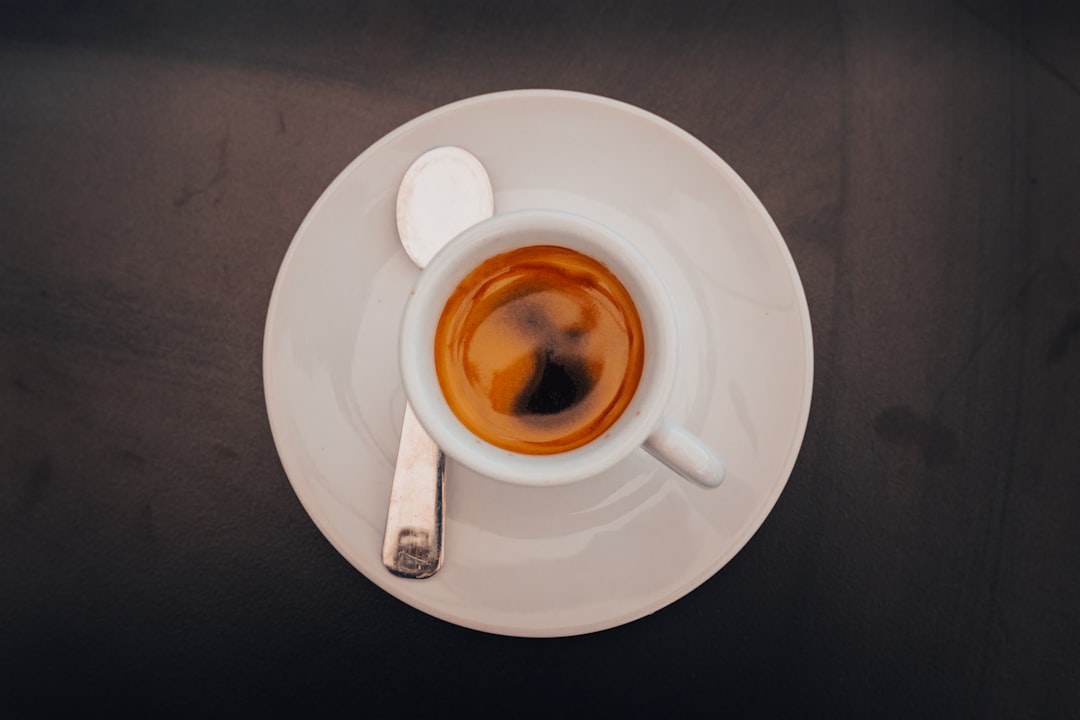
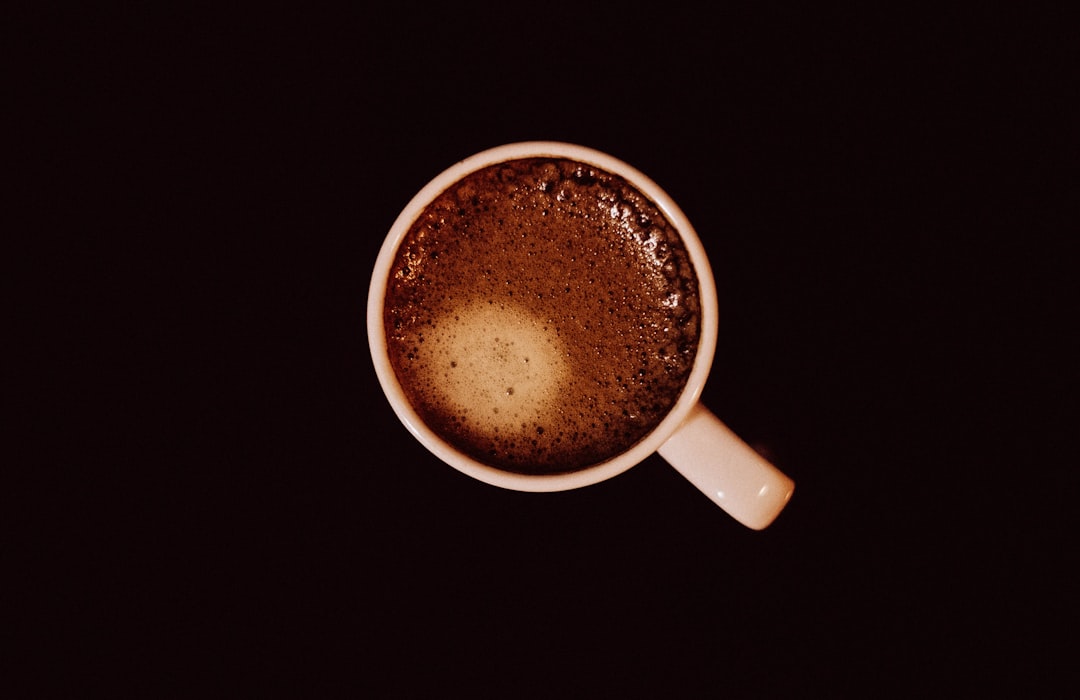
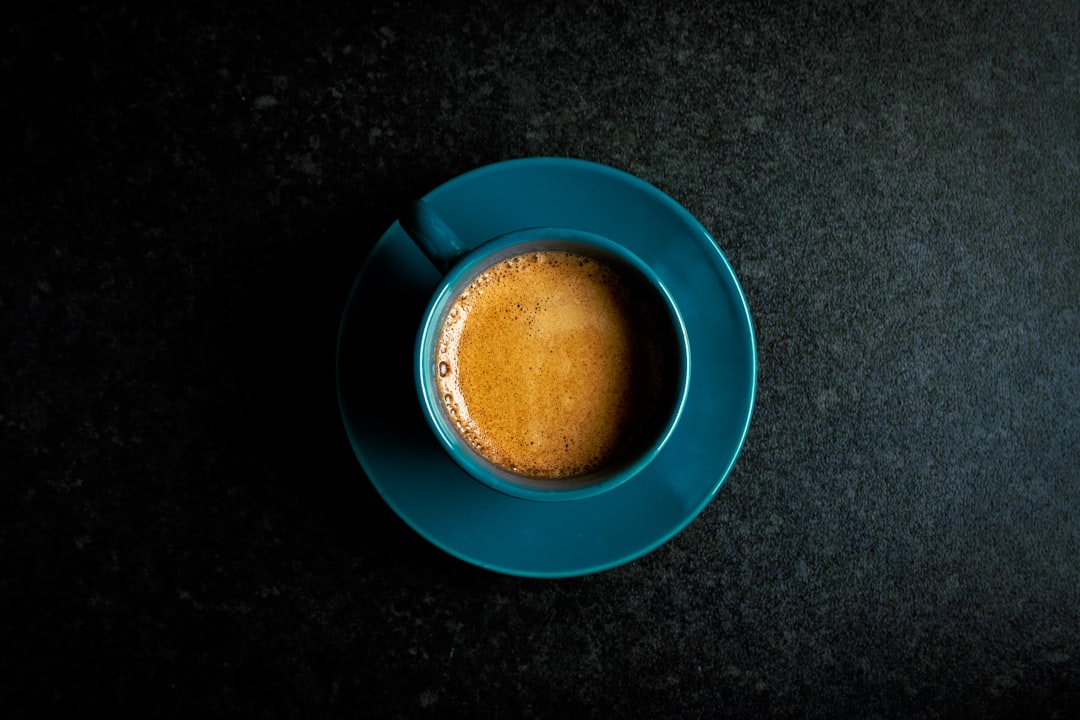
Crema is the layer of emulsified foam that forms on top of a freshly pulled espresso shot. It’s made of tiny gas bubbles — primarily carbon dioxide — trapped in a film of water, dissolved coffee solids, oils, and melanoidins (the brown compounds created during roasting). When hot, pressurized water is forced through finely ground coffee, it strips out CO2 that was locked into the beans during roasting and dissolves oils that don’t normally mix with water. As the pressure drops at the spout, those gases expand and rise, carrying coffee oils and fine particles to form that signature golden-brown crown.
What Creates Good Crema?
See also: How Much Coffee Per Cup? The Golden Ratio Explained • Pour Over vs French Press: Which Should You Choose?
Several factors come together to produce crema. The most important is freshly roasted coffee, because crema depends on the CO2 still trapped in the beans. Here are the main drivers:
- Bean freshness: coffee degasses over time, so beans roasted within the last two to four weeks produce the most crema.
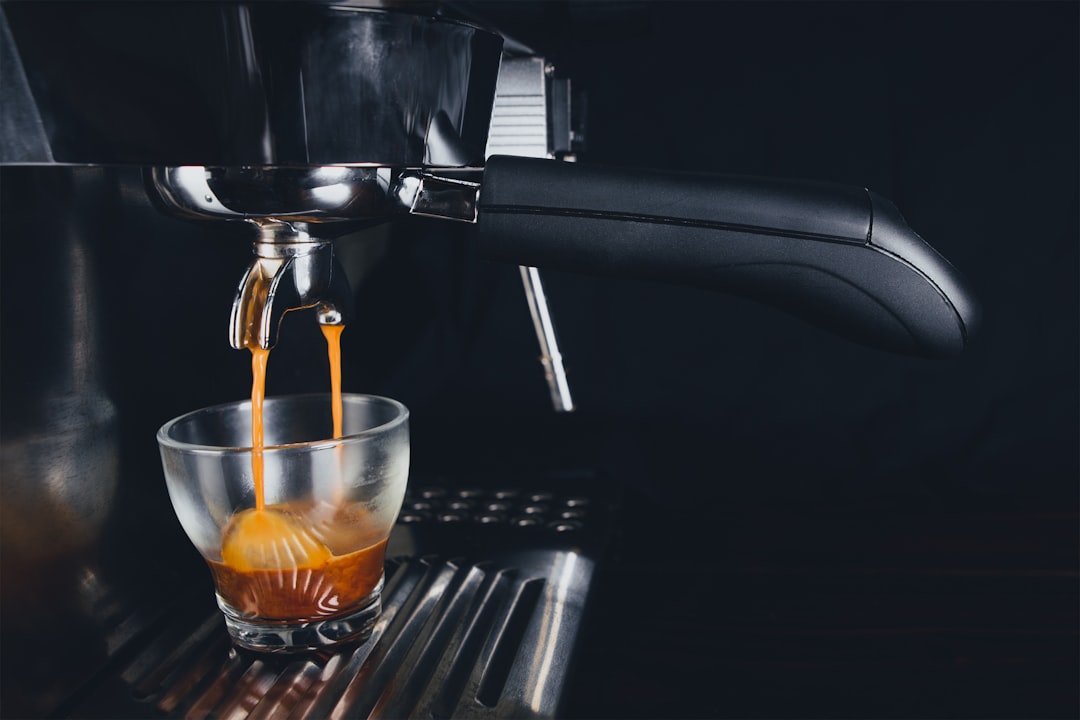
- Pressure: true espresso requires around 9 bars of pressure to emulsify oils and force out gases.
- Grind and dose: a fine, even grind and a properly tamped puck create the resistance needed for good extraction.
- Roast level: darker roasts and robusta beans tend to produce more visible crema, though not always better flavor.
Does Crema Mean Better Espresso?
This is the big myth. Lots of crema looks impressive, but it is not a reliable measure of quality or flavor. Robusta beans, for example, produce huge amounts of thick crema but often taste harsh and rubbery compared to arabica. Likewise, super-fresh beans that haven’t rested long enough can over-produce crema and even cause a “gusher” shot. Crema is one signal among many — useful context, not a verdict. A shot with modest crema and a balanced, sweet flavor beats a thick-crema shot that tastes sour or bitter every time.
Reading Your Crema Like a Barista
While crema isn’t the whole story, its appearance can hint at what happened during extraction. Here’s a quick diagnostic guide:
| Crema appearance | Likely meaning |
|---|---|
| Thin, pale, blonde, disappears fast | Under-extraction or stale beans; grind finer |
| Dark brown with white spots, bitter | Over-extraction; grind coarser or lower temp |
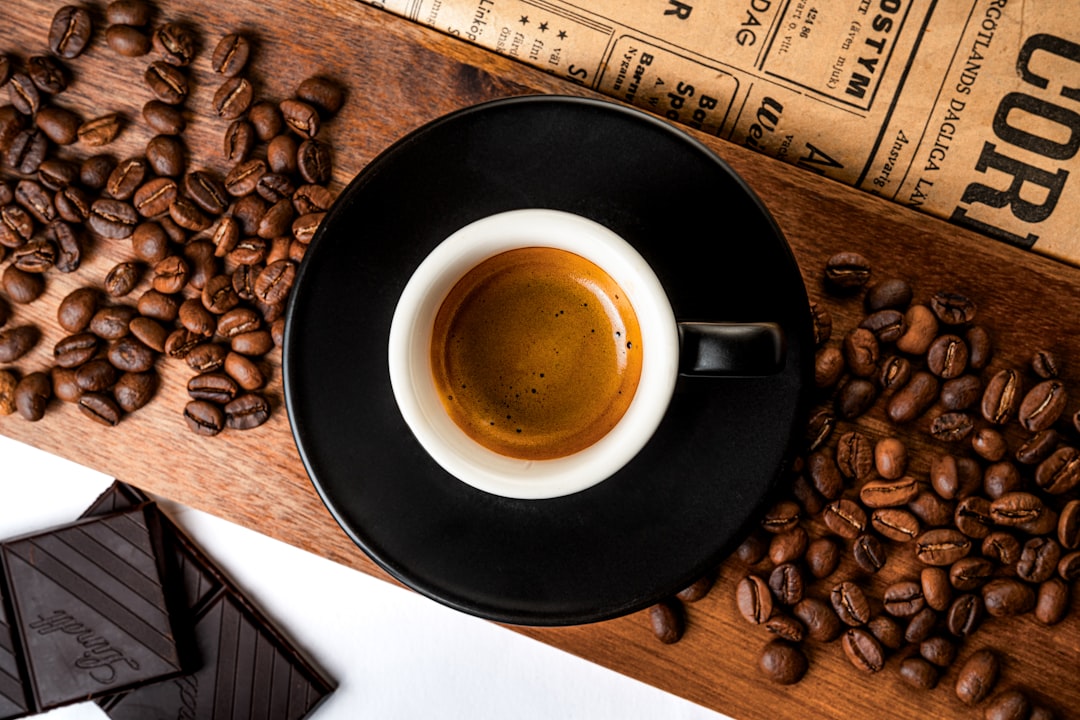
| Even reddish-brown, hazelnut color, lasting | Well-balanced extraction with fresh beans |
| Huge, foamy, bubbly | Beans too fresh (under-rested) or too dark |
| No crema at all | Stale beans, low pressure, or wrong grind |
Why Some Brews Have No Crema
Not every coffee method produces crema, and that’s perfectly fine. Crema is unique to pressurized espresso extraction. A French press, pour over, or drip coffee won’t make crema because they don’t apply the 9 bars of pressure needed to emulsify oils and trap gas. A moka pot creates a small amount of foam, sometimes called “fake crema,” because it brews at lower pressure — around 1 to 2 bars — but it’s not true espresso crema. If you love the body and intensity of espresso but brew with a moka pot, the lack of full crema is normal and doesn’t mean you’ve done anything wrong.
How to Get More Crema at Home
If you want to maximize crema, focus on the fundamentals rather than gimmicks:
- Buy whole beans and grind them fresh right before pulling your shot.
- Use beans roasted within the past two to four weeks, and let very fresh beans rest a few days after roasting.
- Dial in your grind so a double shot takes about 25 to 30 seconds to pull.
- Keep your machine at proper brewing temperature, around 195°F to 205°F.
- Distribute and tamp evenly to avoid channeling, which ruins both crema and flavor.
Maintaining clean equipment matters too — oily residue and old grounds in your grinder will degrade both crema and taste over time.
The Crema and Flavor Connection
Crema does contribute to the espresso experience. It carries aromatic oils and contributes to the mouthfeel and lingering finish of the shot. Many baristas stir the crema into the espresso before drinking, because on its own crema can taste quite bitter — those concentrated oils and fine particles are intense. Stirring distributes that bitterness and aroma evenly through the cup, which often produces a more balanced sip. Whether you stir or sip through the crema is entirely a matter of taste.
The Science Behind the Foam
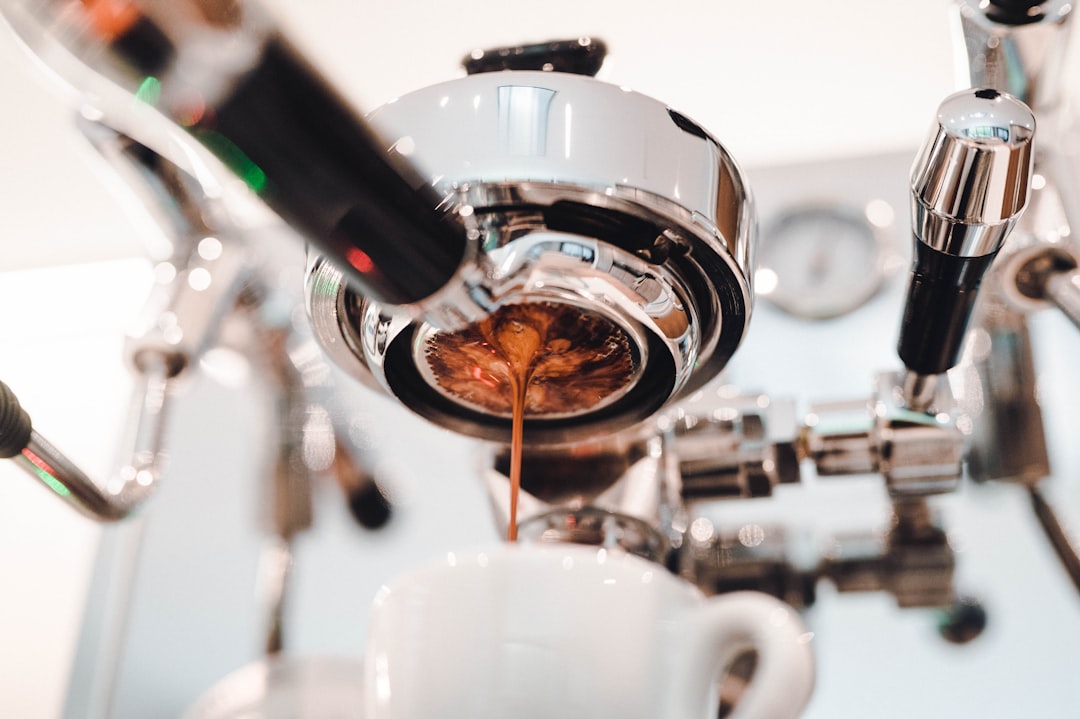
Understanding what’s physically happening helps demystify crema. During roasting, coffee beans undergo chemical reactions that generate large amounts of carbon dioxide, which gets trapped inside the bean’s porous structure. When you grind and then brew under pressure, hot water rushes through the puck and the dissolved CO2 comes out of solution rapidly. At the same time, the 9 bars of pressure emulsify coffee oils — normally hydrophobic and unwilling to mix with water — into microscopic droplets suspended in the liquid. The melanoidins, those brown compounds formed during roasting, give crema its characteristic color and also act as surfactants that help stabilize the foam. The result is a colloidal layer: gas bubbles wrapped in a film of water, oils, and solids. This is why stale beans make poor crema; once the CO2 has escaped over weeks of sitting, there’s little gas left to form that foam.
Crema in Different Coffee Cultures
How people regard crema varies around the world. In traditional Italian espresso culture, a thick, persistent crema is considered a hallmark of a properly pulled shot, and many classic blends include a portion of robusta specifically to boost crema and body. In the modern specialty coffee movement, the emphasis has shifted toward flavor clarity and sweetness, with crema treated as just one indicator among many rather than the goal itself. Some third-wave cafés pull light-roast espresso that produces thinner, paler crema by design, prioritizing the bright, fruity flavors of the bean over a heavy foam cap. Neither approach is wrong — they reflect different philosophies about what espresso should be. Knowing this helps you set realistic expectations for whatever beans you brew, rather than chasing an ideal that may not suit your coffee.
Top-Rated Picks


Editor's Pick
Apexstone 53mm Coffee Distributor, Espresso Distribution Tool, Coffee Leveler Compatible with Breville 54mm Portafilter


Dropped $1.09
| Product | Brand | Rating | Reviews | Price |
|---|---|---|---|---|
| Breville BCB100BSS Knock Box, Espresso Machine Access… | — | ★ 4.8 | 5.5k | $69.99 |
| 53mm Coffee Distributor, Espresso Distribution Tool, … | Apexstone | ★ 4.7 | 4.9k | $17.99 |
| 2-Pack Charcoal Breville Filters for Espresso Machine… | Possiave | ★ 4.8 | 2.3k | $7.99 |
| Possiave 12-Pack Charcoal Water Filters Compatible wi… | Possiave | ★ 4.8 | 2.3k | $15.99 |
| LatteGo Milk Container (Carafe) Assembly for Philips … | — | ★ 4.6 | 2.1k | $55.99 |
Frequently Asked Questions
Is crema supposed to be bitter? Yes, on its own crema is typically bitter and intense because it concentrates oils and fine particles. That’s why many people stir it into the shot before drinking to balance the flavor.
Why does my espresso have no crema? The most common cause is stale beans that have lost their CO2. Other culprits include too coarse a grind, insufficient pressure, or pre-ground coffee that has degassed.
Does more crema mean stronger coffee? No. Crema reflects gas and oil content, not caffeine or strength. Robusta and dark roasts produce more crema but aren’t necessarily stronger or better tasting.
Can you get crema from a moka pot? A moka pot makes a light foam sometimes called fake crema, but it isn’t true espresso crema because the brewing pressure is far lower than the 9 bars espresso uses.
Should I stir crema into my espresso? Many baristas do, because it blends the bitter, aromatic crema into the rest of the shot for a more even flavor. Try it both ways and decide what you prefer.
Final Thoughts
Crema is the elegant, golden signature of a properly pulled espresso, but it’s a clue rather than a scorecard. Use its color and texture to help diagnose your extraction, enjoy the aroma and body it adds, and remember that taste is the real test. Fresh beans, a good grind, and proper pressure will give you crema worth admiring — and, more importantly, espresso worth drinking.
Ready to decide? Our #1 pick for 2026 is the Thin, pale, blonde, disappears fast.
Live price & availability on Amazon.