Last updated: September 12, 2026
⚡ Key Takeaways


Dropped $2.20
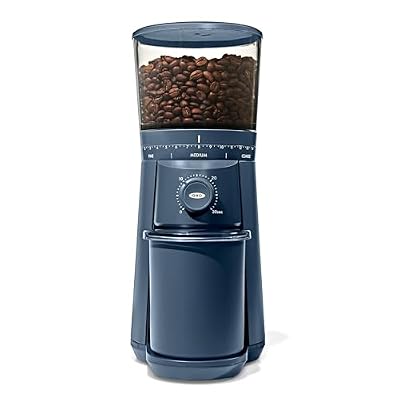

As an Amazon Associate we earn from qualifying purchases at no extra cost to you. Product prices and availability are accurate as of the date shown and are subject to change.




- Coffee beans contain natural oils that release when ground.
- The cleaning approach depends on which type you own.
- Cleaning frequency depends on how much you brew and what you grind.
- Always unplug the grinder first for safety.
Knowing how to clean a coffee grinder is one of the most overlooked skills in home coffee, yet it has an outsized impact on flavor. Every time you grind, oils and fine particles build up inside the burrs and chamber. Over days and weeks, that residue goes rancid and stale, lending a bitter, off taste to even the freshest beans. A clean grinder produces cleaner, sweeter, more consistent coffee — and it lasts longer, too. This guide walks you through cleaning both blade and burr grinders, how often to do it, and the mistakes that can damage your equipment.
🛒 Best Price Today on Amazon
Prime members get fast, free shipping on everything above, plus member-only deals. New members get a 30-day free trial — cancel anytime.
Quick answer: Our top pick in 2026 is the Brush out grounds — our #1 rated choice. See the full ranked comparison, alternatives and buying advice below.
- Why Cleaning Your Grinder Matters
- Blade Grinder vs Burr Grinder
- How Often Should You Clean It?
- How to Clean a Blade Grinder
- How to Clean a Burr Grinder
- Using Grinder Cleaning Tablets
- Mistakes to Avoid
- Keeping Your Grinder Clean Longer
- How a Clean Grinder Improves Your Coffee
- Signs Your Grinder Needs Cleaning Now
- Frequently Asked Questions
- Final Thoughts
- Related Articles
- Related Guides
Why Cleaning Your Grinder Matters
Coffee beans contain natural oils that release when ground. Those oils coat the grinder’s interior and trap fine coffee dust. Left alone, this buildup turns rancid, and rancid oil tastes exactly as unpleasant as it sounds — bitter, stale, and flat. Old grounds also clog the burrs, leading to uneven particle sizes that throw off your extraction. If your coffee has tasted dull lately despite fresh beans, your grinder is a likely culprit. Regular cleaning protects both your flavor and your investment in good beans.
Blade Grinder vs Burr Grinder
See also: How Much Coffee Per Cup? The Golden Ratio Explained • Pour Over vs French Press: Which Should You Choose?
The cleaning approach depends on which type you own. A blade grinder uses a spinning blade and is simpler to clean but harder to dose consistently. A burr grinder crushes beans between two abrasive surfaces for a far more uniform grind, but it has more parts and requires more thorough cleaning. Knowing your type helps you clean it correctly without causing damage.
How Often Should You Clean It?
Cleaning frequency depends on how much you brew and what you grind. Here’s a practical schedule:
| Task | Frequency | Purpose |
|---|---|---|
| Brush out grounds | Weekly | Remove loose residue and dust |
| Wipe hopper and chamber | Every 1–2 weeks | Clear oil buildup |
| Deep clean burrs | Monthly | Remove rancid oils, restore consistency |
| Grinding cleaning tablets/rice | Monthly | Absorb oils from internal parts |
If you grind oily dark roasts or flavored beans, clean more often, since these leave heavier residue.
How to Clean a Blade Grinder
Blade grinders are quick to clean. Always unplug the grinder first for safety. Then:
- Brush out loose grounds with a small dry brush or pastry brush.
- Grind a few tablespoons of uncooked white rice for about 30 seconds. The rice absorbs oils and dislodges trapped grounds, and grinding it cleans the blade and chamber.
- Dump the rice powder and wipe the inside with a dry cloth or paper towel.
- For stubborn residue, wipe with a cloth lightly dampened with water, then dry thoroughly before the next use.
Never submerge the motorized base in water, and make sure everything is completely dry before plugging it back in.
How to Clean a Burr Grinder
Burr grinders need more attention but reward you with the most flavor benefit. Unplug it, then follow these steps:
- Empty the hopper and run the grinder briefly to clear out any remaining beans.
- Remove the upper burr if your model allows — check the manual. Many consumer grinders have a removable top burr that twists out.
- Brush both burrs with a stiff dry brush to dislodge packed grounds. A toothpick or wooden skewer helps with tight crevices.
- Vacuum or blow out the loosened debris from the burr chamber.
- Wipe non-burr surfaces with a dry or barely damp cloth. Avoid getting metal burrs wet, as moisture can cause rust.
- Reassemble carefully, making sure the burr is seated correctly before grinding again.
Using Grinder Cleaning Tablets
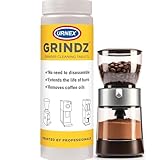
For a deeper clean without full disassembly, grinder cleaning tablets are a convenient option. These food-safe pellets are made from grain and run through the grinder like beans, absorbing oils and sweeping out old grounds as they pass through the burrs. Simply grind a dose according to the package directions, then grind a small amount of coffee afterward to clear any tablet residue and discard those grounds. Rice can work similarly for blade grinders, but check your burr grinder’s manual first — some manufacturers advise against rice, which can be too hard for certain burrs.
Mistakes to Avoid
A few common errors can damage your grinder or hurt your coffee:
- Using water on burrs: moisture causes rust and can promote mold in trapped grounds. Keep burrs dry.
- Grinding rice in delicate burr grinders: hard rice can damage some burrs; use dedicated cleaning tablets instead.
- Cleaning while plugged in: always unplug before disassembly to avoid injury.
- Forgetting the hopper and lid: oils accumulate there too and can be washed with mild soap if removable, then fully dried.
- Skipping reassembly checks: a misaligned burr produces uneven grinds and strange noises.
Keeping Your Grinder Clean Longer
Good habits reduce how often you need a deep clean. Buy only as many beans as you’ll use in a few weeks, since stale, oily beans gunk up the burrs faster. Avoid grinding flavored or heavily oiled beans if you can, as their coatings leave the heaviest residue. Grind directly into your brewing vessel rather than leaving grounds sitting in the chamber. A clean grinder pairs well with clean brewing gear overall — if you brew pour over, a steady gooseneck kettle and a fresh pour over coffee maker let your freshly ground beans shine. The same goes for keeping a French press spotless between brews.
How a Clean Grinder Improves Your Coffee
It’s worth understanding exactly why cleaning pays off, because the benefits go beyond just removing bad-tasting residue. A grinder clogged with old grounds produces inconsistent particle sizes, and consistency is the foundation of good extraction. When some particles are fine and others coarse, water extracts them at different rates, leading to a muddy mix of under-extracted sourness and over-extracted bitterness in the same cup. Clearing out packed grounds restores the grinder’s ability to produce uniform particles, which directly improves clarity and balance in your brew. A clean grinder also runs cooler and quieter, since the burrs aren’t fighting through caked-on debris, and reducing that friction extends the life of the motor and burrs. In short, regular cleaning isn’t just about taste — it’s about performance and longevity, protecting both your coffee and the machine itself.
Signs Your Grinder Needs Cleaning Now
Rather than relying only on a calendar, learn to recognize the signals that your grinder is overdue for attention. The most obvious is a noticeable decline in flavor: if your coffee suddenly tastes dull, stale, or bitter despite using fresh beans, rancid oils in the grinder are a prime suspect. Other warning signs include visible oily buildup on the hopper walls and burrs, grounds that look or smell stale before you’ve even brewed, a grinder that sounds louder or struggles more than usual, and grinds that seem unusually clumpy or inconsistent. You might also notice grounds spilling out or sticking in the chute, a sign that residue is gumming up the works. When you spot any of these, don’t wait for your scheduled cleaning — a quick brush-out and a deeper clean will often restore both the flavor and the smooth operation you remember from when the grinder was new.
Frequently Asked Questions
Can I wash my coffee grinder with water? You can wash removable plastic parts like the hopper and lid with mild soap and water, but never wet the metal burrs or motor. Dry everything completely before reassembling.
How often should I clean my burr grinder? Brush it out weekly and do a deeper burr cleaning about once a month. Increase frequency if you grind oily dark roasts or flavored beans.
Does rice damage coffee grinders? Rice is fine for most blade grinders, but it can be too hard for some burr grinders. Check your manual and use dedicated cleaning tablets if rice is not recommended.
Why does my coffee taste bitter even with fresh beans? Rancid oil buildup in a dirty grinder is a common cause. Old grounds and stale oils add bitterness, so a thorough cleaning often restores the flavor.
Do I need special cleaning products? Not necessarily. A dry brush and regular wiping cover most needs. Grinder cleaning tablets are helpful for deep cleans but aren’t strictly required.
Final Thoughts
Cleaning your coffee grinder is simple maintenance with a big payoff in flavor and longevity. Brush it out weekly, deep clean the burrs monthly, keep moisture away from the metal, and avoid letting oily beans linger. A few minutes of care keeps your grinds consistent and your coffee tasting bright and fresh — exactly what your good beans deserve.
Ready to decide? Our #1 pick for 2026 is the Brush out grounds.
Live price & availability on Amazon.