Last updated: September 12, 2026
⚡ Key Takeaways

Dropped $0.94


Dropped $1.68
Prime
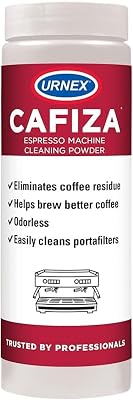
Urnex Espresso Machine Cleaning Powder – 566 grams – Cafiza Professional Espresso Machine Cleaner
As an Amazon Associate we earn from qualifying purchases at no extra cost to you. Product prices and availability are accurate as of the date shown and are subject to change.



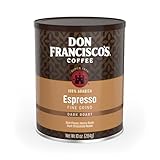


- Espresso is a brewing method, not a different bean.
- Many people assume espresso is far more caffeinated than coffee.
- The high-pressure extraction of espresso pulls more oils, dissolved solids, and aromatic compounds into a tiny volume of liquid.
- Espresso is the foundation of the entire cafe menu.
If you’ve ever stood in a cafe wondering whether to order an espresso or a regular coffee, you’re not alone. The espresso vs coffee question trips up plenty of people, partly because espresso is coffee, just made in a very particular way. The differences come down to how the coffee is ground, how water passes through it, and the intense, concentrated result you get in the cup. In this guide we’ll break down exactly what separates the two, from caffeine and flavor to brewing gear and the drinks each one builds.
Related: best espresso machines with grinder.
🛒 Best Price Today on Amazon
Prime members get fast, free shipping on everything above, plus member-only deals. New members get a 30-day free trial — cancel anytime.
Quick answer: Our top pick in 2026 is the Brew method — our #1 rated choice. See the full ranked comparison, alternatives and buying advice below.
The Short Answer
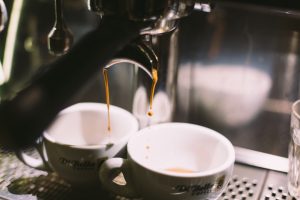
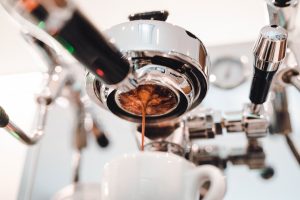
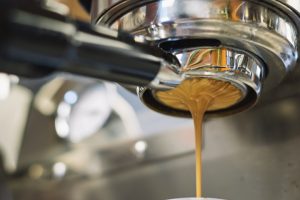
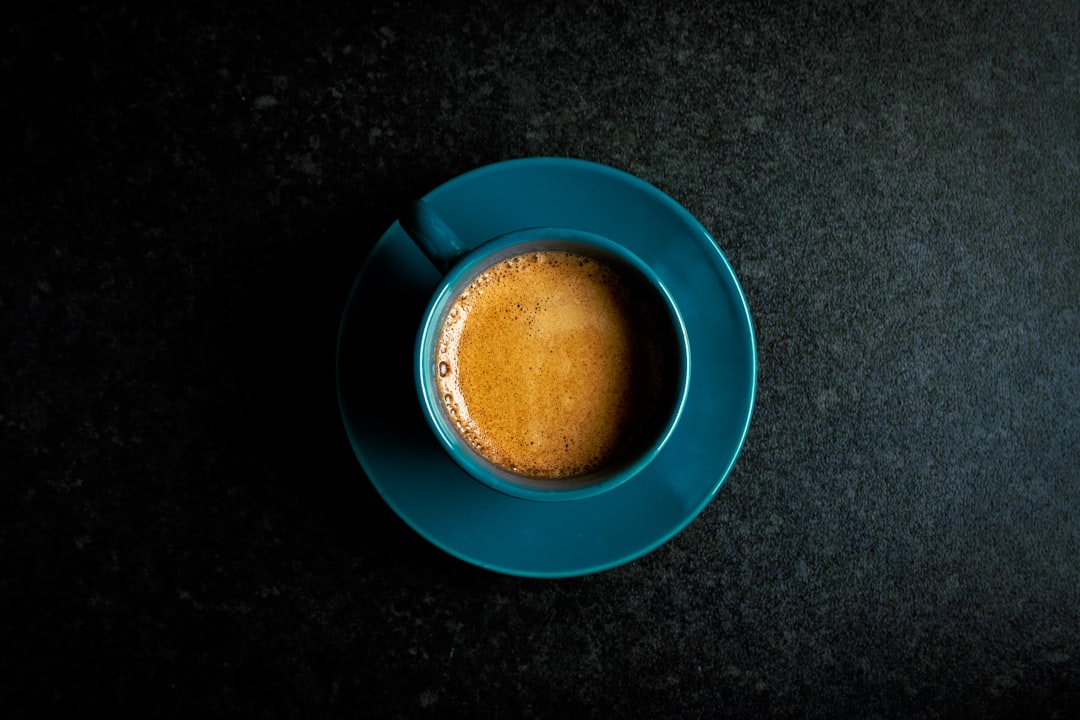
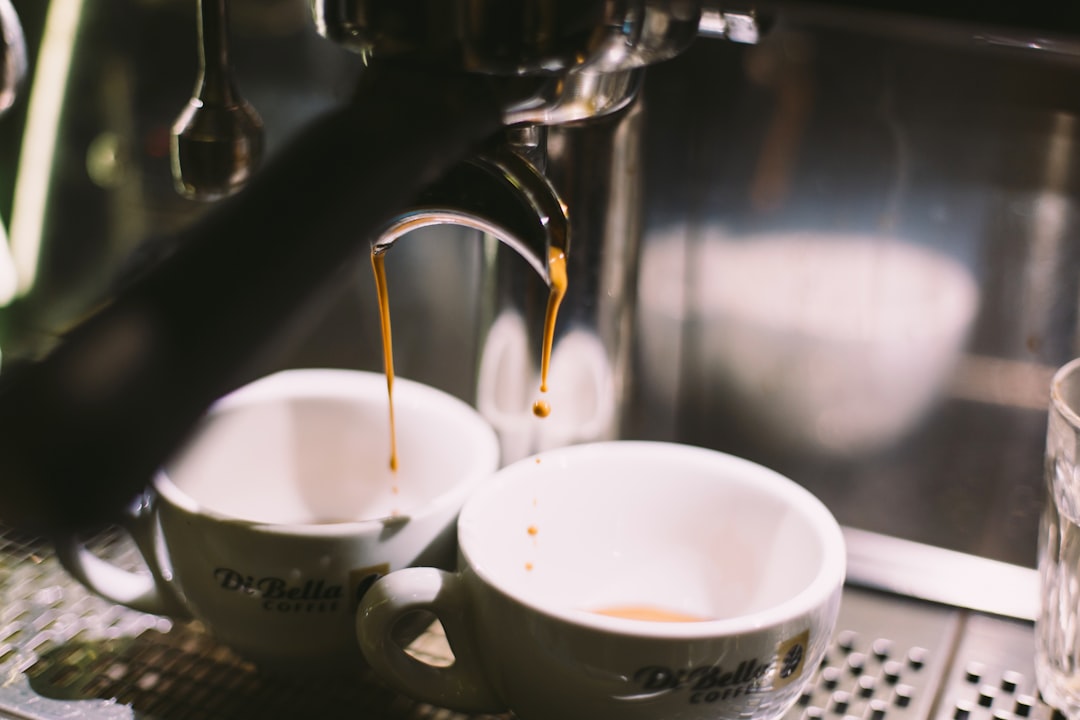
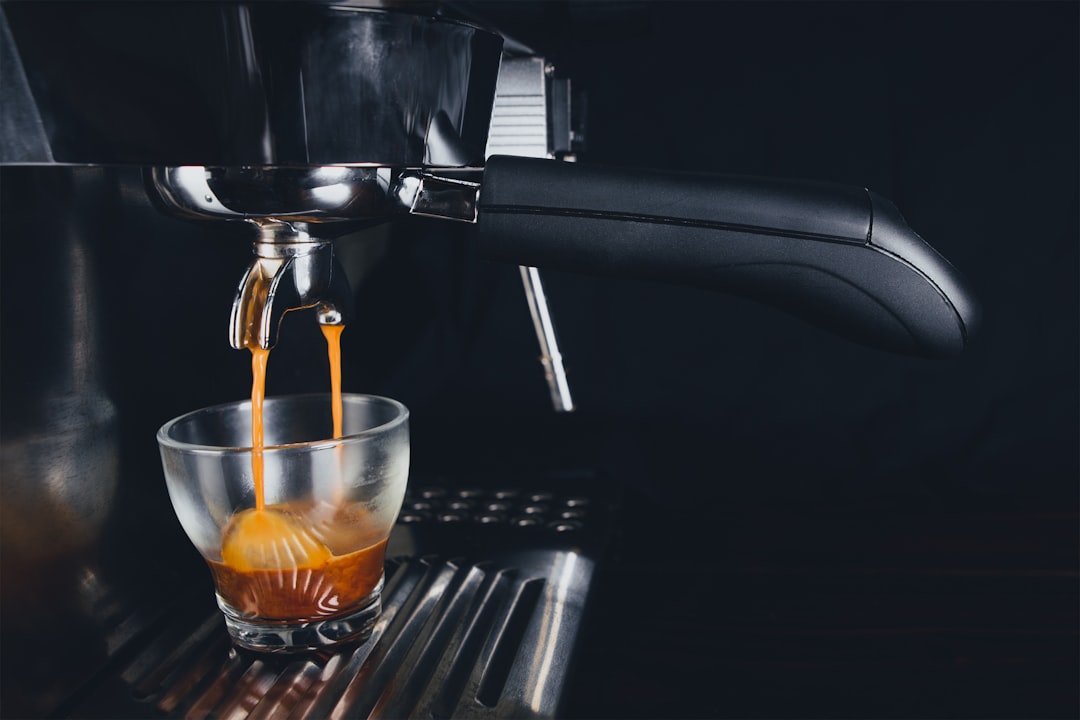
Espresso is a brewing method, not a different bean. It forces hot water through finely ground coffee under high pressure (around 9 bars) in about 25 to 30 seconds, producing a small, intense shot topped with a layer of golden crema. “Coffee” in everyday language usually means drip or filter coffee, where hot water passes slowly through a medium grind by gravity alone, yielding a larger, lighter-bodied cup.
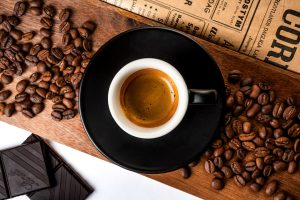
Both start from the same roasted coffee beans. The magic is in the pressure, the grind size, and the ratio of water to coffee.
Espresso vs Coffee: Side-by-Side Comparison
See also: How Much Coffee Per Cup? The Golden Ratio Explained • Pour Over vs French Press: Which Should You Choose?
| Feature | Espresso | Drip / Filter Coffee |
|---|---|---|
| Brew method | High pressure (~9 bars) | Gravity drip |
| Grind size | Fine | Medium |
| Brew time | 25-30 seconds | 4-6 minutes |
| Serving size | 1-2 oz (single/double shot) | 8-12 oz |
| Caffeine per serving | ~63 mg per shot | ~95-165 mg per cup |
| Caffeine per ounce | ~63 mg/oz | ~12-16 mg/oz |
| Body & texture | Thick, syrupy, crema on top | Light, clean |
| Typical equipment | Espresso machine + grinder | Drip maker or pour-over |
Caffeine: The Most Common Misconception
Many people assume espresso is far more caffeinated than coffee. Ounce for ounce, it absolutely is. A single shot of espresso packs roughly 63 mg of caffeine into just 1 to 1.5 ounces, while drip coffee carries about 12 to 16 mg per ounce. But because a standard mug of drip coffee is 8 to 12 ounces, a full cup often delivers more total caffeine than a single espresso shot.
So the honest answer is: espresso is more concentrated, but a big cup of regular coffee usually gives you a larger overall caffeine dose. If you want the full breakdown, our deep dive on caffeine content gets into the exact numbers and the factors that change them.
Flavor and Body
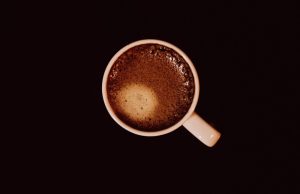
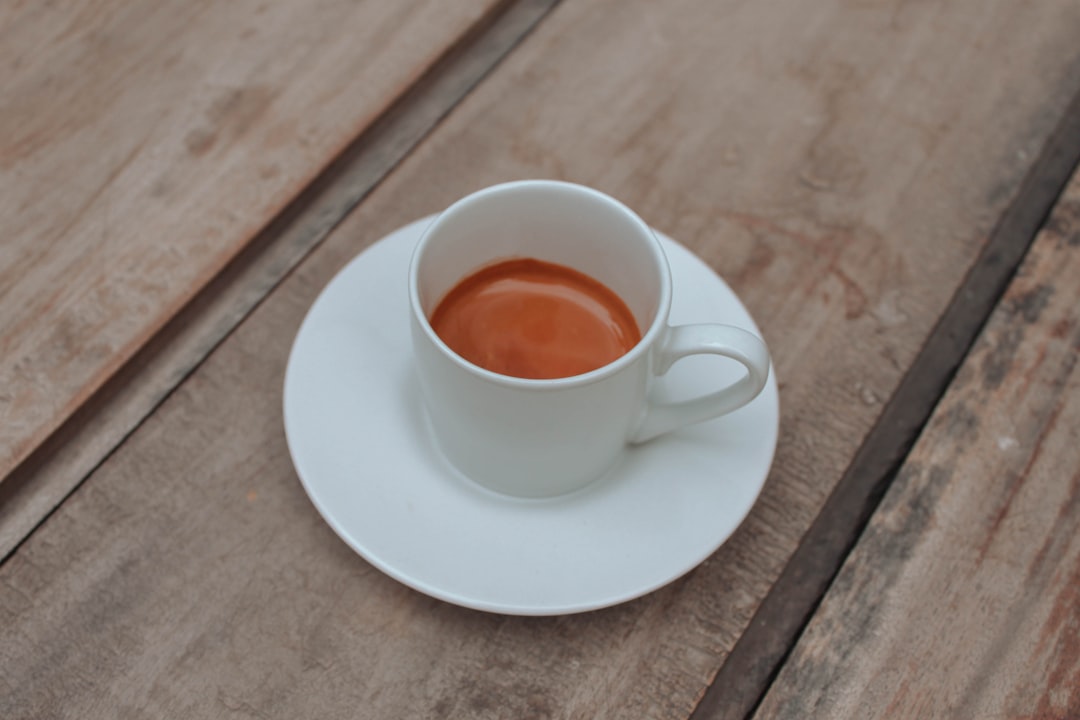
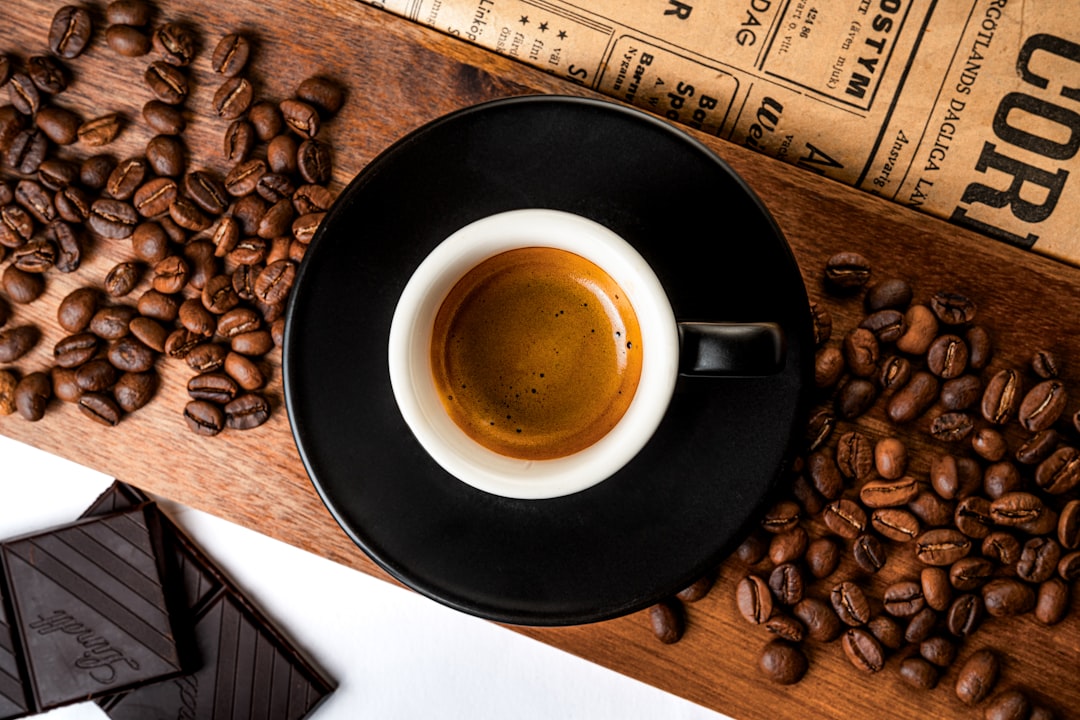
The high-pressure extraction of espresso pulls more oils, dissolved solids, and aromatic compounds into a tiny volume of liquid. That’s why espresso tastes bold, syrupy, and intense, with a velvety mouthfeel and the signature crema floating on top. Drip coffee, brewed slowly through a paper filter, is cleaner and lighter. Paper traps most of the oils, producing a more delicate, tea-like clarity.
Neither is objectively better. Espresso is built for concentrated intensity and as a base for milk drinks, while filter coffee shines when you want to sip a large, nuanced cup over time. Many home brewers enjoy both for different moods and times of day.
What About Other Brew Methods?
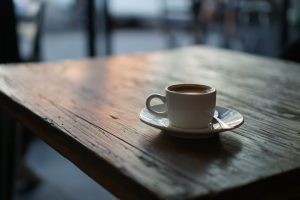
“Coffee” covers a wide world beyond drip. A stovetop moka pot brews a strong, espresso-adjacent cup using steam pressure, though it doesn’t reach the same bar pressure or produce true crema. A French press makes a full-bodied, immersion-style brew that keeps the oils, landing somewhere between drip and espresso in richness. Each method has its own character.
The Drinks Each One Builds
Espresso is the foundation of the entire cafe menu. Once you can pull a shot, you can make:
- Americano — espresso diluted with hot water for a coffee-like drink
- Latte — espresso with lots of steamed milk and a thin layer of foam
- Cappuccino — equal parts espresso, steamed milk, and thick foam
- Macchiato — espresso “marked” with a small dollop of foam
- Cortado — espresso with a roughly equal amount of warm milk
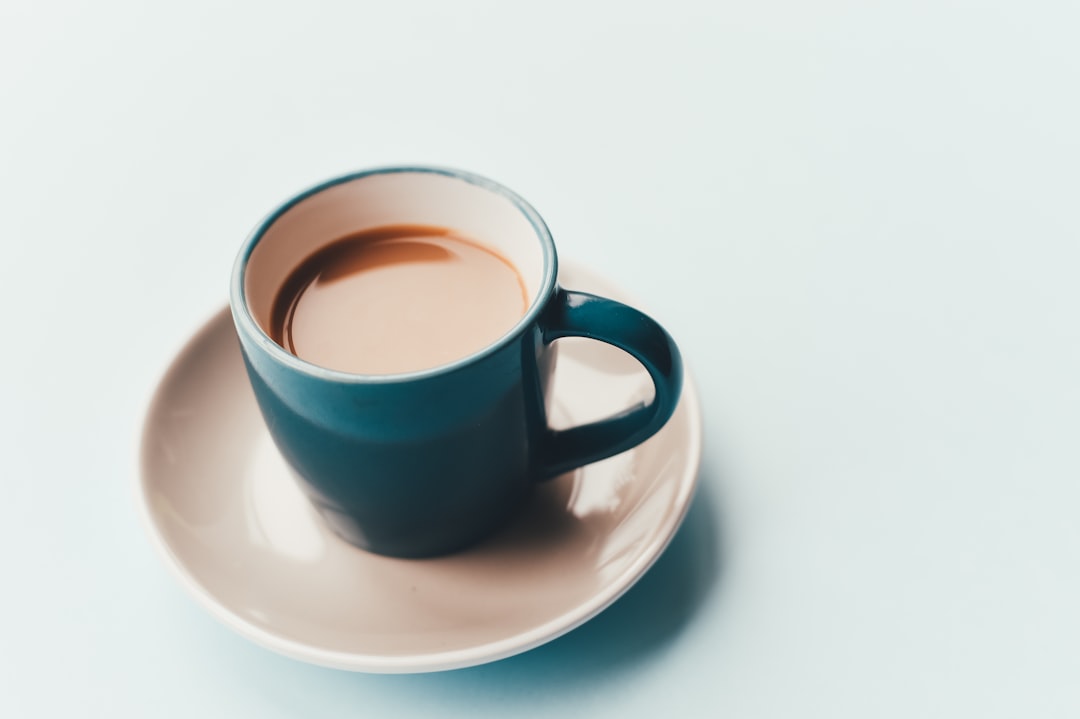
Drip coffee, by contrast, is usually enjoyed as-is or with a splash of milk and sugar. It’s the workhorse of the morning carafe rather than a base for layered drinks.
Equipment and Effort
Making good espresso at home takes more gear and more skill. You need an espresso machine capable of real pressure, a quality burr grinder that can hit a fine, even grind, and some practice dialing in your shots. Drip coffee is far more forgiving: a basic machine or a pour-over cone, a medium grind, and hot water will get you a solid cup with minimal fuss.
If you’re deciding which path to invest in, think about the drinks you actually crave. If you love lattes and cappuccinos, espresso gear is worth it. If you mostly want a big, easygoing morning cup, a great drip setup will serve you well for less money and effort.
How Extraction Differs Under the Hood
The deeper reason espresso and drip taste so different comes down to extraction dynamics. Espresso’s high pressure and fine grind create an enormous amount of surface area and force water through it in seconds, extracting a high concentration of dissolved solids very quickly. Drip coffee relies on a slower, gentler steep where gravity pulls water through a coarser bed over several minutes, extracting a lower concentration more gradually.
That’s why brew time and grind size are flipped between the two. Espresso uses a fine grind and a fast brew because the pressure does the heavy lifting; drip uses a coarser grind and a slow brew because gravity needs more time and less resistance. Pushing either method outside its design, such as using espresso-fine grounds in a drip machine, leads to clogged filters, over-extraction, and a muddy, bitter cup. Matching grind size to method is one of the most important lessons in home coffee.
Cost Over Time
Budget matters too. A capable espresso setup, machine plus grinder, is a larger upfront investment than a drip maker, though the per-cup cost of espresso at home is a fraction of cafe prices. Drip equipment is cheaper to enter, and beans last longer per cup because you use less coffee per ounce of finished drink. Both pay for themselves quickly compared to buying coffee out, so the decision really comes back to which experience you’ll enjoy day after day. And if a full espresso machine feels like too big a leap, an affordable super-automatic machine can bridge the gap, delivering espresso-based drinks at the push of a button while you decide how deep into the craft you want to go.
Frequently Asked Questions
Is espresso stronger than regular coffee?
Espresso is stronger per ounce because it’s so concentrated, but a single shot has less total caffeine than a full mug of drip coffee. “Strength” depends on whether you mean concentration or total dose.
Can I make espresso without an espresso machine?
Not true espresso, since real espresso requires about 9 bars of pressure. But devices like a moka pot or an AeroPress can make a strong, concentrated coffee that works as a flavorful stand-in for many milk drinks.
Is espresso just very strong coffee?
It’s more accurate to say espresso is coffee brewed under pressure. The pressure and fine grind create the concentration, crema, and body that set it apart from a strongly brewed drip cup.
Does espresso have less acid than drip coffee?
Espresso’s short contact time can mean lower perceived acidity for some palates, but acidity depends heavily on the beans, roast level, and how you dial in the shot. Roast choice matters more than brew method here.
Which has more antioxidants?
Both contain beneficial antioxidants from coffee. Because espresso is concentrated, it has more per ounce, but a larger cup of drip coffee may deliver a similar total amount. Both are healthy in moderation.
The Bottom Line
Espresso and coffee come from the same bean but diverge in method, intensity, and ritual. Espresso is concentrated, fast, and built for milk drinks; drip coffee is larger, lighter, and made for relaxed sipping. Understanding the espresso vs coffee distinction helps you choose the right brew for the moment and decide what equipment is worth bringing into your kitchen. The best home setups often include both, so you can chase a crisp morning carafe and an afternoon cappuccino with equal ease.
Ready to decide? Our #1 pick for 2026 is the Brew method.
Live price & availability on Amazon.