Last updated: September 12, 2026
⚡ Key Takeaways
- A caffè latte is an espresso-based drink built from one or two shots of espresso topped with a large volume of steamed milk and a thin layer of microfoam, usually about a quarter inch.
- You don't need a four-figure machine to make a great latte.
- If you have an espresso machine, pull a double shot, aiming for about 36 grams of liquid espresso from 18 grams of finely ground coffee in 25 to 30 seconds.
- Pour cold milk into a stainless steel pitcher, filling it about one-third full.
Learning how to make a latte at home is one of the most rewarding skills a home barista can pick up. That silky, café-quality drink you pay five dollars for at the coffee shop is really just two ingredients done well: a shot of espresso and properly steamed milk. Once you understand the ratios, the milk texture, and a little pouring technique, you can make a latte in your own kitchen that rivals anything from your local roaster. This guide walks you through every step, whether you own a full espresso machine or are working with more modest gear like a moka pot or stovetop frother.
As an Amazon Associate we earn from qualifying purchases at no extra cost to you. Product prices and availability are accurate as of the date shown and are subject to change.





🛒 Best Price Today on Amazon
Prime members get fast, free shipping on everything above, plus member-only deals. New members get a 30-day free trial — cancel anytime.
Quick answer: Our top pick in 2026 is the Espresso — our #1 rated choice. See the full ranked comparison, alternatives and buying advice below.
- What Exactly Is a Latte?
- What You Need to Make a Latte at Home
- Step 1: Pull or Brew Your Espresso
- Step 2: Steam and Texture the Milk
- Step 3: Pour the Latte
- Latte Ratios and Temperatures at a Glance
- Common Latte Mistakes (And How to Fix Them)
- Flavor Variations to Try
- Choosing the Right Milk for Your Latte
- Building a Latte Routine at Home
- Top-Rated Picks
- Frequently Asked Questions
- Final Thoughts
- Related Articles
- Related Guides
What Exactly Is a Latte?
A caffè latte is an espresso-based drink built from one or two shots of espresso topped with a large volume of steamed milk and a thin layer of microfoam, usually about a quarter inch. The word “latte” simply means “milk” in Italian, so a latte is, at its heart, a milky coffee. The defining feature is the high milk-to-espresso ratio, which makes the latte smoother and less intense than a cappuccino or a flat white.
A standard latte uses roughly a 1:3 to 1:4 ratio of espresso to milk. That high proportion of milk is exactly why getting the milk texture right matters more than almost anything else.
What You Need to Make a Latte at Home
See also: How Much Coffee Per Cup? The Golden Ratio Explained • Pour Over vs French Press: Which Should You Choose?
You don’t need a four-figure machine to make a great latte. Here’s the core equipment, plus budget-friendly alternatives:
- An espresso source: a pump espresso machine, a moka pot, or an Aeropress can all produce a concentrated coffee base.
- A milk frother: a steam wand, a handheld electric frother, a French press, or an automatic milk steamer.
- Fresh whole milk: whole milk foams most reliably thanks to its fat and protein content.
- A scale and a thermometer: helpful for dialing in consistency, especially early on.
If you’re working with a stovetop setup, a quality moka pot gives you a strong, espresso-like base that holds up well under milk.
Step 1: Pull or Brew Your Espresso
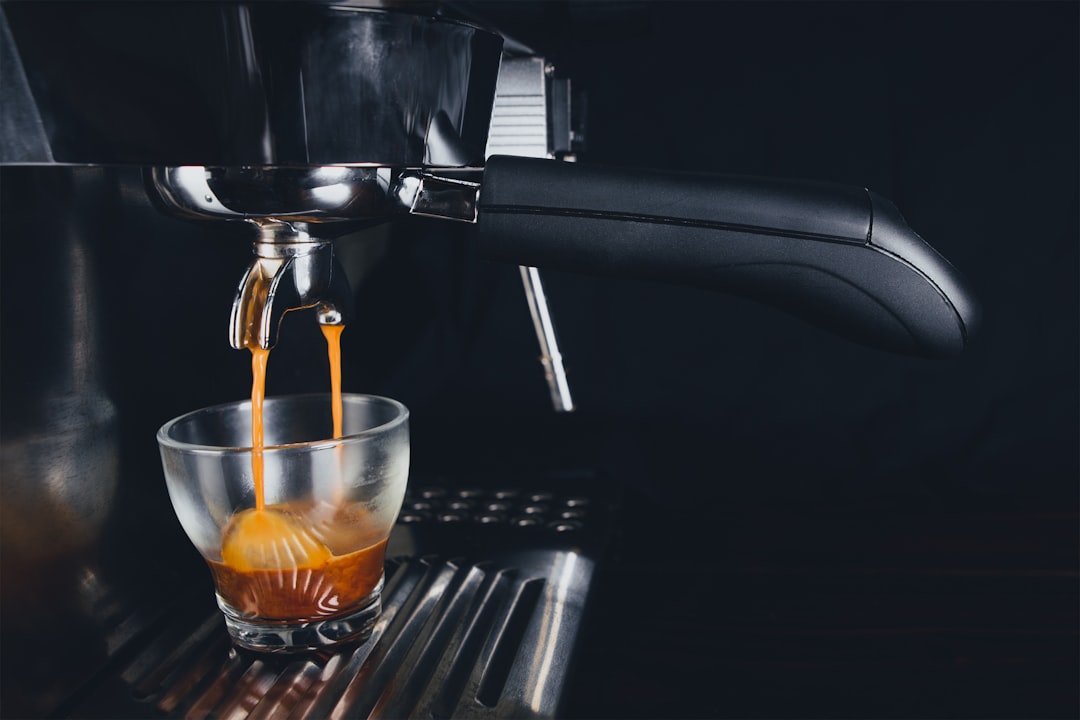
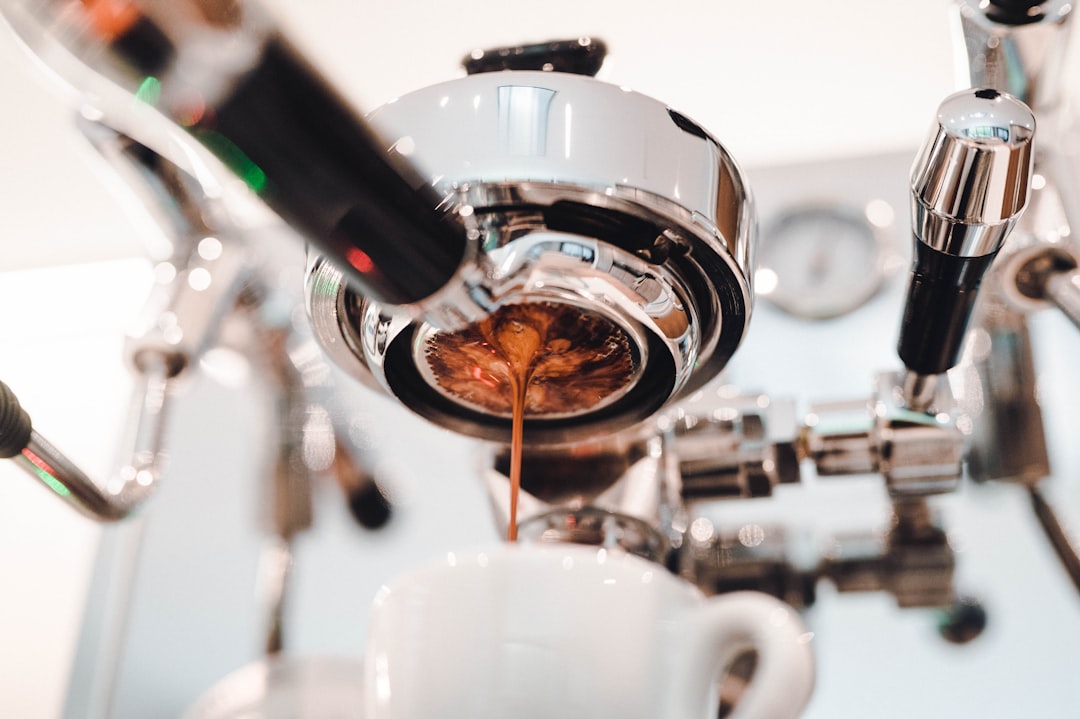
Start with the coffee. If you have an espresso machine, pull a double shot, aiming for about 36 grams of liquid espresso from 18 grams of finely ground coffee in 25 to 30 seconds. You want a rich shot with a layer of crema on top.
No espresso machine? A moka pot brewed on medium-low heat produces a concentrated coffee that works beautifully in a latte. Pull it off the heat the moment it starts to sputter to avoid a burnt, bitter taste. Brew your espresso directly into your serving cup so the milk goes in hot.
Step 2: Steam and Texture the Milk
This is where lattes are won or lost. Pour cold milk into a stainless steel pitcher, filling it about one-third full. If using a steam wand, place the tip just below the surface and introduce air for a second or two until you hear a gentle hissing — this “stretches” the milk and creates microfoam. Then submerge the tip deeper to swirl and heat the milk to about 140°F to 150°F (60°C to 65°C). Never exceed 160°F, or the milk will scald and taste sweet-flat.
No steam wand? A French press doubles as a manual frother: pour warm milk in, then pump the plunger up and down rapidly for 20 to 30 seconds to build foam. A quality French press is a surprisingly versatile tool for the milk side of a latte.
Step 3: Pour the Latte
Give the pitcher a few firm taps on the counter to pop large bubbles, then swirl to keep the foam glossy and integrated. Pour the milk into your espresso from a height of a few inches, starting slowly to let the espresso and milk mix. As the cup fills, bring the pitcher close to the surface and the white microfoam will float to the top, ready for latte art if you want to try.
Latte Ratios and Temperatures at a Glance
| Element | Target | Notes |
|---|---|---|
| Espresso | 1–2 shots (18–36 g coffee) | Pull fresh, use immediately |
| Milk volume | 6–8 oz steamed | Whole milk foams best |
| Espresso-to-milk ratio | 1:3 to 1:4 | Higher milk = milder drink |
| Milk temperature | 140–150°F (60–65°C) | Never exceed 160°F |
| Foam depth | ~1/4 inch | Thin microfoam, not stiff foam |
Common Latte Mistakes (And How to Fix Them)
The most frequent home-latte errors are easy to correct once you know them:
- Watery, weak flavor: your espresso base is under-extracted or too diluted. Use a true double shot and concentrated coffee.
- Big, soapy bubbles: you introduced air too long or too aggressively. Aim for tight microfoam, then tap and swirl.
- Scalded, flat-tasting milk: you overheated past 160°F. Use a thermometer until you can judge by the feel of the pitcher.
- Foam that won’t integrate: you let the milk sit too long. Pour within a few seconds of steaming.
Flavor Variations to Try
Once you’ve mastered the plain latte, experiment. Add a tablespoon of homemade vanilla syrup, a dusting of cinnamon, or a shot of espresso pulled from a different single-origin bean. For an iced latte, pull your espresso over a glass of ice, add cold milk, and stir — no steaming required. A pour of cold foam on top makes it feel like a coffee-shop treat. If you grind your own beans, keeping your grinder clean and your kettle reliable both matter; a steady-pouring gooseneck kettle is handy if you ever switch to pour-over coffee for variety.
Choosing the Right Milk for Your Latte
Milk is half of every latte, so the type you choose has a big effect on both texture and taste. Whole dairy milk remains the gold standard because its fat and protein create stable, sweet microfoam that holds its shape. Two-percent milk works but produces slightly less body, while skim milk foams up airy and dry, which is less ideal for the creamy character a latte is known for. Among non-dairy options, barista-formulated oat milk is the clear winner, steaming into a glossy foam that rivals dairy thanks to added stabilizers. Soy milk foams reasonably well too, while almond and coconut milks can be trickier, sometimes separating or producing thin foam. If you’re going non-dairy, look specifically for “barista” versions, which are engineered to steam and stretch properly.
Temperature and freshness matter as much as the type. Always start with cold milk straight from the refrigerator, because cold milk gives you more time to introduce air before it heats up. Avoid re-steaming milk you’ve already heated once; the proteins break down and it won’t foam the same way. Pour only what you need into the pitcher so you’re not reheating leftovers, which compromises both flavor and texture.
Building a Latte Routine at Home
Consistency is what separates a frustrating latte habit from an enjoyable one. The most reliable home baristas treat their morning latte as a small, repeatable routine: weigh the coffee, pull the shot to a target time, steam the same volume of milk to the same temperature, and pour the same way each day. Keeping a scale and a thermometer on the counter removes guesswork, especially while you’re still learning. Once the muscle memory sets in, you’ll be able to judge milk temperature by the heat against the pitcher and shot timing by eye. Clean your equipment after every session — wipe the steam wand immediately so milk doesn’t crust on, and purge it to clear any milk inside. A clean setup not only tastes better but keeps your gear working reliably for years.
Top-Rated Picks


Editor's Pick
YETI Rambler 20 oz Tumbler, Stainless Steel, Vacuum Insulated with MagSlider Lid, Navy
Dropped $1.50

Dropped $5.87

Dropped $0.94

| Product | Brand | Rating | Reviews | Price |
|---|---|---|---|---|
| YETI Rambler 20 oz Stainless Steel Vacuum Insulated T… | YETI | ★ 4.8 | 146.2k | $35.00 |
| YETI Rambler 20 oz Stainless Steel Vacuum Insulated T… | YETI | ★ 4.8 | 146.2k | $35.00 |
| Instant Pot Duo 7-in-1 Electric Pressure Cooker, Slow… | InstantPot | ★ 4.7 | 184.3k | $109.99 |
| De'Longhi EcoDecalk Descaler, Universal Descaling Sol… | DeLonghi | ★ 4.7 | 162.2k | $18.80 |
| Zulay Kitchen Milk Frother Handheld Electric Whisk – … | ZulayKitchen | ★ 4.4 | 236.4k | $7.99 |
Frequently Asked Questions
Can I make a latte without an espresso machine? Yes. A moka pot, Aeropress, or strong stovetop brew gives you a concentrated coffee base, and you can froth milk with a French press or handheld frother. The result is genuinely close to a café latte.
What’s the difference between a latte and a cappuccino? A latte has more steamed milk and only a thin layer of foam, making it milder and creamier. A cappuccino has equal parts espresso, steamed milk, and a thick foam cap, so it tastes stronger.
Why won’t my milk foam? Usually it’s the milk or the temperature. Use cold, fresh whole milk and introduce air only at the start of steaming. Skim and plant milks foam differently; barista-formulated oat milk is a reliable non-dairy option.
How much caffeine is in a homemade latte? A single-shot latte has about 63 mg of caffeine; a double shot roughly 125 mg. The milk doesn’t change the caffeine, only the volume of the drink.
What milk is best for latte art? Whole dairy milk creates the most stable, glossy microfoam, which makes pouring designs easier. Barista oat milk is the best non-dairy alternative for art.
Final Thoughts
Making a latte at home comes down to two fundamentals: a strong, fresh espresso base and well-textured milk poured at the right temperature. Nail those, and the rest is practice and personal taste. Start simple, dial in your ratios, and within a few mornings you’ll be pouring lattes that make your kitchen feel like your favorite café — for a fraction of the price.
Ready to decide? Our #1 pick for 2026 is the Espresso.
Live price & availability on Amazon.