Last updated: September 12, 2026
⚡ Key Takeaways
Prime
Limited Time
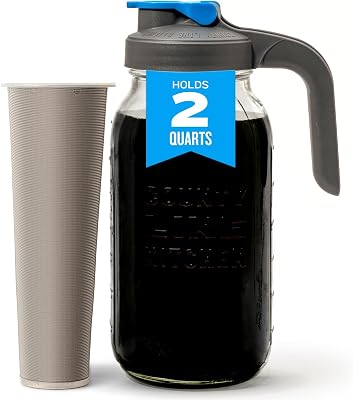
County Line Kitchen 64 oz Glass Cold Brew Coffee Maker with Leak-Proof Lid, Wide Mouth Mason Jar – Iced Coffee and Tea Pitcher – Gray
Dropped $3.00

As an Amazon Associate we earn from qualifying purchases at no extra cost to you. Product prices and availability are accurate as of the date shown and are subject to change.



Get instant results in seconds — no signup.
- The defining feature is that it's brewed with cold or room-temperature water over a long period — typically 12 to 24 hours — rather than with hot water in minutes.
- A French press is a fantastic all-in-one cold brew vessel because it lets you steep and strain in the same container with no extra filters.
- Getting the coffee-to-water ratio right is the single most important factor.
- Steep time changes the flavor significantly.
Few coffee drinks reward patience like cold brew, and learning how to make cold brew at home is easier than most people expect. There’s no special machine, no precise temperature control, and no barista skill required — just coffee, water, time, and a way to strain. The result is a smooth, naturally sweet, low-acid coffee concentrate you can dilute and serve over ice for weeks of café-quality iced coffee at a fraction of the cost. This guide covers everything: the right ratio, grind, steep time, and how to store and serve your cold brew for the best flavor.
🛒 Best Price Today on Amazon
Prime members get fast, free shipping on everything above, plus member-only deals. New members get a 30-day free trial — cancel anytime.
Quick answer: Our top pick in 2026 is the Concentrate — our #1 rated choice. See the full ranked comparison, alternatives and buying advice below.
- What Makes Cold Brew Different?
- What You Need
- The Cold Brew Ratio
- Step-by-Step: How to Make Cold Brew
- How Long Should You Steep?
- Choosing Beans and Grind
- Storing Cold Brew
- Serving Ideas Beyond Plain Iced Coffee
- Cold Brew vs Iced Coffee: Don’t Confuse Them
- Troubleshooting Common Cold Brew Problems
- Frequently Asked Questions
- Final Thoughts
- Related Articles
- Related Guides
What Makes Cold Brew Different?
Cold brew isn’t just iced coffee. The defining feature is that it’s brewed with cold or room-temperature water over a long period — typically 12 to 24 hours — rather than with hot water in minutes. Because heat is what extracts the acidic and bitter compounds from coffee quickly, brewing cold pulls out a different, gentler profile. The result is naturally sweeter, smoother, and far less acidic than hot-brewed coffee. That low acidity is why cold brew is popular with people who find regular coffee harsh on the stomach.
What You Need
See also: How Much Coffee Per Cup? The Golden Ratio Explained • Pour Over vs French Press: Which Should You Choose?
One of the joys of cold brew is how little equipment it requires. You likely have most of it already:
- Coarsely ground coffee: grind size matters more than you’d think — aim for a texture like coarse sea salt.
- Cold or room-temperature filtered water.
- A large jar, pitcher, or French press.
- A way to strain: a fine mesh sieve plus a coffee filter or cheesecloth, or the built-in plunger of a French press.
A French press is a fantastic all-in-one cold brew vessel because it lets you steep and strain in the same container with no extra filters.
The Cold Brew Ratio
Getting the coffee-to-water ratio right is the single most important factor. The two common approaches are brewing a ready-to-drink batch or a concentrate you dilute later:
| Style | Coffee-to-water ratio | Use |
|---|---|---|
| Concentrate | 1:4 to 1:5 | Dilute 1:1 with water or milk before serving |
| Ready to drink | 1:8 to 1:10 | Serve straight over ice |
For a concentrate, a reliable starting point is 1 cup of coarse grounds to 4 cups of water. Make a concentrate if you want flexibility and easy storage — you can always dilute, but you can’t un-dilute.
Step-by-Step: How to Make Cold Brew
Here’s the basic process from start to finish:
- Step 1 — Grind coarse: use freshly ground coffee at a coarse setting. Fine grounds will over-extract and slip through your filter, making the brew muddy and bitter.
- Step 2 — Combine: add the grounds to your jar or French press, then pour in the water. Stir gently to make sure all the grounds are saturated.
- Step 3 — Steep: cover and let it sit at room temperature or in the fridge for 12 to 24 hours. Around 16 to 18 hours is a sweet spot for many beans.
- Step 4 — Strain: press the French press plunger slowly, or pour the brew through a fine sieve lined with a coffee filter to remove all sediment.
- Step 5 — Serve: dilute concentrate to taste, pour over ice, and add milk or sweetener if you like.
How Long Should You Steep?
Steep time changes the flavor significantly. Shorter steeps of around 12 hours produce a brighter, lighter cup, while longer steeps up to 24 hours create a bolder, richer, sometimes slightly more bitter brew. Room-temperature steeping extracts faster than fridge steeping, so if you brew on the counter, lean toward the shorter end. Steeping much beyond 24 hours risks over-extraction and woody, bitter flavors, so it’s best not to forget your batch for days.
Choosing Beans and Grind
Cold brew is forgiving, but bean choice still matters. Medium and dark roasts tend to shine, producing chocolatey, nutty, smooth profiles that suit the method. Lighter roasts can work too, offering more fruit-forward notes, though they sometimes taste thin in cold brew. Whatever you choose, freshness and a consistent coarse grind are key. An uneven grind with lots of fines is the most common reason home cold brew turns out bitter or cloudy, so a quality grinder pays off here. Keeping your grinder clean prevents stale oils from muddying the flavor.
Storing Cold Brew
Cold brew keeps well, which is part of its appeal. Stored as an undiluted concentrate in a sealed container in the fridge, it stays fresh for up to two weeks. Once diluted, it’s best consumed within a few days, as the flavor begins to fade. Always strain thoroughly before storing — leftover grounds will continue extracting and turn your brew bitter over time. Make a big batch on Sunday and you’ll have iced coffee ready all week.
Serving Ideas Beyond Plain Iced Coffee
Once you have a jar of concentrate, the possibilities open up. Pour it over ice with a splash of milk for a classic iced coffee, or stir in vanilla syrup and a pinch of salt for a sweet treat. Blend it with ice and milk for a frappé-style drink, or use the concentrate hot by adding boiling water for a smooth, low-acid hot coffee. Cold brew also makes an excellent base for coffee cocktails. If you enjoy precise pours when making other coffee styles, a gooseneck kettle is worth having around, and exploring a pour over coffee maker gives you a hot-brew counterpart for variety.
Cold Brew vs Iced Coffee: Don’t Confuse Them
People often use “cold brew” and “iced coffee” interchangeably, but they’re genuinely different drinks made by different processes. Iced coffee is simply hot-brewed coffee that’s been cooled and poured over ice. Because it’s brewed with hot water, it carries the brighter acidity and slight bitterness of regular coffee, and it can taste watery once the ice melts. Cold brew, by contrast, is never heated during brewing — the long cold steep extracts a smoother, sweeter, low-acid profile that iced coffee simply can’t match. Cold brew also holds up better against ice because the concentrate is so strong. If you’ve tried iced coffee and found it thin or sour, cold brew is likely the smoother experience you’re looking for. The trade-off is time: iced coffee takes minutes, while cold brew takes many hours of patience.
Troubleshooting Common Cold Brew Problems
Even though cold brew is forgiving, a few issues come up regularly, and they’re all fixable. If your brew tastes weak or watery, you probably diluted too much or used too little coffee — increase your ratio toward 1:4 for a stronger concentrate. If it tastes bitter or harsh, the usual suspects are a grind that’s too fine, a steep that ran too long, or both; switch to a coarser grind and keep the steep under 24 hours. Cloudy or gritty cold brew points to fine particles slipping through your filter, so grind coarser and strain through a paper filter or fine cloth for a cleaner result. Finally, if the flavor seems flat or stale, check your beans — old, oxidized coffee makes dull cold brew no matter how careful your technique. Fresh beans, a coarse and even grind, the right ratio, and a controlled steep time solve the vast majority of cold brew complaints.
Frequently Asked Questions
Is cold brew stronger than regular coffee? Cold brew concentrate is much stronger before dilution, but once you dilute it to drinking strength, the caffeine is comparable to regular coffee. Undiluted concentrate can be quite potent.
Why is my cold brew bitter? The usual causes are too fine a grind, steeping too long, or using too much coffee. Use a coarse grind, keep the steep under 24 hours, and dial back your ratio.
Can I make cold brew with hot water faster? Using hot water defeats the purpose — it extracts acidity and bitterness that cold brewing avoids. The slow, cold steep is what creates the signature smooth, low-acid flavor.
Do I need special cold brew coffee? No. Any coffee works, but medium to dark roasts ground coarse tend to taste best. Marketing labels like “cold brew blend” aren’t required.
How long does cold brew last in the fridge? Undiluted concentrate keeps for up to two weeks sealed in the refrigerator. Diluted cold brew is best within a few days for peak flavor.
Final Thoughts
Making cold brew at home is one of the lowest-effort, highest-reward coffee projects you can take on. Coarse grounds, a good ratio, a long steep, and a careful strain are all it takes to produce smooth, sweet, low-acid coffee that keeps for weeks. Start with a 1:4 concentrate, adjust the steep time to your taste, and you’ll never pay café prices for iced coffee again.
Related: Best Iced and Cold-Brew Espresso Recipes and Machines for Summer 2026
Ready to decide? Our #1 pick for 2026 is the Concentrate.
Live price & availability on Amazon.