Last updated: September 12, 2026
⚡ Key Takeaways
- A flat white is an espresso-based drink made with a double shot of espresso and steamed milk with a thin layer of glossy microfoam.
- Today it's a fixture on menus worldwide, prized by coffee lovers who want espresso character with the smoothness of well-textured milk.
- The flat white is best understood in relation to its two famous cousins.
- The soul of a flat white is its microfoam — milk steamed to a glossy, paint-like texture with bubbles so tiny they're invisible.
The flat white has quietly become one of the most popular coffee drinks in cafés around the world, yet many people still aren’t sure what is a flat white and how it differs from a latte or cappuccino. Born in Australia and New Zealand, the flat white is a small, strong, velvety espresso drink that sits in a sweet spot between its better-known cousins. If you love the flavor of espresso but want it smoothed by silky milk without being drowned in it, the flat white might become your new favorite. This guide explains exactly what it is, how it’s made, and how to brew one at home.
As an Amazon Associate we earn from qualifying purchases at no extra cost to you. Product prices and availability are accurate as of the date shown and are subject to change.






🛒 Best Price Today on Amazon
Prime members get fast, free shipping on everything above, plus member-only deals. New members get a 30-day free trial — cancel anytime.
Quick answer: Our top pick in 2026 is the Flat white — our #1 rated choice. See the full ranked comparison, alternatives and buying advice below.
- What Is a Flat White?
- Where Did the Flat White Come From?
- Flat White vs Latte vs Cappuccino
- The Microfoam That Defines It
- How to Make a Flat White at Home
- Making a Flat White Without an Espresso Machine
- Why Choose a Flat White?
- Choosing Beans for a Flat White
- Common Flat White Mistakes to Avoid
- The Flat White’s Global Rise
- Top-Rated Picks
- Frequently Asked Questions
- Final Thoughts
- Related Articles
What Is a Flat White?
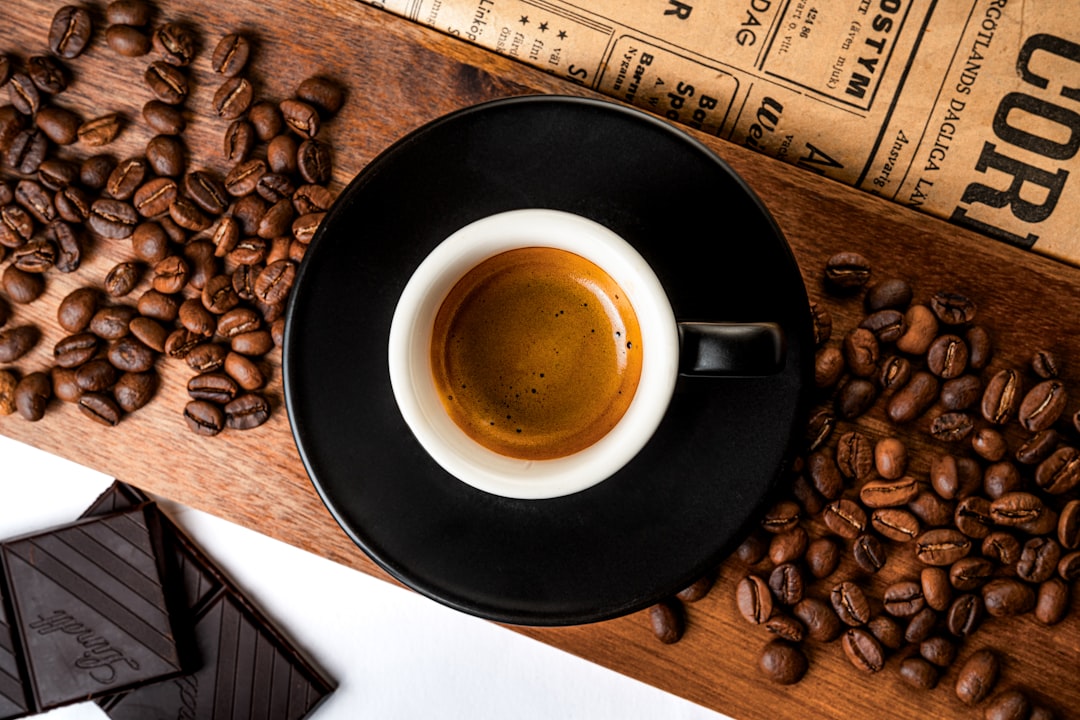
A flat white is an espresso-based drink made with a double shot of espresso and steamed milk with a thin layer of glossy microfoam. It’s served in a smaller cup, typically around 5 to 6 ounces, which keeps the espresso flavor prominent. The defining characteristics are its higher espresso-to-milk ratio compared to a latte and its smooth, velvety microfoam rather than the thick, airy foam of a cappuccino. The “flat” in the name refers to that flat, even layer of microfoam on top.
Where Did the Flat White Come From?
See also: How Much Coffee Per Cup? The Golden Ratio Explained • Pour Over vs French Press: Which Should You Choose?
The flat white originated in Australia and New Zealand in the 1980s, where café culture was booming and drinkers wanted something stronger and less foamy than the cappuccinos that dominated at the time. It spread to the United Kingdom and then globally as specialty coffee shops embraced it. Today it’s a fixture on menus worldwide, prized by coffee lovers who want espresso character with the smoothness of well-textured milk.
Flat White vs Latte vs Cappuccino
The flat white is best understood in relation to its two famous cousins. Here’s how they compare:
| Drink | Size | Milk & foam | Character |
|---|---|---|---|
| Flat white | 5–6 oz | Steamed milk, thin microfoam | Strong, smooth, velvety |
| Latte | 8–12 oz | Lots of steamed milk, thin foam | Mild, creamy, milky |
| Cappuccino | 5–6 oz | Equal espresso, milk, thick foam | Strong, light, airy |
In short: a flat white is stronger and smaller than a latte, and smoother and less foamy than a cappuccino. It packs espresso flavor into a compact, silky cup.
The Microfoam That Defines It
The soul of a flat white is its microfoam — milk steamed to a glossy, paint-like texture with bubbles so tiny they’re invisible. Unlike a cappuccino’s thick, dry foam, microfoam integrates completely with the steamed milk, creating a uniform, velvety liquid that pours flat and smooth. Achieving this means introducing only a small amount of air at the start of steaming, then thoroughly texturing the milk until it’s glossy and free of large bubbles. This silky milk is also what makes the flat white a popular canvas for latte art.
How to Make a Flat White at Home
Making a flat white is straightforward if you have an espresso setup. Here’s the process:
- Pull a double shot of espresso into a small 5 to 6 ounce cup. A ristretto double works beautifully for extra sweetness.
- Steam your milk with minimal air to create fine microfoam, heating it to about 140°F to 150°F.
- Tap and swirl the pitcher to remove any large bubbles and keep the milk glossy and integrated.
- Pour the milk into the espresso, holding back the foam slightly so you end with just a thin, flat layer of microfoam on top.
The key is the milk texture. You want silky, not foamy, with only a thin cap rather than the thick foam of a cappuccino.
Making a Flat White Without an Espresso Machine
No espresso machine? You can still make a respectable flat white. Brew a strong, concentrated coffee base with a moka pot, which delivers the bold, espresso-like intensity a flat white needs. For the milk, a handheld electric frother or a French press can create microfoam if you work carefully: warm the milk, then froth gently to make fine bubbles rather than big airy ones. Tap the container and swirl to refine the texture before pouring. It won’t be identical to a café version, but it captures the flat white’s strong, smooth spirit.
Why Choose a Flat White?
The flat white is ideal for drinkers who find lattes too milky and diluted but consider cappuccinos too foamy and light. It delivers a concentrated espresso flavor wrapped in silky milk, all in a compact serving. Because it uses less milk than a latte, the coffee’s natural sweetness and complexity come through clearly. It’s also a great showcase for high-quality beans, since there’s nowhere for a poor shot to hide behind a flood of milk. If you take your espresso seriously, the flat white lets the coffee lead.
Choosing Beans for a Flat White
Because espresso flavor is front and center, bean choice matters. A medium to medium-dark roast with chocolate, caramel, or nutty notes pairs wonderfully with the milk, creating a balanced, comforting cup. Some baristas use ristretto shots in flat whites for added sweetness and reduced bitterness. Whatever you choose, fresh, well-ground beans are essential, and a clean grinder keeps the flavor pure. If you also brew pour over for black coffee, a precise gooseneck kettle rounds out a versatile home coffee station.
Common Flat White Mistakes to Avoid
Because the flat white lives or dies on its milk texture and balance, a few specific mistakes can keep your home version from matching the café. The most common error is over-foaming the milk, which turns your flat white into something closer to a cappuccino. Remember that you want silky microfoam with only a thin cap, so introduce air for just a second or two at the start of steaming and spend the rest of the time texturing. Another frequent slip is using too large a cup, which dilutes the espresso flavor and crosses into latte territory — stick to 5 or 6 ounces. Using a single shot instead of a double is also a misstep, since the flat white relies on a strong espresso base to stand up to the milk. Finally, pouring milk that’s been allowed to sit and separate produces big bubbles and a thin texture, so always pour within seconds of finishing your steam, after a quick tap and swirl to keep the foam glossy.
The Flat White’s Global Rise
It’s worth appreciating how far this once-niche drink has traveled. For years the flat white was a regional specialty known mainly to Australians and New Zealanders, who debated fiercely over which country invented it. As those coffee cultures gained international recognition for their quality and craft, baristas carried the flat white abroad, and it found a passionate audience in the United Kingdom’s specialty scene before spreading to North America and beyond. Major coffee chains eventually added it to their menus, cementing its place in the global coffee vocabulary. Its appeal is easy to explain: at a time when many drinks were getting larger and sweeter, the flat white offered a return to balance — a smaller, stronger, expertly textured cup that put the coffee first. For home baristas, mastering it is a rite of passage that demonstrates real control over both espresso and milk.
Top-Rated Picks


Editor's Pick
YETI Rambler 20 oz Tumbler, Stainless Steel, Vacuum Insulated with MagSlider Lid, Navy
Dropped $1.50

Dropped $5.87

Dropped $0.94

| Product | Brand | Rating | Reviews | Price |
|---|---|---|---|---|
| YETI Rambler 20 oz Stainless Steel Vacuum Insulated T… | YETI | ★ 4.8 | 146.2k | $35.00 |
| YETI Rambler 20 oz Stainless Steel Vacuum Insulated T… | YETI | ★ 4.8 | 146.2k | $35.00 |
| Instant Pot Duo 7-in-1 Electric Pressure Cooker, Slow… | InstantPot | ★ 4.7 | 184.3k | $109.99 |
| De'Longhi EcoDecalk Descaler, Universal Descaling Sol… | DeLonghi | ★ 4.7 | 162.2k | $18.80 |
| Zulay Kitchen Milk Frother Handheld Electric Whisk – … | ZulayKitchen | ★ 4.4 | 236.4k | $7.99 |
Frequently Asked Questions
Is a flat white stronger than a latte? Yes. A flat white uses less milk relative to espresso and is served in a smaller cup, so the espresso flavor is more pronounced and the drink tastes stronger.
What’s the difference between a flat white and a cappuccino? A flat white has thin, velvety microfoam integrated into the milk, while a cappuccino has thick, airy foam. The flat white is smoother; the cappuccino is lighter and foamier.
How much caffeine is in a flat white? A standard flat white uses a double shot of espresso, giving it roughly 120 to 130 mg of caffeine, similar to a double-shot latte but in a smaller, stronger-tasting drink.
Can I make a flat white without a steam wand? Yes, with effort. Use a handheld frother or French press to create fine microfoam, and brew a strong base with a moka pot. The texture won’t be identical to a café version but comes close.
Does a flat white have latte art? Often, yes. Its silky microfoam is ideal for pouring designs, which is why flat whites frequently arrive with beautiful latte art on top.
Final Thoughts
A flat white is the coffee lover’s middle ground: a double shot of espresso topped with silky microfoam in a small cup that lets the coffee shine. Stronger than a latte, smoother than a cappuccino, it rewards good beans and good milk technique. Master the microfoam, keep the cup small, and you’ll have a velvety, espresso-forward drink that explains exactly why the flat white has won fans around the world.
Ready to decide? Our #1 pick for 2026 is the Flat white.
Live price & availability on Amazon.