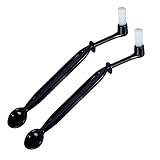
- Top Pick: Number-One Coffee Machine Brush Cleaner Nylon Espresso Machine Brush Grinder Brush Coffee Cleaning Tool with Spoon (Pack of 2)
- Best Value: MIGAKU HOME Coffee Grinder Cleaning Kit – 5Pcs Large Soft Brush, Small Hard Brush, Group Head Brush, Long-reach Brush & Air Blower for Coffee & Espresso Machine Parts & Accessories
- Premium Choice: Espresso Machine Cleaning Brush Kit – CAFEMASY 2 Pieces Coffee Cleaning Brush with Spoon and 2 Pieces Detachable Brush Head for Coffee Grinder and Espresso Cleaning
Last updated: September 4, 2026
As an Amazon Associate we earn from qualifying purchases at no extra cost to you.


Disclosure: As an Amazon Associate we earn from qualifying purchases. This page contains affiliate links and we may earn a commission at no extra cost to you.
Here’s an uncomfortable truth about deteriorating espresso: it’s usually not your beans, your technique, or your machine wearing out — it’s old coffee. Oils turn rancid on the shower screen, fines pack into the group gasket, and stale grounds carpet the grinder’s burr chamber, seasoning every fresh dose with last month’s bitterness. The fix costs less than a bag of beans: a proper set of brushes and the two minutes a day to use them. Cleaning is the least glamorous skill in home espresso and quite possibly the highest-return one.
Brushes beat the alternatives for a simple reason: geometry. Espresso machines and grinders are mazes of threads, baskets, chutes, and crevices where cloths can’t reach and rinsing doesn’t dislodge. A stiff group-head brush sweeps spent grounds out of the basket recess while protecting your fingers from a hot group; a soft natural-bristle brush flicks fines off burrs without scratching their edges; a skinny detail brush clears the chute where clumps are born. Different jobs, different bristles — which is why most of this list is sets rather than single brushes.
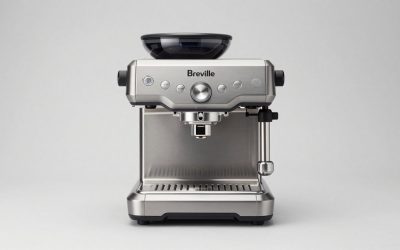
The six picks below run from a six-dollar pair to a fifteen-piece armory, all built around grinder and machine cleaning. They pair naturally with the deeper grinder-maintenance routine we cover in our grinder cleaning tools review, and if you own a do-everything machine like the Barista Express — where grinder and group live in one chassis, as our BES870XL review details — a brush kit is arguably mandatory equipment rather than an accessory.
Quick Comparison
| Product | Price | Rating |
|---|---|---|
| 3-Piece Dual-Head Brush Set | $6.99 | 5.0/5 |
| 4-Piece Espresso Brush Set | $5.98 | 5.0/5 |
| 2-Piece Natural-Bristle Set | $8.49 | 5.0/5 |
| 5-Piece Grinder & Group Kit | $22.89 | 4.8/5 |
| 15-Piece Cleaning Brush Kit | $12.49 | 4.7/5 |
| CAFEMASY 5-Piece Brush Set | $11.99 | 4.6/5 |
Why Trust This Guide
See also: 6 Best Knock Box Mats (October 2026) Reviews & Picks • 6 Best Profitec Accessories (October 2026) Complete Guide
We maintain our own machines and grinders daily, and we judge cleaning tools on the practical facts — bristle type, head shapes, handle design, and what’s actually included — measured against the real cleaning jobs an espresso bench generates. Brushes are inexpensive and unglamorous; our standard is simply whether each set earns permanent space in the drawer, and we say plainly when it doesn’t.
3-Piece Dual-Head Brush Set
This compact trio leads with a clever economy: dual-head designs put two bristle types on one handle, so three tools deliver more like six. One end sweeps loose grounds from flat surfaces and hoppers; flip it, and a tighter head digs fines out of the chute and threads. For seven dollars it equips a full grinder-cleaning routine without cluttering the drawer.
Small dual-head brushes are particularly suited to espresso grinders, where the dirty zones alternate between broad (the burr chamber walls) and narrow (the exit chute where static glues fines into clumps). The honest limits: handles this small offer less leverage for caked-on residue, and there’s no dedicated group-head brush in the set. As a grinder-side starter kit or a tidy backup set for the office machine, though, it’s an easy seven dollars.
4-Piece Espresso Brush Set
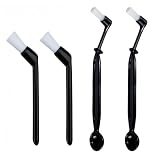
The value champion of the roundup: four brushes for six dollars, sized for the espresso bench’s everyday mess. Sets at this price win on breadth: you get enough shapes to assign one brush per zone, which is the actual secret of consistent cleaning. One for the burr chamber, one for the chute, one for the bench and portafilter, one wherever your machine hides its grime.
Assigning brushes to zones isn’t fussiness; it stops cross-contamination — the brush that swept oily group residue shouldn’t be the one dusting your burrs tomorrow. At this price the bristles and handles are functional rather than luxurious, and they’ll wear faster than the premium sets here. But as the first cleaning kit for a new machine owner, it’s the lowest barrier to building the habit, and the habit is the product.
2-Piece Natural-Bristle Set
Natural bristle is the connoisseur’s choice for grinder work, and this two-piece wood-handled set shows why: the bristles are soft enough to protect burr coatings and machined edges, yet they hold a slight natural springiness that flicks packed fines loose instead of smearing them. Wood handles bring warmth and grip, and the whole set looks at home next to a nice grinder rather than under the sink.
Two brushes is a deliberate minimalism — a larger one for chambers and surfaces, a smaller one for tight spots — and it suits the cleaner whose machine gets daily light attention rather than monthly archaeology. Keep natural bristles dry; they’re for sweeping coffee, not scrubbing wet residue. For the owner of a single good grinder who wants tools that match its dignity, this is the tasteful pick at a painless price.
5-Piece Grinder & Group Kit
This is the prosumer set: five purpose-shaped tools including a large soft brush for chambers and benches, a small stiff brush for caked residue, and — crucially — a dedicated group-head brush, the angled kind that scrubs the basket recess and gasket while your knuckles stay clear of the hot group. That one tool addresses the dirtiest, most neglected zone in home espresso, and it’s the piece the cheaper sets above omit.
At twenty-three dollars it’s the most expensive pure brush kit here, justified by specialization: each brush has an unambiguous job, the bristle stiffness actually varies by task instead of being one filament in five housings, and the build quality suggests years of service. For the owner of a serious machine who wants the full maintenance routine — grounds out, group scrubbed, gasket swept — this kit is the one-purchase answer.
15-Piece Cleaning Brush Kit
Fifteen pieces for twelve and a half dollars is the kitchen-sink approach, and it’s more rational than it sounds. Espresso cleaning is full of one-weird-corner problems — steam wand tips, drip tray channels, water tank necks, the seam where the grinder hopper seats — and a big assortment means some tool in the box fits every one of them, ergonomic handles included. It’s the set for people who’d rather have the right brush than improvise with a toothpick.
The tradeoffs of abundance: storage (this kit wants a dedicated jar or drawer), and inevitably a few pieces you’ll never touch. The per-brush quality is honest budget tier — fine for the duty cycle each piece actually sees when the work is spread across fifteen tools. For deep-clean weekends, shared household machines, or anyone outfitting a new setup in one click, it’s the practical maximalist option.
CAFEMASY 5-Piece Brush Set
CAFEMASY’s five-piece natural-bristle set is the established name in this corner of the accessory world, and the format has stuck around because it’s right: a handful of graduated sizes in genuine natural bristle, covering the span from burr chamber to chute to bench sweep, at a price that undercuts buying any two brushes separately. The bristles are the selling point — soft on metal, springy enough to move packed fines, and kind to the nonstick-like coatings on some burr sets.
Against the 5-piece kit above, this set leans grinder-side rather than group-side; against the two-piece natural set, it adds the in-between sizes that turn an okay routine into a thorough one. It’s the balanced middle of this whole roundup — natural materials, sensible variety, modest cost — and if you simply want one defensible answer to “which brush set should I buy,” this is ours.
What to Look For in Espresso Cleaning Brushes
All brushes look alike on a listing page. These are the differences that matter once coffee dust is involved.
- Bristle material by job — soft natural bristle for burrs and delicate surfaces; stiffer nylon for group heads and baked-on residue. A set should vary stiffness, not just handle colors.
- A dedicated group-head brush — the angled, guard-handled kind that cleans the basket recess on a hot machine. If you own an espresso machine and your kit lacks one, that’s the gap to fill first.
- Head shapes for tight geometry — chutes, threads, wand tips, and tray channels need narrow or angled heads. Broad brushes alone leave the dirtiest corners untouched.
- Handle length and grip — enough reach to keep fingers out of burr chambers and away from hot metal, with grip that survives oily hands.
- Set composition over count — five purposeful tools beat fifteen redundant ones, unless you genuinely have fifteen jobs. Match the kit to your actual equipment.
- Durability signals — firmly anchored bristles (shedders contaminate your grinder), solid ferrules, and wood or sturdy plastic that tolerates daily handling.
Tips for Getting the Most Out of Your Cleaning Brushes
Anchor the habit to moments you already have. The end of the last shot of the morning is the natural trigger: ten seconds of group-head brushing while the machine is warm (warm residue releases far more easily than cold), a sweep of the basket and portafilter, a flick through the grinder chute. Daily micro-cleaning with a brush in hand is what makes the monthly deep clean boring instead of horrifying — and boring is the goal.
Keep the brushes themselves clean and segregated. Tap grounds out of bristles after each use, wash oily brushes occasionally with hot water and a drop of dish soap (drying them fully), and never let the group-head brush moonlight as the burr brush — oils migrate, and burrs are the last place you want them. Replace any brush that starts shedding; a bristle in your dose is a worse contaminant than the dust you were removing.
And remember what the discipline buys: flavor that stays where you set it. A clean group and fresh-swept burrs mean your shots taste like this week’s beans — so the espresso under your oat milk latte stays sweet, your affogato doesn’t carry a phantom bitterness, and the syrups flavor the drink instead of masking it. The same logic extends across your gear, from the milk frother that needs its wand wiped to the pitcher you brew cold brew in. Clean equipment is invisible in the cup — exactly the way it should be.
Frequently Asked Questions
How often should I brush-clean my espresso machine and grinder?
Light brushing daily, deeper cleaning weekly. Sweep the group head, basket recess, and grinder chute at the end of each session while the machine is warm; weekly, empty the grinder and brush the burr chamber properly. Daily ten-second habits prevent the buildup that monthly marathons exist to remove.
Can I use the same brush for the grinder and the group head?
You shouldn’t. The group head accumulates wet, oily residue; burrs and chutes should stay dry. A brush that moves between them carries oils into your grinder, where they go rancid in the fines. Assign each brush a zone and the problem never starts.
Are natural bristles better than nylon for coffee gear?
For dry grinder work, generally yes — natural bristle is gentle on burr edges and certain burr coatings while still flicking packed fines loose. For scrubbing oily group heads and baked-on residue, stiffer nylon holds up better and tolerates moisture. The best kits include both.
Do cleaning brushes replace backflushing and cleaning tablets?
No — they’re partners. Brushes remove the solids: grounds, fines, and surface residue from groups, baskets, and grinders. Backflushing with cleaner dissolves the oils inside the group’s internals where bristles can’t reach. A machine that gets both stays café-clean; either alone leaves half the job undone.