Last updated: October 10, 2026
Short answer: Start with four things: a 0.1 g scale with a timer, a tamper that matches your basket size, a stainless milk pitcher if you drink milk drinks, and a group brush plus espresso detergent. Add a WDT tool, dosing funnel and knock box next. Everything else is an upgrade, not a requirement.
- Quick Comparison
- Introduction
- Find Your Portafilter Size Before You Buy Anything
- What to Look for in Espresso Accessories
- Essential Espresso Accessories
- What to Buy First: A Priority List by Budget
- The Essential Espresso Accessories Explained
- Wear Parts Worth Keeping on Hand
- How to Use Espresso Accessories for Better Shots
- Which Accessory Fixes Which Problem?
- Gear That Helps
- Frequently Asked Questions
- Final Thoughts
- About the Author
Quick Comparison
| Product | Brand | Price | Rating |
|---|---|---|---|
| 54mm Bottomless Portafilter – Fits Breville Barista Exp… | MUVNA | $62.99 | 3.9/5 |
| Espresso Shot Glass Measuring Cup (60ml/2oz Scale) | MUVNA | $11.99 | 4.4/5 |
| Knock Box Espresso Accessories – 15 Espresso Pucks Stee… | MUVNA | $24.69 | 4.5/5 |
Introduction
See also: Best Coffee Bean Vaults for Freshness and Easy Dosing • Best Precision Espresso Baskets for Better Extraction
A great espresso machine is only part of the equation. The right accessories transform an inconsistent home setup into a streamlined barista station that produces cafe-quality shots every time. From precision tampers to distribution tools, the best espresso accessories are investments in consistency, and they make the daily ritual of pulling shots genuinely enjoyable.
Find Your Portafilter Size Before You Buy Anything
Tampers, funnels, puck screens, distribution tools and spare baskets are all sized to the basket, and a few millimetres make the difference between a tool that fits and one that is useless. 58mm is the commercial standard, but many popular home machines use smaller baskets. Check your manual or measure the inside diameter of the basket rim before ordering.
| Machine family | Basket size | Tamper to look for |
|---|---|---|
| Breville Bambino, Bambino Plus, Barista Express, Barista Pro, Barista Touch | 54mm | 53–53.5mm |
| Breville Dual Boiler, Oracle, Oracle Touch | 58mm | 58–58.5mm |
| Gaggia Classic Pro, Rancilio Silvia | 58mm | 58–58.5mm |
| E61 machines (Rocket, Lelit, Profitec and similar) | 58mm | 58–58.5mm |
| De’Longhi Dedica | 51mm | 51mm |
For 58mm machines, a “58.5mm” tamper is usually the better buy. Most 58mm baskets are slightly wider than their nominal size at the top, and a base that fills the basket edge to edge leaves less loose coffee around the rim where water can sneak past. If you use a precision basket from VST or IMS, check that maker’s recommended tamper size, since some baskets are tapered.
Also check whether your basket is pressurized (double-walled, with a single exit hole underneath) or non-pressurized. Pressurized baskets are forgiving of grind and tamp, so a calibrated tamper or WDT tool adds little. Most of the accessories in this guide pay off once you move to a non-pressurized basket and a grinder that can grind fine enough for it.
What to Look for in Espresso Accessories
- Compatibility: Most accessories are sized for 58mm portafilters (the commercial standard used by Breville, Rancilio, Gaggia, and many others). Verify your portafilter size before purchasing tampers, distribution tools, and baskets.
- Build Quality: Stainless steel and aluminum accessories outperform plastic equivalents in durability and heat resistance. Heavy, well-machined tools feel better and perform more consistently.
- Precision: Calibrated tampers with fixed depth or spring-loaded mechanisms eliminate tamping pressure guesswork. Precision baskets with tighter tolerances improve shot consistency.
- Ease of Cleaning: Coffee oils accumulate quickly. Choose accessories that disassemble fully or have smooth surfaces for easy wiping and rinsing.
- Value vs. Premium: Some accessories (like a good scale) have a clear impact on results; others (like designer portafilter spouts) are primarily aesthetic. Prioritize function over form for your first purchases.
Essential Espresso Accessories
Normcore 58mm Spring-Loaded Espresso Tamper
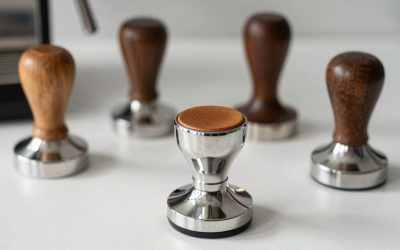
The Normcore spring-loaded tamper is the most popular calibrated tamper for home baristas. The spring mechanism automatically releases at a fixed pressure (15 lbs, 20 lbs, or 30 lbs depending on model), eliminating inconsistent tamping force as a variable in your extraction. The heavy stainless steel base, ergonomic handle, and precise sizing for 58mm portafilters make it a clear upgrade from the plastic tampers included with most machines. Widely considered the best value calibrated tamper available.

Aromuva 7 PCS Espresso Accessories Kit - 54mm Espresso Tamper Kit with Distributor, Tamping Station, WDT Tool, Funnel, Puck Screen & Brush - Espresso Machine Accessories for 54mm Portafilter
Included for 'Essential Espresso Accessories Every Home Barista Needs' as a representative home product in this roundup; selection reflects the product set returned for this topic.
View on Amazon
AIEVE 2 Pack Espresso Cooling Ball, Stainless Steel Espresso Accessories
Included for 'Essential Espresso Accessories Every Home Barista Needs' because the listing adds cooling or gel-infused layers, which is the attribute this article compares.
View on Amazon
Milk Frothing Pitcher, 8.5oz/12oz/20oz/32oz/50oz/66oz Milk Frother Cup Stainless Steel, Espresso Accessories, Milk Steaming Pitchers Coffee Cappuccino Latte Art Barista Milk Jug Cup with Art Pen,12oz
Included for 'Essential Espresso Accessories Every Home Barista Needs' as a representative home product in this roundup; selection reflects the product set returned for this topic.
View on Amazon
Espresso Accessories Kit 51mm Tamper: 51mm Espresso Tamper Set Barista Tools Including Coffee Tamper, Milk Frother Cup, WDT Tool Espresso Tools, Tamper Mat, Latte Pen, Coffee Spoon, Coffee Stencils
Included for 'Essential Espresso Accessories Every Home Barista Needs' as a representative home product in this roundup; selection reflects the product set returned for this topic.
View on AmazonAcaia Pearl Coffee Scale
The Acaia Pearl is the industry standard precision coffee scale for espresso. Its 0.1g resolution, fast response time, and built-in timer let you measure dose, yield, and brew ratio simultaneously. The water-resistant surface, auto-tare function, and Bluetooth connectivity for the Acaia app make it the most capable and user-friendly scale available for espresso work. Once you start weighing every shot, you will never go back to volumetric guessing.
Weiss Distribution Technique (WDT) Tool
A WDT tool uses thin needles to break up clumps in dosed coffee grounds before tamping, dramatically improving distribution consistency and reducing channeling. The Barista Hustle WDT tool, OCD distribution tool, or similar needle-style tools are among the highest-impact low-cost accessories you can add to your espresso workflow. Even simple DIY versions made from acupuncture needles and an eraser show measurable improvement in shot consistency. A must-have for anyone struggling with uneven extraction.
What to Buy First: A Priority List by Budget
You do not need everything at once. Buying in this order spends money where it changes the cup most, and lets you learn what your own workflow actually needs before adding more tools.
Step 1: The core kit (roughly $60–$120)
- Espresso scale, 0.1 g resolution, with a timer. Small enough to fit on your drip tray with a cup on top. This is what lets you follow a ratio such as 18 g in, 36 g out.
- A solid tamper in the right size. A flat stainless base matters more than the handle. A spring-loaded, calibrated model helps beginners tamp the same way every time.
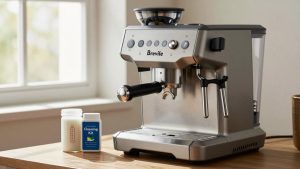
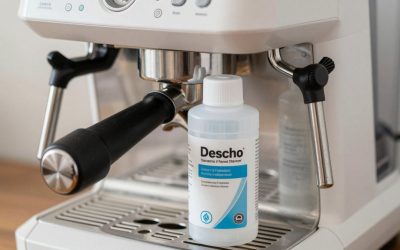
- Group brush and espresso detergent. Old coffee oil turns rancid and makes every shot taste stale.
- Milk pitcher. 12 oz suits a single cappuccino or flat white; 20 oz is better for lattes or two drinks at once.
Step 2: Workflow upgrades (roughly $30–$80 more)
- WDT tool. Thin needles (around 0.3–0.4mm) break up clumps before you tamp. Cheap and effective, especially with grinders that clump.
- Dosing funnel. A ring that sits on the basket so grounds stay in the portafilter while you grind and stir.
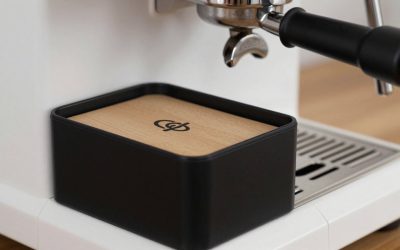
- Knock box. A bin with a padded bar for spent pucks. It saves your trash can and your sink drain.
- Puck screen. A thin metal disc placed on top of the coffee. It keeps the shower screen cleaner and can even out water flow.
Step 3: Diagnostic and precision tools (optional)
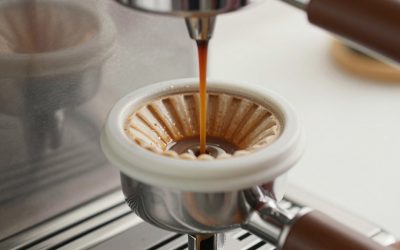
- Bottomless portafilter. Shows channeling as it happens, so you can see whether a problem is grind, distribution or tamp. Lugs must match your machine exactly.
- Precision basket (VST, IMS or similar). More uniform holes than many stock baskets, which usually means more predictable extraction once your grinder is up to it.
- Blind shaker or dosing cup. Grind into it, shake, then pour into the basket for even distribution, especially with single-dose grinders.
- Blind basket for backflushing. Only useful on machines with a three-way solenoid valve, such as the Gaggia Classic Pro, Rancilio Silvia and E61 machines. Breville models use their own cleaning disc and cleaning cycle, so follow the manual.
What you can skip
Leveling or “palm” distributors that spin on top of the grounds do not fix clumps underneath and can add another place for coffee to stick. Espresso cooling balls, cup warmers and decorative spouts are optional extras. Expensive tamper handles and wooden accessories are mostly aesthetic. Put that money toward a better grinder first, since it affects the cup far more than any tool in this list.
All-in-one kits vs. buying pieces separately
Bundled kits that include a tamper, WDT tool, funnel, mat and pitcher are tempting, and the cheaper ones are fine for trying out a workflow. The trade-off is usually the tamper: kit tampers are often light, slightly undersized or made with thin bases. A practical approach is to buy the scale and tamper as individual, well-made pieces, then pick up the small tools (WDT, funnel, puck screen) from a kit or individually, matched to your exact basket size. Whichever route you take, confirm every item is listed for your basket diameter, not just “fits most machines.”
The Essential Espresso Accessories Explained
A handful of accessories make a genuine difference to home espresso, starting with the tools that affect what goes into the basket. A precise scale is arguably the most impactful, letting you weigh your dose and yield to repeat shots reliably. A quality tamper sized to your basket, often 58mm or 53mm to 54mm, creates the even, level puck that consistent extraction depends on, and a distribution tool helps level the grounds before tamping to reduce channeling. A dosing funnel keeps grounds in the basket rather than scattered on the counter. None of these are gimmicks; each addresses a specific source of inconsistency in the shot.
Other accessories serve milk drinks and cleaning. A stainless steel milk pitcher with a pointed spout is essential for steaming and pouring microfoam, and a thermometer or simply learning by feel helps you avoid overheating the milk. For maintenance, a group-head brush, a blind basket for backflushing on machines that support it, and espresso-machine detergent keep the brew path clean of coffee oils that otherwise turn rancid and taint flavor. A knock box for disposing of spent pucks keeps your workflow tidy. Together these tools support both better-tasting espresso and a machine that lasts.
Wear Parts Worth Keeping on Hand
Some of the most useful “accessories” are spare parts. Keeping them in a drawer means a worn part never stops your morning coffee.
- Group gasket: the rubber seal the portafilter locks against. Most home users replace it every 6–12 months, or sooner if water leaks around the portafilter or the handle swings further right than it used to.
- Shower screen: lasts years if cleaned, but a spare lets you swap and soak the old one in detergent.
- Spare basket: a single-dose or larger-dose basket in your size gives you more recipe options.
- Puck screens and WDT needles: both are cheap and occasionally bend or get lost.
Buy gaskets and screens by your machine’s model number, since group heads with the same basket size can still use different parts.
How to Use Espresso Accessories for Better Shots
The accessories only help if you build them into a consistent routine. Weigh your dose into the portafilter on the scale, level and distribute the grounds, then tamp flat and even, keeping the tamper square to the basket. Pull the shot onto the scale so you can stop at your target yield and note the time, then adjust grind in small steps based on whether the shot ran fast and sour or slow and bitter. Changing one variable at a time, supported by accurate measurement, is what turns these tools into real improvement rather than clutter.
Cleaning accessories pay off over the life of the machine. Wipe the steam wand immediately after each use and purge it so milk does not dry inside, and clean the milk pitcher promptly. Backflush regularly on machines that allow it, using a blind basket and appropriate detergent to clear oils from the group, and brush the group head and gasket. Empty and rinse the knock box, and keep the tamper and distribution tools free of coffee residue. A clean machine and clean tools produce cleaner-tasting espresso and prevent the gradual flavor decline that comes from neglected, oil-clogged equipment.
Which Accessory Fixes Which Problem?
If you already own a machine and grinder and your shots are inconsistent, match the symptom to the tool rather than buying a full kit.
| Problem | Likely cause | Accessory that helps |
|---|---|---|
| Same grind setting, very different shot times | Dose varies by a gram or more | 0.1 g scale; weigh every dose |
| Sour and bitter in the same shot, spurting | Channeling from clumps or an uneven bed | WDT tool, then a level tamp |
| Wet ring of loose coffee at the basket edge | Tamper too small for the basket | Correctly sized tamper (58.5mm for most 58mm baskets) |
| Grounds all over the counter | Grinder chute spray, stirring overflow | Dosing funnel |
| Muddy, sticky puck and dirty shower screen | Coffee contacting the screen | Puck screen, or reduce the dose slightly |
| Shots slowly taste flatter and more bitter over weeks | Oil buildup in the group and basket | Espresso detergent soak and backflush where supported |
| Big bubbles in milk, thin foam | Pitcher too large or wrong shape | Pitcher sized to the drink, with a pointed spout |
Gear That Helps
Three accessories that solve the most common problems from the table above, all available in sizes for 58mm machines.
Normcore V4 Spring-Loaded Tamper (58mm) — Best for consistent tamping
A calibrated tamper with a flat stainless steel base and a spring that sets the pressure for you. It ships with 15 lb, 25 lb and 30 lb springs, so you can choose how firm each tamp feels. Normcore also sells 58.5mm and 53.3mm versions; pick the one that matches your basket.
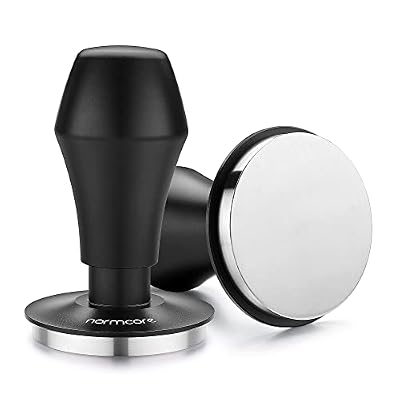
Normcore 58mm Coffee Tamper - V4 Spring-loaded Tamper with Stainless Steel Flat Base - 15lb / 25lb / 30lbs Replacement Springs - Anodized Aluminum Handle and Stand - Fits 58mm Standard Baskets
Included for 'Essential Espresso Accessories Every Home Barista Needs' as a representative home product in this roundup; selection reflects the product set returned for this topic.
View on AmazonUrnex Cafiza Espresso Machine Cleaning Powder — Best for removing coffee oil
A widely used espresso detergent for backflushing machines with a three-way valve and for soaking portafilters, baskets and puck screens. One tub covers many months of weekly cleaning at home doses. Check your machine’s manual before backflushing.

Urnex Espresso Machine Cleaning Powder - 566 grams - Cafiza Professional Espresso Machine Cleaner
Included for 'Essential Espresso Accessories Every Home Barista Needs' as a representative home product in this roundup; selection reflects the product set returned for this topic.
View on AmazonBreville Knock Box 10 — Best for a tidy counter
A stainless knock box sized to hold about ten spent pucks, with a rubber-covered bar to knock the portafilter against. It suits any machine size and keeps wet grounds out of the sink drain.
Frequently Asked Questions
What espresso accessories are actually essential?
A precise scale, a properly sized tamper, and basic cleaning tools like a group brush and detergent matter most. A distribution tool, milk pitcher, and knock box round out a practical home setup.
What size tamper do I need?
Match the tamper to your portafilter basket. Standard commercial-style machines use 58mm, while many prosumer models use 53mm to 54mm. A too-small tamper leaves loose grounds for water to bypass.
Do I really need a scale for espresso?
For consistent, repeatable shots, yes. Weighing dose and yield removes guesswork and is one of the most impactful upgrades, letting you dial in deliberately rather than by estimation.
What is a distribution tool for?
It levels and evenly spreads the grounds in the basket before tamping, reducing channeling where water races through weak spots. It helps produce a flat, even puck for more consistent extraction.
How do I keep my espresso equipment clean?
Wipe the steam wand after each use, backflush regularly on supported machines with detergent, brush the group head, and clean pitchers and tampers. This prevents rancid oil buildup that taints flavor.
Is a bottomless portafilter worth it for beginners?
Yes, if you use a non-pressurized basket. Seeing the underside of the basket shows you exactly where water is channeling, which makes dialing in faster. It is also easier to clean. Make sure the lugs match your machine model, and expect some spraying until your distribution improves.
What size milk pitcher should I buy?
Choose a pitcher about twice the volume of the milk you start with, so there is room for the milk to expand and spin. A 12 oz pitcher suits a single cappuccino, cortado or flat white. A 20 oz pitcher suits a large latte or two smaller drinks. A pointed spout makes latte art easier than a round one.
Do puck screens make espresso better?
They mainly keep the shower screen clean, which is a real benefit. Many users also report a firmer puck and slightly more even extraction, but the effect on taste is smaller than a good grinder, a scale or WDT. Buy one sized to your basket, and reduce your dose slightly if the screen leaves too little headspace.
Final Thoughts
If you invest in only three espresso accessories, make them a calibrated tamper, a precision scale, and a WDT distribution tool — these three eliminate the most common sources of shot inconsistency in home espresso setups. The Normcore tamper, Acaia Pearl scale, and a quality WDT tool will immediately and measurably improve your espresso quality and make each shot a more repeatable, satisfying experience.
Ready to decide? Our #1 pick for 2026 is the 54mm Bottomless Portafilter – Fits Breville Barista Exp….
Live price & availability on Amazon.