As an Amazon Associate we earn from qualifying purchases at no extra cost to you. Product prices and availability are accurate as of the date shown and are subject to change.




TL;DR: AeroPress brews clean, bold coffee in under 2 minutes — no paper waste, no bitterness. Master the inverted method, dial in grind size, and you’ll pull shots that rival a $500 machine. Best gear picks below.
The Complete AeroPress Coffee Recipe Guide: Every Method, Every Variable
If you own an AeroPress and you’re still using the standard recipe that came in the box, you’re leaving 80% of the device’s potential untouched. The AeroPress is the most versatile brewer in home coffee — capable of espresso-style concentrates, clean filter-style cups, cold brew in 2 minutes, and everything between. This guide covers the recipes that actually work, backed by the technique variables that matter: grind size, water temp, steep time, and pressure.
- Quick Comparison
- Top Picks at a Glance
- Why the AeroPress Recipe Matters More Than the Brewer
- The Standard AeroPress Recipe (Starting Point)
- The Inverted AeroPress Method: Why It’s Better
- AeroPress Espresso-Style Recipe
- AeroPress Cold Brew: 2-Minute Version
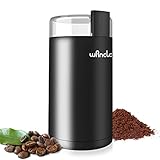
- Grinder Choice: The Real AeroPress Upgrade
- AeroPress Recipe Troubleshooting
- Gear Spec Comparison
- Frequently Asked Questions
- About the Author
Quick Comparison
| Product | Brand | Price | Rating |
|---|---|---|---|
| MuellerLiving French Press Coffee Maker 34oz | Mueller | $54.99 | 4.7/5 |
| Cafe Du Chateau Stainless Steel French Press Coffee Mak… | CafeDuChateau | $37.96 | 4.5/5 |
| AeroPress Original Coffee Press – All-in-One French Pre… | AeroPress | $34.96 | 4.6/5 |
| AeroPress Clear Coffee Press – All-in-One French Press | AeroPress | $39.95 | 4.6/5 |
| AeroPress Original XL Coffee Press | AeroPress | $63.95 | 4.6/5 |
Top Picks at a Glance
See also: How to Season a New Coffee Grinder (2026): Step-by-Step • How to Clean a Moka Pot Safely (2026): Step-by-Step
Why the AeroPress Recipe Matters More Than the Brewer
The AeroPress costs $35. The grinder you pair it with costs $100–$800. That gap is intentional — the recipe controls the output, not the plastic cylinder. Understand three levers and you control the cup:
- Grind size — finer = more extraction = more body and bitterness risk
- Water temperature — lower temps pull sweetness; higher temps pull intensity
- Steep + pressure time — longer contact = more extraction; aggressive press = fines in cup
For grind consistency, a burr grinder is non-negotiable. See our see burr coffee grinder best and our espresso grind size guide for dialing in the correct setting before you brew.
The Standard AeroPress Recipe (Starting Point)
Use this as a baseline before experimenting. Works with most single-origin light or medium roasts.
| Variable | Value |
|---|---|
| Coffee dose | 15–17g |
| Water | 220ml at 85–90°C (185–194°F) |
| Grind size | Medium-fine (finer than drip, coarser than espresso) |
| Steep time | 1 minute |
| Press time | 30 seconds, slow and steady |
| Yield | ~180ml concentrate or dilute to taste |
Temperature precision matters here. A gooseneck kettle with a digital thermometer (like the gooseneck electric kettle pour over guide) eliminates guesswork and makes recipes repeatable.
The Inverted AeroPress Method: Why It’s Better
Standard method lets water drip through before you’re ready to press — you lose control of steep time. Inverted flips that problem. Coffee steeps fully before any liquid escapes.
Inverted setup:
- Flip AeroPress with plunger inserted ~1cm
- Add 17g medium-fine ground coffee
- Pour 250ml water at 88°C in a slow spiral — use a gooseneck kettle for even saturation
- Stir 10 seconds
- Cap with pre-rinsed filter, steep 90 seconds total
- Flip onto mug, press over 30 seconds
Result: cleaner cup, no premature extraction, full body. This is the method used in most AeroPress World Championship recipes.
AeroPress Espresso-Style Recipe
Not true espresso — no 9-bar pressure possible. But a 1:4 ratio concentrate through a fine grind gets you close enough for milk drinks. Pair with a quality frother (see our our pick for espresso machine home for context on what “espresso” actually means at home).
| Variable | Value |
|---|---|
| Coffee dose | 20g |
| Water | 80ml at 96°C (205°F) |
| Grind size | Fine (near espresso) |
| Steep time | 30 seconds |
| Press time | 20 seconds, firm pressure |
| Yield | ~60ml concentrate |
The TIMEMORE Sculptor 078S grinder can dial into AeroPress espresso-style grind with precision — its 078mm burrs handle both fine and coarse settings without channeling issues.
AeroPress Cold Brew: 2-Minute Version
Traditional cold brew takes 12–24 hours. AeroPress cold “flash brew” uses pressure and fine grind to compress extraction time to under 2 minutes with room temp water. Taste is slightly more acidic than true cold brew but dramatically faster.
- Grind 20g coffee fine (espresso-adjacent)
- Add to AeroPress (standard orientation)
- Pour 80ml room temperature water
- Stir aggressively 30 seconds
- Press over ice in 20 seconds
- Dilute concentrate 1:1 with cold water or milk
For full overnight cold brew at home, see our dedicated Chemex cold brew method and compare extraction profiles.
Grinder Choice: The Real AeroPress Upgrade
The AeroPress tolerates inconsistent grind better than a pour-over, but precision unlocks its ceiling. A burr grinder in the $100–$200 range is the first upgrade. The TIMEMORE Sculptor 078S at $799 is overkill for AeroPress alone — but if you’re also pulling espresso on a Gaggia Classic Evo Pro or Rancilio Silvia, one grinder handles both. Check our grinder vs pre-ground test to understand why the upgrade matters.
AeroPress Recipe Troubleshooting
| Problem | Likely Cause | Fix |
|---|---|---|
| Bitter cup | Over-extracted | Coarser grind, lower temp, shorter steep |
| Sour / sharp | Under-extracted | Finer grind, hotter water, longer steep |
| Watery / thin | Too much water | Reduce ratio to 1:12 or increase dose |
| Gritty texture | Fines passing filter | Double filter, slower press, coarser grind |
| Inconsistent day-to-day | No temp control | Use digital kettle, weigh coffee |
Gear Spec Comparison
| Product | ASIN | Price | Best For |
|---|---|---|---|
| TIMEMORE Sculptor 078S | B0DNZ3SKCN | $799 | Multi-brewer households, espresso + AeroPress |
| Cocinare Gooseneck Kettle | B0F4X6ZRGX | $69.99 | Temp-controlled pours, repeatability |
| Gaggia Classic Evo Pro | B086H458MP | $499 | Espresso companion when AeroPress isn’t enough |
Frequently Asked Questions
What is the best grind size for an AeroPress coffee recipe?
Medium-fine is the standard starting point — think table salt. Finer for espresso-style concentrates (coarse sand to table salt), coarser for cleaner filter-style cups. Adjust based on taste: bitter means too fine or too hot; sour means too coarse or too cool.
What water temperature should I use for an AeroPress coffee recipe?
85–96°C (185–205°F) depending on roast. Light roasts need higher temps (92–96°C) to extract fully. Dark roasts do better at 82–88°C to avoid bitterness. Never use boiling water — 100°C scorches light roasts and kills nuance in any coffee.
Is the inverted AeroPress method really better than the standard method?
For most recipes, yes. Inverted gives full control over steep time with zero drip-through. The risk is flipping the AeroPress — use a stable mug, press slowly, and the method is safe. Most competition-level AeroPress recipes use inverted.
Can you make real espresso with an AeroPress coffee recipe?
No — real espresso requires 9 bars of pressure. AeroPress generates roughly 0.35–0.75 bars. What you get is a concentrate that mimics espresso flavor and works in milk drinks, but the extraction physics are fundamentally different. For true espresso at home, see our best espresso machines under $500.
How do I clean an AeroPress after brewing?
Press the puck directly into trash — the plunger self-cleans the chamber. Rinse filter cap and plunger rubber with cold water. No soap needed daily. Full wash weekly with mild dish soap. One of the easiest brewers to maintain in home coffee.
Ready to upgrade your espresso setup beyond AeroPress? Compare the learn about rancilio silvia vs gaggia classic pro for your next machine investment.
Ready to decide? Our #1 pick for 2026 is the MuellerLiving French Press Coffee Maker 34oz.
Live price & availability on Amazon.