TL;DR: Nespresso machines are fast, foolproof, and low-maintenance — ideal for busy households. Dedicated espresso machines give you full control over grind, dose, and pressure, producing superior espresso for those willing to invest time. Choose Nespresso for convenience; choose a traditional machine for craft.
Nespresso vs Espresso Machine: Which Brews Better Coffee at Home?
The nespresso vs espresso machine debate comes down to one core question: do you want a great cup fast, or total control over every variable? Both deliver a quality shot — but the experience, cost, and skill ceiling are worlds apart. This guide breaks down exactly where each wins.
As an Amazon Associate we earn from qualifying purchases at no extra cost to you. Product prices and availability are accurate as of the date shown and are subject to change.


- Quick Comparison
- Quick Comparison: Top Picks Side-by-Side
- Spec Comparison Table
- Where Nespresso Wins
- Where Traditional Espresso Machines Win
- Cost Analysis: Which Is Cheaper Long-Term?
- Who Should Buy What
- Matching the Machine to Your Routine
- Long-Term Costs and Maintenance
- Frequently Asked Questions
- Bottom Line
- About the Author
Quick Comparison
| Product | Brand | Price | Rating |
|---|---|---|---|
| Gaggia RI9380/49 Classic Evo Pro Espresso Machine | — | $499 | 4.4/5 |
| Rancilio Silvia Espresso Machine | Rancilio | $995 | 4.2/5 |
| TIMEMORE Sculptor 078S Flat Burr Coffee Bean Grinder | TIMEMORE | $799 | 4.3/5 |
Quick Comparison: Top Picks Side-by-Side
See also: How to Replace Espresso Machine Water Filter (2026): Step-by-Step • How to Adjust Espresso Machine Brew Temperature (2026): Step-by-Step

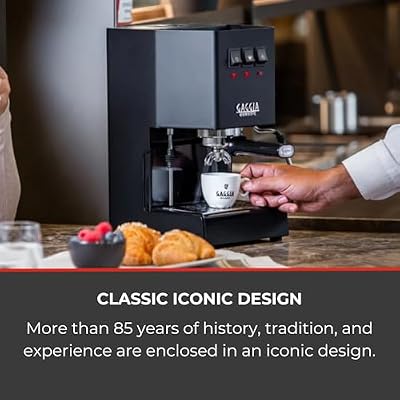
Gaggia RI9380/49 Classic Evo Pro Espresso Machine, Thunder Black, Small



As an Amazon Associate we earn from qualifying purchases. Product prices and availability are accurate as of the date/time indicated.

Rancilio Silvia Espresso Machine, Stainless Steel


As an Amazon Associate we earn from qualifying purchases. Product prices and availability are accurate as of the date/time indicated.

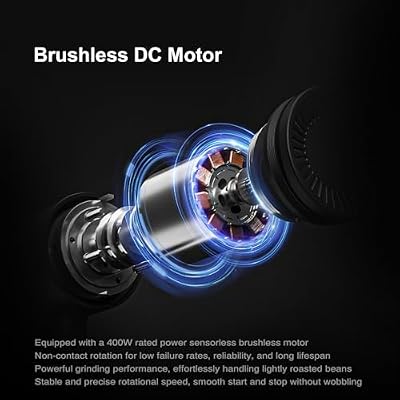
TIMEMORE Sculptor 078S Flat Burr Coffee Bean Grinder, Electric Espresso Grinder with Stepless Coarseness Adjustment, Suitable for Espresso, Pour over, French Press, Cold Brew - Black





As an Amazon Associate we earn from qualifying purchases. Product prices and availability are accurate as of the date/time indicated.
Spec Comparison Table
| Feature | Nespresso (Capsule) | Traditional Espresso Machine |
|---|---|---|
| Brew Time | ~30 seconds | 2–5 minutes (with prep) |
| Pressure | 19 bar (extraction) | 9 bar (true espresso standard) |
| Grinder Required | No | Yes (burr grinder recommended) |
| Skill Level | Beginner | Intermediate–Advanced |
| Ongoing Cost | $0.70–$1.20/capsule | $0.20–$0.50/shot (fresh beans) |
| Crema Quality | Good (artificial) | Excellent (natural) |
| Milk Steaming | Limited (Vertuo/Barista) | Full steam wand |
| Maintenance | Minimal | Regular backflushing, descaling |
| Flavor Variety | Capsule catalog | Any bean, any roast |
Where Nespresso Wins
Nespresso dominates on speed and consistency. Every capsule is pre-dosed and pre-ground — you press a button and get a repeatable result. No dialing in grind size, no weighing doses, no tamping pressure to obsess over. For office use or households where multiple people want coffee quickly, this is a genuine advantage.
Cleanup is also minimal: rinse the drip tray, empty the capsule container, and you’re done. There’s no portafilter to scrub, no grouphead to backflush. If you want to learn more about milk frothing options that pair with Nespresso, we have a full guide.
Where Traditional Espresso Machines Win
A proper espresso machine — paired with a quality burr grinder — gives you creative control that no capsule system can match. You can adjust grind fineness, dose weight, extraction time, and water temperature. The result is a living, evolving shot that reflects your skill and the character of the bean.
Fresh-ground beans also produce a dramatically better crema: dense, hazelnut-brown, and genuinely aromatic. Capsule crema is aerated nitrogen foam — visually similar, but it dissipates quickly and lacks the same complexity. If latte art is a goal, a real steam wand is non-negotiable. Our guide to the best home espresso machines covers the top picks at every price point.
Cost Analysis: Which Is Cheaper Long-Term?
Nespresso hardware is cheaper upfront ($150–$300), but capsules cost $0.70–$1.20 each. At two shots per day, that’s $500–$870 annually in capsules alone. A traditional machine at $500–$700 paired with quality beans at $0.30 per shot runs roughly $220/year. The traditional setup pays for itself within 12–18 months of daily use.
Factor in a precision coffee scale and a burr grinder and your upfront cost rises, but so does your ceiling for quality. For budget-conscious buyers, check our best espresso machines under $500 roundup.
Who Should Buy What
Buy Nespresso if: you want zero-effort espresso every morning, live with non-coffee-obsessed housemates, or travel frequently and want a machine that sits unused without complaint.
Buy a traditional espresso machine if: you want to develop barista skills, care deeply about flavor nuance, drink 2+ shots daily, or plan to make lattes and cappuccinos with real steamed milk.
Matching the Machine to Your Routine
The right choice depends less on which system is objectively “better” and more on how coffee fits into your day. If your mornings are rushed and you value a consistent cup with almost no learning curve, a capsule system removes nearly every variable that can go wrong. There is no grinding, dosing, tamping, or purging to think about, and cleanup is usually a matter of ejecting a used capsule and rinsing a tray.
A traditional espresso machine rewards a different kind of user: someone who enjoys the process and wants to chase a better shot over time. With control over grind size, dose, and extraction, you can dial in espresso to a roughly 1:2 brew ratio (for example, 18 grams of ground coffee yielding about 36 grams of liquid espresso) and adjust to taste. Pulling a real shot at around 9 bars of pressure with water near 195-205°F is what produces dense, natural crema. That craft takes practice, but it also unlocks far more flexibility in flavor, roast, and milk drinks than any closed capsule ecosystem can offer.
Long-Term Costs and Maintenance
Beyond the upfront price, consider what each system costs to live with. Capsules are convenient but priced per serving, so heavy daily drinkers tend to spend more over months and years. Buying whole beans for a traditional machine is usually cheaper per cup, though you are also paying for a grinder and the time to learn the workflow.
Maintenance differs too. Capsule machines mostly need periodic descaling to remove mineral scale from the boiler, plus the occasional rinse cycle. A traditional espresso machine asks for more attention: regular backflushing with a blind basket on pump machines, wiping the group head and steam wand after each session, and descaling on a schedule that depends on your water hardness. Using filtered water slows scale buildup in both cases. If you want minimal upkeep, lean toward capsules; if you are comfortable with a short cleaning routine in exchange for control, the traditional machine pays you back in cup quality.
Frequently Asked Questions
Does Nespresso actually make real espresso?
Technically, no. Nespresso uses 19 bar of pressure vs. the 9 bar standard for true espresso. The result is a concentrated coffee that looks like espresso and carries a crema, but lacks the full extraction complexity of a properly pulled shot. For casual drinkers the difference is negligible; for enthusiasts it matters.
Can you use any coffee in a Nespresso machine?
Only in compatible capsule form. Original Line machines use Original capsules; Vertuo machines use Vertuo capsules with Centrifusion technology. You cannot use loose-ground coffee without a refillable capsule — which is available but fiddly and inconsistent.
How much maintenance does a traditional espresso machine need?
Daily: wipe the steam wand, empty the drip tray, purge the grouphead. Weekly: backflush with water. Monthly: backflush with cleaner tablets. Every 3–6 months: descale with citric acid or a dedicated descaler. Total active time is under 5 minutes per day.
Is a Nespresso machine worth it if I already own an espresso machine?
Only as a secondary machine for convenience or travel. Owning both makes sense in households where one person wants a quick shot and another enjoys dialing in a pour. Otherwise, the capsule costs add up without meaningful quality gain.
What grinder should I buy with an espresso machine?
A burr grinder is essential — blade grinders produce uneven particle sizes that cause channeling and bitter shots. Entry-level options like the Baratza Encore or Eureka Mignon work well for most home setups. See our full burr grinder guide for recommendations at every budget.
Bottom Line
The nespresso vs espresso machine debate has no universal winner — it depends on your morning routine, budget timeline, and how much you enjoy the process of making coffee. For plug-and-play convenience, Nespresso is hard to beat. For craft-level espresso that grows with your skills, a proper machine is the investment that pays off. Either way, you’re drinking better coffee than anything a drip machine produces.
Ready to decide? Our #1 pick for 2026 is the Gaggia RI9380/49 Classic Evo Pro Espresso Machine.
Live price & availability on Amazon.