Last updated: September 18, 2026
Quick answer: Our top pick in 2026 is the French press — our #1 rated choice. See the full ranked comparison, alternatives and buying advice below.
The Short Answer
Yes—a moka pot is worth buying if you want strong, concentrated coffee at home and are willing to manage a short brewing routine. It is especially good for people who enjoy coffee with milk, want something more intense than drip coffee, and do not need true espresso.
A moka pot is not a replacement for an espresso machine. It brews coffee under relatively low pressure, usually producing a concentrated cup with a fuller body than drip coffee but less crema, precision, and sweetness than espresso. The best reason to buy one is simple: it offers an inexpensive way to make bold coffee without a large appliance, capsules, or a 15-bar pump.
As an Amazon Associate we earn from qualifying purchases at no extra cost to you. Product prices and availability are accurate as of the date shown and are subject to change.


What You Actually Get
See also: How to Season a New Coffee Grinder (2026): Step-by-Step • How to Clean a Moka Pot Safely (2026): Step-by-Step
A moka pot has three main sections: a bottom chamber for water, a funnel-shaped basket for ground coffee, and an upper chamber that collects the brewed coffee. As the water heats, pressure pushes it through the coffee and into the top section.
Most traditional models are made from aluminum, while some are stainless steel. Aluminum versions are usually lighter and less expensive; stainless-steel models tend to feel more durable and are more likely to work on induction cooktops. Compatibility varies, so check the product specifications rather than assuming any stainless model is induction-ready.
Capacity labels can be confusing. A “cup” generally means a small European coffee serving of about 1.5 fluid ounces, not an American 8-ounce mug. A 2-cup model may yield about 3.3 fluid ounces, or 100 milliliters, while a 6-cup model may produce roughly 9 to 10 fluid ounces. You normally brew the full amount rather than making a partial batch, so choose the size around your usual serving.
For example, an inexpensive 2-cup aluminum model can cost around $15 and make a compact serving for one person. A larger designer model such as the Alessi Pulcina 6-cup costs about $108 and is aimed as much at countertop appearance and design as everyday value. Both follow the same basic brewing method, so the premium is not a guarantee of dramatically better coffee.
Brewing typically takes about 5 to 8 minutes, depending on the size of the pot, burner, starting water temperature, grind, and heat level. A moka pot does not have a built-in heating element, so it uses the stove. On an electric or ceramic cooktop, choose a burner that matches the base and avoid excessive heat. On gas, keep the flame beneath the base instead of allowing it to climb the sides.
Pros
- Low entry price. Basic aluminum moka pots commonly cost about $15 to $35, making them one of the cheapest ways to prepare concentrated coffee at home.
- Rich, intense flavor. The coffee is bolder and heavier than standard drip coffee. It works particularly well with steamed or frothed milk, sugar, and iced coffee.
- No capsules or complicated electronics. There are no pods to store, software controls to learn, or pump components to maintain.
- Small footprint. A 2-cup model may stand only several inches tall and occupy very little counter space. Even larger models are much smaller than most espresso machines.
- Portable for travel. A moka pot can work in a vacation rental, cabin, or campsite when you have a compatible burner. It does not require an outlet, although the heat source does.
- Reusable and relatively low-waste. You buy ground coffee rather than disposable capsules. The main replacement parts are the rubber or silicone gasket and the filter screen.
- Easy to customize. You can change the coffee, grind, dose, water temperature, and heat level to adjust the result.
- Visually appealing. Classic aluminum pots have an unmistakable Italian kitchen look, while premium designs can function as display pieces when not in use.
Cons
- It does not make real espresso. Moka-pot coffee lacks the pressure, fine crema, and concentrated texture produced by an espresso machine. Calling the result “stovetop espresso” is convenient but technically inaccurate.
- The routine is less automatic than drip coffee. You must measure water and coffee, monitor the pot, and remove it from the heat when brewing finishes. Leaving it unattended can produce bitter coffee or a burnt gasket.
- Flavor can turn harsh. A grind that is too fine, excessive heat, compacted coffee, or allowing the pot to sputter aggressively can make the coffee bitter and muddy.
- Serving sizes are fixed. You cannot easily brew a half batch in a 6-cup pot. A model that is too large for your household may leave coffee unused, while a 1- or 2-cup pot may not be enough for multiple drinkers.
- It needs cleaning after every use. Rinse the chambers and basket, remove spent grounds, and let the pieces dry separately. Coffee oils and old grounds can affect taste.
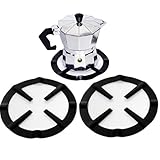
- Induction compatibility is inconsistent. Many traditional aluminum pots will not heat on induction. You may need a stainless-steel model or a separate induction adapter plate.
- Safety still matters. The pot becomes extremely hot, and the top chamber contains pressure while brewing. Never force it open while hot, fill the bottom chamber above the safety valve, or tamp the grounds like espresso.
- Premium pricing is not always practical. A $100-plus design can be beautifully made, but it may not brew noticeably better than a well-maintained $20 to $40 model.
Who Should Buy It
Buy a moka pot if you prefer bold coffee, usually drink one or two small servings, and enjoy a hands-on morning ritual. It is a particularly good fit for anyone who wants café-style milk drinks without investing several hundred dollars in an espresso machine. It also suits small kitchens, occasional campers, renters, and people who want a durable backup brewer during power interruptions—as long as a usable stovetop or burner is available.
Choose the smallest size that matches your normal consumption. A 2-cup, approximately 100-milliliter model is sensible for one concentrated drink. A 3- or 4-cup model is often more flexible for one larger milk drink or two smaller servings. A 6-cup pot is better for several people or a larger batch, but it will be unnecessary for someone who drinks a single small coffee.
Who Should Skip It
Skip a moka pot if your priority is push-button convenience, large travel mugs, or repeatable espresso-style shots. A drip coffee maker is better for brewing 20 to 40 fluid ounces at once. A pod machine is easier if speed and minimal cleanup matter more than coffee cost and waste. A true espresso machine is the better choice if you want crema, espresso-based recipes, precise extraction, and the ability to steam milk properly.
You should also reconsider it if your cooktop is induction and you do not want to verify compatibility or use an adapter. People who dislike washing small parts or who regularly forget pans on the stove may find the moka-pot process more demanding than expected.
Cheaper Alternatives
| Option | Cost | Trade-off |
|---|---|---|
| French press | $15–$40 | Makes more coffee and is forgiving, but the result is less concentrated and may contain more sediment. |
| Pour-over cone | $10–$35 | Offers excellent control and a clean cup, but it produces drip-style coffee rather than a dense moka brew. |
| AeroPress-style brewer | $30–$50 | Fast, portable, and versatile, though its small servings and lighter body are different from moka coffee. |
| Basic drip coffee maker | $25–$70 | Best for larger batches and convenience, but it takes more counter space and cannot easily mimic concentrated coffee. |
| Entry-level moka pot | $15–$35 | The closest match to the traditional experience; inexpensive models may have less consistent seals or lighter construction. |
FAQ
Is moka-pot coffee stronger than regular coffee?
It tastes stronger because it is more concentrated and has a heavier body. A full serving does not necessarily contain more caffeine than a large mug of drip coffee; total caffeine depends on the coffee type, amount used, serving size, and how much of the drink you consume. You can dilute moka coffee with hot water or milk to make it more like an Americano.
What coffee should you use in a moka pot?
Use fresh coffee ground slightly finer than drip coffee but coarser than espresso. Fill the basket loosely and level the grounds without tamping. Medium or medium-dark roasts are common choices, but any roast can work if you adjust the grind and heat. Avoid packing the basket tightly because the water needs to pass through it safely and evenly.
How long does a moka pot last?
A basic aluminum pot can last for many years with careful use. Longevity depends on the hinge, handle, valve, threads, and gasket rather than the metal chamber alone. Replace the gasket and filter when they become hard, cracked, stained, or loose—often every 6 to 18 months with regular use. Hand-washing and drying the parts separately can extend its life.
Is a moka pot worth buying in 2026?
For the right drinker, yes. It remains one of the least expensive ways to make concentrated, milk-friendly coffee without a bulky machine or recurring capsules. Start with a reasonably priced model in the correct size rather than paying over $100 for design alone. If you want true espresso or complete automation, spend your budget elsewhere.
Ready to decide? Our #1 pick for 2026 is the French press.
Live price & availability on Amazon.