Last updated: November 1, 2026
The best mushroom coffee for most people is a blend that tells you exactly how much coffee and how much mushroom extract is in each serving. Based on our research, RYZE Organic Mushroom Coffee is the easiest all-round pick if you want an instant-style drink with a published caffeine level, and Four Sigmatic Focus Ground Coffee is the better choice if you brew with a drip machine or French press. If you want to cut back on caffeine without giving up the ritual, this guide also covers the best decaf coffee options and the best herbal coffee substitutes, from Swiss Water decaf with mushroom extracts to roasted dandelion and chicory blends.
Two honest notes. First, mushroom coffee is a food, not a medicine. Makers describe focus, calm or immune benefits, but the human research behind those marketing lines is limited, so we do not repeat them as facts. If you are pregnant, nursing, on medication, managing a health condition, or have mushroom allergies, ask a doctor before trying it. Second, this guide is research-based: we compared manufacturer pages, listing details and independent reviews, and we did not personally use these products.
- Top Picks at a Glance
- Comparison Table: Mushroom Coffee, Decaf and Alternatives
- 1. RYZE Organic Mushroom Coffee: Best Overall Instant Mushroom Coffee
- 2. Four Sigmatic Organic Focus Mushroom Ground Coffee: Best for Brewers
- 3. Four Sigmatic Calm Organic Decaf Ground Coffee: Best Decaf Mushroom Coffee
- 4. Micro Ingredients Organic Instant 10-in-1 Mushroom Coffee: Best Value Instant
- 5. Peet’s Coffee Decaf Major Dickason’s: Best Traditional Decaf Coffee Brand
- 6. Dandy Blend Instant Herbal Beverage: Best Instant Herbal Coffee Substitute
- 7. Teeccino Mocha Chicory Herbal Coffee: Best Brewed Coffee Substitute
- Also Consider
- How We Chose
- Buying Guide: How to Choose Mushroom Coffee and Alternatives
- Common Mistakes to Avoid
- Frequently Asked Questions
- Which One Should You Buy?
- Sources
Top Picks at a Glance
- Best Overall Instant Mushroom Coffee: RYZE Organic Mushroom Coffee, Medium Roast, 30 servings
- Best Ground Mushroom Coffee: Four Sigmatic Organic Focus Mushroom Ground Coffee, Dark Roast
- Best Decaf Mushroom Coffee: Four Sigmatic Calm Organic Decaf Ground Coffee (Swiss Water process)
- Best Value Instant Mushroom Coffee: Micro Ingredients Organic Instant 10-in-1 Mushroom Coffee, 28 oz
- Best Traditional Decaf Coffee Brand: Peet’s Coffee Decaf Major Dickason’s, dark roast
- Best Herbal Coffee Substitute (instant): Dandy Blend Instant Herbal Beverage with Dandelion
- Best Herbal Coffee Substitute (brewed): Teeccino Mocha Chicory Herbal Coffee
Comparison Table: Mushroom Coffee, Decaf and Alternatives
See also: 4 Best Coffee Beans for Iced Coffee (October 2026) Honest Reviews • Instant Espresso Brands Ranked
| Product | Best for | Key specs (from listing and maker) | Watch for | Price tier |
|---|---|---|---|---|
| RYZE Mushroom Coffee | Instant, lower-caffeine mornings | 30 servings; organic coffee with six mushrooms; about 48 mg caffeine per serving (maker figure) | Premium price per serving | Premium |
| Four Sigmatic Focus Ground | Drip and French press brewers | Dark roast; organic; lion’s mane and chaga; caffeine varies by product, check the pack | Not an instant mix | Mid-range |
| Four Sigmatic Calm Decaf | Evening cups without caffeine | 10 oz ground; Swiss Water decaf; chaga and reishi extracts | Mushroom amounts not listed in the summary | Mid-range |
| Micro Ingredients Instant 10-in-1 | Large pack, many servings | 28 oz; 317 servings; arabica with ten mushrooms | Bulk size; mixes can clump | Mid-range |
| Peet’s Decaf Major Dickason’s | Classic dark-roast decaf | 10.5 oz ground; dark roast | Roast is bold; not mushroom | Budget |
| Dandy Blend | Caffeine-free instant | 14 oz, about 200 cups; dandelion, chicory, barley and rye extracts | Contains barley and rye | Mid-range |
| Teeccino Mocha Chicory | Brewed caffeine-free cup | 11 oz ground; carob, barley, chicory, dates, almonds, cocoa | Contains almonds and barley | Mid-range |
1. RYZE Organic Mushroom Coffee: Best Overall Instant Mushroom Coffee
- Format: instant powder, medium roast, 30 servings (a 60-serving starter kit is also sold)
- Blend: organic coffee with six adaptogenic mushrooms including lion’s mane (listing); the maker cites a 2,000 mg mushroom blend per serving
- Caffeine: about 48 mg per serving according to the maker; one outlier site claims more, so check the label
- Price tier: Premium
Best for: people who want a clear label, a mixed-in drink and a lower caffeine hit than a standard cup. Skip if: you want a rich black-coffee taste, or the per-serving cost matters more than convenience.
RYZE has become the reference point for mushroom coffee, and part of the reason is clarity: the product page publishes the mushroom blend and the caffeine per serving. At roughly 48 mg, the drink sits at about half of a typical 8 oz brewed cup, which is commonly 95 mg or more. That makes it a good way to cut back without going decaf. The formula also includes MCT oil and coconut milk powder, so it tastes creamier than plain instant coffee and is not a black-coffee substitute.
Think of it as a ready-mixed drink rather than a pure coffee. If you add milk and a sweetener, you change both the calories and the experience. Always check the nutrition panel and ingredient list, especially for coconut allergies.
Pros:
- Published caffeine level
- Quick to prepare
- Organic ingredients
Cons:
- Premium price per cup
- Contains MCT oil and coconut milk powder
2. Four Sigmatic Organic Focus Mushroom Ground Coffee: Best for Brewers
- Format: ground coffee, dark roast, organic
- Added ingredients: lion’s mane and chaga mushroom extracts
- Caffeine: not stated in the listing summary; the maker’s pages show different figures for different formats, so check your pack
- Price tier: Mid-range
Best for: home brewers who want mushroom coffee they can run through a drip machine, pour-over or French press. Skip if: you prefer instant convenience or want a precise caffeine number printed in advance.
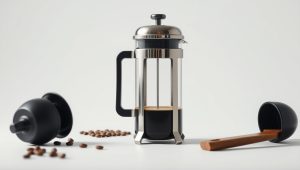
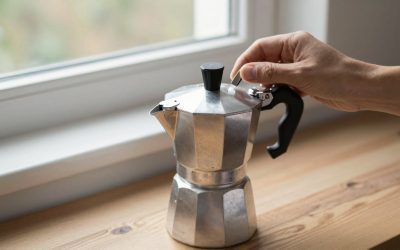
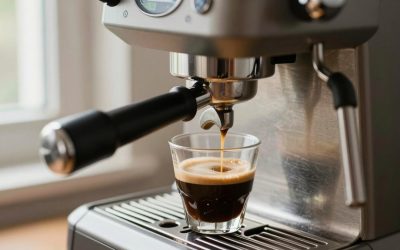
Ground mushroom coffee is the closest thing to a normal cup of coffee. You brew it the usual way, and the mushroom extracts are mixed into the grounds. That is useful if you already have a brewing routine, and it works with an espresso-style brew or a moka pot too, though results differ. The flavor is dark and earthy, with less of the chalky taste that some instant blends can have.
Four Sigmatic also sells an instant Focus mix, pods and a Calm decaf, so you can build a routine around one brand. Keep in mind that mushroom extract amounts vary between formats, which is why reading the label for your exact product matters.
Pros:
- Works in any brewer
- Organic dark roast
- Brand with several formats
Cons:
- Caffeine and mushroom amounts differ by format
- Not an instant option
3. Four Sigmatic Calm Organic Decaf Ground Coffee: Best Decaf Mushroom Coffee
- Format: 10 oz ground coffee
- Decaf method: Swiss Water process (chemical-free water decaffeination)
- Added ingredients: chaga and reishi mushroom extracts
- Price tier: Mid-range
Best for: evening drinkers who want mushroom coffee without the caffeine, and anyone who prefers a water-based decaf process. Skip if: you want to know the exact milligrams of each mushroom extract; the summary we checked does not list them.
Decaf coffee still contains a small amount of caffeine, typically a few milligrams per cup, so this is low-caffeine rather than zero. The Swiss Water method removes caffeine using water and carbon filtration rather than solvents, which some buyers prefer. Combined with chaga and reishi extracts, it is the product to try if you search for the best decaf coffee brands and also want a mushroom blend.
Pros:
- Swiss Water decaf
- Organic
- Works in standard brewers
Cons:
- Mushroom amounts not listed in our sources
- Decaf still has trace caffeine
4. Micro Ingredients Organic Instant 10-in-1 Mushroom Coffee: Best Value Instant
- Format: instant powder, 28 oz tub, about 317 servings (listing)
- Blend: arabica coffee with ten mushrooms including lion’s mane, chaga and reishi
- Price tier: Mid-range (low cost per serving)
Best for: households that drink mushroom coffee daily and want the lowest cost per cup. Skip if: you want to sample before committing to a large tub; a 14 oz size is also sold.
The large tub is the selling point: with more than 300 servings, the cost per cup is a fraction of the premium brands. Because the product is a pure blend rather than a flavored mix, you can add your own milk or sweetener. Store it tightly closed in a dry place, because instant powders clump when exposed to humidity. Caffeine content per serving is not stated in the listing, so check the label if you are sensitive.
Pros:
- Many servings per tub
- Organic ingredients
- Plain blend you can customize
Cons:
- Large tub is a commitment
- Caffeine per serving not listed
5. Peet’s Coffee Decaf Major Dickason’s: Best Traditional Decaf Coffee Brand
- Format: ground coffee, 10.5 oz bag, dark roast
- Price tier: Budget
Best for: a classic dark-roast cup without mushrooms or extras. Skip if: you want a functional blend or a lighter roast.
If you came for the best decaf coffee brands rather than mushrooms, a good decaf bag is often the simplest answer. Peet’s takes the familiar Major Dickason’s blend and sells a decaf version with the same bold style. Decaf varies by decaffeination method, so look for the process on the label. Fresh roasted dates on the bag matter more than the brand name; buy small bags and use them within a few weeks of the roast date.
Pros:
- Familiar dark-roast taste
- Wide availability
- Low price tier
Cons:
- No added ingredients or benefits
- Process not stated in the summary we checked
6. Dandy Blend Instant Herbal Beverage: Best Instant Herbal Coffee Substitute
- Format: instant powder, 14 oz bag, about 200 cups
- Ingredients: roasted barley, rye, dandelion root and chicory root extracts (maker information)
- Caffeine: none
- Price tier: Mid-range
Best for: coffee quitters who want a hot drink that looks and tastes roasted but contains no caffeine. Skip if: you avoid gluten; barley and rye are ingredients, so ask your doctor or check the maker’s statement.
Dandy Blend is one of the best-known herbal coffee substitutes because it dissolves like instant coffee and takes milk and sweetener well. The flavor is toasty and slightly sweet, with a taste that does not match coffee exactly. Many people use it as an evening cup. Its range of roasted grains and roots gives it body, which is why it works in lattes.
Pros:
- Caffeine free
- About 200 cups per bag
- Dissolves like instant coffee
Cons:
- Contains barley and rye
- Taste is different from coffee
7. Teeccino Mocha Chicory Herbal Coffee: Best Brewed Coffee Substitute
- Format: ground herbal coffee, 11 oz, medium roast
- Ingredients: carob, barley, chicory, dates, almonds, figs and cocoa (maker information)
- Caffeine: none
- Price tier: Mid-range
Best for: people who miss the ritual of brewing a pot and want a chocolatey, caffeine-free cup. Skip if: you have a tree-nut allergy (it contains almonds) or you avoid gluten.
Teeccino is brewed like coffee: drip machine, French press or even an espresso-style maker. The base of roasted carob, chicory and dates gives it a cocoa-like sweetness that reads as mocha, so you may need less sugar. This is the most coffee-like experience on the list without any actual coffee. Teeccino also sells dandelion and mushroom (turkey tail) blends if you want to explore.
Pros:
- Brews in a normal coffee maker
- Naturally sweet, mocha flavor
- No caffeine
Cons:
- Contains almonds and barley
- Flavor differs from coffee
Also Consider
- Chico Chicory Coffee Substitute (instant stick packs): a premium-tier, caffeine-free single-serve option if you want portability.
- Lifeboost Cognition Mushroom Ground Coffee: a mid-range, low-acid ground mushroom coffee; check the label for amounts.
- NESCAFE Gold Decaf Espresso Instant Coffee: a budget-tier decaf instant jar for those who want plain coffee flavor fast.
- Teeccino Instant Organic Dandelion Blend: an instant, mid-range herbal alternative if you prefer a Teeccino flavor without brewing.
How We Chose
We started with three needs behind the head keyword: a lower-caffeine mushroom coffee, a decaf option, and a caffeine-free herbal substitute. We then reviewed manufacturer pages, listing details and independent write-ups, and kept products that publish a format, ingredient list and pack size. We did not personally use these products, so we do not describe taste experiences or personal results. We excluded mixes that did not list what is in them and treated every wellness slogan as marketing. Price tiers replace exact prices, and where a spec was not available we say “not listed”.
Buying Guide: How to Choose Mushroom Coffee and Alternatives
1. Decide what you want to cut
If the goal is less caffeine, compare milligrams: a standard 8 oz brewed cup typically has 95 mg or more, and mushroom coffee can range from about 48 mg for RYZE to higher for ground blends. If the goal is no caffeine, choose decaf coffee (a few milligrams) or an herbal substitute (none). If you are cutting back for medical reasons, ask your doctor for a target.
2. Check the mushroom amounts
Look for named species (lion’s mane, chaga, reishi, cordyceps, turkey tail) and an amount per serving, not just “proprietary blend.” Prefer fruiting-body extracts and a statement of which part of the mushroom is used. Be cautious with products claiming 10 to 16 mushrooms in a single scoop: the more varieties, the smaller each dose tends to be.
3. Pick the format that fits your routine
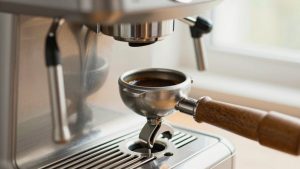
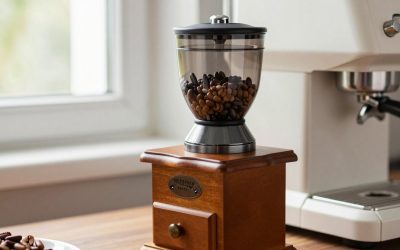
Instant mixes are fastest. Ground coffee fits brewers and moka pots. Pods fit single-serve machines. For an espresso machine, avoid putting instant powder in the portafilter; use ground coffee that is made for brewing, and keep coffee with added extracts away from grinders because residue can build up.
4. Read the ingredient list for allergens
Mushroom coffees can include coconut milk powder, MCT oil, collagen or ashwagandha. Herbal substitutes often include barley, rye, almonds or cocoa. If you have celiac disease or a tree-nut allergy, read the label and ask your doctor.
5. Do the cost-per-cup math
Divide the pack price by the number of servings. A 30-serving premium pack and a 317-serving tub can differ by several times per cup. Decide whether you want the brand’s convenience or the bulk price.
Common Mistakes to Avoid
- Assuming mushroom coffee is caffeine free. Most blends contain real coffee.
- Treating wellness claims on the pack as proven.
- Stacking several supplements with mushroom coffee without checking with a doctor.
- Putting instant powders in an espresso machine.
- Buying a huge tub before sampling the taste.
Frequently Asked Questions
What is the best mushroom coffee?
RYZE Organic Mushroom Coffee is our pick for an instant blend with a published caffeine level, and Four Sigmatic Focus Ground Coffee is the pick for brewers. The best product for you depends on whether you want instant or ground, and how much caffeine you want.
Does mushroom coffee have caffeine?
Usually yes, because it contains regular coffee. RYZE states about 48 mg per serving, while ground blends can contain more. Decaf mushroom coffee such as Four Sigmatic Calm has only trace caffeine.
What are the best mushroom coffee alternatives?
Herbal coffee substitutes such as Dandy Blend and Teeccino are caffeine free. They do not contain coffee or mushrooms (except special blends) but replicate the roasted flavor.
What is the best instant mushroom coffee?
RYZE is the premium choice and the Micro Ingredients 10-in-1 tub is the value choice. Compare servings and caffeine per serving.
What are the best decaf coffee brands?
Look for a stated decaf process, such as Swiss Water, and a fresh roast date. Peet’s Decaf Major Dickason’s and Four Sigmatic Calm are two options on our list.
What are the best herbal coffee substitutes?
Dandy Blend for instant, Teeccino for brewed. Both contain barley, so check the label if you avoid gluten.
Is mushroom coffee safe for everyone?
Not necessarily. People who are pregnant, nursing, taking medication or managing a health condition should ask a doctor first, and anyone with mushroom allergies should avoid it.
Which One Should You Buy?
Choose RYZE for a lower-caffeine instant drink, Four Sigmatic Focus Ground for brewing, and Four Sigmatic Calm for an evening decaf with mushroom extracts. Choose Micro Ingredients if you want the lowest cost per cup, Peet’s Decaf for a plain decaf, Dandy Blend for a caffeine-free instant drink, and Teeccino Mocha for a brewed caffeine-free cup. Start with the smallest pack when you can, and talk to a doctor before treating any of these as more than a beverage.
Sources
- RYZE Superfoods manufacturer product and FAQ pages
- Four Sigmatic manufacturer product pages (Focus and Calm)
- Dandy Blend manufacturer ingredient information
- Teeccino manufacturer product page (Mocha Chicory)
- Peet’s Coffee product page (Decaf Major Dickason’s)
- Independent caffeine and mushroom coffee comparisons
Last updated: October 2026