

Coffee Extraction Yield and TDS: What the Numbers Actually Mean
TL;DR — Quick Answer
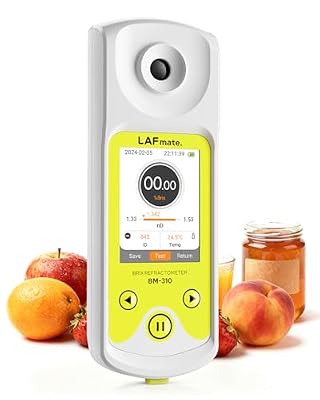
Coffee extraction yield measures what percentage of the dry coffee grounds dissolved into your cup. Target 18–22% for espresso. TDS (total dissolved solids) measures brew strength — espresso targets 8–12%. Both numbers together tell you whether your shot is under-extracted (sour, thin), over-extracted (bitter, harsh), or dialed in. Measure TDS with a refractometer like the Atago PAL-COFFEE (B084RT95LQ tier) or VST LAB (B0DNZ3SKCN).
Most home baristas diagnose espresso problems by taste alone — sour means under-extracted, bitter means over-extracted, adjust and try again. That trial-and-error approach works eventually, but measuring extraction yield and TDS transforms guessing into a precision craft. Two numbers tell you exactly where your shot sits on the extraction curve and whether your recipe is dialed in or drifting.
This guide breaks down what extraction yield and TDS actually mean, how to measure them at home, and how to use the data to pull consistently better espresso.
Quick Comparison
| Product | Brand | Price | Rating |
|---|---|---|---|
| Aichose 0-80% Brix Meter Refractometer for Measuring Su… | aichose | $25 | 4.6/5 |
| 3-in-1 Digital Refractometer with ATC for Wine Making | ExpertinHomeMeasuringTools | $89.99 | 4.2/5 |
| Digital Brix Refractometer Flagfront brix Meter Refract… | Flagfront | $39.99 | 4.4/5 |
| Pocket coffee densitometer PAL-COFFEE (BX/TDS) From imp… | Atago | $379.99 | 4.4/5 |
| Digital Brix Refractometer GOYOJO Brix Meter Lab Refrac… | GOYOJO | $39.99 | 4.4/5 |
Recommended Measurement Tools
See also: How to Season a New Coffee Grinder (2026): Step-by-Step • How to Clean a Moka Pot Safely (2026): Step-by-Step
BEST VALUE REFRACTOMETER
Digital Coffee Refractometer
~$99
PROFESSIONAL GRADE
VST LAB Coffee Refractometer
~$175
BUDGET TDS METER
Digital TDS Pen Meter
~$15
What Is Coffee Extraction Yield?
Extraction yield is the percentage of soluble material that dissolved from your dry coffee grounds into the final brew. Dry coffee contains roughly 28–30% of its mass in soluble compounds — but you don’t want to dissolve all of it. Early-extracting compounds are fruity acids and sugars (pleasant). Mid-extraction adds body and sweetness. Late-extraction compounds are bitter, astringent polyphenols and harsh chlorogenic acids — the stuff that makes over-extracted espresso unpleasant.
The Specialty Coffee Association (SCA) defines the ideal extraction range as 18–22% for espresso. Below 18%: under-extracted — sour, sharp, thin body. Above 22%: over-extracted — bitter, dry, harsh finish. At 19–21% with balanced TDS, most palates register a shot as “perfect.” The exact ideal depends on bean origin, roast level, and personal preference — lighter roasts often taste best at 20–22%, darker roasts at 18–20%.
What Is TDS in Coffee?
TDS stands for total dissolved solids — the concentration of dissolved coffee compounds in your cup, expressed as a percentage. Espresso typically reads 8–12% TDS. A double ristretto might hit 14–16% TDS. A lungo drops to 5–7%. Drip coffee sits at 1.2–1.5% TDS. TDS measures strength — how concentrated the brew is — which is separate from extraction yield, which measures efficiency — how much of the available flavor was extracted.
You can have high TDS with low extraction yield (ristretto — strong but under-extracted, sour notes) or low TDS with high extraction yield (lungo — dilute but over-extracted, bitter notes). The sweet spot combines both metrics landing in the SCA’s “ideal” zone. A refractometer measures TDS directly from a small sample of brewed espresso cooled to room temperature, then the extraction yield is calculated using the brew ratio (dose weight vs. yield weight).
| Metric | Measures | Espresso Target | Tool Needed |
|---|---|---|---|
| TDS % | Brew strength (concentration) | 8–12% | Refractometer |
| Extraction yield % | Efficiency (flavor extracted) | 18–22% | Refractometer + scale |
| Brew ratio | Dose-to-yield relationship | 1:1.5–1:2.5 | Precision scale |
How to Calculate Extraction Yield at Home
The standard formula: Extraction Yield (%) = (Beverage Weight × TDS%) ÷ Dose Weight. Example: you used 18g of ground coffee (dose), yielded 36g of espresso (beverage weight), and the refractometer reads 9% TDS. Calculation: (36 × 0.09) ÷ 18 = 3.24 ÷ 18 = 18%. That shot is at the low end of the ideal range — slightly under-extracted. Grind finer or extend extraction time to push toward 20%.
For accurate results: let espresso cool to room temperature before measuring (heat affects refractometer readings), use a clean pipette or dropper to place 2–3 drops on the refractometer prism, and take three readings and average them. Temperature compensation is built into good digital refractometers — the Atago PAL-COFFEE series handles this automatically. Combine measurement data with a precise brewing timer and a quality scale to build a complete recipe tracking system.
Reading Your Results: The SCA Flavor Chart
Plot your TDS and extraction yield on the SCA Brewing Control Chart — a grid with TDS on one axis and extraction yield on the other, with the “ideal” zone marked in the center. Shots landing left of center (low extraction) are under-extracted regardless of TDS. Shots to the right (high extraction) are over-extracted. High TDS + ideal extraction = strong, balanced shot. Low TDS + ideal extraction = light-bodied but clean.
In practice: if your TDS is low and extraction yield is low, grind finer and/or increase water temperature. If TDS is high but extraction yield is also high (over-extracted), coarsen the grind or reduce brew time. If TDS is in range but extraction yield is off, adjust dose or yield weight rather than grind. This data-driven approach eliminates the “change one thing and hope” cycle that makes dialing in frustrating. See the espresso grind size guide for how grind adjustments interact with these numbers.
Water TDS and Its Effect on Coffee Extraction
Water mineral content directly affects extraction efficiency — and this is separate from measuring coffee TDS. Brew water with 75–150 ppm total hardness extracts coffee compounds most efficiently. Soft water under 50 ppm produces flat, under-extracted results even with correct grind and temperature. Hard water over 300 ppm inhibits extraction, causes rapid scale buildup, and imparts off-flavors. The SCA water quality standard targets 150 ppm total hardness, 75–85 ppm calcium, and near-neutral pH 7.0. Check your brew water with a basic TDS pen — separate from your coffee measurement refractometer. See how water TDS affects espresso flavor for a deeper dive.
Frequently Asked Questions
What is a good extraction yield percentage for espresso?
18–22% is the SCA-defined ideal range. Most well-dialed espresso hits 19–21%. Light roasts and Washed African coffees often taste best at the high end (20–22%). Dark roasts can taste balanced at 18–20%. Below 18% is sour and under-developed; above 22% turns bitter and astringent.
What TDS percentage should espresso be?
8–12% TDS for standard espresso. Ristretto (shorter yield) runs 12–16%. Lungo (longer yield) runs 5–8%. Strength preference is personal — some prefer a concentrated 11% shot, others find 8–9% more balanced. Extraction yield matters more than TDS for flavor quality; TDS just controls intensity.
Do I need a refractometer to make good espresso?
No — professional baristas trained without them for decades. But a refractometer dramatically accelerates the learning process and removes subjectivity from recipe development. Worth investing $80–150 if you’re serious about dialing in. For casual home use, developing palate sensitivity through consistent tasting is sufficient.
Why does my espresso extraction yield keep changing between shots?
Variable extraction yield typically points to inconsistent puck preparation (dose weight, distribution, tamp pressure), temperature instability in the machine, or channeling caused by uneven grounds. Start by weighing dose and yield consistently to a 0.1g precision, then use WDT (weiss distribution technique) before tamping. A puck screen and WDT tool significantly reduce shot-to-shot variance.
What is the difference between TDS for brew water vs. TDS for brewed coffee?
Brew water TDS measures dissolved minerals in your water supply (target 75–150 ppm). Brewed coffee TDS measures dissolved coffee compounds in the finished cup (espresso target 8–12%). They use the same measurement unit (ppm or %) but measure entirely different things — don’t confuse them. Use a basic TDS pen for water quality and a dedicated coffee refractometer for espresso measurement.
Related: Espresso Grind Size Guide | Water TDS and Espresso Flavor | Coffee Brewing Timer Guide
Ready to decide? Our #1 pick for 2026 is the Aichose 0-80% Brix Meter Refractometer for Measuring Su….
Live price & availability on Amazon.