- Top Pick: Amazon Fresh, Organic Fair Trade Peru Whole Bean Coffee, Medium Roast, 12 Oz
- Best Value: Mt. Comfort Coffee Organic Peru Medium Roast, 2.5 Pounds – Flavor Notes of Nutty, Chocolate, & Citrus – Sourced From Small, Peruvian Coffee Farms – Roasted Whole Beans
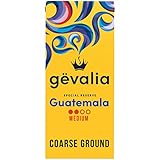
- Premium Choice: Gevalia Special Reserve Guatemala Single Origin Medium Roast Coarse Ground Coffee (10 oz Bag)
Last updated: October 20, 2026
As an Amazon Associate we earn from qualifying purchases at no extra cost to you.




Disclosure: As an Amazon Associate we earn from qualifying purchases. This page contains affiliate links and we may earn a commission at no extra cost to you.
Single origin is where coffee stops being a beverage and starts being geography. A blend is engineered to taste the same every year; a single origin is a postcard from one country, one region, sometimes one farm, in one harvest. Drink a Guatemalan next to a Peruvian next to a Nicaraguan and you can taste altitude, soil, and processing decisions the way wine drinkers taste vineyards. For a home barista, exploring origins is the single fastest way to develop a real palate.
It also comes with honest costs that blend marketing never mentions. Single origins vary harvest to harvest, they tend to cost more per pound, and some are simply harder to pull as espresso than a blend engineered for the portafilter. That is why this list mixes true single origins from illy, Mt. Comfort, and Java Planet with two deliberate counterpoints: Mayorga’s dark Latin roast and Lavazza’s Super Crema blend, included as the consistency benchmark that shows you exactly what blends do well and what they smooth away.
Every pick is whole bean, because origin character is precisely the thing that dies fastest in a pre-ground bag. Grind quality matters just as much here; if your burrs cannot produce an even grind, the subtle differences this whole page is about will be invisible in the cup, and our grind size guide is worth a read before you invest in premium lots.
Quick Comparison
| Product | Price | Rating |
|---|---|---|
| illy Arabica Selections Nicaragua | Check on Amazon | 4.6/5 |
| Mayorga Café Cubano (2 lb) | Check on Amazon | 4.6/5 |
| Mt. Comfort Organic Peru (2.5 lb) | Check on Amazon | 4.5/5 |
| Java Planet Guatemala | Check on Amazon | 4.5/5 |
| Lavazza Super Crema (blend benchmark) | Check on Amazon | 4.5/5 |
| Java Planet Colombia | Check on Amazon | 4.4/5 |
Why Trust This Guide
See also: 4 Best Coffee Beans for Iced Coffee (October 2026) Honest Reviews • Instant Espresso Brands Ranked
These recommendations draw on years of home espresso and pour over brewing, the roasters’ own published origin and certification details, and durable patterns in owner feedback across harvests rather than any single season’s impressions. We invent no tasting scores, we tell you when a blend honestly serves you better than a single origin, and we treat origin storytelling with affection but not credulity.
illy Arabica Selections Nicaragua
illy spent decades perfecting one famous blend, so when the Trieste roaster releases a single origin, the point is contrast: the Arabica Selections line exists to let you taste one country through illy’s meticulous quality lens. The Nicaragua is a 100% Arabica lot with the gentle sweetness and balanced body Nicaraguan coffee is loved for, presented with the roast precision and famously careful packaging the brand built its name on.
This is the most beginner-friendly single origin on the list, polished, consistent for the category, and pressurized in its packaging to protect aroma. It pulls a refined, medium-bodied espresso and makes an equally graceful pour over. The tradeoff is the illy premium per ounce, and adventurous drinkers may find it almost too polite. As a first deliberate step from blends into origin drinking, nothing here beats it; log your impressions in a barista notebook and you have the start of a real palate education.
Mayorga Café Cubano
Mayorga’s Café Cubano is here as the style counterpoint: a dark, Latin-style roast that prioritizes tradition over terroir. Where the single origins on this page whisper about regions, this two-pound organic workhorse speaks fluent café con leche, with smoky-sweet depth, heavy body, and crema for days. It is what happens when the goal is a cultural style rather than a geographic snapshot.
The roast level erases most origin nuance by design, so do not buy it for subtlety. Its strength is dependable intensity, and it doubles beautifully for stovetop methods, including a properly made cup from a cezve when you want coffee with ceremony.
Mt. Comfort Organic Peru
Peru is one of the best value origins in coffee, and Mt. Peruvian lots from high-altitude smallholder cooperatives offer a gentle, sweet, clean profile that works across every brew method without demanding expertise.
That makes this the bag for turning single origin from an occasional treat into a daily habit, since the per-pound math finally cooperates. The profile is mellow rather than vivid, so drinkers chasing bright Ethiopian-style fireworks should adjust expectations; this is origin drinking in its most comfortable register. The 2.5-pound size requires storage discipline, with portions sealed and frozen on arrival, and a system like our recommended airtight freezer storage keeps the last cup as Peruvian as the first.
Java Planet Guatemala
Java Planet’s organic Guatemalan brings two stories in one bag: a genuine single origin from one of Central America’s great coffee countries, and the family roastery’s signature low-acid, mold-tested approach. Guatemalan coffee is prized for cocoa depth and structured sweetness, and the gentle roasting here keeps that character while staying kind to sensitive stomachs.
It is the rare origin-forward coffee you can drink several cups of without regret, which makes it a clever bridge for drinkers who want personality and comfort in the same mug. As espresso it pulls a smooth, chocolate-leaning shot; as pour over it opens up further. The tradeoffs are small-roaster realities, including harvest variation and a price per ounce above bulk territory. Brewed slowly through a Vietnamese phin, its sweetness concentrates into something dessert-like, a fun experiment for a quiet weekend.
Lavazza Super Crema
Super Crema is not a single origin, and that is exactly its job here. This Arabica-Robusta blend is one of the most popular espresso beans in the world precisely because it is engineered for what blends do best: thick crema, round honeyed sweetness, and shot-to-shot consistency that no single harvest lot can promise. Drinking it against the origins on this list teaches you, in two cups, what blending smooths away and what it secures.
Keep it as your control bean and your guest-morning fallback. When a new origin bag fights you, Super Crema confirms whether the problem is the bean or your technique, which is genuinely valuable diagnostic information. Its Robusta fraction adds caffeine and crema at a small cost in delicacy. Comparing it side by side with a single origin is exactly the kind of structured tasting our sampler variety pack method makes systematic instead of vague.
Java Planet Colombia
The second Java Planet entry is its organic Colombian, a medium-dark, low-acid single origin from the country whose name is practically synonymous with coffee. Colombian lots at this quality level offer the origin’s classic profile of caramel sweetness, mild fruit, and balanced body, here rounded further by the roastery’s stomach-friendly approach.
Tasting this against the same roaster’s Guatemalan is one of the most instructive comparisons available from a single producer, with one variable, origin, isolated almost perfectly because the roasting philosophy is constant. The Colombian reads slightly softer and more caramel-led; the Guatemalan more cocoa-structured. As with its sibling, expect small-lot variation between harvests and a modest premium per ounce. For drip-to-espresso households wanting one gentle, characterful daily origin, it is an easy bean to live with year-round.
What to Look For in Single Origin Coffee Beans
Origin shopping rewards different instincts than blend shopping. These are the factors that actually predict satisfaction:
- Specificity of origin — country is the minimum; region, cooperative, or farm names signal real traceability. “100% Colombian” tells you far less than a named growing area does.
- Harvest and roast dates — single origins are seasonal agricultural products. Visible dates matter more here than anywhere else in coffee buying.
- Processing method — washed lots taste cleaner and brighter, naturals fruitier and heavier. When a bag mentions processing, the roaster is talking to people who care, which is a good sign.
- Roast level versus origin character — the darker the roast, the less origin survives. Light-to-medium roasts preserve geography; dark roasts trade it for body and tradition.
- Match to your brewing — some origins shine as espresso, others as filter. Mellow Latin American lots like these flex across methods better than sharp East African ones.
- Honest price math — single origin costs more per pound than blends of equal quality. Decide whether you are paying for traceability, flavor, or both, and resent neither.
Tips for Getting the Most Out of Single Origin Coffee Beans
Taste with intention, or you are paying the origin premium for nothing. Brew your first cups of any new origin black, with no milk and no rush, and name what you taste, even clumsily, since “nutty, kind of soft, sweet at the end” is real progress. Side-by-side brewing is the accelerant: same dose, same grind, same water, two origins, two cups. A consistent setup with a good scale and timer turns these comparisons from impressions into knowledge you keep.
For espresso specifically, give each new origin its own dialing session and expect different behavior from each, because density and solubility track altitude and processing. A bean that chokes your machine at yesterday’s setting is not defective, just foreign. Buy quantities matched to the exploration, smaller bags of more origins early on, then bulk sizes like the Mt. Comfort once a favorite earns daily status. And revisit origins across harvests before forming permanent opinions; this year’s Guatemala is not last year’s, which is either the frustration or the entire romance of single origin, depending on the morning.
Frequently Asked Questions
Is single origin coffee better than blends?
Different, not better. Single origins offer traceability and distinctive regional character that varies by harvest; blends offer engineered balance and year-round consistency. Serious coffee programs use both, and a sensible home setup does too: origins for exploration and black cups, a trusted blend for milk drinks and guests.
Why does my single origin taste different from the last bag I bought?
Because it is an agricultural product from one place and one season. Weather, harvest timing, processing, and lot selection all shift year to year, and honest roasters pass that variation through rather than blending it away. Treat each new bag as a fresh introduction and re-dial your recipe accordingly.
Can I use single origin coffee for espresso?
Absolutely, and many cafés run single origin espresso as a premium option. Expect more dialing effort than with an espresso blend, since origins are not engineered for the portafilter. Mellow Latin American lots like the Peruvian and Colombian picks here adapt most easily; lighter, brighter origins demand hotter, longer extractions.
What does washed versus natural processing mean for flavor?
Washed coffees have their fruit removed before drying, yielding cleaner, brighter, more transparent cups. Natural coffees dry inside the fruit, absorbing heavier body and berry-like sweetness. Neither is superior; they are different lenses on the same farm. When a roaster lists the method, it is telling you which lens you are buying.