- Top Pick: DF64 Gen 2 Single Dose Coffee Grinder (Official Seller) (Black), Small
- Best Value: MiiCoffee DF64 II Single Dosing Coffee Grinder (Black)
- Premium Choice: DF54 Single Dose Coffee Grinder
Last updated: October 20, 2026
As an Amazon Associate we earn from qualifying purchases at no extra cost to you.




Disclosure: As an Amazon Associate we earn from qualifying purchases. This page contains affiliate links and we may earn a commission at no extra cost to you.
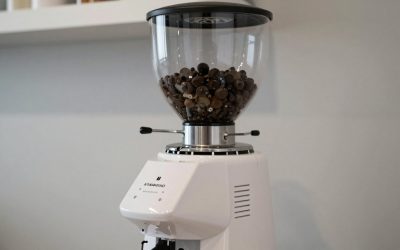
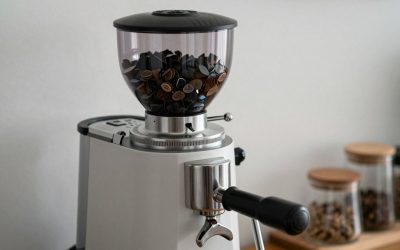
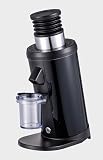
Few grinders have shaken up home espresso pricing like the DF64. Its formula was almost provocative when it appeared: 64mm flat burrs — the geometry of commercial café grinders — in a compact single-dose body, at a price that used to buy you a plastic-chambered entry machine. Weigh your beans, drop them in, grind straight through into a dosing cup, and almost nothing stays behind.
Several generations later, the DF64 line has matured from disruptive upstart into an established platform, sold under several house brands and steadily refined: better alignment out of the box, improved anti-static behavior, cleaner declumping. This review looks at the current DF64 II and Turin Gen 2.5 versions side by side, plus the budget electric, premium manual, and kitchen all-rounder alternatives that bracket the decision from every direction.
If the single-dose workflow itself is new to you, our single-dose espresso primer explains the weigh-grind-brew routine and why so much of the hobby has converged on it; this review assumes you are at least curious.
Quick Comparison
| Product | Price | Rating |
|---|---|---|
| Timemore C3S Pro (Manual) | $95.00 | 4.8/5 |
| MiiCoffee DF64 II | $399.00 | 4.6/5 |
| Hamilton Beach Custom Grind | $37.95 | 4.6/5 |
| KitchenAid Burr Grinder KCG8433 | — | 4.6/5 |
| Turin DF64 Gen 2.5 | $399.00 | 4.5/5 |
| Viesimple Gen 4 Single Dose | $179.99 | 4.5/5 |
Why Trust This Guide
See also: Best Spice Grinders: Ten Electric Models Compared by Capacity, Bowl Design and Cleanup • 4 Best Flat Burr Coffee Grinders for Consistent Grounds (October 2026) Buying Guide
We judge single-dose grinders on the things the format promises: retention measured in fractions of a gram, workflow speed from scale to portafilter, grind consistency in the espresso range, alignment quality out of the box, and how the platform holds up over years of burr wear and part swaps. Conclusions come from hands-on routines, manufacturer documentation, and the long-run patterns in owner communities — not launch-week hype.
Timemore C3S Pro (Manual)
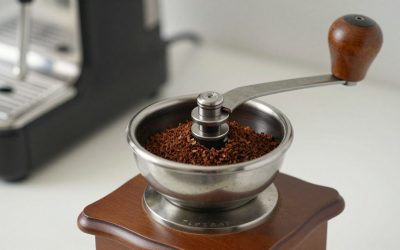
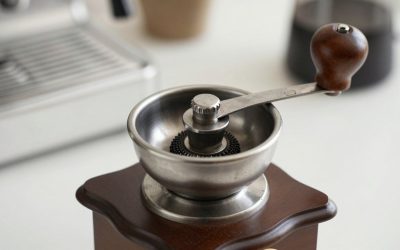
The C3S Pro is the manual counterargument to the entire electric single-dose category. Every hand grinder is inherently a single-dose grinder — you load exactly what you brew — and Timemore’s S2C stainless conical burr delivers espresso-capable consistency for a fraction of any DF64’s price.
It suits the one-or-two-shots-a-day drinker, the traveler, and anyone testing how serious their espresso habit is before committing real money. The tradeoff is labor: a minute of cranking per dose, every dose, with espresso-fine settings requiring genuine effort. Households pulling four shots each morning will resent it within a week. As a first grinder or a travel companion to a DF64-equipped kitchen, though, it is close to unbeatable.
MiiCoffee DF64 II
The DF64 II is the review’s namesake in its most refined mainstream form. The second generation addressed the original’s most common complaints: workflow cleanliness, static, and the fussier aspects of its declumping path, while keeping the core promise of 64mm flat burrs in a compact single-dose chassis. Fed a weighed dose, it grinds quickly and hands nearly all of it back, fluffy and ready to distribute.
It is the right buy for the home barista who has outgrown an entry grinder and wants café-class burr geometry without café-class footprint or price. Tradeoffs: it remains an enthusiast tool — expect to fine-tune your routine, use the bellows, and accept that boutique grinders with high-end burr sets still hold an edge in ultimate refinement. For most palates, that gap is now remarkably small.
Hamilton Beach Custom Grind
The Hamilton Beach Custom Grind is here as the honest budget baseline: a one-press kitchen grinder sized for 4 to 14 cups of drip coffee, hands-free operation, and a price under a tenth of a DF64. For households whose espresso is occasional and whose daily brew is a drip pot, it is a perfectly reasonable tool.
What it cannot do is espresso. Its grinding approach and adjustment range are built for drip-coarse consistency, not the fine, narrow particle distribution a 9-bar extraction demands. The lesson it teaches in this lineup is about matching tools to methods — and if you are unsure whether real burr grinding matters for your brew, our grinder versus pre-ground test makes the difference concrete.
KitchenAid Burr Grinder KCG8433
KitchenAid’s matte-black burr grinder is the kitchen-appliance take on real grinding: proper burrs, a wide setting range aimed at drip and French press, and the brand’s typical solid, warranty-backed build. It is the grinder for someone furnishing a serious all-purpose coffee counter who values design coherence and dependable retail support.
Against the DF64 II the comparison is really about intent. The KitchenAid is hopper-fed and convenience-first, with retention and an adjustment range that treat espresso as an edge case rather than the mission. Buy it if filter coffee is the daily driver and espresso is a someday idea; buy a DF64 if the portafilter is already on the counter. Trying to make one grinder serve both masters is where most regret starts.
Turin DF64 Gen 2.5
The Turin-branded Gen 2.5 is the most current expression of the DF64 platform, folding in the line’s accumulated refinements — alignment, anti-static behavior, workflow polish — into the same 64mm single-dose formula. Functionally it competes with the DF64 II above; the differences are generational details and distribution rather than philosophy.
It suits the buyer who wants the platform’s latest iteration and is comfortable with an enthusiast brand sold through specialty channels. The tradeoff is the same one the whole DF64 family carries: you are buying outstanding hardware value with community-driven support rather than a century-old service network. For tinkerers that is a feature — the platform’s upgrade culture of burr swaps and mods is half the fun — and our zero-retention grinder review explores how far owners take it.
Viesimple Gen 4 Single Dose
The Viesimple Gen 4 rounds out the field as the value single-dose electric: magnetic dosing cup, low-retention path, and the weigh-then-grind workflow at a price meaningfully below the DF64 twins. For budget-conscious baristas who want the single-dose experience without stretching to 64mm flat-burr money, it is exactly the right kind of compromise.
What you give up against the DF64 II and Turin is burr size and the platform’s deep aftermarket: smaller burr sets grind slower and trail slightly in consistency at espresso fineness, and there is less of an upgrade culture to grow into. But as a first single-dose grinder for a midrange machine — or a second grinder dedicated to decaf — it makes the workflow accessible at a friendly price.
What to Look For in a Single Dose Grinder Like the DF64
The DF64’s success has filled the market with single-dose grinders that look identical in photos and behave very differently on the counter. These are the factors that separate them.
- True retention — The whole point of the format. Look for designs where a weighed dose in yields essentially the same weight out; bellows help, but the grind path architecture matters more.
- Burr size and quality — 64mm flat burrs are the platform’s calling card for a reason: speed and consistency at espresso fineness. Smaller burrs save money but give back some of both. Our burr grinder roundup maps the field.
- Alignment out of the box — Flat burrs only deliver their consistency when properly aligned. Newer DF64 generations improved here, and it is worth checking before chasing shots; our calibration tool review shows how.
- Static and clumping control — Fine espresso grounds love to cling and clump. Good declumpers, anti-static measures, and a spray of water on the beans tame the mess.
- Workflow accessories — Dosing cups that fit your portafilter, bellows that actually seal, and stable single-dose hoppers turn a good grinder into a fast routine. See our hopper and accessory guide.
- Upgrade path — The DF64 ecosystem’s burr-swap culture means the grinder can improve after purchase. Platforms without that flexibility are what they are forever.
Tips for Getting the Most Out of a DF64 Grinder
Adopt the one-spray habit. A single light misting of water on your beans before grinding — the technique the community calls RDT — collapses most of the static that plagues fine grinding, keeping grounds in the cup instead of clinging to the chute and your counter. Combined with a couple of bellows pumps after the motor stops, it gets the DF64’s retention down to truly negligible levels.
Weigh in and weigh out, at least for the first few weeks. Knowing that 18.0 grams in yields 17.8 out tells you your purge habits and bellows technique are working, and it turns grind-size changes into controlled experiments instead of guesses. Once your numbers stabilize, you can relax the ritual — the routine becomes muscle memory faster than you expect, as our grind size guide demonstrates with a full dialing walkthrough.
And treat alignment and cleanliness as the same chore. Every few months, open the chamber, brush and vacuum the burrs, and confirm nothing has shifted; a clean, aligned 64mm flat burr set is what you bought this grinder for, and ten minutes of maintenance protects it. Shots drifting sour or harsh with no recipe change usually means buildup, stale beans, or drift — in that order.
Frequently Asked Questions
Is a DF64 good for a first espresso grinder?
If your budget reaches it and espresso is your primary method, yes — it is arguably the most grinder-per-dollar in home espresso. Complete beginners who want zero fuss may prefer a simpler timed-dosing grinder first, since the DF64 rewards a bit of routine-building.
DF64 II or Turin Gen 2.5 — does the version matter?
They are siblings on the same platform, and current generations of both have absorbed the line’s big refinements. Buy on price, availability, and seller support rather than agonizing over the badge; the in-cup difference between current versions is minimal.
Can a DF64 grind for pour-over as well as espresso?
Yes — the single-dose format makes range-swinging less painful than on hopper grinders, since there is no chamber of old grounds to purge. Espresso remains its sweet spot, but many owners happily run weekday espresso and weekend filter on one machine.
Why do people spray water on beans before grinding?
A light misting drains static charge that otherwise makes fine grounds cling to the chute and scatter. It is the single highest-impact habit for keeping a single-dose workflow clean, and it costs nothing but a two-dollar spray bottle.