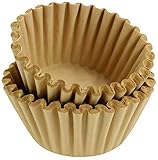
- Top Pick: 8-12 Cup Basket Coffee Filters (Natural Unbleached, 200)
- Best Value: Melitta #4 Unbleached Coffee Filters, Natural Brown Cone Filters, 3-Pack
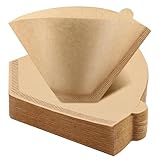
- Premium Choice: 200 Count #4 Cone Coffee Filters 8-12 Cup, Unbleached Natural Coffee Paper Filters, No Blowout, Disposable Coffee Filter for Pour Over and Drip Coffee Maker
As an Amazon Associate we earn from qualifying purchases at no extra cost to you. Product prices and availability are accurate as of the date shown and are subject to change.


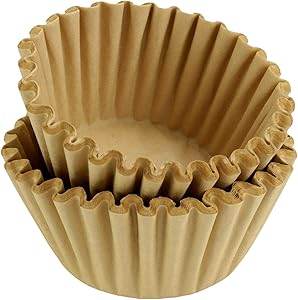
TL;DR: Unbleached coffee filters are the cleaner, more natural choice for pour-over and drip brewing — no chemical whitening, minimal paper taste when pre-rinsed, and fully compostable with your spent grounds. If you care about what’s in your cup and where your waste goes, the switch from bleached to unbleached is a simple upgrade with real payoff.
Best Unbleached Paper Coffee Filters: Cleaner Brews, Less Waste
Paper coffee filters are one of those overlooked variables that quietly affect every cup you brew. Most home brewers buy whatever’s on sale without considering how the filter itself contributes to flavor, clarity, and environmental footprint. Unbleached coffee filters have been around for decades, but they’ve gained significant attention as more home baristas start thinking critically about every element in their brew chain.
Here’s what actually separates unbleached filters from bleached, what to look for when buying, and how to get the most out of them in your daily brewing routine.
- Quick Comparison
- Top Unbleached Paper Coffee Filters
- Bleached vs. Unbleached: What the Difference Actually Means
- Composting and Environmental Impact
- Filter Sizing: Getting the Right Fit
- Pre-Rinsing Technique and Why It Matters
- Spec Comparison: Unbleached vs. Bleached Filters
- Storage and Freshness
- FAQ: Unbleached Paper Coffee Filters
- About the Author
- Frequently Asked Questions
Quick Comparison
| Product | Brand | Price | Rating |
|---|---|---|---|
| Amazon Basics Basket Coffee Filters for 8-12 Cup Coffee… | AmazonBasics | $2.14 | 4.8/5 |
| 8-12 Cup Basket Coffee Filters (Natural Unbleached | RupertandJeoffreysTradingCo | $9.49 | 4.7/5 |
| Melitta #4 Unbleached Coffee Filters | — | $5.99 | 4.8/5 |
| Melitta #4 Cone Coffee Filters | — | $4.49 | 4.8/5 |
| Chemex Bonded Filter – Natural Square – 100 ct – Exclus… | CHEMEX®Coffeemakers | $18.94 | 4.8/5 |
Top Unbleached Paper Coffee Filters
See also: How to Replace Espresso Machine Water Filter (2026): Step-by-Step • How to Adjust Espresso Machine Brew Temperature (2026): Step-by-Step
Bleached vs. Unbleached: What the Difference Actually Means
Standard white coffee filters go through a bleaching process — either chlorine-based (elemental chlorine or chlorine compounds) or oxygen-based (using hydrogen peroxide or ozone). Oxygen-bleached filters, sometimes labeled “ECF” (elemental chlorine free) or “TCF” (totally chlorine free), are considered a middle ground: white in appearance but processed with fewer harsh chemicals than traditional chlorine bleaching.
Unbleached filters skip the whitening process entirely. They’re the natural brown color of processed paper pulp, which some brewers associate with a slight papery taste. That association isn’t wrong — unrinsed unbleached filters can contribute a mild earthy or papery note to the first cup. But the fix is simple: pre-rinse the filter with hot water before adding coffee. It takes 15 seconds and eliminates the issue entirely.
From a flavor standpoint, a properly pre-rinsed unbleached filter is indistinguishable from a well-rinsed bleached filter for most palates. The real differences show up in what you’re not putting into your cup and where the filter ends up after brewing.
Composting and Environmental Impact
Both bleached and unbleached paper filters are technically compostable, but there’s a meaningful practical difference. Unbleached filters break down faster and leave behind no chemical residues in the compost pile. If you hot-compost, they decompose in 4–6 weeks alongside the coffee grounds. In cold compost, they take 2–4 months but still fully mineralize.
Coffee grounds and unbleached paper filters are one of the cleaner compost inputs available — the grounds are nitrogen-rich and the paper adds carbon structure. The combined package, dumped directly from your pour-over into a compost bin, is genuinely zero-waste brewing. Used coffee grounds also have well-documented benefits as a soil amendment and garden pest deterrent.
If you’re serious about low-waste coffee at home, pairing unbleached filters with proper storage of your beans matters too. A quality vacuum-seal coffee canister keeps beans fresher longer, reducing how often you’re buying and disposing of packaging.
Filter Sizing: Getting the Right Fit
Coffee filter sizing is standardized but confusingly labeled. The most important thing to match is your brewer’s basket shape — cone vs. flat-bottom — and then the size within that category. Using the wrong size creates bypass (water flowing around rather than through the grounds) or overflow if the filter is too small and gets pushed flat against the basket walls.
Cone filters are numbered 1, 2, 4, and 6 — corresponding to brewer capacity. #2 fits most single-cup pour-over brewers including the Hario V60 and Kalita Wave-adjacent designs. #4 fits standard 8–12 cup drip machines with cone baskets.
Basket filters (flat-bottom) are sized by cup capacity rather than number — 4-cup, 8-cup, 10-cup. They’re wider and shorter than cone filters. Most automatic drip coffee makers use flat-bottom basket filters.
When in doubt, check your brewer’s manual or look at the filter that came with the machine — the packaging should specify the replacement size. Unbleached filters are available in all standard sizes from major brands.
Pre-Rinsing Technique and Why It Matters
Pre-rinsing isn’t optional for unbleached filters if you want a clean, neutral cup. Place the filter in your dripper, pour hot water slowly through it until fully saturated, then discard the rinse water. This does three things: removes residual paper taste compounds, preheats the brewing vessel to maintain extraction temperature, and seats the filter against the walls of the dripper to prevent bypass.
Pour-over brewers benefit most from this step. For automatic drip machines, pre-rinsing is less practical — most people skip it there and accept that the first brew from a fresh filter may have a slightly more papery character. If you’re brewing with a gooseneck kettle and a manual pour-over setup, build the pre-rinse into your routine before you start your grinder.
For precision pour-over brewing, temperature control during the pre-rinse and brew matters significantly. A temperature-controlled gooseneck kettle gives you accurate water temp at both stages — pre-rinse and extraction — which tightens consistency across every brew.
Spec Comparison: Unbleached vs. Bleached Filters
| Feature | Chlorine Bleached | Oxygen Bleached (ECF/TCF) | Unbleached |
|---|---|---|---|
| Color | Bright white | White | Natural brown |
| Chemical process | Chlorine compounds | H₂O₂ / ozone | None |
| Paper taste (dry) | Low | Very low | Moderate |
| Paper taste (pre-rinsed) | Negligible | Negligible | Negligible |
| Compostability | Good | Very good | Excellent |
| Decomposition speed | Moderate | Good | Fastest |
| Typical price premium | Baseline | +10–20% | +5–15% |
Storage and Freshness
Coffee filters are low-maintenance, but they do absorb odors over time if stored improperly. Keep them in a sealed bag or container away from cooking smells, spices, or cleaning products. Filters stored near a spice rack or under the kitchen sink can pick up ambient odors that transfer subtly to your brew — a problem that’s easy to miss but accounts for an off-note you can’t otherwise explain.
Bulk buying makes economic sense for filters you use daily — a year’s supply of unbleached filters takes minimal space and stores well. Buy in quantities of 200–500 and keep them in a zip-lock bag or small plastic bin. There’s no expiration date on unbleached paper filters in proper storage conditions.
FAQ: Unbleached Paper Coffee Filters
Do unbleached coffee filters make coffee taste different?
Without pre-rinsing, unbleached filters can add a mild papery or earthy note to the first pour. With a 15-second pre-rinse using hot water, that difference becomes negligible for most palates. In a controlled side-by-side test with the same coffee, the same brewer, and both filters pre-rinsed, the vast majority of tasters cannot reliably distinguish between unbleached and oxygen-bleached filters. The more significant flavor variable is the filter’s pore density, which affects flow rate and extraction — this varies more between brands than between bleached and unbleached from the same manufacturer.
Are unbleached coffee filters healthier than bleached filters?
Chlorine-bleached filters have been studied and the consensus from health authorities is that trace chemical transfer to brewed coffee is well within safe limits. That said, if minimizing any chemical exposure in your diet is a priority, unbleached filters are the straightforward choice — no bleaching agents used, nothing to transfer. The environmental argument is arguably stronger than the direct health argument: eliminating chlorine-based processing from your brewing routine has measurable environmental benefit even if the personal health difference is marginal.
Can I compost unbleached coffee filters with the grounds still in them?
Yes, and it’s the most convenient way to compost both simultaneously. Fold the filter over the spent grounds and drop the entire package into your compost bin. The paper breaks down faster when kept moist, so mixing it into the pile rather than leaving it on top accelerates decomposition. One caveat: if your filter held a very large brew dose, tear or fold the filter to expose more surface area to compost organisms. This cuts decomposition time roughly in half.
What sizes do unbleached filters come in?
All major filter sizes are available in unbleached: #1, #2, #4, and #6 cone filters, plus flat-bottom basket filters in 4-cup, 8-cup, and 12-cup sizes. Specialty shapes for Chemex (6-cup, 8-cup, 10-cup) and AeroPress-compatible discs are also available in unbleached from multiple brands. If you use a less common brewer, check the manufacturer’s accessories page — branded unbleached filter options exist for most popular pour-over and dripper designs.
How should I store unbleached coffee filters?
In a sealed bag or airtight container, away from strong odors. Paper is highly porous and will absorb ambient kitchen smells over weeks to months of open storage. A simple zip-lock bag is sufficient. Avoid storing near dish soap, cleaning products, or strong spices. Properly stored unbleached filters have an indefinite shelf life — there is no meaningful degradation in paper quality or brewing performance over 1–2 years of storage in good conditions.
Frequently Asked Questions
Do unbleached filters taste different from bleached ones?
Unbleached brown filters carry more residual papery flavor, so rinsing matters more with them. Once properly rinsed, blind tastings show little difference between the two. Modern bleached filters are whitened using oxygen or chlorine-free processes, which makes the old chlorine objection largely obsolete.
Do I have to rinse them first?
Yes, and with brown paper it is not optional. Pour hot water through the filter while it sits in the dripper, discard the rinse water, and you remove most of the paper taste while preheating the brewer and seating the filter against the walls. It takes fifteen seconds.
Are used filters compostable?
Used filters and grounds compost well together and make a good nitrogen source. Unbleached paper breaks down without adding bleaching residues and most municipal green bins accept it. Avoid composting filters used with heavily flavored coffee or any pod filter with a plastic rim.
Will they fit my dripper?
Filters are shape specific rather than universal. V60 cones are numbered by size with a 60 degree angle, Kalita Wave uses a flat-bottom wavy filter, Chemex requires its own thick bonded paper, and basket filters come in 8 to 12 cup sizes. The wrong shape ruins the brew.
Does filter thickness change the brew?
Yes. Thicker papers such as Chemex slow the flow and trap more oils, producing a cleaner and lighter cup, while thinner papers brew faster and let more body through. If your brew times suddenly change after switching brands, the paper thickness changed, not your grinder.
Ready to decide? Our #1 pick for 2026 is the Amazon Basics Basket Coffee Filters for 8-12 Cup Coffee….
Live price & availability on Amazon.