TL;DR: A refurbished espresso machine can deliver prosumer performance at entry-level prices — but only if you buy from the right source. This guide covers exactly what to check, what to avoid, and when refurbished beats new for home baristas on a budget.
Buying a Refurbished Espresso Machine: What to Know Before You Pull the Trigger
A quality espresso machine is one of the most durable appliances you can own. Commercial machines run 8–12 hours a day for a decade. Home machines with moderate use can last 15–20 years with basic maintenance. That durability is exactly what makes the refurbished market so compelling — and why buying a well-serviced used machine often beats a brand-new entry-level unit at the same price point.
As an Amazon Associate we earn from qualifying purchases at no extra cost to you. Product prices and availability are accurate as of the date shown and are subject to change.





I bought my first real espresso machine refurbished. It was a heat exchanger unit that retailed new for over $1,200; I paid $480 for a professionally serviced unit with a 90-day warranty. Five years later it’s still pulling excellent shots. Here’s what I learned about buying refurbished correctly.
- Quick Comparison
- Refurbished Espresso Machine Picks
- Refurbished vs. Used vs. Certified Refurbished: Know the Difference
- What Gets Replaced in a Proper Espresso Machine Refurb
- Which Machines Are Worth Buying Refurbished
- Red Flags When Buying a Refurbished Espresso Machine
- Spec Comparison: Refurbished Buying Tiers
- FAQ: Buying a Refurbished Espresso Machine
- About the Author
- Frequently Asked Questions
Quick Comparison
| Product | Brand | Price | Rating |
|---|---|---|---|
| Cocinare Gooseneck Electric Kettle | Cocinare | $79.99 | 4.4/5 |
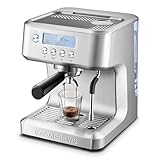
| Gaggia RI9380/49 Classic Evo Pro Espresso Machine | — | $499 | 4.4/5 |
| TIMEMORE Sculptor 078S Flat Burr Coffee Bean Grinder | TIMEMORE | $799 | 4.3/5 |
Refurbished Espresso Machine Picks
See also: How to Replace Espresso Machine Water Filter (2026): Step-by-Step • How to Adjust Espresso Machine Brew Temperature (2026): Step-by-Step

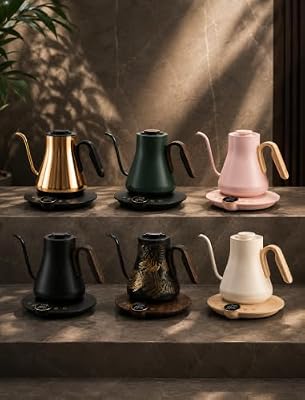
Cocinare Gooseneck Electric Kettle, ±1°F Precise Temperature Control, 1500W Fast Heating, Pour Over Coffee & Tea Kettle with Brew Timer & Keep Warm, Stainless Steel, 0.9L (Delacroix Green)



As an Amazon Associate we earn from qualifying purchases. Product prices and availability are accurate as of the date/time indicated.

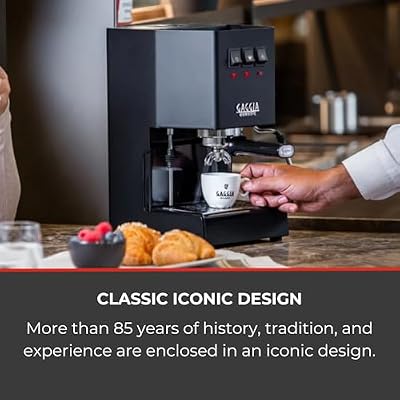
Gaggia RI9380/49 Classic Evo Pro Espresso Machine, Thunder Black, Small



As an Amazon Associate we earn from qualifying purchases. Product prices and availability are accurate as of the date/time indicated.

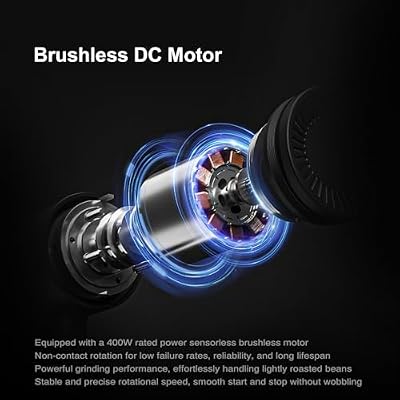
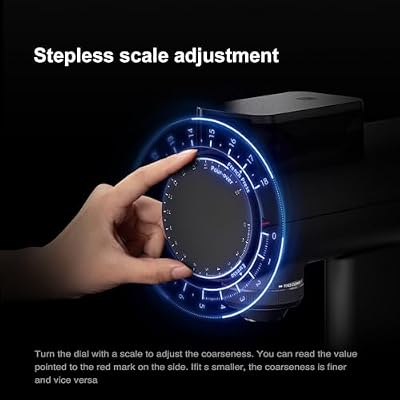
TIMEMORE Sculptor 078S Flat Burr Coffee Bean Grinder, Electric Espresso Grinder with Stepless Coarseness Adjustment, Suitable for Espresso, Pour over, French Press, Cold Brew - Black




As an Amazon Associate we earn from qualifying purchases. Product prices and availability are accurate as of the date/time indicated.
Refurbished vs. Used vs. Certified Refurbished: Know the Difference
These three terms are not interchangeable, and the distinction matters enormously for espresso machines.
Used (private sale) means the machine has been owned and operated, is being sold as-is, and may or may not have been serviced. This is the highest-risk category. You’re relying entirely on the seller’s description of the machine’s condition, maintenance history, and any issues. The price is typically lowest, but so is the protection.
Refurbished (third-party) means a repair shop or reseller has inspected the machine, replaced worn parts (typically gaskets, seals, valves, and the steam wand O-rings), descaled it, tested it to spec, and is selling it with some form of guarantee. Quality varies enormously between refurbishers. A specialist espresso repair shop that services commercial equipment is a very different proposition from a general electronics refurbisher.
Certified Refurbished (manufacturer or authorized) means the original brand or an authorized service center performed the refurbishment to factory specifications, replaced all consumable parts, and backs the unit with a limited warranty — sometimes identical to a new unit’s warranty. This is the safest refurbished purchase and commands a price premium accordingly.
What Gets Replaced in a Proper Espresso Machine Refurb
A thorough refurbishment of an espresso machine includes replacing the group head gasket and shower screen, all pump seals and O-rings, the steam wand tip and internal steam valve O-rings, the solenoid valve seal, and any worn boiler gaskets. The machine should be fully descaled, the pump pressure verified and adjusted to 9 bar (±0.5 bar), and the boiler temperature calibrated against the thermostat or PID setpoint.
When evaluating a refurbished listing, ask specifically which parts were replaced. A seller who can’t answer this question hasn’t done a proper refurb — they’ve cleaned the outside and tested that it turns on. That’s not refurbishment.
Understanding espresso machine maintenance makes you a better buyer. Our guide to espresso machine descaling and cleaning explains what scale buildup does to boilers and group heads — exactly the damage you want confirmed repaired before buying a used machine.
Which Machines Are Worth Buying Refurbished
Not every machine is a good refurbished buy. The best candidates share common traits: they were quality machines to begin with, spare parts are readily available, and a repair ecosystem exists around them.
Single boiler machines (Gaggia Classic, Rancilio Silvia, Breville Bambino) are straightforward to refurbish — simple internals, abundant parts, well-documented service procedures. These make excellent refurbished buys because the repair complexity is low and parts availability is near-infinite.
Heat exchanger machines (Rocket Giotto, Bezzera BZ10, ECM Mechanika) are the sweet spot for refurbished value. These machines cost $1,000–$2,000 new and hold up for decades. A properly refurbished HX machine at $400–$700 offers genuine prosumer performance that a brand-new $400 single boiler cannot match.
Dual boiler machines can be excellent refurbished buys at the high end, but the internal complexity is higher and a botched refurb is harder to detect. Stick to manufacturer-certified refurbs for dual boiler units unless you’re buying from a known specialist.
Super-automatic machines are higher risk refurbished due to complex grinder mechanisms, milk circuit tubing, and electronic control boards. These are fine as manufacturer-certified refurbs but present more surface area for problems in third-party refurbs.
Red Flags When Buying a Refurbished Espresso Machine
Walk away if: the seller cannot provide a parts replacement list; the machine shows exterior corrosion around the boiler or group head area; the listing mentions “untested” or “sold as-is”; the price is more than 20% below comparable listings without explanation; or the seller has no return policy whatsoever.
Inspect closely for: calcium deposits visible in the drip tray area (indicates poor descaling history), discoloration around the group head gasket groove (indicates gasket failure and possible water ingress), and steam wand tip condition (a corroded or scaled tip suggests the steam circuit wasn’t serviced).
Once your refurbished machine is up and running, invest in proper accessories to protect it. A PID temperature controller is often worth adding to single boiler refurbs that didn’t come with one, dramatically improving shot temperature stability. And setting up a proper workflow station around the machine helps you get the most from day one.
Spec Comparison: Refurbished Buying Tiers
| Category | Private Used | Third-Party Refurb | Certified Refurb |
|---|---|---|---|
| Parts Replaced | Unknown / none | Varies by refurbisher | All consumables per spec |
| Warranty | None | 30–90 days typical | 90 days–1 year |
| Price vs. New | 40–70% discount | 30–55% discount | 20–35% discount |
| Risk Level | High | Medium (source-dependent) | Low |
| Best For | Experienced buyers only | Most home baristas | Risk-averse buyers |
| Return Policy | None | Usually 14–30 days | Standard retail return |
FAQ: Buying a Refurbished Espresso Machine
Is buying a refurbished espresso machine worth it?
Yes, in most cases — especially for heat exchanger and high-end single boiler machines. The quality ceiling you can access at a given budget is significantly higher with refurbished than new. A $600 budget buys a mid-range new single boiler or a professionally refurbished prosumer HX machine. For espresso quality, the refurbished HX wins. The key is buying from a reputable source with a clear refurbishment process and a return policy.
How long will a refurbished espresso machine last?
A properly refurbished quality machine should give you 5–10 years of reliable home use, and often much longer. Italian and German espresso machine brands — Rocket, ECM, Bezzera, Jura, Rancilio — are built to commercial durability standards. With annual descaling, gasket replacement every 1–2 years, and basic preventive maintenance, these machines outlast most modern appliances regardless of whether you bought them new or refurbished.
What should I ask before buying a refurbished espresso machine?
Ask: What parts were replaced during refurbishment? What is the machine’s approximate age and original purchase date? Has the pump pressure been tested and set to spec? Was the boiler descaled? What warranty or return policy is included? Can you provide a service report or parts list? A reputable refurbisher will answer all of these questions readily. Vague or evasive answers about any of them are a genuine red flag.
Where is the best place to buy a refurbished espresso machine?
Manufacturer-authorized dealers and brand websites (Breville Renewed, DeLonghi certified refurb programs) are the safest sources. Specialist espresso equipment dealers who do in-house service work — companies like Whole Latte Love, Chris’ Coffee, or Seattle Coffee Gear in the US — sell refurbished machines with genuine service backing. Amazon Renewed can be fine for lower-priced machines but varies widely in quality for premium units. Avoid eBay listings from non-specialist sellers for anything above $300.
Do refurbished espresso machines come with accessories?
It varies. Certified manufacturer refurbs typically include the original accessory kit: portafilter, baskets, tamper, and water filter where applicable. Third-party refurbs often include only the machine itself — no tamper, no extra baskets, no documentation. Budget for accessories separately when buying third-party refurbished. A basic upgrade kit (a decent tamper, a non-pressurized basket if not included, and a puck screen) adds $30–$60 but transforms the machine’s usability. See our guide to espresso puck screens and WDT tools for a complete starter accessory overview.
Frequently Asked Questions
What is the difference between factory refurbished and used?
Factory refurbished means the manufacturer or an authorized service center replaced worn parts, descaled the boiler, tested the machine and issued a warranty, typically 90 days to a year. A used machine from a marketplace has none of that, and any fault becomes your repair bill.
What should I inspect before buying?
Pull the shower screen and look for scale and corrosion, check the group gasket for hardening and cracks, run water through the steam wand to confirm the valve is not seized, and inspect the tank and lines for limescale. Ask what water the previous owner used.
What typically fails on a used espresso machine?
Gaskets, the three-way solenoid valve, thermostats and pumps, roughly in that order. All are inexpensive and serviceable on commercial-style machines with 58mm groups. Scale damage inside a boiler or a corroded aluminum boiler is the failure that makes a machine not worth buying at any price.
How much should a refurbished machine save me?
Factory refurbished units usually run 15 to 30 percent below new, which is fair given the shortened warranty. A private used sale should be at least 40 to 50 percent below new, because you are absorbing all of the service risk yourself with no recourse.
How do I check parts availability?
Search for the model’s parts diagram before you buy. Machines built around standard 58mm commercial parts and common boiler hardware stay serviceable for decades, while discontinued super-automatics with proprietary brew groups become unrepairable within a few years. If nobody sells parts, walk away from the deal.
Ready to decide? Our #1 pick for 2026 is the Cocinare Gooseneck Electric Kettle.
Live price & availability on Amazon.