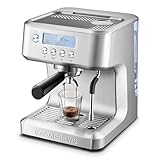
- Top Pick: Gemilai Owl G3006 Home Espresso Machine, 58mm Commercial Group Head & PID Temp Control, Stainless Steel Coffee Maker for Barista-Quality Latte Art, Cappuccino Dual Data Display Black
- Best Value: XIXUBX Espresso Machine with Grinder, PID & Programmable Settings, Black
- Premium Choice: Gemilai G3006A Espresso Machine, Cold & Hot Brew Espresso Maker for Home with Dual PID Temperature Control, Dual Display, 15 Bar Pump, Adjustable Brewing Program, Steam Wand, 57oz Water Tank, Black

TL;DR: A PID controller espresso machine holds brew temperature within ±0.5°C, eliminating the thermal instability that kills extraction consistency. If you chase repeatability shot after shot, a PID-equipped machine is the single highest-leverage upgrade you can make.
PID Espresso Machine: Why Temperature Control Changes Everything
Pull two shots from the same beans, same grind, same tamp — and get wildly different results. Nine times out of ten, brew temperature is the culprit. A PID (Proportional-Integral-Derivative) controller solves this by continuously monitoring the boiler and making micro-corrections in real time. The result: every shot starts at the exact temperature you dialed in.
As an Amazon Associate we earn from qualifying purchases at no extra cost to you. Product prices and availability are accurate as of the date shown and are subject to change.


- Quick Comparison
- What Is a PID Controller on an Espresso Machine?
- Top PID Espresso Machines Worth Owning
- PID vs. No PID: Side-by-Side Comparison
- How to Dial In Temperature on a PID Machine
- Pre-Infusion and PID: A Powerful Combination
- Retrofitting PID: Is It Worth It?
- Top PID Espresso Machine Brands and What Sets Them Apart
- FAQ: PID Espresso Machines
- About the Author
- Frequently Asked Questions
Quick Comparison
| Product | Brand | Price | Rating |
|---|---|---|---|
| Gaggia RI9380/49 Classic Evo Pro Espresso Machine | — | $499 | 4.4/5 |
| Rancilio Silvia Espresso Machine | Rancilio | $995 | 4.2/5 |
| TIMEMORE Sculptor 078S Flat Burr Coffee Bean Grinder | TIMEMORE | $799 | 4.3/5 |
What Is a PID Controller on an Espresso Machine?
See also: How to Replace Espresso Machine Water Filter (2026): Step-by-Step • How to Adjust Espresso Machine Brew Temperature (2026): Step-by-Step
Traditional espresso machines use a pressurestat — a simple on/off switch that fires the heating element when temperature drops below a threshold. This creates a temperature swing of 5–10°C around your target. A PID replaces that blunt control with a feedback loop that samples temperature dozens of times per second and adjusts heat output proportionally.
The three terms of PID — Proportional, Integral, Derivative — each handle a different aspect of correction. Proportional responds to current error, Integral corrects for accumulated offset, Derivative anticipates future drift. Together they keep the boiler locked at your set point rather than hunting around it.
Top PID Espresso Machines Worth Owning

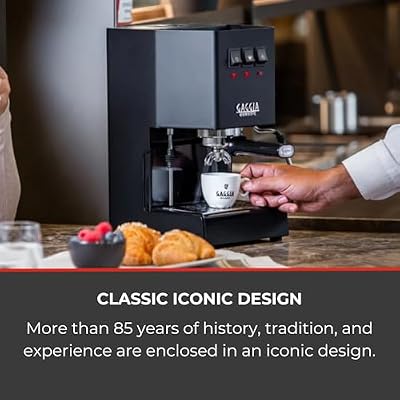
Gaggia RI9380/49 Classic Evo Pro Espresso Machine, Thunder Black, Small



As an Amazon Associate we earn from qualifying purchases. Product prices and availability are accurate as of the date/time indicated.

Rancilio Silvia Espresso Machine, Stainless Steel


As an Amazon Associate we earn from qualifying purchases. Product prices and availability are accurate as of the date/time indicated.

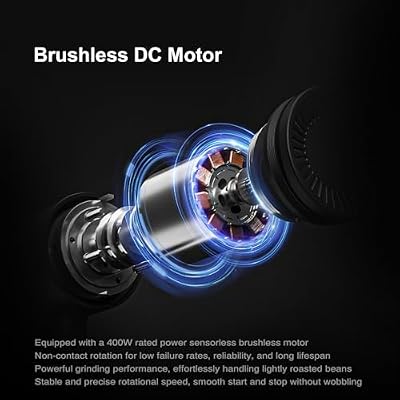
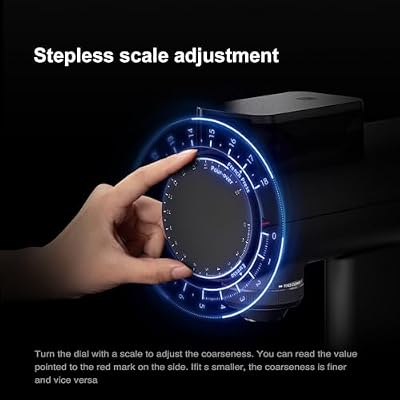
TIMEMORE Sculptor 078S Flat Burr Coffee Bean Grinder, Electric Espresso Grinder with Stepless Coarseness Adjustment, Suitable for Espresso, Pour over, French Press, Cold Brew - Black




As an Amazon Associate we earn from qualifying purchases. Product prices and availability are accurate as of the date/time indicated.
PID vs. No PID: Side-by-Side Comparison
| Feature | Standard Thermostat | PID Controller |
|---|---|---|
| Temperature accuracy | ±5–10°C | ±0.3–0.5°C |
| Warm-up consistency | Variable | Predictable set-point |
| User adjustment | None / limited | Full degree-by-degree control |
| Recovery after steam | Slow (30–90 sec) | Fast (10–20 sec) |
| Shot repeatability | Moderate | High |
| Cost premium | Baseline | $50–$300 over thermostat models |
How to Dial In Temperature on a PID Machine
Most PID machines ship set to 93°C (199°F) — a sensible default for medium roasts. Light roasts often benefit from 94–96°C to coax out sweetness; dark roasts can drop to 90–92°C to tame bitterness. Change temperature in 1°C increments, pull two shots, and taste before adjusting further.
After changing the set point, wait at least one full warm-up cycle before pulling. The PID needs time to settle at the new target. Rushing leads to misleading results. Pair your temperature work with a consistent grind size approach — temperature and grind interact, and changing both simultaneously makes troubleshooting impossible.
Pre-Infusion and PID: A Powerful Combination
Many PID machines also offer pre-infusion — a low-pressure soak before full pressure ramps up. When paired with stable temperature, pre-infusion evens out the puck hydration and reduces channeling dramatically. If your machine supports both, enable pre-infusion at 3–4 bar for 5–8 seconds before full 9-bar extraction.
This combination is particularly effective with light, dense, single-origin beans that tend to channel without proper wetting. Combine it with quality tamping technique for best results.
Retrofitting PID: Is It Worth It?
Classic machines like the Rancilio Silvia or Gaggia Classic can be retrofitted with third-party PID kits (Auber, Inkbird) for $60–$120. The mod involves replacing the pressurestat wiring with a thermocouple and controller board. For a machine you already love, it is absolutely worth the upgrade — the extraction improvement is immediate and dramatic.
If you are buying new, most mid-range and above machines now include PID as standard. It is a feature worth prioritizing over aesthetic upgrades when comparing models on your shortlist. Review the best home espresso machines guide for PID-equipped picks across price points.
Top PID Espresso Machine Brands and What Sets Them Apart
Breville (Sage in the UK) popularized accessible PID espresso with the Barista Express and Dual Boiler lines. Their implementation includes a user-adjustable temperature display on the machine face — no hidden menus — making it the most approachable PID system for newcomers. The trade-off is a proprietary boiler design that cannot be upgraded later.
Rancilio’s Silvia Pro and Silvia Pro X bring Italian build quality with dual boiler PID at a mid-range price. These machines use commercial-grade group heads and boilers that outlast most buyers’ interest in espresso — ten-year lifespans are common with regular maintenance. The PID implementation is straightforward: set temperature via buttons, confirmed by LED display.
ECM, Rocket, and Bezzera represent the prosumer tier where PID is combined with E61 group heads (thermosyphon heated for even group temperature), rotary pumps (quieter, longer-lived than vibration pumps), and commercial-gauge boilers. At this level the PID is one feature among many — the machine is built for a decade or more of daily use. If you are serious about home espresso long-term, this tier deserves consideration. Cross-reference any purchase with the full home espresso machine buying guide for a side-by-side breakdown.
FAQ: PID Espresso Machines
Does a PID controller make espresso taste better?
Indirectly, yes. PID does not change flavor chemistry — it ensures your chosen brew temperature is actually reached and held. Consistent temperature means consistent extraction, which means your recipes reproduce accurately. The flavor improvement comes from eliminating thermal variation, not from the PID itself doing something to the coffee.
What temperature should I set my PID espresso machine to?
Start at 93°C (199°F) for medium roasts. Move up toward 95–96°C for light roasts that need more heat to develop sweetness. Drop to 90–92°C for dark roasts where bitterness is a problem. Always adjust one degree at a time and taste across multiple shots before making further changes.
How much does a PID espresso machine cost?
Entry-level PID machines start around $300–$400 (Gaggia Classic Pro with aftermarket PID, Breville Barista Express). Mid-range dedicated PID machines like the Rancilio Silvia Pro X sit at $900–$1,200. Prosumer dual-boiler PID machines (Breville Dual Boiler, ECM Synchronika) range from $1,500 to $3,000+.
Is a dual boiler PID machine worth it over a single boiler?
If you steam milk immediately after pulling shots, yes. A single-boiler PID machine requires a temperature change between brew and steam modes — typically a 30–60 second wait. A dual boiler maintains separate temperatures for each function simultaneously. For milk-drink workflows, dual boiler eliminates that bottleneck entirely.
Can I add a PID to my existing espresso machine?
Yes, for many popular single-boiler machines. The Gaggia Classic, Rancilio Silvia, and Delonghi EC155 all have well-documented PID retrofit kits. The modification requires basic electrical work — disconnecting the pressurestat and wiring in a thermocouple and PID board. Skill level: intermediate. Risk: low if you follow documented guides and power off before working inside the machine.
Frequently Asked Questions
What does a PID actually do?
It replaces a simple on/off thermostat with a controller that measures boiler temperature continuously and modulates the heating element, holding the setpoint within roughly a degree instead of swinging five to ten. In practice that means the same brew temperature on the first shot and the fifth.
Is a PID worth paying for?
If you drink light and medium roasts or care about repeatability, yes, because temperature swing is a bigger flavor variable than most people realize. If you drink dark roast milk drinks, spending the same money on a better grinder will improve your cup considerably more.
What temperature should I set?
Start around 93C or 200F for medium roasts, move toward 94 to 96C for dense light roasts that extract slowly, and drop to 90 to 92C for dark roasts that turn bitter. Change one degree at a time and taste before adjusting anything else.
Can I retrofit a PID to my machine?
Yes on many single-boiler machines, most famously the Gaggia Classic, using kits that replace the thermostat with a controller and thermocouple. Installation involves mains wiring and voids the manufacturer warranty, so it suits confident DIYers or a technician rather than a first-week owner.
PID or dual boiler?
They solve different problems. A PID stabilizes whatever boiler you already have, while a dual boiler gives independent brew and steam circuits so you never wait between espresso and milk. Most dual boilers include a PID, but a PID single boiler still forces you to switch modes.
Ready to decide? Our #1 pick for 2026 is the Gaggia RI9380/49 Classic Evo Pro Espresso Machine.
Live price & availability on Amazon.